
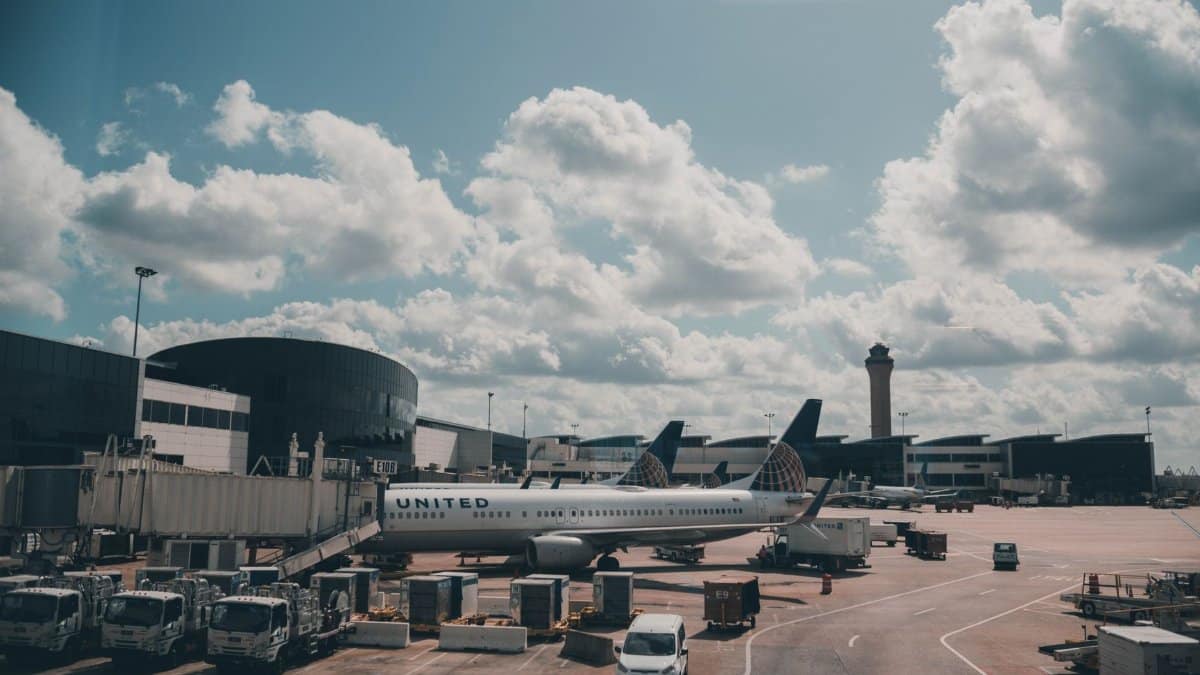
The jetway door opened onto a wash of late light, and the first thing a traveler noticed was not a slogan but the pace. People moved without the shoulder to shoulder crush common at coastal hubs. A piano sat somewhere down the concourse. The air smelled faintly of coffee rather than impatience. That ordinary calm is part of why the MSP J.D. Power ranking has become a recurring headline in Minnesota, and why an airport better known for winter departures keeps collecting a prize usually associated with sunshine and spectacle.
A third year at the top of the mega category
Minneapolis St. Paul International Airport has again been named the most satisfying mega airport in North America, extending a run that local coverage has tracked for a third straight year. The result, reported by the Star Tribune and rooted in J.D. Power traveler surveys, places MSP ahead of much larger and louder competitors. Mega, in this study, is not a compliment about grandeur. It is a size class. Airports in that group handle heavy passenger volumes, and they are judged against peers that share the same operational burden.
For readers outside the Twin Cities, the win can look improbable. MSP is not the busiest airport on the continent, nor the newest, nor the one most often filmed for travel television. It is a northern hub with long winters, a dominant airline, and a terminal layout that regulars learn by heart. Satisfaction rankings do not reward mythology. They reward what people say after they have cleared security, found a gate, and tried to eat something that does not taste like a delay.
What travelers are actually scoring
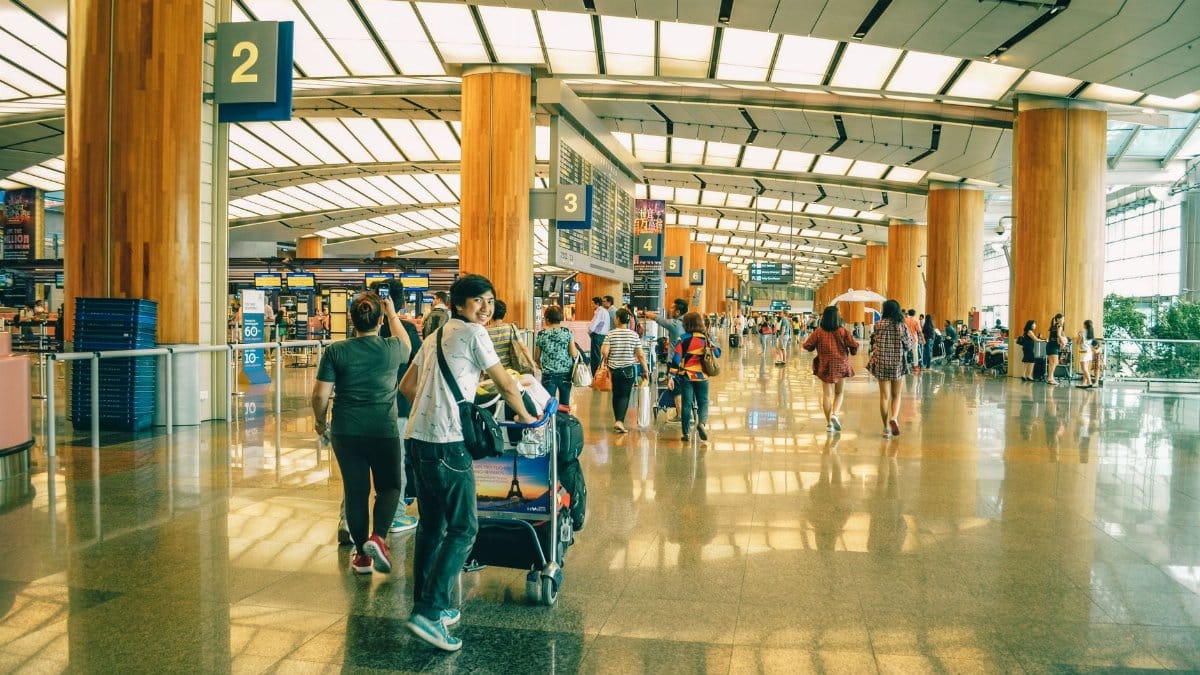
J.D. Power airport studies ask recent passengers about the pieces of a trip that rarely make postcards. Arrival at the airport, the check in process, security screening, terminal facilities, baggage claim, and the food and retail on offer all feed the score. A beautiful roof cannot rescue a broken claim carousel. A famous chef cannot erase a confusing sign. The MSP J.D. Power ranking reflects an accumulation of small judgments, not a single spectacle.
That method matters because it matches how most people remember an airport. They remember whether the moving walkway worked, whether a restroom was clean at 6 a.m., whether an agent looked up from a screen. They remember the walk from security to a far gate when a connection is tight. They remember whether the public address system sounded like information or like noise. None of those details is glamorous. Together they decide whether a building feels competent.
A terminal that tries not to waste the hour
Terminal 1, the Lindbergh building, carries most of the hub traffic. It is not small, and anyone who has sprinted between concourses will not pretend otherwise. What frequent flyers often describe is legibility. Gates are grouped in a way that rewards a little local knowledge. Sightlines are clearer than in terminals that grew by annex. Public art and occasional live music give the walk a human scale without turning the building into a mall with runways attached.
Terminal 2, Humphrey, serves a different mix of carriers and a different kind of trip, including many leisure departures. The split can confuse first time visitors who assume one front door serves every airline. Clear ground transport and honest signage matter here as much as any design award. An airport wins satisfaction points when a visitor who has never been there can still find the right curb without a family argument.
Food, art, and the minutes that belong to the passenger

Airports used to treat hunger as a captive market. The better ones have started to treat it as a reputation risk. MSP has pushed local names onto the concourse alongside national chains, which gives a layover a faint sense of place. A bowl that tastes like the city outside the glass is a small thing. It is also one of the few things a delayed passenger can control. Retail follows the same logic. Useful shops beat novelty shops when a traveler needs a charger, a newspaper, or a gift that does not embarrass the recipient.
Art programs do similar quiet work. They give the eye somewhere to rest that is not a departure board. They also signal that the airport sees itself as a public room, not only a processing plant. None of this replaces on time performance. It does change the emotional temperature of a wait, and emotional temperature is exactly what a satisfaction study is built to detect.
Winter is not an excuse and not a curse

Minnesota winters are a genuine operational test. Snow, ice, and short daylight hours complicate every ramp movement. Travelers know this, and they tend to grade an airport on whether the institution acts as if it knows it too. Deicing queues, honest delay information, and heated walks from parking to door are not amenities in January. They are the product. An airport that pretends weather is a surprise will lose trust faster than one that plans for it in public.
There is a cultural piece as well. Northern passengers often arrive dressed for the parking ramp, not for a fashion spread. An airport that works for them has seating that is not precious, floors that can take slush, and staff who do not treat a heavy coat as a moral failing. Those are unfashionable virtues. They show up in surveys anyway.
The Delta hub and the risk of a single gravity
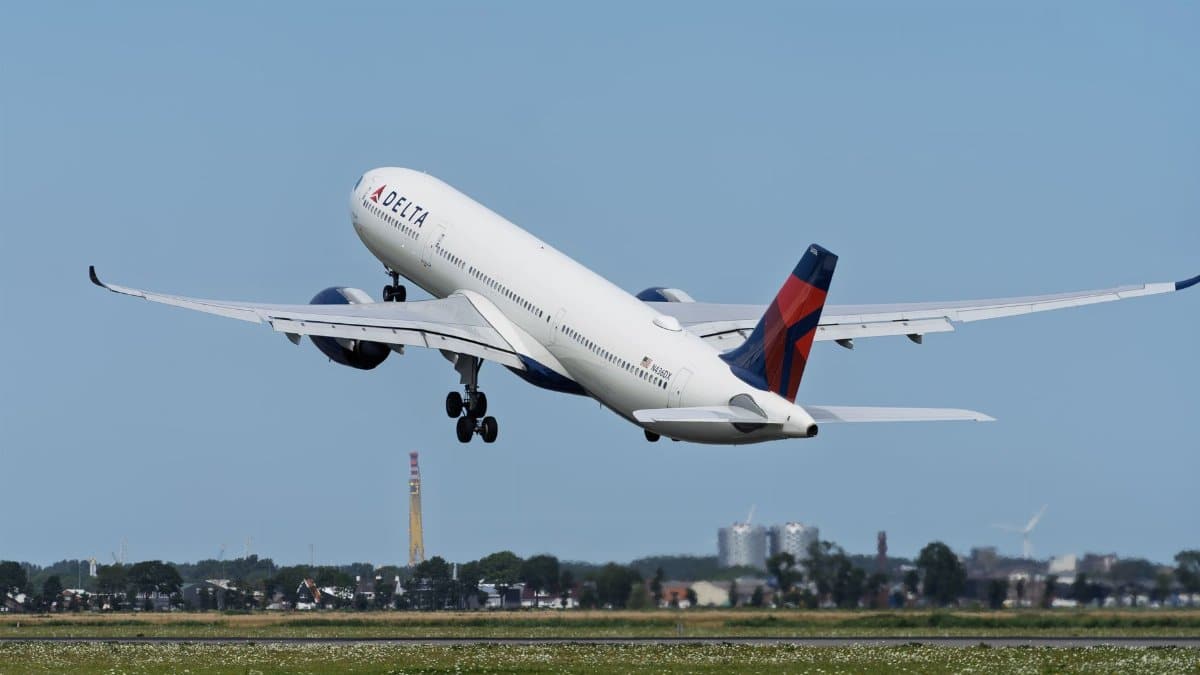
MSP is a major hub for Delta Air Lines, which shapes everything from banked departure waves to the feel of a Tuesday afternoon. A strong hub carrier can raise standards. It can also create blind spots, because the airport and the airline start to share a nervous system. When the bank runs late, the terminal fills at once. Food lines lengthen. Gate areas clog. Satisfaction then depends on whether both institutions treat that surge as a design problem rather than as weather of another kind.
Competition on certain routes still matters for travelers, even when one airline sets the tone. Choice in ground transport, choice in where to sit, and choice in what to eat are the forms of competition an airport can guarantee even when the departure board cannot. The ranking suggests MSP has invested in those controllable choices with unusual discipline.
How a ranking travels beyond the terminal
Awards are easy to dismiss as marketing. This one is harder to ignore because it is built from passenger answers rather than from a jury of architects. Civic leaders will use it, and they should use it carefully. A satisfaction crown does not, by itself, justify every capital project. It does give the region a credible sentence in conversations with employers, conventions, and families deciding whether a connection through the Upper Midwest is a punishment.
The Star Tribune account of the latest win is the local record of that sentence. National readers may never click it. They will still feel the downstream effect if more travelers choose a connection that used to be a shrug. Reputation compounds. So does disappointment, if the next renovation forgets the habits that produced the score.
What the MSP J.D. Power ranking does not prove

Honesty requires a boundary around the trophy. The MSP J.D. Power ranking does not prove that every flight left on time. It does not prove that every worker was paid fairly, or that every neighborhood under a flight path is at peace with the noise. It does not measure carbon, or the price of a ticket, or whether a family can afford the trip at all. Those are real public questions, and folding them into a satisfaction headline would be a category error.
It also does not freeze the airport in place. Survey leadership is perishable. A bad summer of construction, a security staffing crunch, or a baggage system that fails on a holiday weekend can erase a year of goodwill in a weekend. The useful reading of a three year run is not invincibility. It is evidence that a set of habits can be repeated.
Habits other hubs could copy without copying the carpet

Other mega airports will not become MSP by installing a piano. The transferable lessons are plainer. Keep walking distances intelligible. Tell the truth on the board. Staff the points where anxiety spikes, especially security and irregular operations. Put food where the wait actually happens, not where the architect hoped people would linger. Treat winter, heat, or hurricane season as a core service, not as an apology. Measure the unglamorous rooms, because that is where travelers form their verdict.
There is also a governance lesson. Airports are public institutions wrapped around private airlines. When the public side obsesses over ribbon cuttings and the private side obsesses over aircraft turns, the passenger becomes the leftover. The airports that score well tend to be the ones where those two obsessions are forced into the same meeting and asked a single question: what did the person in seat 14C experience between curb and cabin.
A practical guide for the next connection

If the ranking sends you through MSP for the first time, a few plain habits help. Confirm which terminal your airline uses before you leave the hotel. Build a little more time than a summer connection would suggest if you are traveling in snow. Eat before the tightest bank if you can, because popularity has a line. Use the airport site or your airline app for gate changes rather than folklore from a group chat. None of this is secret knowledge. It is the same respect you would give any large public building.
Regulars already know the softer advice. The building rewards people who are not in a performative rush. A few extra minutes at a gate with a window can be better than a sprint toward a pretzel. That is not spirituality in the chapel sense, though airports do contain quiet rooms for people who need one. It is closer to a civic ethic: shared spaces work when users assume the stranger beside them is also trying to get home.
Why a northern airport keeps winning a national argument
The deeper story is not that Minnesota discovered a trick. It is that satisfaction, measured patiently, still responds to competence. In a decade when many public rooms feel either neglected or overdesigned, an airport that is merely clear, clean, and reasonably kind can look radical. The MSP J.D. Power ranking keeps returning to the same place because passengers keep describing the same experience: a large airport that has not forgotten it is a service.
I have walked those concourses with a roller bag and a narrowing connection, and the memory that stays is not luxury. It is the absence of chaos. That absence is expensive to maintain and easy to lose. If the region treats the latest win as a license to coast, the next study will say so without sentiment. If it treats the win as a maintenance manual, the headline can keep recurring for reasons that have nothing to do with pride and everything to do with the next person stepping off a jetway into ordinary light.