
Before sunrise at a fuel island east of Houston, a driver stood with a phone in one hand and a paper notice in the other. The commercial credential he had used for years no longer matched what federal computers said he was allowed to hold. Clerks called it a downgrade. He called it the end of a route he had driven since his children were small. Texas CDL losses federal rules are no longer a distant policy memo. They are a count of livelihoods, and in this state that count has already passed 6,400.
A rule written in Washington lands on Texas roads
The Federal Motor Carrier Safety Administration set the change to take effect in March 2026. The target is not every trucker in Texas. It is a narrower group: nondomiciled drivers, people whose legal home for licensing purposes is not the state that issued the commercial credential, or in many cases not the United States at all. When the federal standard tightened, state systems had to reconcile old records with new requirements. Reconciliation, in practice, meant downgrade. A downgrade does not always erase a person’s right to drive a personal car. It removes the authority to operate the heavy vehicles that move food, fuel, construction material, and retail goods.
What the 6,407 figure actually counts

State transportation officials have reported 6,407 commercial license downgrades tied to the federal standard. That is the number behind the headline that more than 6,400 Texas drivers lost commercial licenses. A downgrade is not always a permanent ban. It is a formal reduction in what the license authorizes. For a person whose entire income depends on a tractor trailer, the distinction can feel academic. Without the commercial class, the next load does not leave the yard.
Texas is large enough that a few thousand drivers can sound like a rounding error beside the full commercial fleet. It is not a rounding error to a small carrier with eight trucks and three of them suddenly without qualified operators. It is not a rounding error on a dock in Laredo or a distribution floor in Dallas when a scheduled arrival slips by a day.
Who is caught in the definition of domicile

Domicile is a legal idea that ordinary speech flattens into the word home. For licensing, it is the place a person treats as a permanent base, the jurisdiction that may tax, register, and supervise. Nondomiciled status can cover lawful workers whose papers authorize employment but whose licensing home sits elsewhere. It can also cover people whose documents no longer satisfy the tighter federal screen. Those are different situations, and public argument often collapses them into one angry sentence. The administrative act does not collapse them. Each file is a person with a particular status, a particular work history, and a particular set of medical and driving records.
Safety is the stated purpose

Federal officials frame the rule as a safety measure. Commercial driving is not a casual privilege. It involves vehicles that weigh many tons, limits on hours of service, drug and alcohol testing, and medical certification. The argument for a stricter domicile rule is that a state should fully know, and be able to supervise, the drivers it licenses for interstate work. Gaps in identity, residency, or record sharing are treated as gaps in oversight. Whether the March 2026 standard is the right tool for that goal is a fair question. The goal itself, fewer unknown risks on shared highways, is not obscure.
The household math after a downgrade

I have spent enough time around freight yards to know that a commercial license is often the sole skilled credential in a household. Lose it, and the mortgage, the remittance, the childcare plan, and the truck payment all move at once. A driver who is downgraded may still find warehouse work or local delivery in a smaller vehicle, if that vehicle does not require the lost class of license. The pay is usually lower. The schedule is usually less predictable. Families that organized life around a long haul calendar have to rebuild it in a matter of weeks.
Carriers absorb a shock they did not schedule

Fleet managers describe the same sequence. A driver who was cleared last month fails a qualification check this month. The truck sits. A customer asks why a lane that ran on time for a year is suddenly short. Recruiters call other drivers and find that the labor pool is already thin. Texas freight depends on people who will take nights, heat, and distance. Removing thousands of credentials at once, even if each removal follows a written rule, tightens that pool further. Some companies will raise pay to attract domiciled drivers who still qualify. Others will drop lanes. A few will leave the business.
What Texas can control and what it cannot
Licensing is a partnership. States issue the card. Washington sets minimum standards for interstate commerce. When those standards change, a state agency can explain, process paperwork, and tell a driver what evidence might restore a class of license. It cannot ignore the federal floor and keep issuing credentials that other states and roadside inspectors will reject. That is the hard limit inside Texas CDL losses federal rules. A license that will not survive an inspection in Oklahoma or Louisiana is not a working interstate license, whatever a local office might prefer.
Courts, politics, and the fight over fairness

Rules of this kind rarely settle in a single press release. Lawsuits, legislative letters, and industry petitions tend to follow. Critics say the standard punishes people who have driven safely for years and who filled jobs that domiciled applicants did not take. Supporters say uniform rules are the point of a national commercial system, and that uneven state practice is itself a safety problem. Both claims can be true in part. A safe driving record does not automatically satisfy a residency rule. A residency rule does not, by itself, prove that every downgraded driver was a danger on the road.
The path back to a commercial card

For some drivers the path back is documentary. Prove domicile in Texas or in another state that will issue the license. Update work authorization papers if those papers are part of the federal check. Complete medical certification again if the old certificate no longer aligns with the new record. None of that is simple, and none of it is guaranteed. For others the path is closed for as long as the underlying status remains unchanged. Licensing offices, not rumor at a truck stop, are the right place to learn which group a person is in.
Ports, warehouses, and the price of a missed load
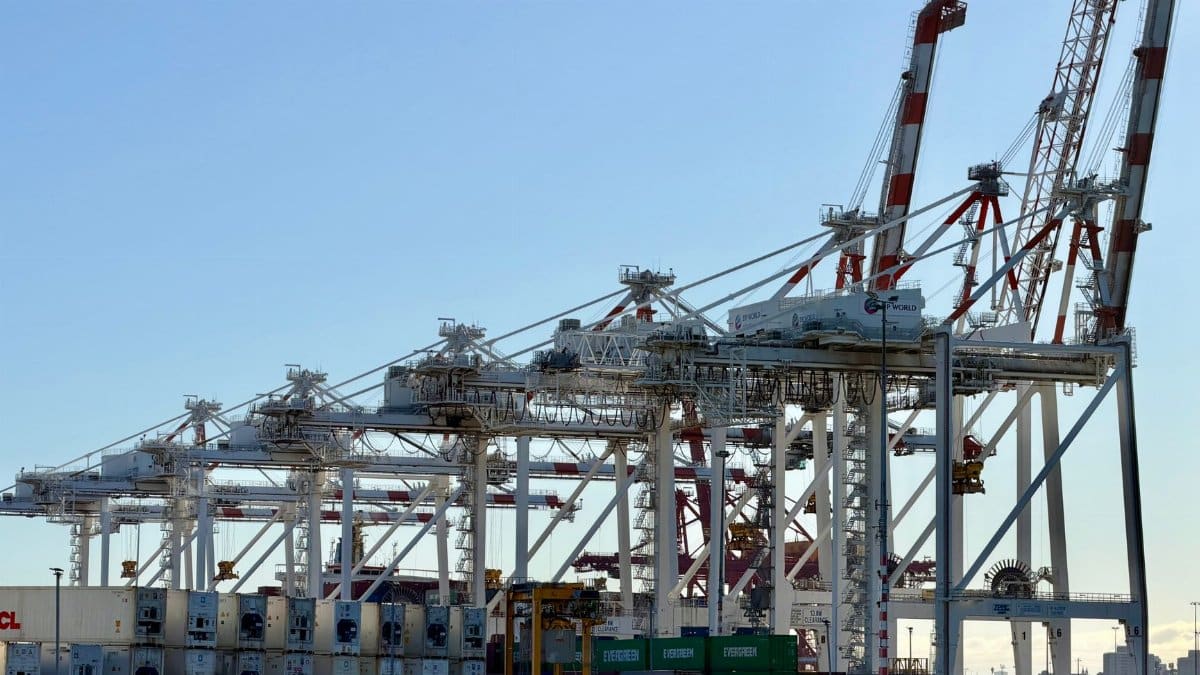
Houston, Dallas Fort Worth, San Antonio, El Paso, and the border cities do not experience a licensing rule as abstract federal text. They experience it as a gate that opens late, a container that sits, a grocery aisle that restocks on Thursday instead of Tuesday. Most consumers will not trace a higher shelf price or a delayed appliance to a downgrade notice. The connection is real anyway. Freight is a chain of qualified people. Remove links, and the chain still moves, only more slowly and at a higher cost. Texas CDL losses federal rules therefore sit inside the price of ordinary goods, not only inside a transportation statute.
A national pattern with a Texas scale

Other states face the same federal text. Texas draws attention because of volume. The state sits on international trade, energy equipment, and domestic distribution all at once. A rule that downgrades 6,407 commercial credentials here will be discussed in carrier offices from the Gulf to the Panhandle, and in shipper meetings far from Texas. If similar counts emerge elsewhere, the national conversation will shift from a local headline to a labor and safety story with a continental footprint. If other states report far smaller effects, reporters will ask whether Texas records, Texas industries, or Texas demographics explain the difference.
After the first wave of notices
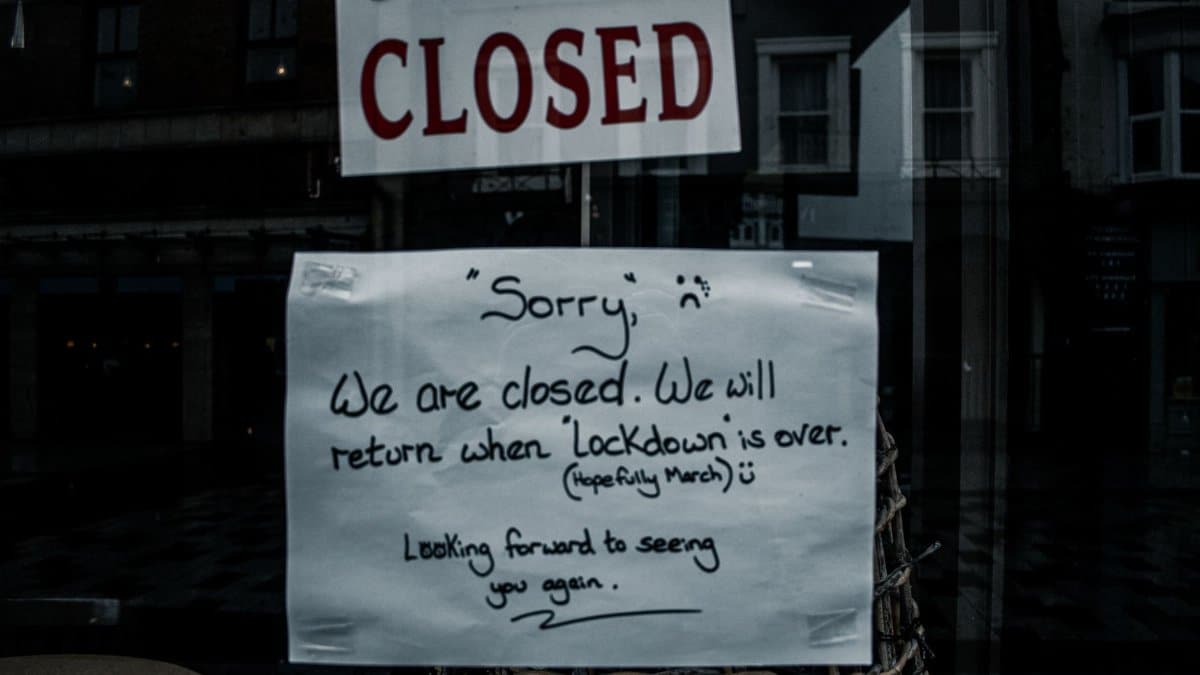
The first wave is blunt: notices mailed, credentials reduced, trucks parked. The second wave is slower. Some drivers will requalify. Some will leave the industry. Some will move to a state where they can establish domicile and start again, if the law allows it. Inspectors will test whether the roads are in fact safer, or whether the same miles are simply being driven by a smaller set of licensed people working longer weeks. Lawmakers will ask whether the standard needs a narrower fix or a broader defense.
Until that evidence arrives, the responsible posture is neither panic nor indifference. It is attention. 6,407 is large enough to matter and precise enough to be misunderstood. It does not describe every trucker in Texas. It describes a defined group under a defined rule. Treating that group with care is a form of respect, for the drivers, for the shippers who rely on them, and for the public that shares the highway. Texas CDL losses federal rules will keep generating headlines. The more useful work is to keep asking who was downgraded, on what grounds, and what the roads and the households look like after the paperwork settles.