
On a Tuesday afternoon in Austin, a historian closed a browser tab of openings in other states and returned to a stack of student papers. The choice did not feel cinematic. It felt ordinary, which is what makes it hard to dismiss. A new Texas faculty exodus survey suggests that a sizable share of professors are preparing to test the market beyond the state line, less because of one headline than because the daily climate of campus life has changed.
What the numbers actually say

The American Association of University Professors asked faculty in Texas and several other states about political pressure, academic freedom, and plans for the next hiring cycle. Reporting in The Dallas Morning News, drawing on that poll, found that 35 percent of Texas respondents expect to look for work elsewhere when the next round of searches opens. That is not a mass resignation. It is a stated intention, and intentions can fade when mortgages, spouses, labs, and students intervene. Still, in a profession where moves are slow and costly, a third of respondents signaling an out of state search is a warning light, not a curiosity.
Readers can review the association materials at the AAUP site and the news account at The Dallas Morning News. Those sources matter because campus rumors travel faster than methods. A survey is a snapshot of people who chose to answer. It is not a census of every lecturer in the state. Treated with that caution, the Texas faculty exodus survey still describes a mood that administrators already hear in exit interviews and in the quiet decision not to apply for a Texas job at all.
A climate that feels narrower

Faculty who spoke with reporters did not describe a single villain. They described a stack of signals. Laws restricting diversity offices, debates over tenure, scrutiny of curriculum, and public fights about what may be taught have landed, for many, as a message about who belongs in the conversation. Some professors say they still teach as they always have. Others say they now write emails as if a stranger might read them in a hearing. That second habit is the more damaging one. Scholarship depends on the freedom to test an unpopular claim and then abandon it if the evidence fails. When people start editing themselves before the evidence arrives, the loss is invisible on a spreadsheet.
Supporters of recent Texas measures argue that public universities answer to taxpayers and that some campus programs drifted into political advocacy. That argument is not frivolous. Public money is not a blank check, and students have a right to classrooms that are not recruitment offices for a party. The harder question is whether broad restrictions, vaguely enforced, chill work that was never partisan in the first place. A chemist does not need a diversity office to do chemistry. A historian of the civil rights era does need room to assign difficult texts without wondering whether a complaint will become a career event.
Why the next hiring cycle matters

Academic labor markets move on a calendar that outsiders rarely see. Most tenure track searches post in late summer and fall. Candidates fly in winter. Offers land in spring. A professor who tells a pollster in one season that a search is coming has often already updated a dossier, warned a partner, and asked a chair for discretion. By the time a legislature notices a vacancy report, the person has interviewed in Michigan or North Carolina and accepted a lab renovation that Texas will not match.
That lag is why the Texas faculty exodus survey deserves attention now rather than after the resignations are counted. Replacement is not automatic. In specialized fields, a departed scholar may be the only person in the state who can supervise a particular dissertation or run a particular instrument. Graduate students do not transfer as easily as office furniture. Undergraduates feel the loss later, when a signature course disappears from the catalog and nobody explains why.
Who is most likely to leave

Surveys of this kind often find sharper anxiety among faculty without the protection of tenure, among scholars whose subjects touch race, gender, or climate, and among people who already felt peripheral on their campuses. Senior professors with deep local roots may grumble and stay. Early career scholars, carrying debt and watching peers land elsewhere, have less reason to gamble on a climate they read as unstable. If the people who leave are disproportionately the ones Texas most needs to renew its faculties, the average age and average caution of the remaining professoriate will rise together.
There is also a spouse problem that policy debates skip. Many academics are partnered with other academics. A hostile market for one half of the couple is a hostile market for both. When a historian and a biologist both scan listings, the state does not lose one employee. It loses a household, two research programs, and often the K through 12 plans those parents had made for their children. The Texas faculty exodus survey cannot capture every dual career negotiation, but anyone who has sat on a retention committee knows those negotiations decide more departures than press conferences do.
What students stand to lose

Students rarely follow faculty politics until a favorite teacher vanishes between semesters. Then the abstraction becomes a closed office door. Public universities in Texas educate an enormous share of the state workforce, from nurses to engineers to teachers. If accomplished professors treat the state as a temporary stop, students inherit thinner mentoring, fewer research assistantships, and letters of recommendation written by people who have known them for a shorter time. Rankings may lag the reality by years. The classroom feels it immediately.
There is a civic cost as well. A university that cannot keep scholars who disagree with one another in the same building stops modeling the argument that a democracy requires. Parents who want their children challenged, not catechized, should want faculties confident enough to host hard disagreement. Fear produces conformity on the left and on the right. It does not produce rigor.
How other states read the opening
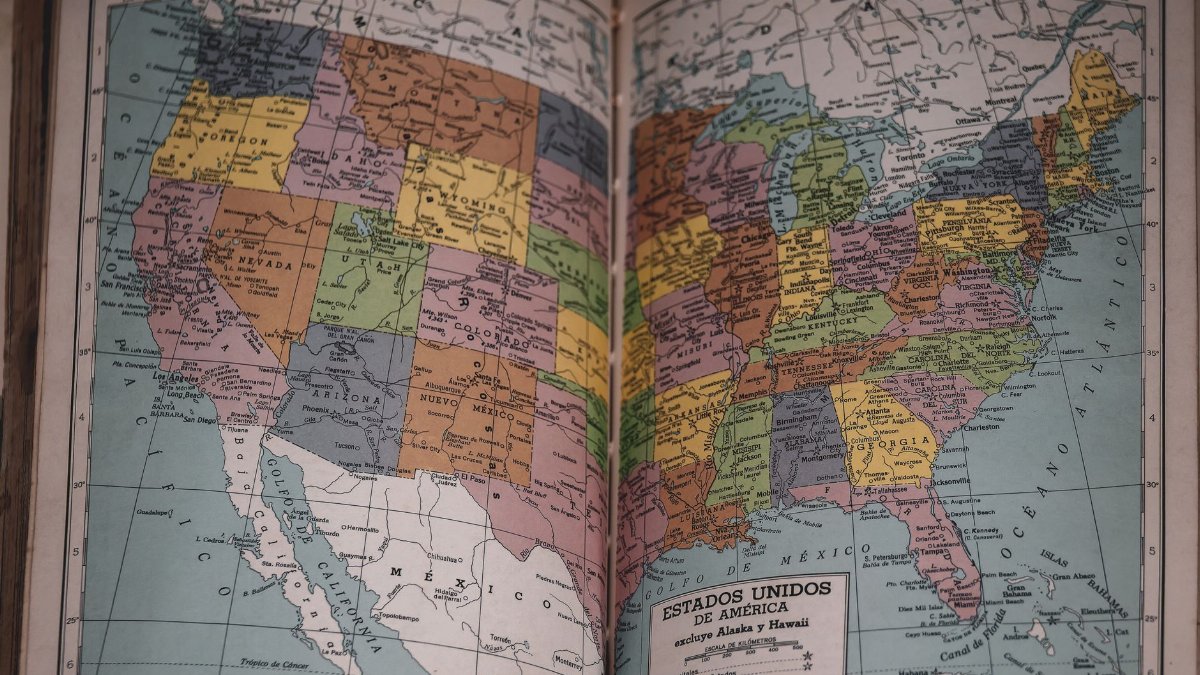
Rival universities do not need a slogan to recruit. They need a posting, a moving allowance, and a sentence in the offer letter about academic freedom that sounds believable. Departments in states with calmer politics have already learned to mention Texas, Florida, and similar fights when they court candidates who might once have preferred a flagship in the Sun Belt for climate, family, or cost of living. Texas still holds powerful advantages. Pay at some campuses remains competitive. Facilities are impressive. The student body is large and ambitious. Those advantages shrink if candidates assume they will spend their first years managing controversy instead of building a lab.
Private colleges inside the state may absorb a few people who want to stay near relatives. They cannot absorb a systemwide shift. Community colleges, already stretched, cannot either. The public research campuses are the prize, and they are also the institutions most exposed to legislative attention.
Limits of one poll
Honesty requires a brake on the drama. Not every professor who checks a box will move. Some answers are protest. Some respondents are near retirement and would have searched anyway. Response rates in faculty surveys are imperfect, and people who feel injured are more likely to reply than people who feel fine. A careful reader should ask who was invited, who answered, and how the questions were worded before treating any single percentage as destiny.
Even with those limits, dismissal is a mistake. When a professional association with a long record of tracking academic freedom publishes a result this stark, and when a major newspaper finds faculty willing to attach their names to the worry, boards of regents should not wait for a perfect dataset. The Texas faculty exodus survey is an early indicator, the kind engineers respect more than politicians do. Early indicators exist so that institutions can change course before the damage is obvious in enrollment or in federal grant totals.
What retention actually requires

Money helps and is not sufficient. A counteroffer can keep a star for a year. It cannot repair a climate in which junior colleagues believe speech is a liability. Retention starts with clear, public standards for what may be investigated and what may not. It continues with presidents who defend faculty in specific cases, not only in abstract commencement remarks. It includes hiring that still seeks excellence rather than political comfort, and evaluation that judges teaching and research rather than social media scraps.
Lawmakers who believe universities lost public trust are not required to pretend the trust was stolen without cause. They are required, if they care about the state economy, to write rules precise enough that a good faith scholar can follow them. Vague bans invite selective enforcement. Selective enforcement is what drives the quiet job search. A statute that names prohibited conduct, protects scholarly disagreement, and sets a real process will always govern better than a climate of hints.
The vocation underneath the job
Teaching at this level is a calling as much as a contract, which is why the departures feel personal to people who never set foot in a faculty senate. Many professors entered the work with a sense of stewardship. They believed the classroom was a place where younger citizens learned to tell a strong argument from a weak one. When that vocation is recast as a suspicion, some will fight and some will leave. Neither response should surprise anyone who has watched clergy, journalists, or physicians exit institutions that stopped honoring the purpose those people thought they were serving.
I have sat in enough faculty lounges, as a reporter rather than a colleague, to know that self pity is common and not always earned. Professors can be insular. They can mistake disagreement for persecution. They can also be right that a line has moved. The mature response from the public is to sort those cases, not to cheer every exit or deny every grievance. A state as large as Texas can hold conservative governance and serious universities at the same time. It cannot hold them if each side treats the other as an enemy to be purged.
A quieter loss already underway

The people who never apply are missing from every exodus count. Search committees already report thinner pools in fields that can choose their state. That absence will not show up in the Texas faculty exodus survey, which questioned people already employed in Texas. It will show up in five years, when a department realizes its last three hires were the only finalists willing to move, and that the stronger candidates withdrew after a legislative session. Reputation is a lagging asset. It takes a generation to build and a few noisy years to dent.
Families notice in smaller ways. A spouse declines a transfer to Houston because the academic job market there looks unstable. A graduate student chooses a program in another region and takes a future company with them. None of those decisions makes a front page. Together they are how a state becomes less of a destination for talent without ever passing a bill that says so.
What to watch in the coming year

The useful metrics are plain. Watch how many Texas faculty actually submit applications out of state, not only how many said they might. Watch counteroffers accepted and refused. Watch whether new assistant professors accept jobs and then ask, within two years, for another look elsewhere. Watch external grant submissions, which fall when principal investigators doubt they will be around to finish the work. Watch student comments about canceled courses in specialized fields.
Watch language, too. If campus leaders speak only in the vocabulary of compliance, faculty will hear fear. If legislators speak only in the vocabulary of punishment, faculty will hear a reason to update a résumé. The healthier sentence, from both sides, admits legitimate public oversight and legitimate scholarly independence in the same breath. That sentence is harder to campaign on. It is also the sentence that keeps a laboratory in College Station instead of sending it to another flagship.
A choice still open

Texas has not emptied its universities, and anyone who claims otherwise is selling panic. The state still employs extraordinary teachers and researchers who intend to retire where they were hired. The question posed by the Texas faculty exodus survey is whether those stayers will be joined by the next cohort or surrounded by vacancies. Thirty five percent is not a fate. It is a measure of how many people are already looking at the door.
Doors can be made less attractive to open. Clear rules, visible defense of good faith teaching, competitive support for research, and a public tone that treats professors as citizens rather than suspects would change the arithmetic. So would a faculty culture willing to hear criticism without calling every critic an authoritarian. The hiring cycle will not wait for a perfect truce. It will reward whichever places look, this year, like somewhere a serious person can do serious work.