
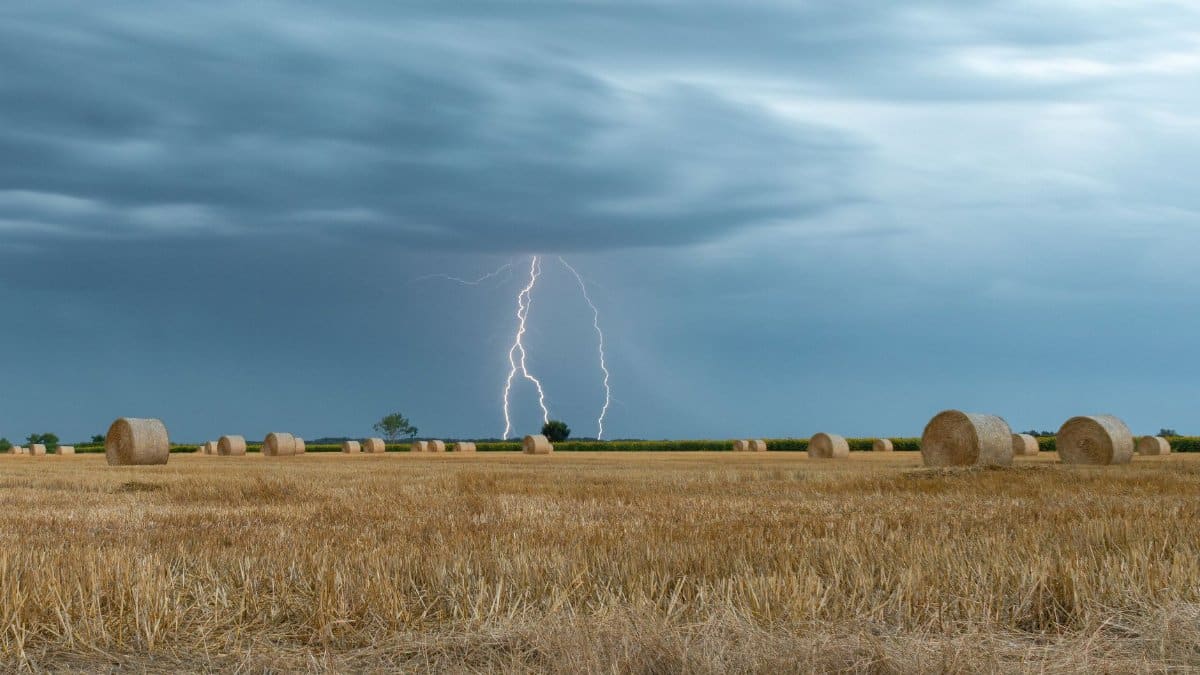
As residents across Minnesota braced for the end of a long holiday weekend, meteorologists highlighted an incoming weather system capable of easing persistent dry spells in farm country and urban centers alike. The Minnesota Monday storms stood out as a potential turning point after months of below average rainfall left crops stressed and lakes low.
Regional Weather Shifts Bring Fresh Moisture

Across the upper Midwest, atmospheric patterns have favored drier air masses in recent seasons. This latest development introduces a slow moving complex of showers and thunder that could drop meaningful totals in targeted zones. Forecasters emphasize the value of any accumulation given current soil moisture deficits.
Impact on Agriculture and Water Supplies
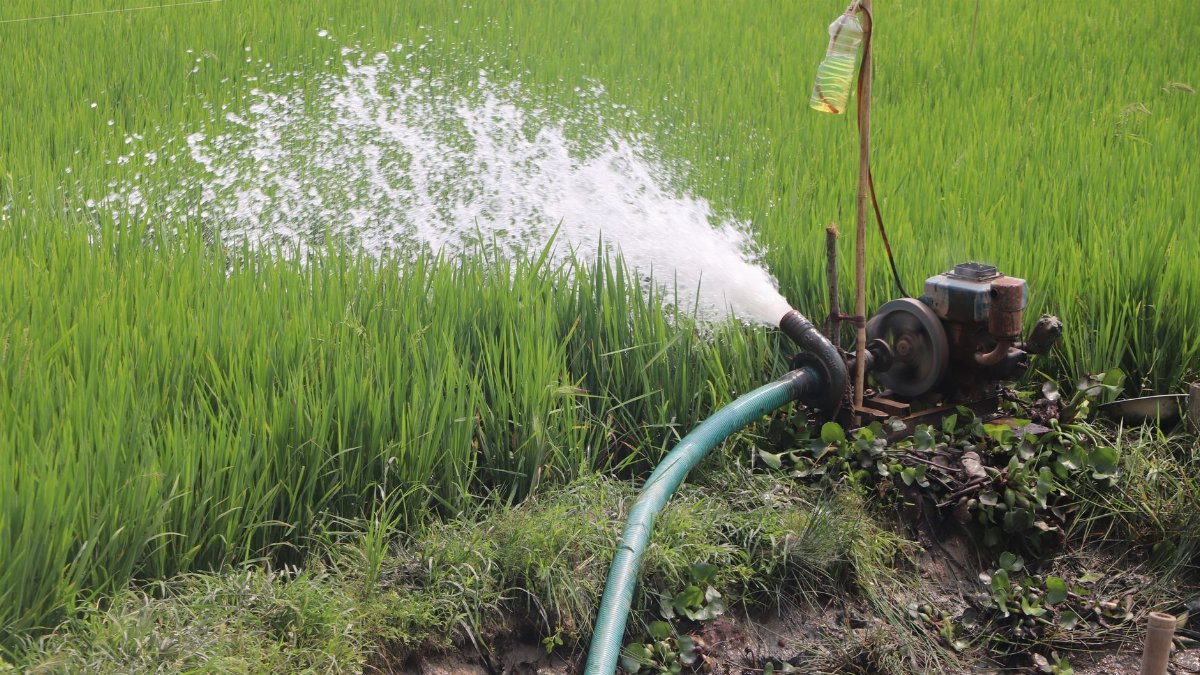
Farmers have watched fields parch under repeated heat waves this summer. The arrival of Minnesota Monday storms offers a chance to replenish reservoirs and ease irrigation demands. Local extension agents note that even moderate rains can help stabilize yields if they arrive before critical growth stages pass.
Community Preparations and Safety Measures

Emergency managers urged residents to secure outdoor items and review drainage around homes. Power companies readied crews for possible outages tied to lightning and gusty winds. Public alerts stressed the importance of avoiding low lying roads once downpours begin.
Historical Context for Late Summer Storms

Records show that early September has occasionally delivered beneficial rains to the state after dry spells. Similar events in past decades helped break drought cycles and supported fall planting. Analysts compare current conditions to those earlier episodes to gauge potential relief levels.
Broader Climate Trends at Play
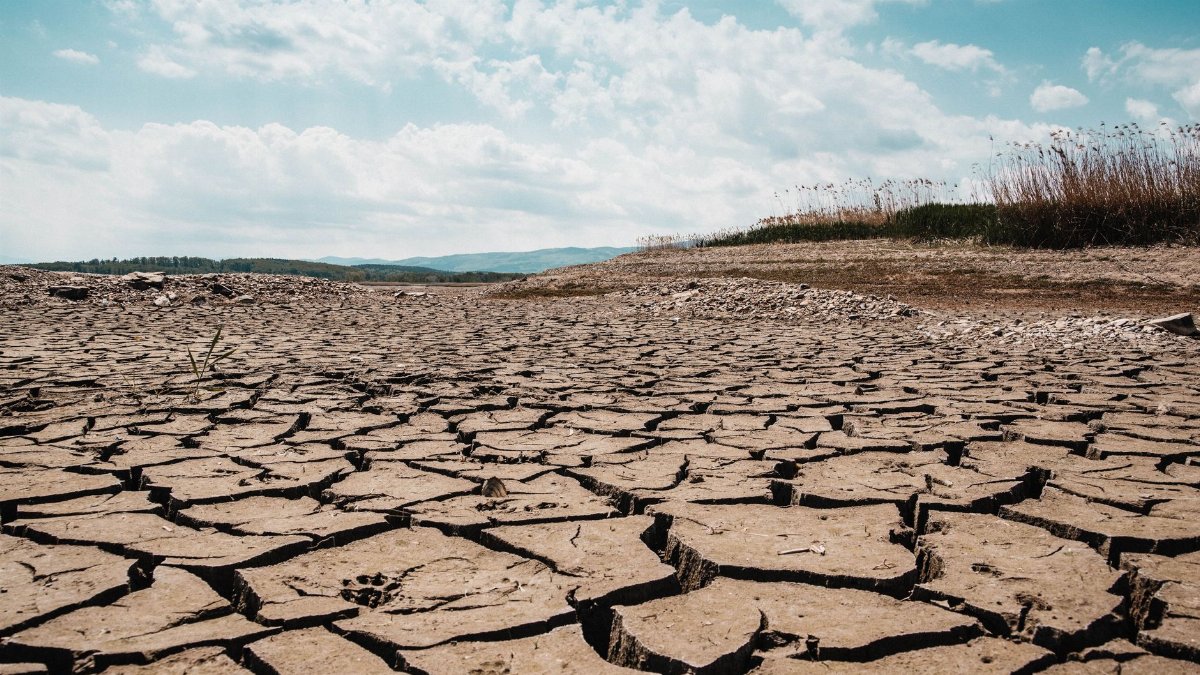
Scientists point to shifting jet stream positions that influence storm tracks over the northern plains. While one event cannot redefine long term patterns, repeated moisture inputs like the Minnesota Monday storms can accumulate into seasonal improvements. Ongoing monitoring remains essential for water resource planning.
Expert Perspectives on Forecast Accuracy

Meteorologists with decades of regional experience stress the challenges of pinpointing exact rainfall amounts from slow moving systems. They recommend checking updated bulletins as the Minnesota Monday storms approach and evolve overnight. Public communication focuses on ranges rather than single numbers to reflect uncertainty.
Travel and Outdoor Activity Adjustments

Highway departments prepared signage for wet pavement and reduced visibility. Campgrounds advised visitors about lightning safety protocols during evening hours. Many families shifted holiday extensions indoors or delayed returns until clearer conditions prevail.
Economic Ripple Effects Across the State

Retailers selling rain gear and generators reported upticks in demand ahead of the system. Insurance adjusters reviewed policies for storm related claims. Agricultural economists weighed how timely moisture might influence commodity markets in coming weeks.