

In a move that has captured attention among voting rights observers nationwide, Minnesota officials filed suit against federal authorities this week to block what they describe as overly restrictive rules on how states manage mailed voting materials. The complaint centers on new eligibility checks and delivery standards that could upend established practices in several states including this one. Observers note the case arrives amid broader debates about access and security in American elections. Minnesota mail ballots play a central role in the dispute because the state has long relied on them to serve rural residents and those with limited mobility.
Origins of the Federal Guidelines

The rules in question emerged from recent directives aimed at tightening verification steps before ballots reach voters. State attorneys general contend these steps exceed the scope of existing statutes and place heavy administrative burdens on local election offices. Minnesota leaders describe the changes as an intrusion into areas traditionally handled at the state level.
Core Arguments Presented by Minnesota
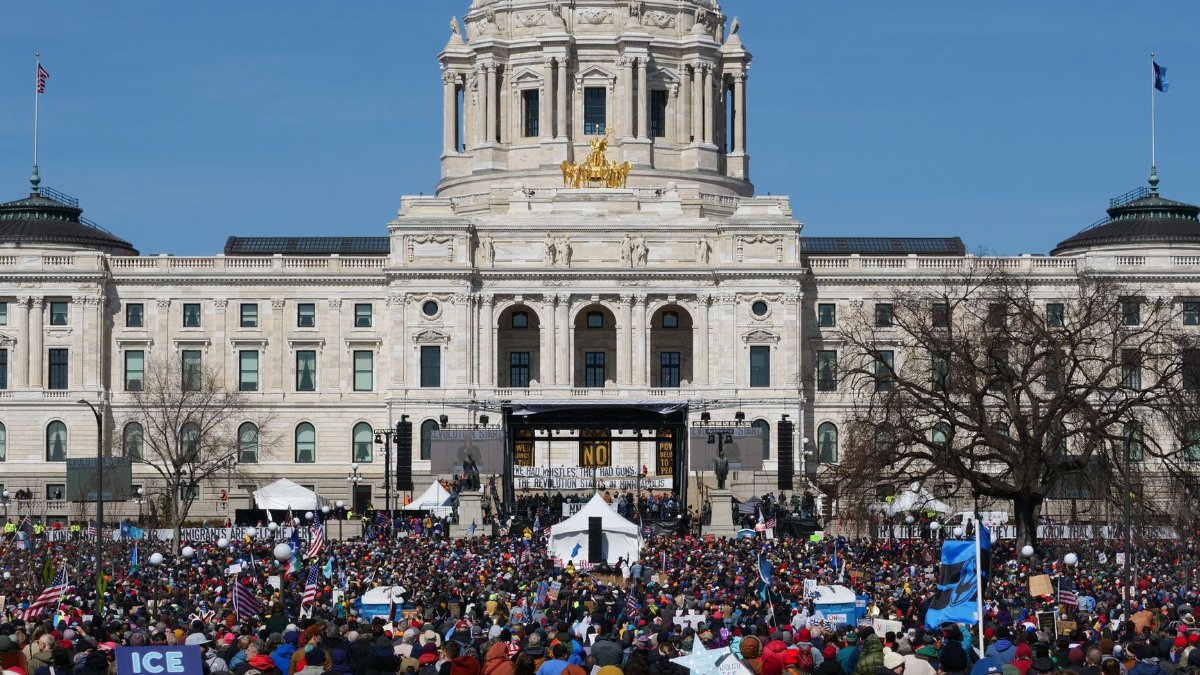
State lawyers emphasize that Minnesota mail ballots already undergo multiple layers of review under local law. They argue additional federal layers would delay delivery and increase rejection rates without improving accuracy. The filing includes affidavits from county officials who warn of staff shortages if new procedures take effect.
Impact on Rural and Senior Voters

Many communities in greater Minnesota depend on mailed ballots because polling places sit far apart and transportation options remain limited. Seniors in particular have used this option at high rates in recent cycles. The lawsuit claims the proposed restrictions would hit these groups hardest by complicating the simple process they have come to trust.
Responses from Federal Officials
Administration representatives defend the guidelines as necessary safeguards against fraud and ineligible voting. They point to past instances in other states where incomplete records raised questions about ballot validity. Supporters say uniform standards across the country would reduce confusion and strengthen public confidence overall.
Legal Precedents and Court Outlook
Similar disputes have reached federal benches before with mixed results. Courts have sometimes sided with states when rules appeared to alter long standing practices without clear congressional approval. Analysts expect this case to test the boundaries of agency authority in election matters once more.
Broader Effects on State Election Systems
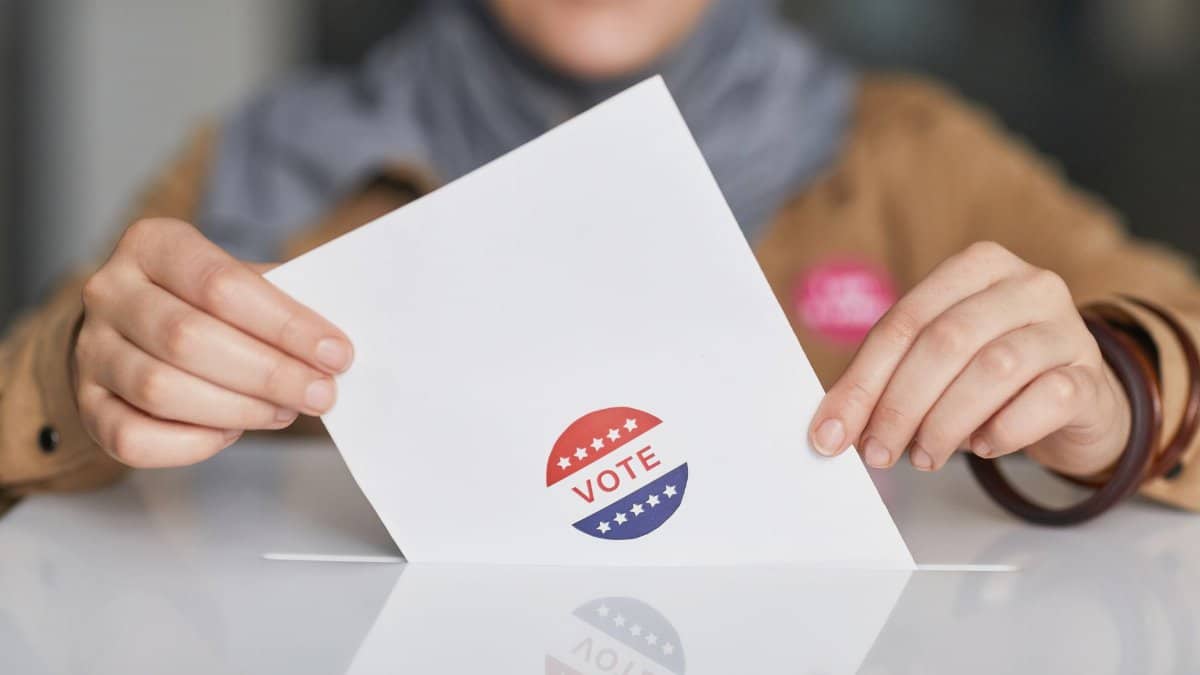
If Minnesota prevails, other states may follow with their own challenges and create a patchwork of compliance rules. Election administrators across the Midwest already exchange best practices on mailed ballot handling. A favorable ruling could preserve flexibility that many local clerks say they need to serve all residents effectively.
Public Reaction and Political Context
Voter surveys in Minnesota show strong support for continued access to mail options alongside in person voting. Advocacy groups on both sides have begun mobilizing around the lawsuit. The case also surfaces during a period of heightened national focus on how ballots move from printing presses to counting centers.
Next Steps in the Judicial Process

The complaint seeks an injunction to halt enforcement of the new rules pending full review. Hearings could begin within weeks and might draw testimony from election directors in multiple counties. Legal teams on each side continue to gather data on processing times and rejection patterns under current systems.