
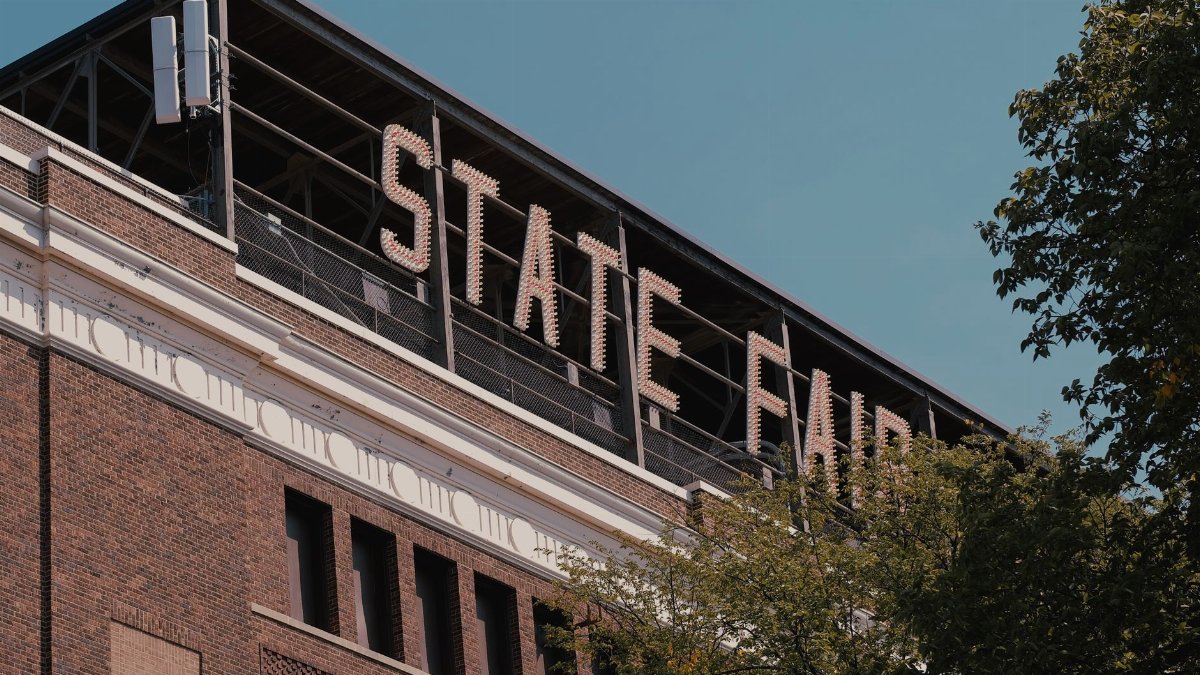
In the rolling fields of the upper Midwest, where harvest seasons shape both livelihoods and local traditions, farmers and artists alike have turned humble grains into striking visual statements. This practice reached new visibility when Minnesota crop art Trump fair arrived in the capital as part of a broader agricultural showcase meant to bridge regional differences. Organizers hoped the display would draw attention to soil health, seed varieties and rural economies without stirring debate. The pieces, formed from corn husks, wheat stalks and soybean pods, stood as quiet reminders of how food production connects distant parts of the country. Viewers wandered past the installations during evening hours, pausing to consider the labor behind each element.
Roots of Crop Based Expression

Minnesota holds a long standing place in the history of using farm materials for public art. Families have passed down techniques for shaping maize and grasses into portraits and scenes that reflect yearly cycles. These works appear each summer at county gatherings before traveling farther. Their presence at larger events allows rural perspectives to reach urban audiences who may rarely visit working farms. The method requires patience, since materials shift with humidity and light, demanding constant adjustments during display periods.
Planning the Capital Showcase
State agriculture staff selected pieces that emphasized shared values such as stewardship of land and innovation in growing practices. They worked with fair coordinators to secure space near other regional exhibits. Transportation involved careful wrapping to protect delicate arrangements during the journey east. Once installed, the art drew steady foot traffic from policy makers and families alike, many of whom stopped to read small placards explaining the crops used.
Agriculture Beyond Partisan Lines
Leaders in Saint Paul stressed that farm output supports every congressional district regardless of voting patterns. By sending crop art rather than policy papers, they aimed to start conversations about subsidies, trade and conservation on neutral ground. Attendees noted how the organic textures invited questions about weather impacts and equipment costs instead of immediate arguments. This approach mirrors earlier efforts where states used quilts or photography to humanize economic data.
Materials and Craft Techniques
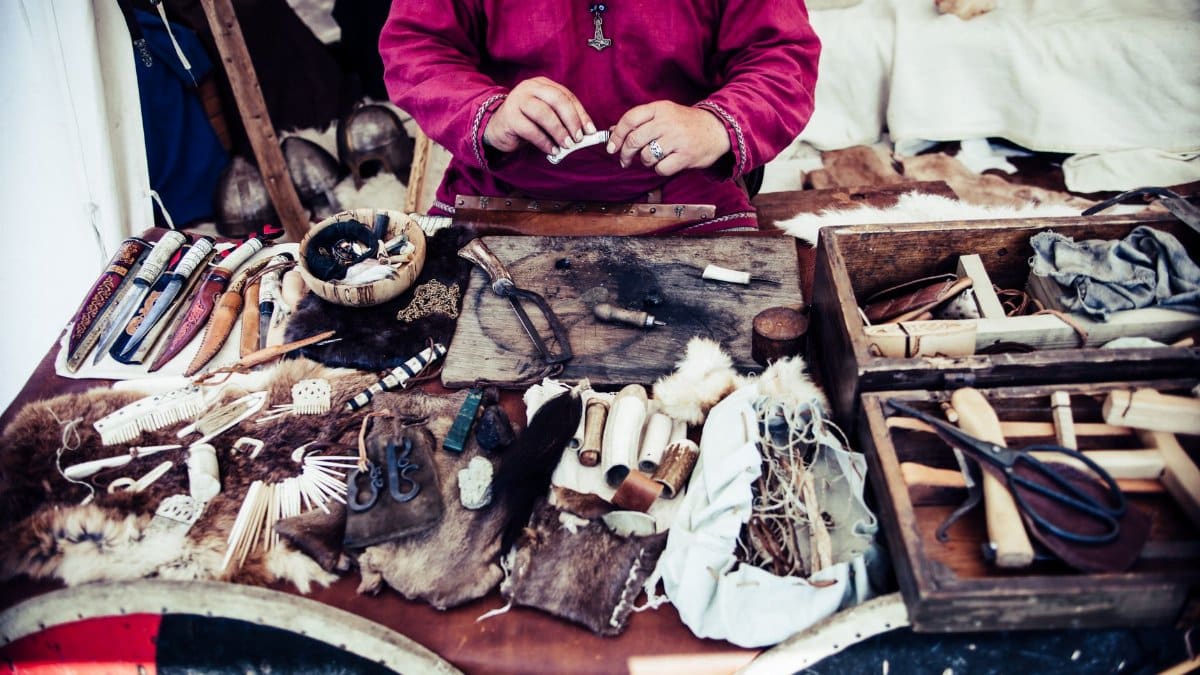
Artists begin with large plywood bases coated in adhesive mixtures made from natural binders. They sort kernels by color and size, then press them into patterns that hold through weeks of exposure. Some sections incorporate dried flowers or leaves for contrast. Volunteers from 4 H clubs often assist during assembly, learning both artistic and agricultural skills in the process. The finished panels weigh several hundred pounds yet remain light enough for two people to maneuver.
Visitor Reactions at the Event
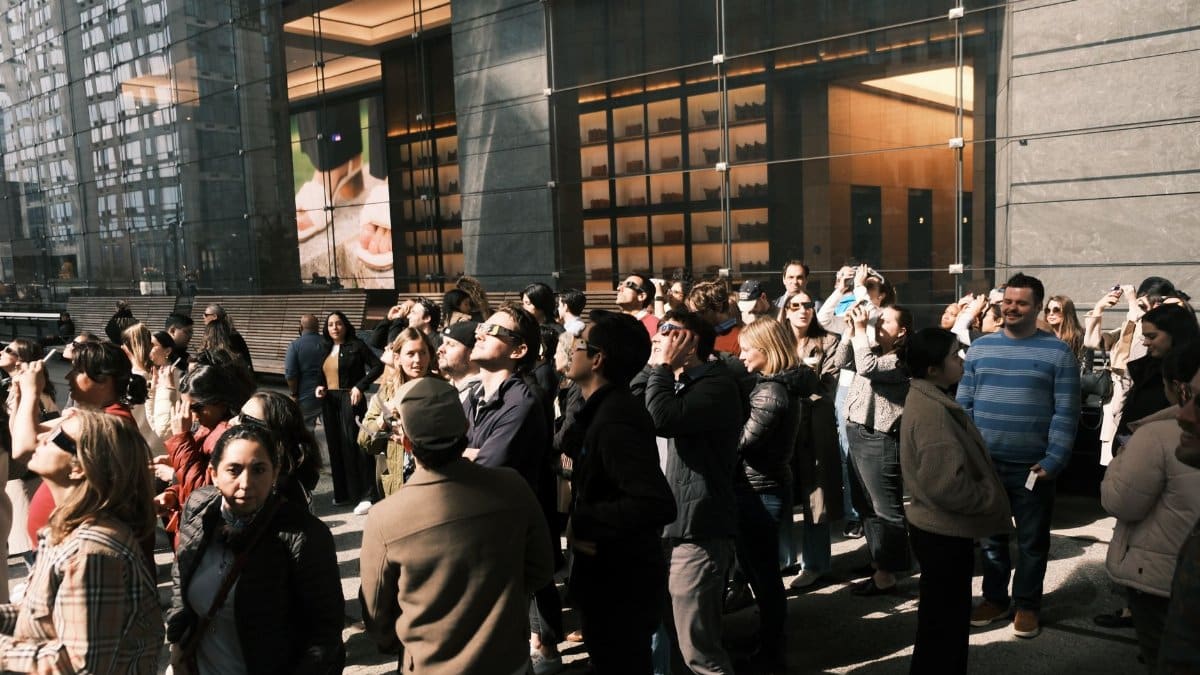
Many who paused before the Minnesota display remarked on the surprising detail achievable with such simple elements. Children pointed out recognizable shapes while adults discussed commodity prices. Photographers captured images for social media, spreading awareness of the fair beyond its physical site. A few attendees from other states asked about replicating the style at their own gatherings, prompting informal exchanges of tips on preservation methods.
Broader Impact on Rural Visibility
Events like this one give agriculture a presence in settings dominated by technology and finance discussions. They remind decision makers that fields and barns underpin national food security. When crop art travels, it carries stories of drought resistance and new seed strains that might otherwise stay local. Organizers measure success not in sales but in follow up inquiries from schools and community groups seeking similar projects.
Future of Farm Inspired Displays
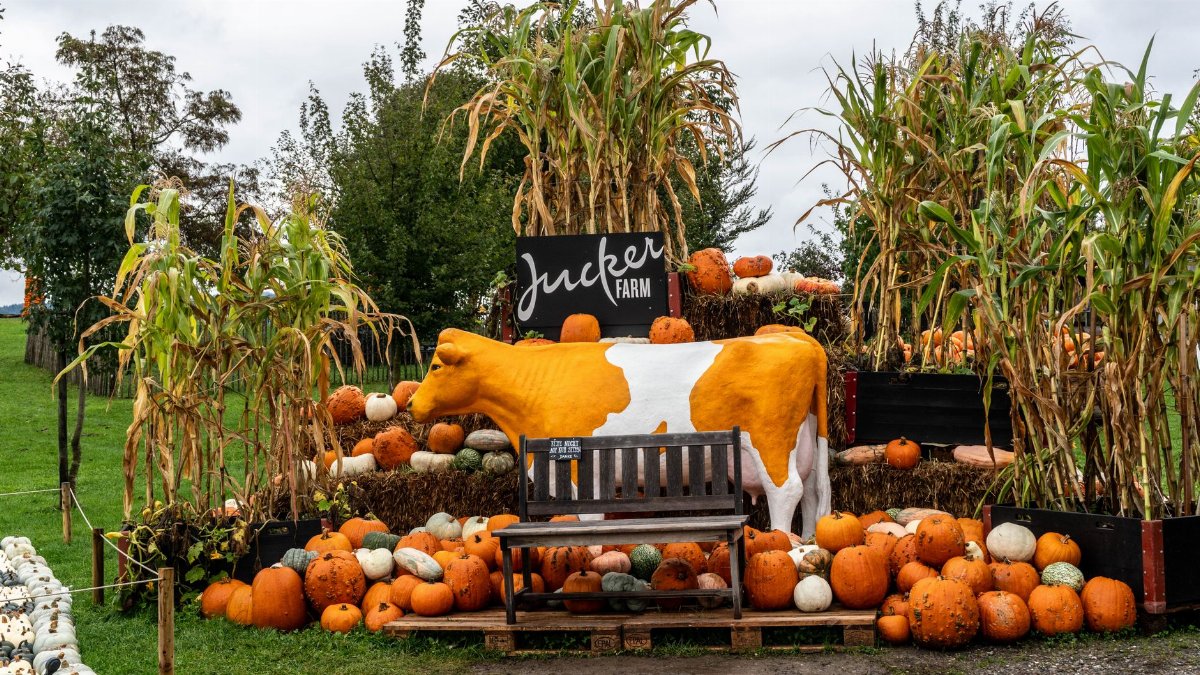
Next seasons may see expansions that include interactive stations where visitors try basic assembly methods. Partnerships with universities could introduce data visualizations rendered in grain. The core goal remains unchanged: letting the land speak through form and texture. Minnesota crop art Trump fair demonstrated that such work travels well and resonates across regions when politics stay at the edges.