
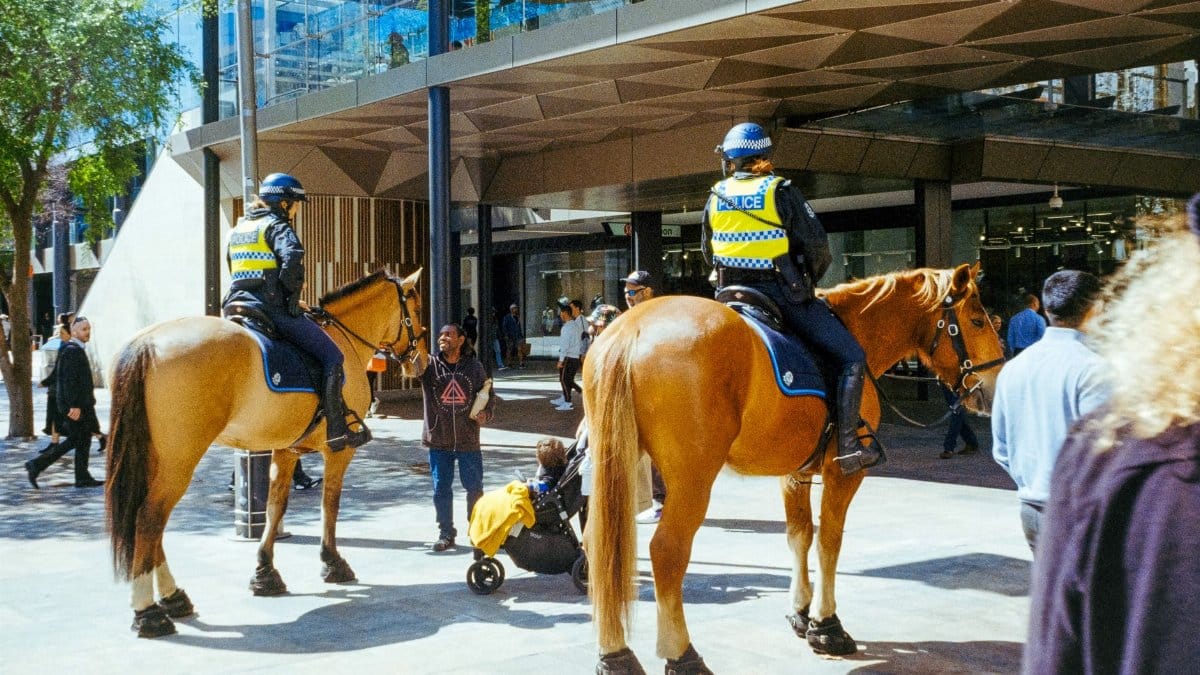
On a cold morning along Nicollet Mall, the sound that once announced a police presence was not a siren but the measured clip of hooves on pavement. For years that sound belonged to the Minneapolis mounted police, a small unit whose riders sat high above traffic and festival crowds. The city has now ended the unit after budget cuts and an expired barn lease, closing what had been the last horseback police detail in Minnesota. The decision arrived without a parade. It arrived as paperwork, the unglamorous instruments by which cities retire traditions that still feel alive to the people who saw them.
The sound above the sidewalk
A mounted officer sees a block the way a person on a balcony sees a room. From the saddle, a rider can spot a lost child, a fight starting at the edge of a crowd, or a driver about to turn into a parade route. Pedestrians look up. Some wave. Some complain. Almost everyone notices. That notice was the point. In a city where trust in policing has been strained for years, the horses offered a form of contact that did not begin with a flashing light. What is clear is that the unit occupied a narrow space between ceremony and street work, and the city has decided that space is no longer worth the cost.
Visibility that a cruiser cannot match
Commanders who have worked with horses describe a practical advantage that sounds almost old fashioned until you watch a packed street. A cruiser cannot thread a festival. An officer on foot disappears into shoulders and signs. A horse creates a moving lane. People step aside. The rider can speak down to someone without looming in the way a standing confrontation sometimes does, though the size of the animal is its own kind of pressure. Departments have long used that pressure for crowd management at concerts, sports celebrations, and protests. Critics answer that a horse in a tense crowd can also injure people, startle drivers, and turn a demonstration into a spectacle. Both claims can be true. Minneapolis decided the advantage no longer cleared the bill.
A barn lease with an end date
The least romantic fact in the story may be the most decisive. Horses need a home that is not a precinct garage. They need stalls, footing, feed storage, a place to recover after a long shift, and people who know when a limp is ordinary and when it is an emergency. Minneapolis had that home under a lease. When the lease expired, the city faced a choice that every renter eventually faces: renew, move, or leave. Renewal would have meant finding money and a willing property partner at a moment when the department was already cutting. Leaving meant the Minneapolis mounted police would cease to exist as a working unit, not because the horses failed, but because the building around them did.
Budget cuts and a thinner roster

Police budgets are moral arguments disguised as spreadsheets. A line for hay and farriers looks easy to strike beside a line for investigators or 911 response. Mounted work also consumes sworn officers who could be assigned to patrol cars. In a department that has struggled to fill shifts, that trade is not abstract. Every rider in a saddle is an officer not answering a call in a neighborhood that wants faster arrival times. The council and the department, faced with cuts, chose the measurable shortage over the symbolic presence.
The last horseback unit in Minnesota
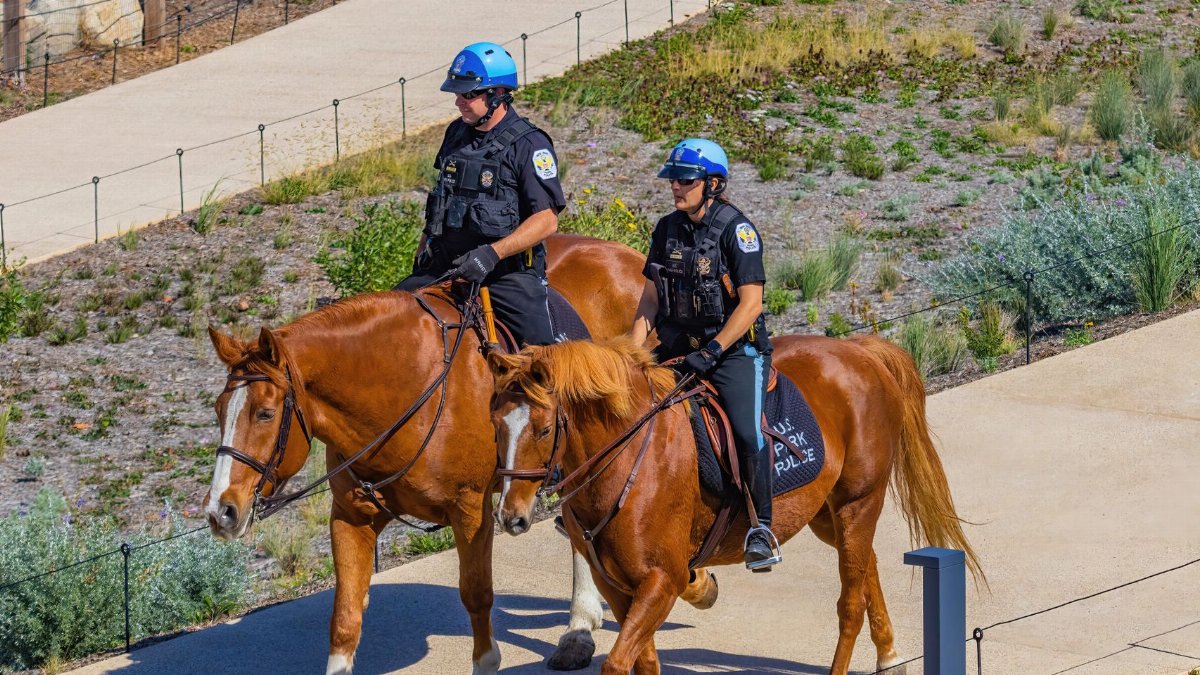
When Minneapolis stopped, the state stopped with it. The Minneapolis mounted police had been the last horseback unit in Minnesota, a fact that turns a local budget item into a small historical marker. Other agencies had already parked their saddles. State fairs and parades may still hire private riders or borrow animals for ceremony, but ceremony is not patrol. Patrol means weather, traffic, unpredictable people, and a horse trained to tolerate all of it without bolting. Losing the last unit means losing the trainers, the habits, and the institutional memory that make that work possible. Restarting later would not be a matter of buying tack. It would mean rebuilding a culture that took years to settle. Cities rarely rebuild what they have allowed to lapse, even when they miss it.
What other cities chose

Across the country the pattern is uneven. Some large departments still field mounted patrols in parks and tourist districts, arguing that the public relations value and the crowd advantage justify the stables. Others have folded units during hiring crises, then discovered that the horses, once sold or retired, do not return when the budget improves. The national picture is not a single verdict on whether mounted policing works. It is a record of what cities protect when money tightens. Minneapolis now sits with the cities that let the romance go.
Horses are not equipment
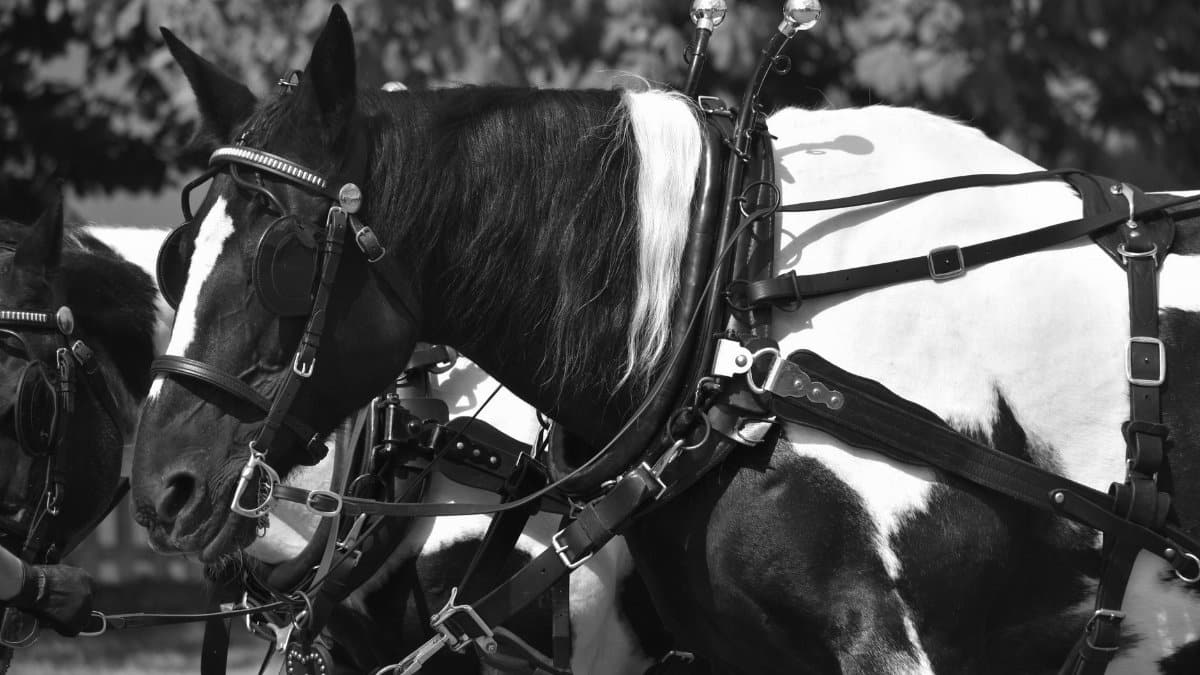
A cruiser can sit in a lot. A horse cannot. The end of a mounted unit is an animal welfare question as much as a staffing question. Horses bonded to a routine, to particular riders, and to the noise of a city do not simply become lawn ornaments. Responsible closures place them in retirement homes, with former handlers, or with new riders who understand police trained animals. Those animals may be calm in crowds and anxious in a quiet pasture, or the reverse. The longer work is feeding, veterinary care, and the patience required to undo a working life. A city that prides itself on humane policy owes that patience even when the unit is gone. The lease can expire. The duty to the animals should not.
Neighbors who noticed the absence
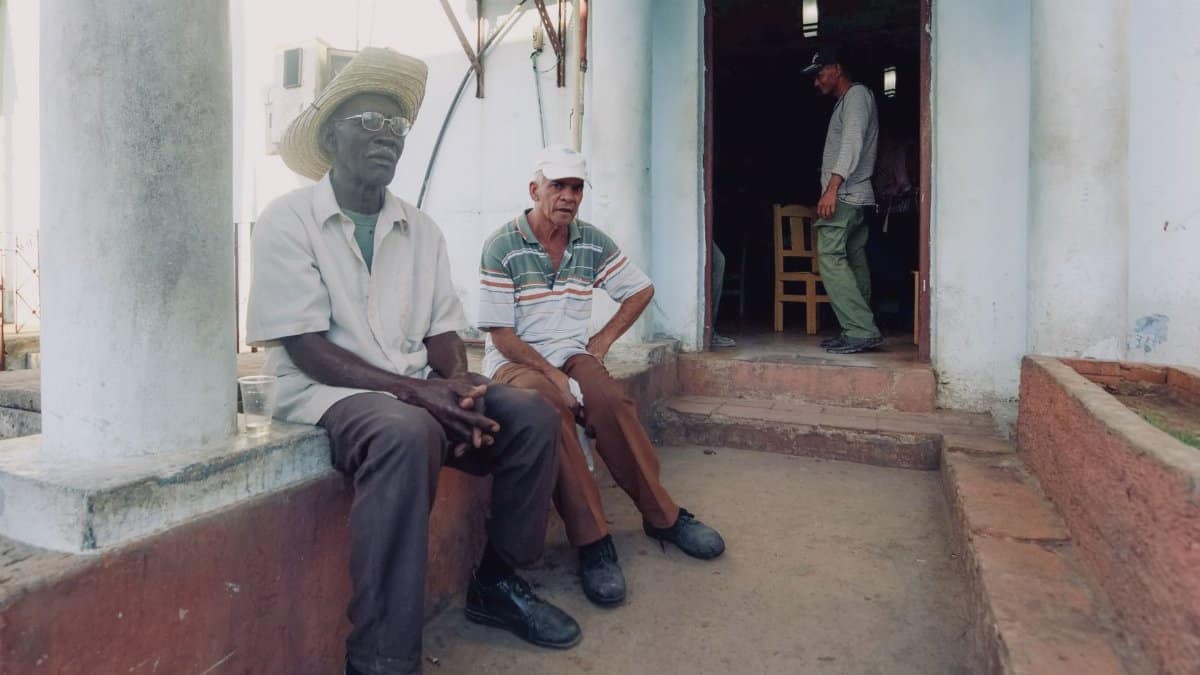
Ask around downtown and you will not hear a single verdict. Some residents liked the Minneapolis mounted police because the riders seemed approachable, especially to children who wanted to touch a nose and ask the horse’s name. Some business owners liked the height, the sense that someone was watching a chaotic corner without parking a squadron of cars. Others never trusted the image. To them the horses were pageantry laid over a department still answering for harm, and pageantry is not accountability. Both reactions can live on the same block. The ending, because it was quiet, denied the city a fuller argument. A hearing can be messy. It can also tell officials which losses people will actually feel. A lease expiration tells them only that a contract ran out.
Patrol after the pasture
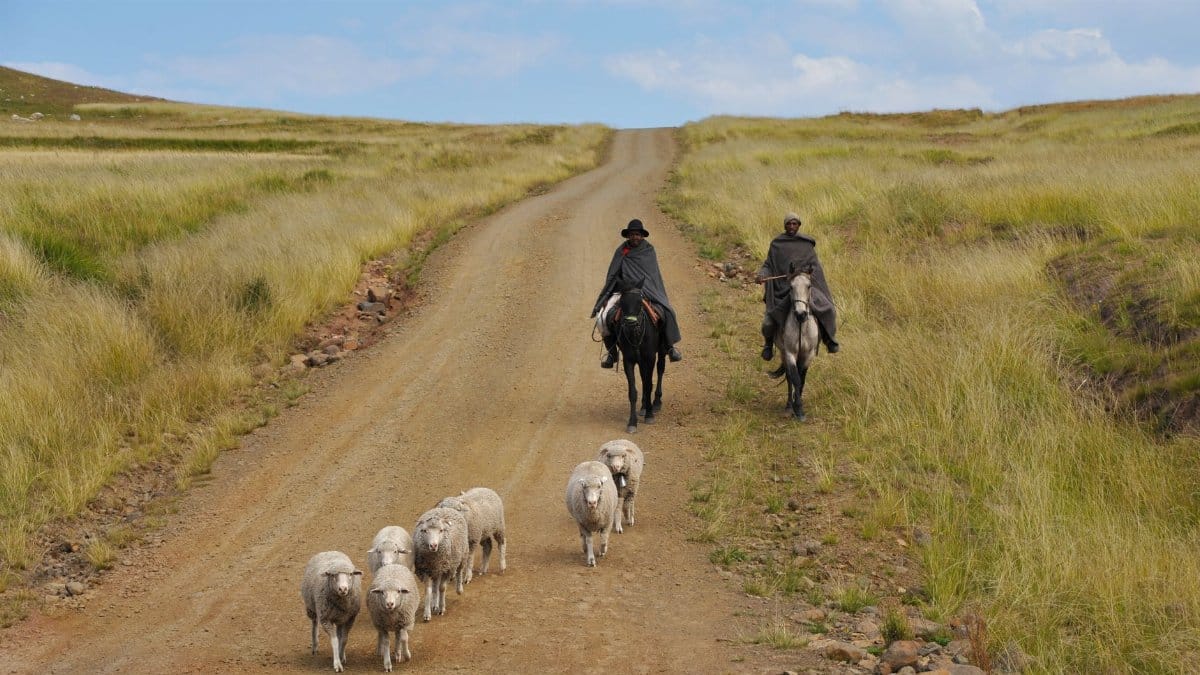
The work the horses did does not vanish with them. Crowds still gather. Parks still need a presence that is visible without being an occupying force, if such a presence can be designed at all. Foot patrols, bicycle officers, and community engagement assignments are the usual substitutes, and each has virtues the saddle lacked. A bicycle can go where a horse should not. An officer walking a beat can stay longer with a shopkeeper. The department will be judged on response, on conduct, and on whether neighborhoods believe a call will be met with competence and restraint.
What a city keeps when it lets something go

There is a spiritual habit in public life of marking endings so that people know what changed. We do this with schools, with congregations, with corner stores that anchored a block. We do it less often with government units that leave by spreadsheet. I keep thinking about the pasture in the old phrase, not as a joke but as a picture of rest after labor. The horses, if they are lucky, get that rest. The city gets a smaller bill and a cleaner org chart. What it may not get is a shared memory of why the unit mattered to those who welcomed it and why it failed those who did not.
The Minneapolis mounted police are gone, and Minnesota has no horseback patrol left to point to. A city reveals itself in what it allows to become quiet.