
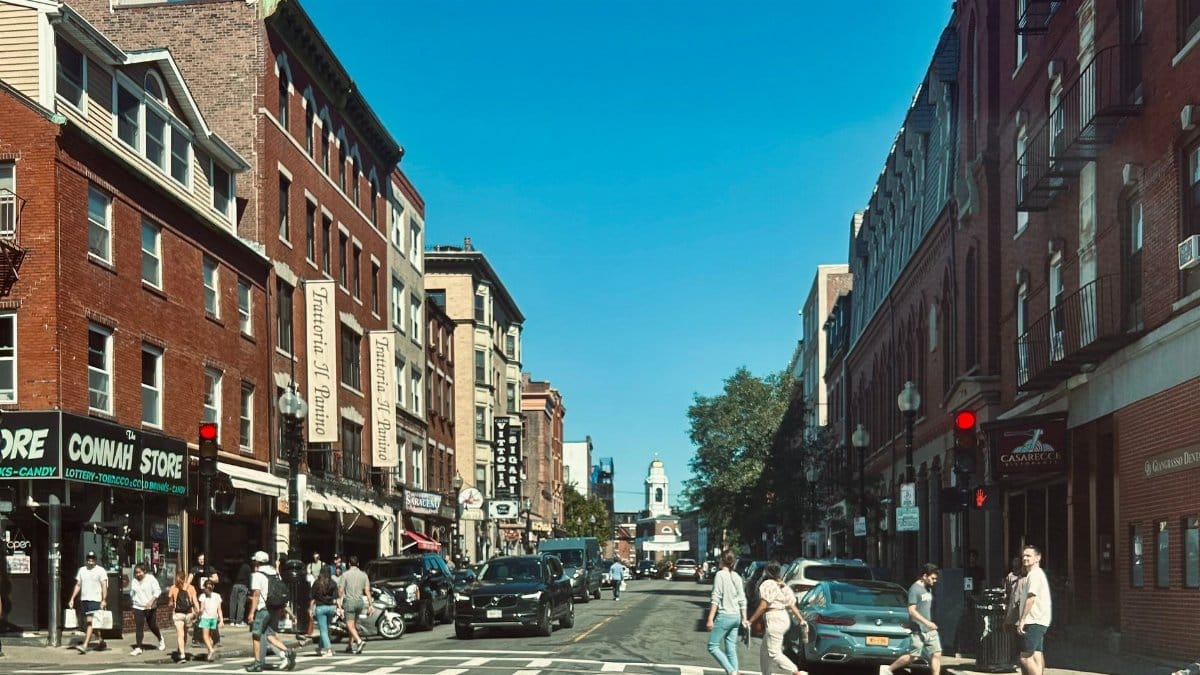
The city rarely offers a single plan. It offers overlapping noise: a drum line on one corner, a sound check down the block, a comic trying a line that may not survive the late show. Anyone sorting Boston weekend things to do is really choosing a pace. This Saturday stacks a free street festival in South Boston against Berklee College of Music’s first homecoming block party, with Laugh Boston waiting after dark for people who still want to sit, listen, and laugh.
A Saturday that begins in the street
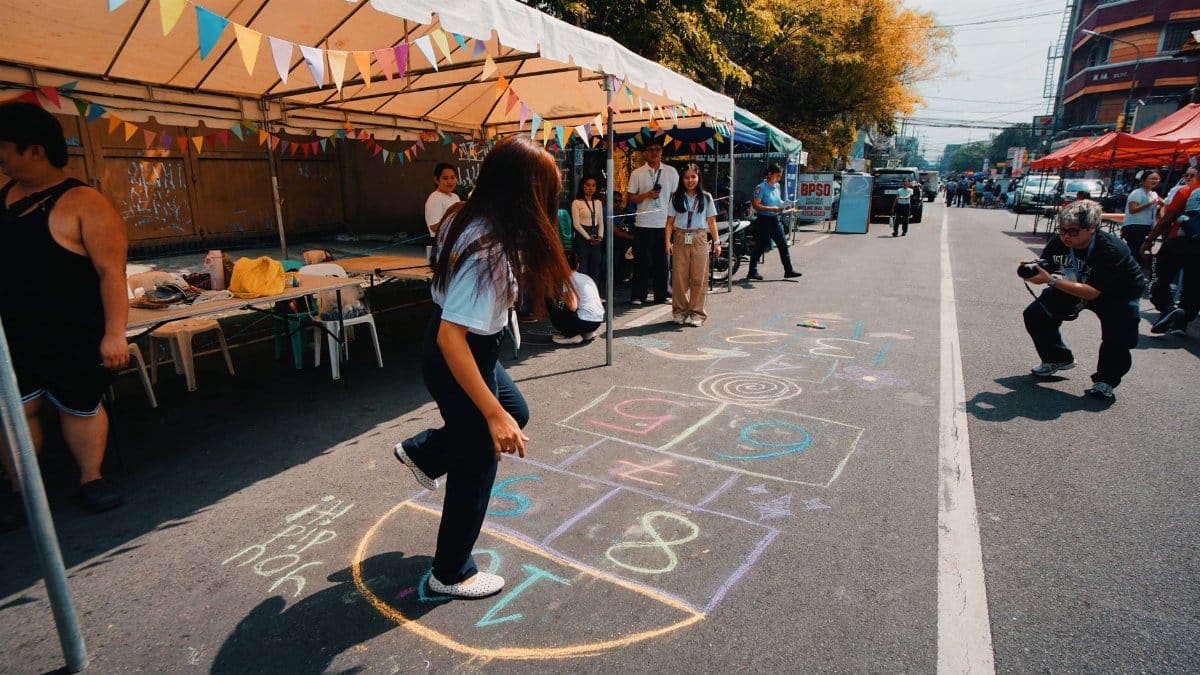
South Boston has a talent for turning an ordinary block into a temporary town square. A free street festival does that without a velvet rope. Neighbors walk over. Visitors arrive by train or on foot and stay because the next table, the next band, or the next conversation is only a few steps away. The appeal is not novelty for its own sake. It is the rare civic pleasure of being in public without having to buy a ticket first.
Festivals of this kind succeed when they feel local rather than imported. Food vendors matter, but so do the faces behind the tables: youth sports groups, parish raffles, school bands, small businesses that already know the zip code. A good street fair is a census you can hear. You learn who lives nearby by what they are willing to stand in line for, and by which song makes a whole block sing along.
What a free festival actually asks of you
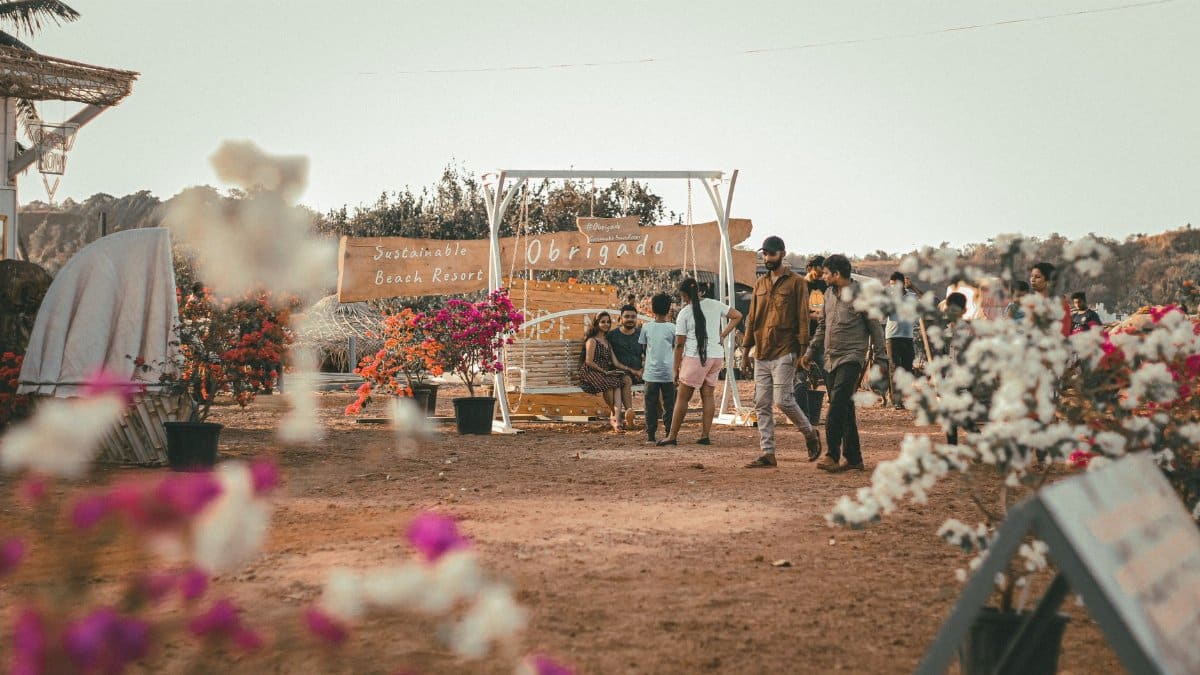
Free does not mean effortless. Street festivals reward people who arrive with a loose plan and a little patience. Crowds thicken near the stage and thin out a block away. Restrooms are never where you want them. The sun on a clear September afternoon can feel sharper than the forecast suggested. None of that ruins the day if you treat the event as a walk with interruptions, not a performance you must watch from the first note to the last.
Bring cash as well as a card. Wear shoes you can stand in. If you are meeting friends, pick a landmark that is not the main stage, because the main stage is where every text message goes to die. These are small habits, and they are the difference between a festival you remember and a festival you merely survive.
Berklee opens a homecoming to the block
Across town, Berklee’s first homecoming block party marks a different kind of gathering. A music college is always a little louder than its neighbors, but a homecoming makes that fact official. Alumni return with stories about practice rooms, late rehearsals, and the first gig that paid in pizza. Current students get a glimpse of the life they are rehearsing for. The public, if the party is truly on the block, gets something rarer: a chance to hear a campus without buying a concert series subscription.
Boston has no shortage of polished rooms. Symphony Hall, club stages, and theater balconies all do their jobs. A block party does another job. It puts music back in the weather. Horns compete with traffic. A vocalist has to win a sidewalk, not just a microphone. That friction is part of the pleasure. It reminds you that this city still trains players who expect to earn a crowd, not merely inherit one.
Why a music school party belongs on a civic calendar
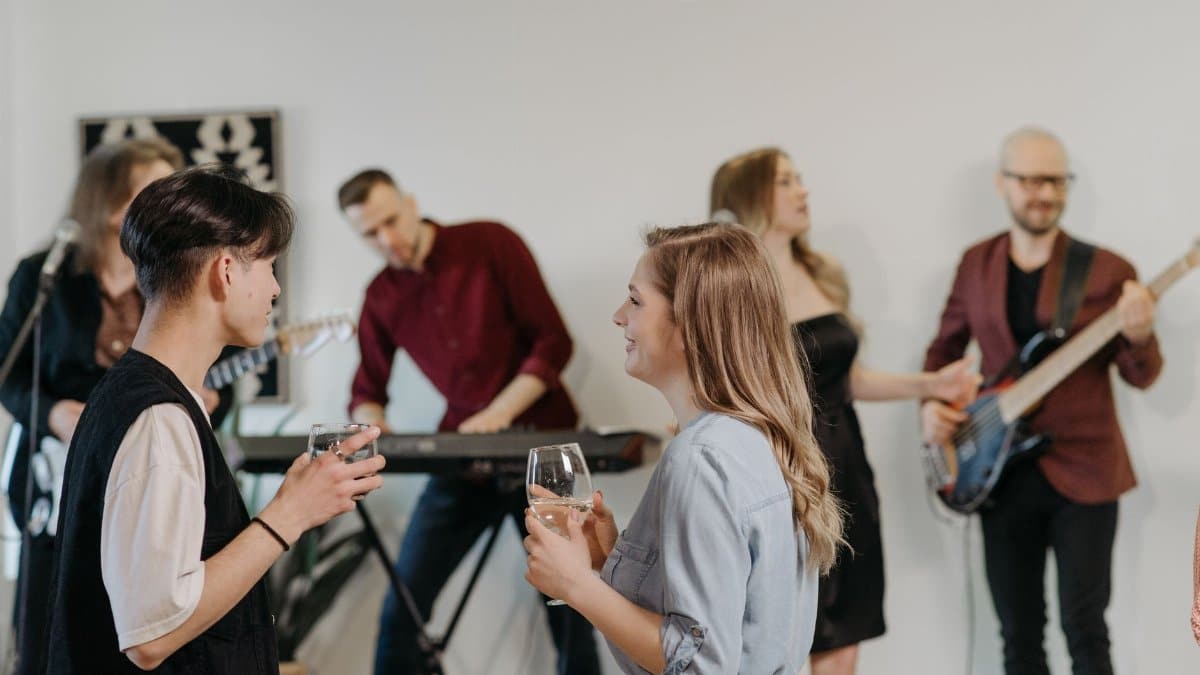
Homecoming can sound like an insider ritual, and some of it is. Class years cluster. Faculty get hugged by people they have not seen since a jury exam. Yet the first version of a block party has a public stake. Berklee is not a sealed campus on a hill. It sits inside a neighborhood that already lives with amplifiers, instrument cases, and students hauling gear at odd hours. Opening the celebration outward is a way of saying the noise has a purpose.
For anyone building Boston weekend things to do around more than shopping and brunch, a college party is a useful correction. It is not only nostalgia. It is a working demonstration of how a city keeps a craft alive: practice, reunion, and a street willing to listen for an afternoon.
Laugh Boston after the sun goes down
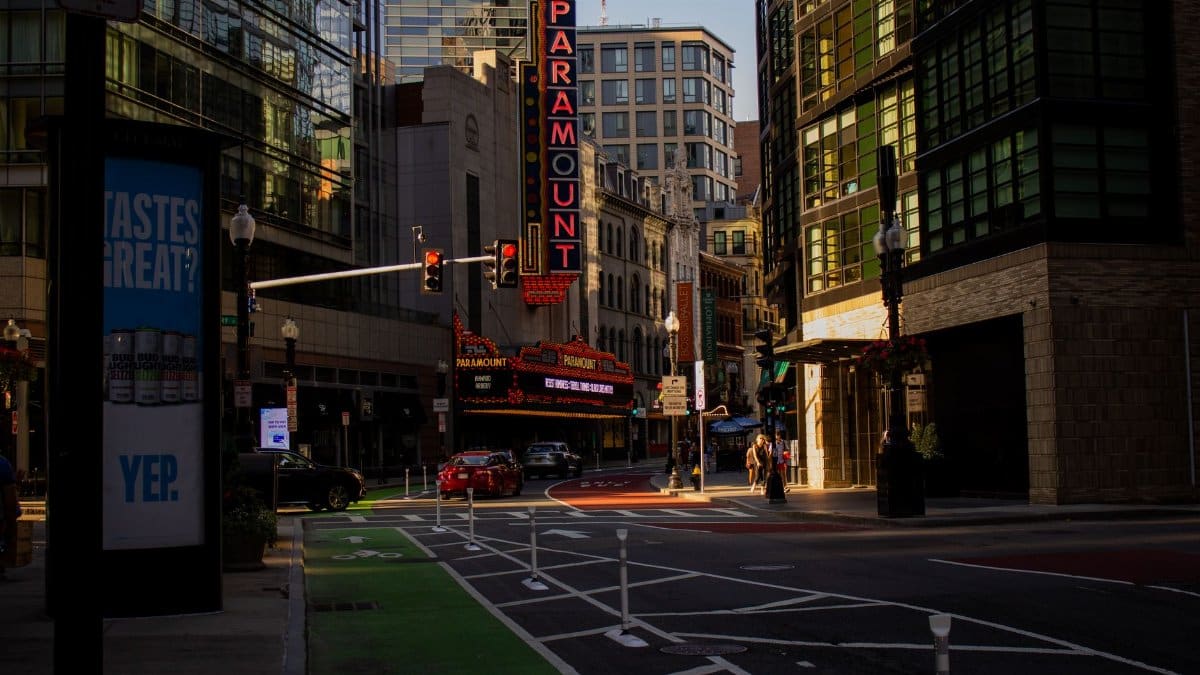
By evening the body wants a chair. Laugh Boston, the comedy club at the Westin in the Seaport, is built for that shift. Street festivals and block parties ask you to stand, drift, and negotiate personal space. A comedy room asks you to commit. You sit. The lights change. A stranger with a microphone tries to make a room of strangers agree, for a few minutes at a time, about what is absurd.
That agreement is fragile, which is why live comedy still matters in a city full of screens. A joke that lands in a club has to survive coughs, late arrivals, and the particular Boston habit of treating skepticism as a love language. A joke that fails is public in a way a bad video never is. The comic adjusts. The room decides whether to come along. You can feel the decision happen.
If the festival was the afternoon’s wide shot, the club is the close up. It is also a practical finale. You are indoors. You have a start time. You leave with a story that is easier to retell than “we walked around and ate something fried,” even when the fried thing was excellent.
How to stack three plans without wrecking the day

The mistake is treating every option as mandatory. South Boston in the early afternoon, a Berklee block party while the light is still good, and a comedy set after dinner is possible on a map and punishing in real life. Transit, food lines, and the simple fact of standing will collect a tax. Choose two anchors and let the third be a bonus.
A clean version looks like this. Give the street festival the middle of the day, when free events feel most generous. If the Berklee party overlaps, pick the hour you care about most, hear it, and leave before you are negotiating with your own feet. Keep Laugh Boston as the evening commitment, and eat before you sit down so hunger does not become part of the act. Among Boston weekend things to do, the ones that work are the ones that leave a margin for getting lost, which in this city is not a metaphor. It is a wrong turn near a highway ramp.
Food, trains, and the unglamorous decisions

Boston weekends are often won or lost in the boring half hour before you leave the house. Look at the T. Look at the walk between stops. Look at whether your group includes a child, an older parent, or someone who cannot stand for two hours without a plan. South Boston festival crowds and Seaport evening crowds do not move at the same speed. Neither does a block party near a music campus, where students and alumni may fill sidewalks that commuters think they own.
Eat something that is not only festival food if you can. A sausage and a lemonade are a mood, not a meal. A sit down plate between events resets the day. So does water. So does an agreement, made in advance, about when the group is allowed to split up. Nothing empties a good plan faster than six adults trying to share one timeline and one appetite.
Sunday as the second act
A strong Saturday does not require a matching Sunday. The better follow up is quieter and closer to home, or at least closer to a bench. The Public Garden, the harbor walk, a late breakfast in a neighborhood you already like: these are not consolation prizes. They are how a weekend stays human. Museums work too, if you go early and leave before the rooms feel like a queue with paintings.
Readers looking for Boston weekend things to do sometimes collect events the way other people collect tabs, until the list itself becomes the exhaustion. Sunday is the correction. One walk. One long meal. One conversation that is not shouted over a speaker. The city is still there. You do not have to attend all of it to prove you live near it.
Crowds, attention, and what people are actually seeking
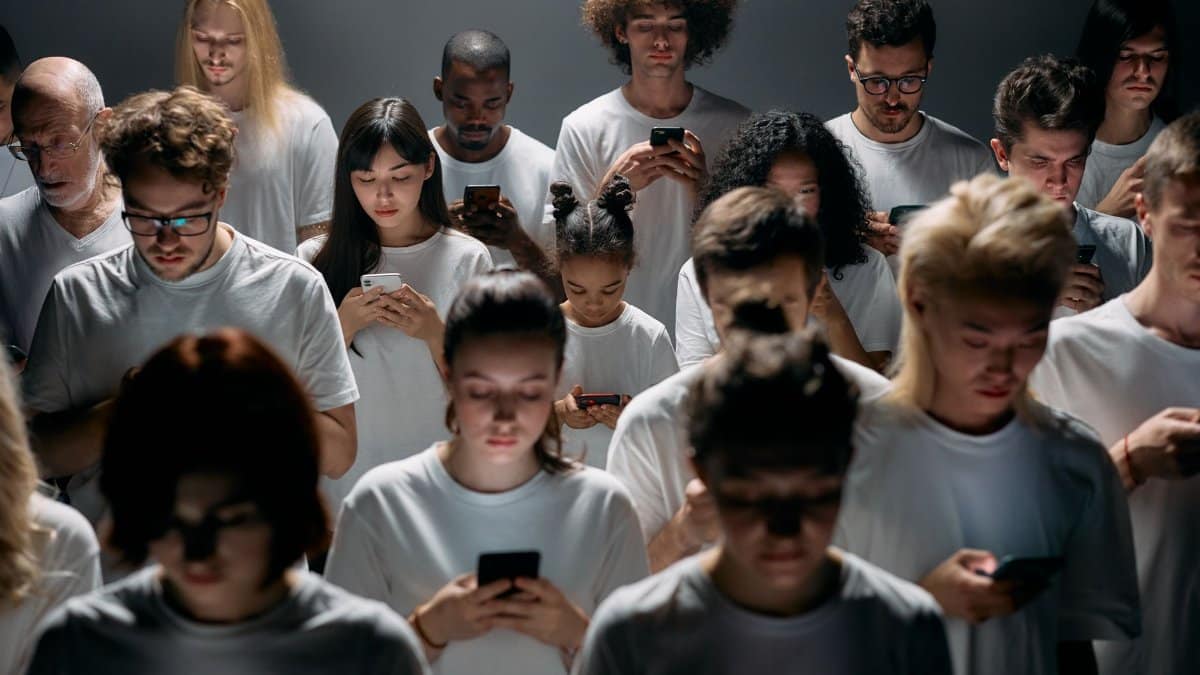
There is a reason street festivals, alumni parties, and comedy clubs keep filling up even when staying home is easier. People want witnesses. They want to be in a place where other people have also decided that this hour matters. That hunger is not shallow. In a culture that keeps offering private screens as a substitute for company, a shared afternoon is a modest form of devotion: to a neighborhood, to a school, to the difficult art of laughing in public.
You do not need a sermon to notice it. Watch who lingers after a band finishes. Watch alumni introduce students to old friends. Watch a comedy room go quiet before a punch line, a hundred strangers briefly on the same side. Those are small civic facts. They do not fix a city. They do remind you that a weekend can be more than consumption.
A practical close for a crowded Saturday
If you go, go on purpose. Give South Boston the unhurried part of the day, when a free festival can still feel like a gift. Treat Berklee’s homecoming block party as a chance to hear a campus meet its street, not as another box to tick. Save Laugh Boston for the hour when your legs want a verdict and your attention still has something left to give.
The list of Boston weekend things to do will always be longer than your stamina. That is not a failure of the calendar. It is the ordinary condition of a city that keeps inventing reasons to leave the house. Pick the reasons that match your energy. Leave while you still like the people you came with. The rest of the noise will be there next week, which is either a comfort or a warning, depending on how your feet feel on Monday morning.