
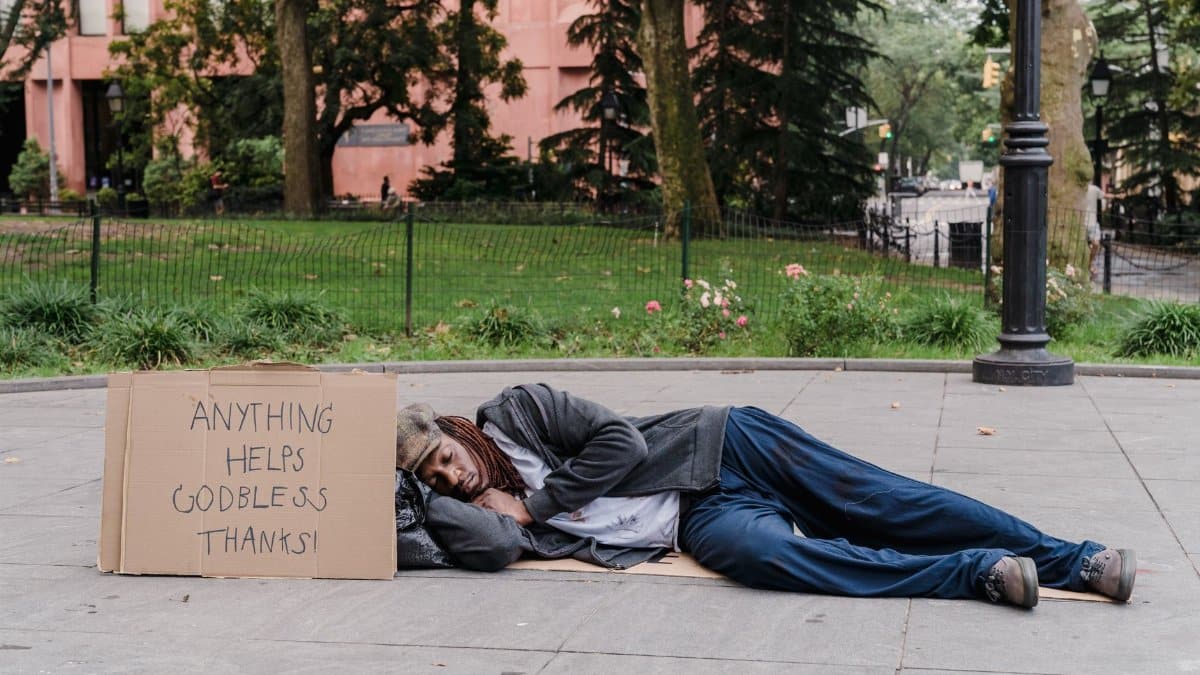
On a January morning in Minneapolis the inside of a parked sedan can be the only room a person still has. Frost rims the glass. A thermos sits in the cup holder. The engine stays off because gas costs money and idling draws attention. That private hardship is now a public question. The Minneapolis City Council has approved a program allowing people to sleep in vehicles at licensed, managed lots with access to water and restrooms. Minneapolis homeless cars is an awkward phrase, but it names a reality the city can no longer treat as invisible. Officials are not pretending a parking stall is a home. They are admitting that for some residents the stall is already the bedroom, and the choice is whether to manage that fact or keep pushing it from block to block.
A permission narrower than a home
The vote does not hand anyone an apartment. It draws a line around a practice that was already underway in retail lots, on industrial edges, and along residential curbs where a single complaint can end a night. Licensing is the hinge. An unmanaged cluster of vehicles can become a sanitation problem, a fire risk, and a flashpoint with neighbors. A licensed site, run by an operator the city can hold to account, is meant to replace that drift with rules, lighting, trash service, and a count of who is present.
Water and restrooms sit at the center of the approval for a reason that is easy to skip past in a headline. They are not comforts in the resort sense. They are the difference between a night that can be endured and a night that injures the body. People who lack a toilet improvise. Improvisation breeds conflict. A managed lot tries to interrupt that cycle before it reaches a sidewalk or a storm drain.
Who is already sleeping behind the wheel

The public picture of vehicle homelessness is often a single stereotype, and it is wrong often enough to distort policy. Some of the people in these cars work shifts that end after shelters lock their doors. Some keep a pet that a congregate program will not accept. Some are couples who refuse to be separated by rules written for individuals. Some left a violent home and judge a locked door, even a car door, safer than a room full of strangers.
Others are older adults on fixed incomes who lost an apartment after a rent jump and still have a paid off sedan. A parent with a teenager may choose privacy over a bunk. Minneapolis homeless cars hold that range of lives, which is why a single rule book will never fit every vehicle in the queue. The honest design question is not how to sort the deserving from the rest. It is how to keep people alive and reachable while housing catches up, if it catches up at all.
What management has to mean

A designated lot fails if it is only a patch of asphalt with a sign. Management means quiet hours, a basic safety screen, a plan for waste, and a person who notices when a window stays fogged too long. It means a protocol for guests who are ill, intoxicated, or in crisis, written with outreach workers rather than invented at 2 a.m. by whoever drew the short shift. It means a way to plug in a phone, because a dead battery is how people miss a housing appointment they waited months to get.
Case management, if the city or a nonprofit can actually staff it, turns the lot from a holding pen into a point of contact. The ambition on paper is movement toward a lease, not a permanent parking caste. That ambition collapses if staff exist only in a press release. Residents of the lot will learn the difference in a week. So will the neighbors.
Neighbors and the politics of a visible lot

Opposition to these sites is not only cruelty, and support is not only virtue. People who live beside a proposed lot worry about noise, about discarded needles, about property values, about whether a temporary measure hardens into the new normal because apartments never arrive. Those worries deserve a straight answer rather than a lecture. A managed site with bathrooms is safer for a block than scattered cars with no bathrooms. It is also true that gathering need in one place makes need visible, and visibility is politically harder than dispersal.
Cities get this fight wrong when they treat neighbors as obstacles to be managed and guests as problems to be hidden. Both groups are residents. A decent process names the site early, explains the operator, sets a complaint line that a human answers, and publishes simple numbers: how many vehicles, how many exits to housing, how many incidents, how fast they were handled. Secrecy breeds the rumor that the program is larger and looser than it is. Rumor is how a narrow experiment becomes a citywide grievance.
Cold, carbon monoxide, and the body

Minnesota winter is not a metaphor. A night below zero can turn a vehicle into a trap. People run engines to stay warm and sometimes do not wake up, killed by exhaust in a closed space. Batteries die. Medications freeze. Sleep arrives in fragments, and fragmented sleep wrecks judgment, work, and health. A designated lot does not repeal physics. Run with care, it can offer a warming check, a staff person who knocks, and a rule about idling that is paired with a real alternative, not a scolding.
Health workers have long said that unstable shelter shows up later as emergency room visits, infected wounds, and missed treatment. The council vote will not staff a clinic by itself. It can, if planners insist, put basic first aid and a clear path to care on the same parcel as the parking stalls. Without that, the city will have organized the hardship without reducing it.
Faith communities and unused pavement
Many congregations own parking that sits dark most nights of the week. Across the country, some faith communities have opened those lots as managed vehicle shelters, pairing a claim about the stranger with the plain fact of unused pavement. In Minneapolis the same logic is available. Zoning, insurance, and volunteer stamina will decide more outcomes than any sermon. A lot behind a church is not holy because it is paved. It becomes a moral act if the people welcomed there are treated as guests rather than as a problem to be contained until Monday.
That distinction matters for the spiritual temperature of a city as much as for land use. Hospitality that keeps guests at the edge of the property, uncounted and unhelped, is branding. Hospitality that shares water, a toilet, and a path to a caseworker is closer to the tradition those buildings claim. Civic government cannot outsource its duty to pulpits. It can invite congregations in as operators or hosts, with the same licensing standard applied to every site, sacred or not.
Why towing a car can erase a life
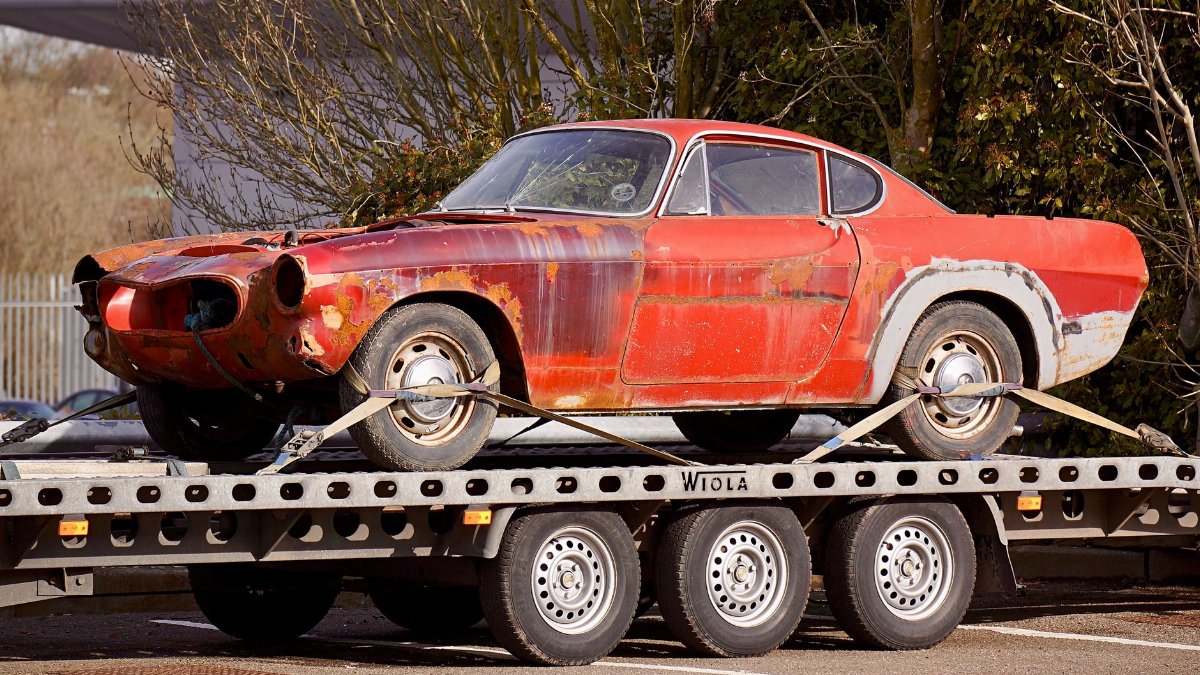
For someone whose vehicle is also a bedroom, a tow is not a ticket. It is the loss of shelter, transportation, documents, medicine, and the last private object in a single motion. Impound fees then stand between that person and the only roof they had. The cycle is brutal and common: move along, get cited, get towed, become more homeless than before. A legal place to stop interrupts that sequence for a subset of people. Only a subset. Pretending otherwise is how modest programs get blamed for problems they were never built to solve.
Police and outreach need one script. If one agency tells a driver the lot is the sanctioned answer and another treats arrival there as suspicious, the program will empty itself. Trust is operational, not sentimental. Minneapolis homeless cars will stay on side streets if the official alternative feels like a trap.
Paying for rules that people will trust

Licensing implies standards, and standards cost money. Portable restrooms, lighting, insurance, trash hauling, and overnight staff do not appear because a resolution says they should. If the budget is goodwill and a one season grant, the lots will flicker and close, and the people in them will be scattered again with less faith in the next promise. A durable contract, with a named operator and a public report, is the minimum adult version of this idea.
Rules have to be legible to the people sleeping there, not only to the council. Quiet hours, limits on visitors, bans on open flames, and expectations about waste are reasonable. Surveillance without services is not. If the lot feels like a checkpoint that collects data and offers nothing but a painted line, guests will vote with their ignitions. The side street, for all its danger, at least does not pretend to be help.
The measure of a decent experiment

What happens after the vote is the story that matters. Where do the sites go, and who was asked before the map was inked? Who operates them, and can that operator still answer the phone in February? Do water and restrooms exist on the first night, or only in the ordinance? Is there a winter protocol before the first deep freeze, including a plan for people who cannot safely remain in a vehicle at all? Are exits to housing counted, or only nights occupied, which can look like success while people remain stuck?
Minneapolis homeless cars will not disappear because a council said a lot may open. Rents, wages, shelter rules, treatment capacity, and the simple shortage of apartments built the conditions that put people behind the wheel. A licensed stall is a refusal to look away, not a solution. The moral test is plainer than the zoning code. If the city uses these sites to keep people alive and in reach of housing, the experiment deserves time. If it uses them to tidy the streets without changing the odds, the phrase will remain what it is now: a description of exposure, managed just enough to be official.