

In recent years many states have searched for practical ways to support households raising infants and toddlers. Direct cash transfers stand out among the options because they allow families to decide how best to meet daily needs. Michigan launched its own version several years ago and the results encouraged neighboring states to join the effort. As a result the rx kids cash aid expansion will begin serving eligible families outside Michigan borders in 2026. The change marks a shift from state specific pilots toward a wider regional approach that could influence national conversations about child well being.
Program Background and Development

Michigan created the original cash aid effort after researchers showed that even modest monthly payments improved health and learning markers for young children. Officials worked with local health clinics to identify participants and deliver funds through simple debit cards. The design avoided lengthy paperwork so that families could focus on child care rather than bureaucracy. Over time the pilot collected data on spending patterns and child development that convinced policymakers the model deserved wider use.
Reasons for Interstate Growth

Neighboring states noticed lower emergency room visits and higher preschool enrollment among Michigan participants. Legislators in those states asked for similar funding streams to address their own rural and urban child poverty rates. Budget analysts calculated that shared administrative costs would keep overhead low while spreading benefits across more households. The timing also aligned with federal discussions about child tax credits that could complement state level cash aid.
Effects on Participating Families

Parents report using the monthly amounts for groceries, stable housing and occasional child care help. One mother in Detroit described buying fresh produce for the first time in months after receiving the payments. Follow up surveys found reduced parental stress and more consistent doctor visits for infants. These changes appear early and tend to compound as children reach preschool age.
Policy Comparisons with Other States

Unlike traditional welfare programs that phase out quickly when earnings rise, the Michigan style payments continue for a set period regardless of small income changes. This feature distinguishes the approach from older models in states such as Minnesota or Ohio. Advocates argue the continuity encourages parents to accept additional work without fear of sudden benefit loss. Critics question whether the payments should include work requirements similar to older welfare rules.
Challenges in Scaling the Effort

Larger enrollment requires upgraded computer systems and trained staff across multiple agencies. Data privacy rules differ between states, creating delays when records must move across borders. Some rural areas lack reliable internet needed for card activation and balance checks. Officials continue to test mobile enrollment units to reach isolated families.
Role of Community Organizations
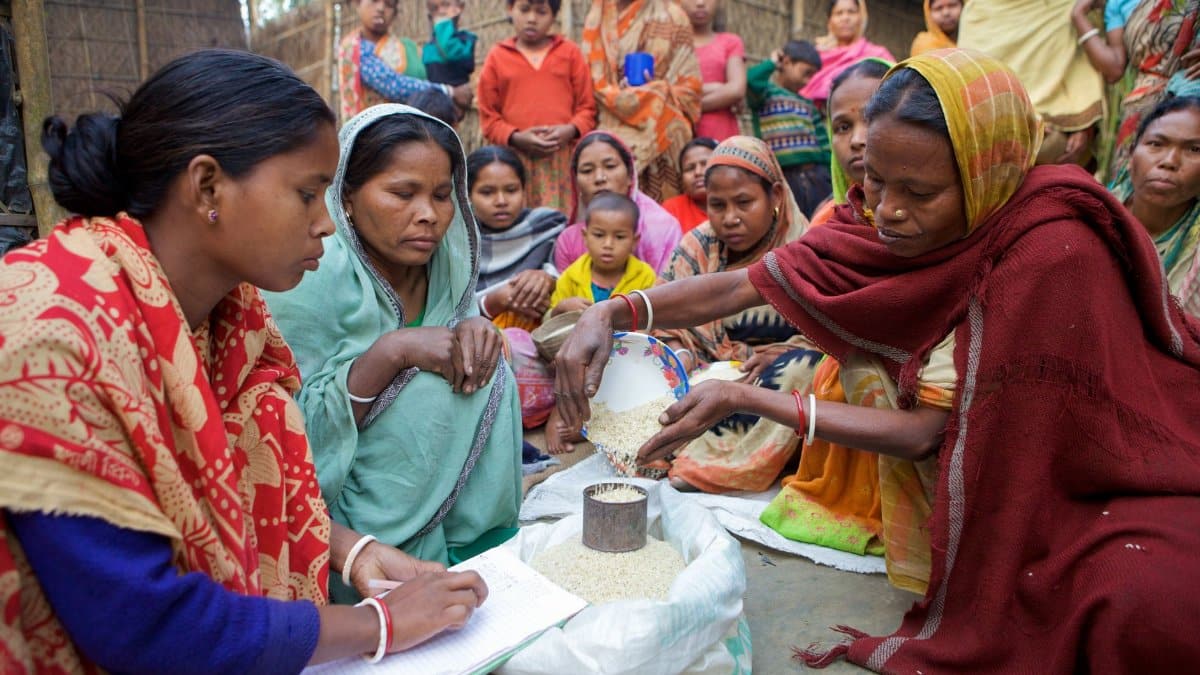
Local nonprofits already trusted by families help explain eligibility rules and assist with card setup. Churches and community centers host information sessions that feel familiar rather than bureaucratic. These groups also collect informal feedback that state agencies use to adjust payment amounts or timing. Their involvement builds trust that government offices alone might not achieve.
Economic Implications Nationwide

Early modeling suggests every dollar sent to families generates additional local spending on food and housing. Small businesses near participant households report steadier sales during months when payments arrive. Economists note that the multiplier effect appears strongest in lower income zip codes where money circulates quickly. Over several years the pattern could support job growth in retail and service sectors.
Future Prospects and Adjustments

Program leaders plan annual reviews that incorporate parent surveys and health data. Possible changes include higher payment levels for families with infants or added bonuses for consistent medical visits. Interstate partners will compare results to decide whether further expansion makes sense. The coming years will show whether this regional model influences federal child policy or remains a state driven experiment.