

Recent evaluations from safety organizations have brought attention to the cadillac ct5 safety rating as families weigh options in the luxury sedan segment. This development comes amid ongoing discussions about how vehicles perform under demanding conditions designed to simulate real world scenarios. Observers note that such assessments often influence buyer decisions and manufacturer priorities alike. The findings invite reflection on the balance between performance features and protective measures in modern automobiles.
Background on the Cadillac CT5 Model

The Cadillac CT5 emerged as a refreshed offering in the luxury sedan category with an emphasis on driving dynamics and interior refinement. Over time this model has appealed to those seeking a blend of American engineering heritage and contemporary amenities. Its design incorporates advanced suspension systems alongside powerful engine choices that deliver responsive handling on varied road surfaces. Production takes place at facilities known for quality assembly practices which have supported the brand reputation in competitive markets.
Details from the Insurance Institute for Highway Safety Evaluation
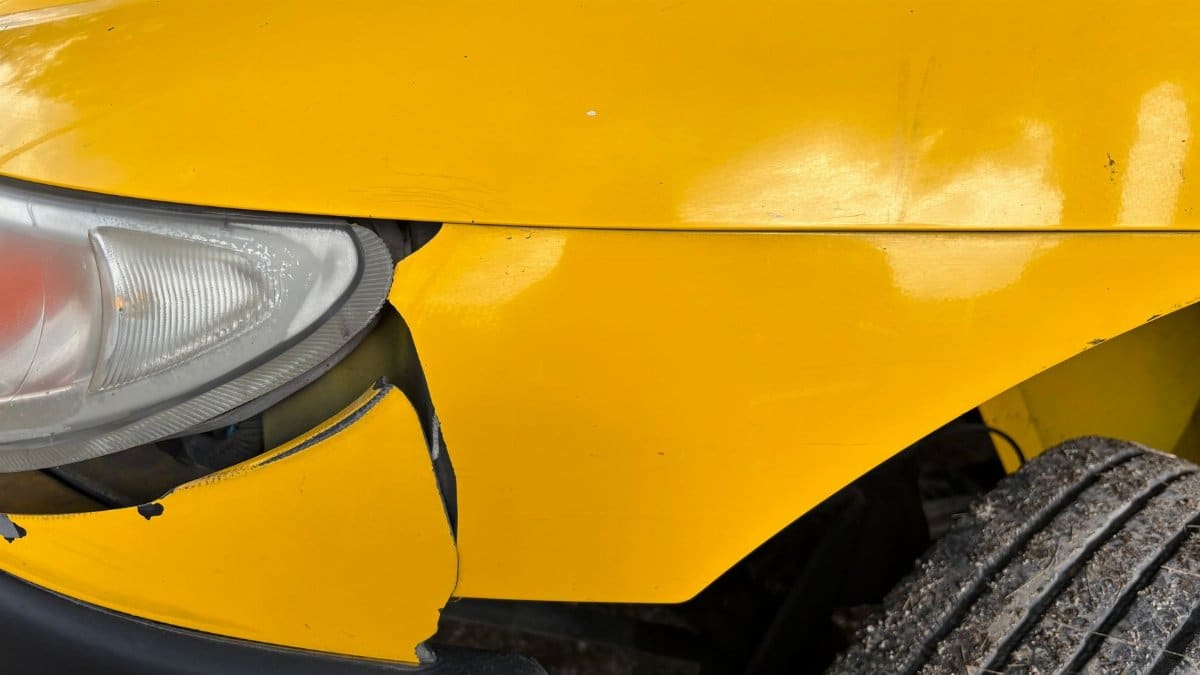
Independent testers at the Insurance Institute for Highway Safety applied a series of protocols to measure structural integrity and restraint effectiveness during simulated collisions. These protocols include frontal offset impacts side strikes and roof strength assessments among other measures. Results placed the cadillac ct5 safety rating at the lower end of the scale prompting questions about specific design elements that contributed to the outcome. Analysts reviewed video footage and data logs to identify patterns in how the vehicle absorbed and distributed forces.
Specific Areas Where the Vehicle Fell Short
Certain test configurations revealed vulnerabilities in the occupant compartment particularly during angled frontal impacts where intrusion metrics exceeded thresholds. Side impact trials also indicated room for enhancement in door reinforcements and airbag deployment timing. Roof crush resistance showed acceptable limits yet overall scores reflected cumulative deductions across multiple categories. Engineers typically examine these elements to guide refinements in subsequent production cycles.
Comparison with Other Vehicles in Its Class

Peer models from European and Asian manufacturers frequently achieve higher marks in similar evaluations due to differences in platform architecture and material selections. Some competitors incorporate additional energy absorbing structures that help maintain cabin space during crashes. This contrast underscores how varied engineering philosophies influence final safety performance across the segment. Buyers often review such comparisons when narrowing choices for long term ownership.
Implications for Potential Buyers

Individuals researching the cadillac ct5 safety rating may factor these results into broader considerations about family use or daily commuting patterns. Insurance providers sometimes adjust premiums based on official test data which can affect overall ownership costs. Discussions with dealers might cover available optional equipment that could address certain concerns though core structural traits remain fixed at the design stage. Informed decisions rest on weighing these elements against personal priorities.
Responses from General Motors and Cadillac

Company representatives acknowledged the evaluation outcomes and outlined plans for continued monitoring of performance data. Statements emphasized commitment to iterative improvements through software updates and material adjustments where feasible. Internal teams continue to analyze feedback from various testing bodies to align future iterations with evolving expectations in the marketplace. Such responses reflect standard industry approaches to external critiques.
Broader Context of Vehicle Safety Standards
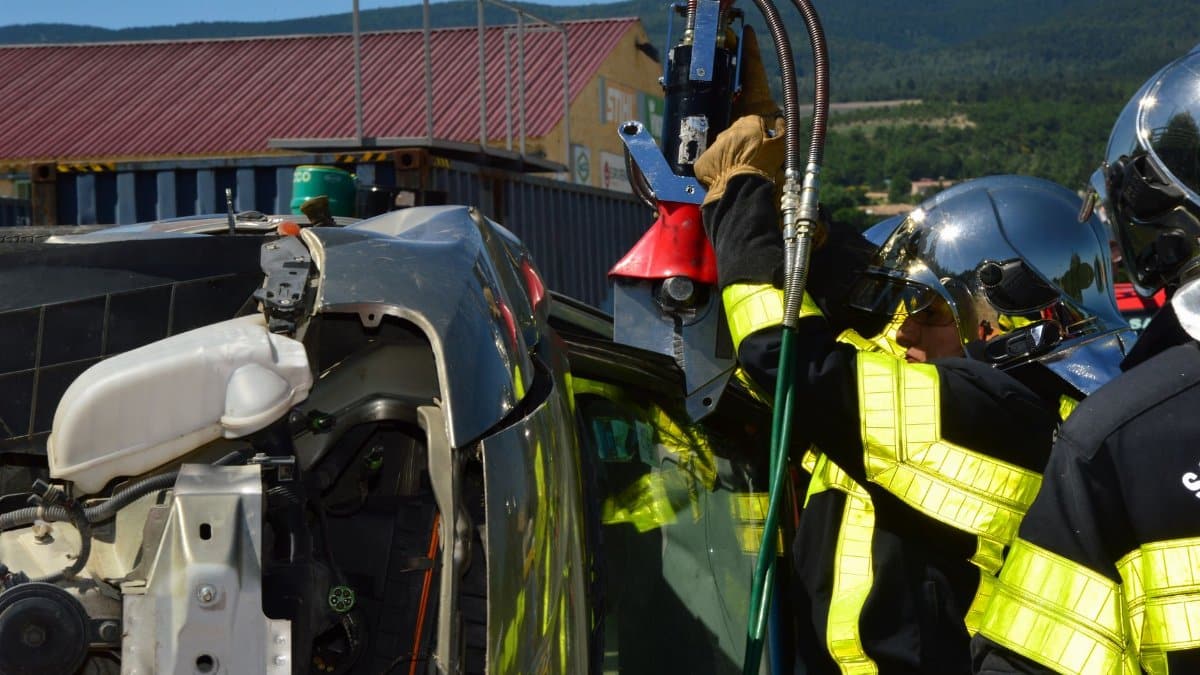
Safety assessments evolve regularly as new technologies emerge and regulatory bodies update guidelines to reflect advances in materials science. Organizations like the Insurance Institute for Highway Safety play a key role in providing transparent data that informs public awareness. This landscape encourages manufacturers to invest in research aimed at elevating protective capabilities without compromising other attributes such as fuel efficiency or ride comfort.
Looking Ahead to Possible Design Updates

Future model years could incorporate lessons from recent evaluations through targeted modifications to frame components and restraint systems. Collaboration with suppliers often yields innovations in high strength alloys and sensor integration that enhance overall resilience. Industry trends suggest a continued focus on holistic approaches that integrate active and passive safety measures for comprehensive protection. The cadillac ct5 safety rating may improve as these developments unfold over coming seasons.