
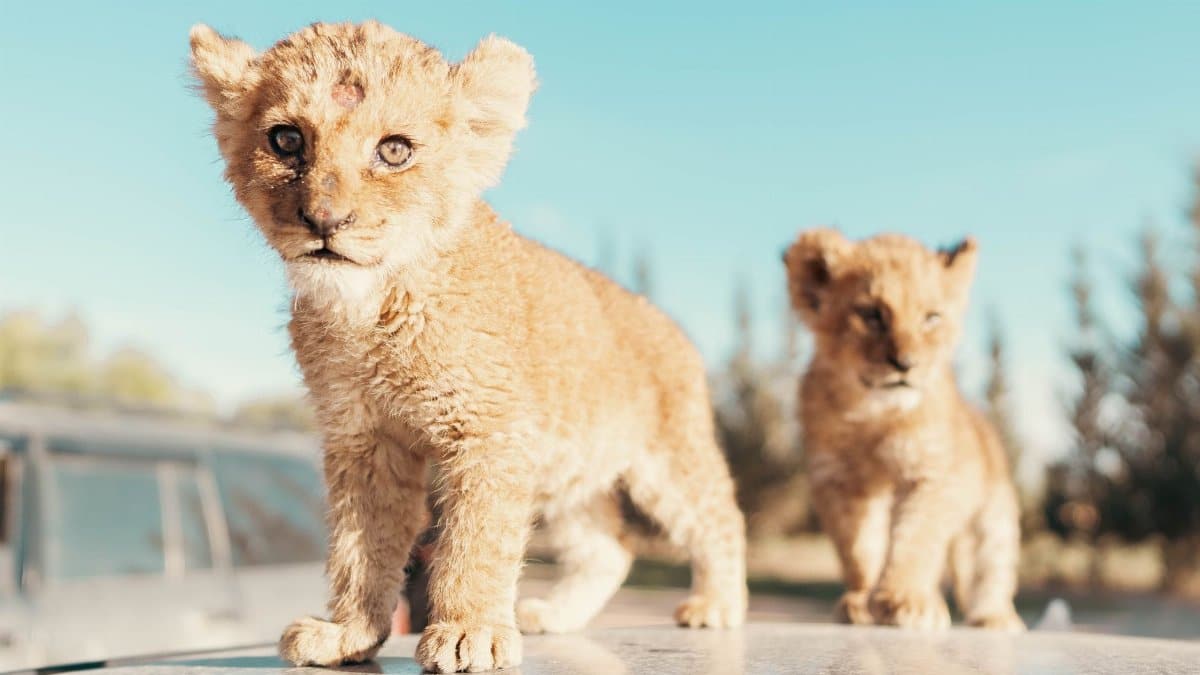
In the rugged landscapes of California, where wild predators navigate shrinking territories, one young animal’s ordeal captured attention at a renowned facility dedicated to wildlife care. The mountain lion cub Crimson arrived there after being forsaken by its mother, a situation that quickly escalated into a medical crisis requiring swift intervention from specialists.
Rescue Efforts in the Wild
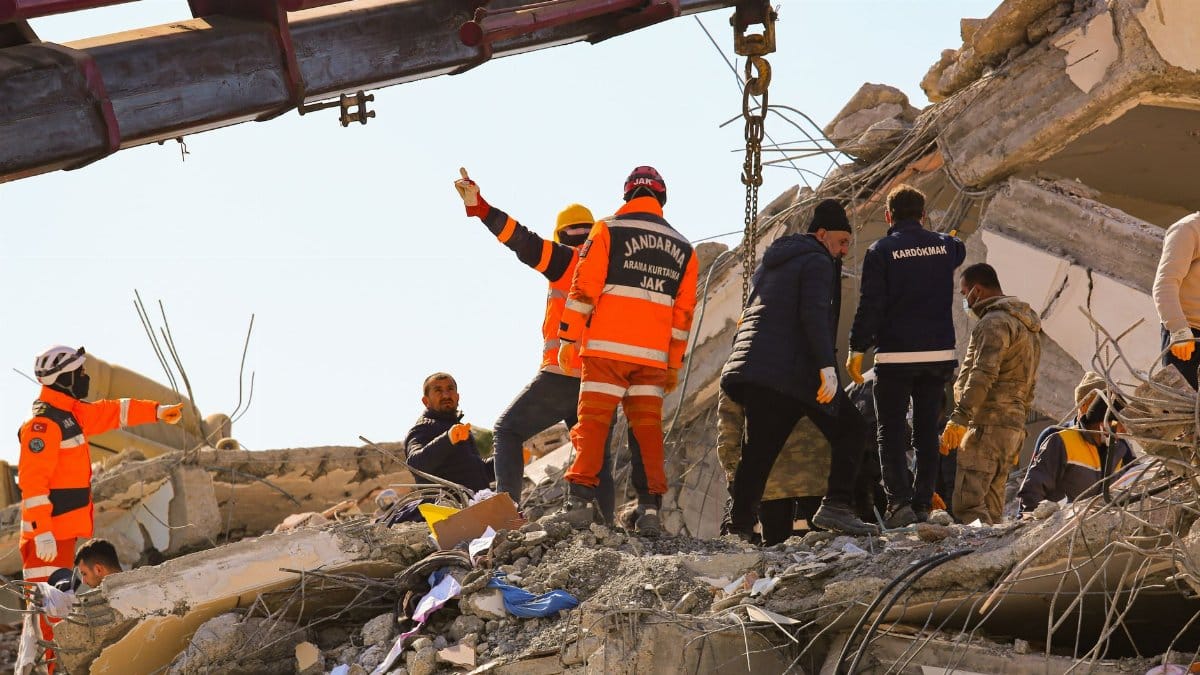
Wildlife officials first spotted the small feline showing signs of distress in a remote area near human settlements. Teams worked carefully to bring the cub into protective custody, recognizing the dangers of prolonged exposure without parental guidance. Such rescues highlight ongoing challenges in balancing development with habitat preservation for large cats across the region.
Initial Assessment at the Facility

Upon arrival, veterinarians conducted thorough examinations that revealed severe injury to one limb. The damage stemmed from an infection that had advanced rapidly, leaving amputation as the only viable path to prevent further suffering. Staff noted the cub’s alert demeanor despite the pain, setting the stage for a focused recovery plan.
Decision for Surgical Intervention
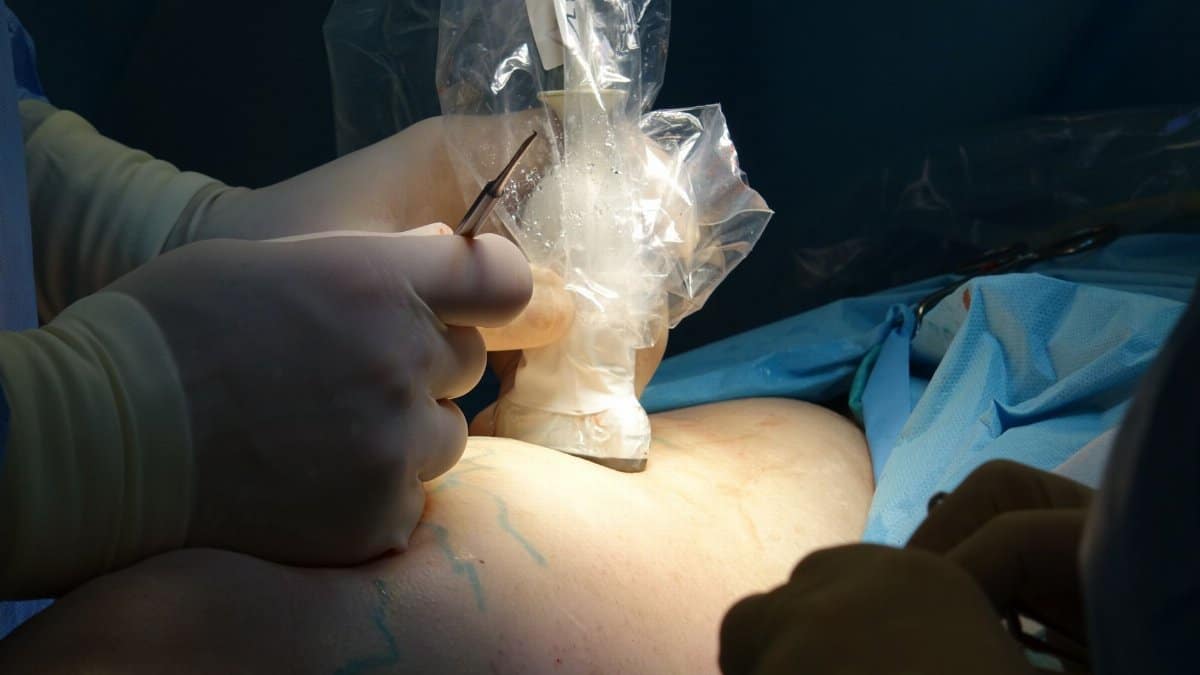
Experts weighed options over several days, consulting records of similar cases involving big cats. Amputation offered the best chance for long term mobility with proper rehabilitation. The procedure itself lasted several hours and involved precise techniques to ensure clean healing and minimize complications in the days ahead.
Recovery Phase and Daily Care

Following surgery, the animal received round the clock monitoring in a quiet section of the zoo. Keepers introduced modified feeding routines and gentle exercises to build strength in remaining limbs. Progress reports indicated steady improvement, with the cub adapting quickly to its changed physical state through trial and simple encouragement.
Adaptations in Movement and Behavior
Observers watched as the young mountain lion learned to navigate enclosures using three legs. Initial stumbles gave way to confident strides over time. This adjustment process offered insights into animal resilience, showing how instinct and support can combine to overcome physical setbacks in captive settings.
Broader Context of Mountain Lion Populations
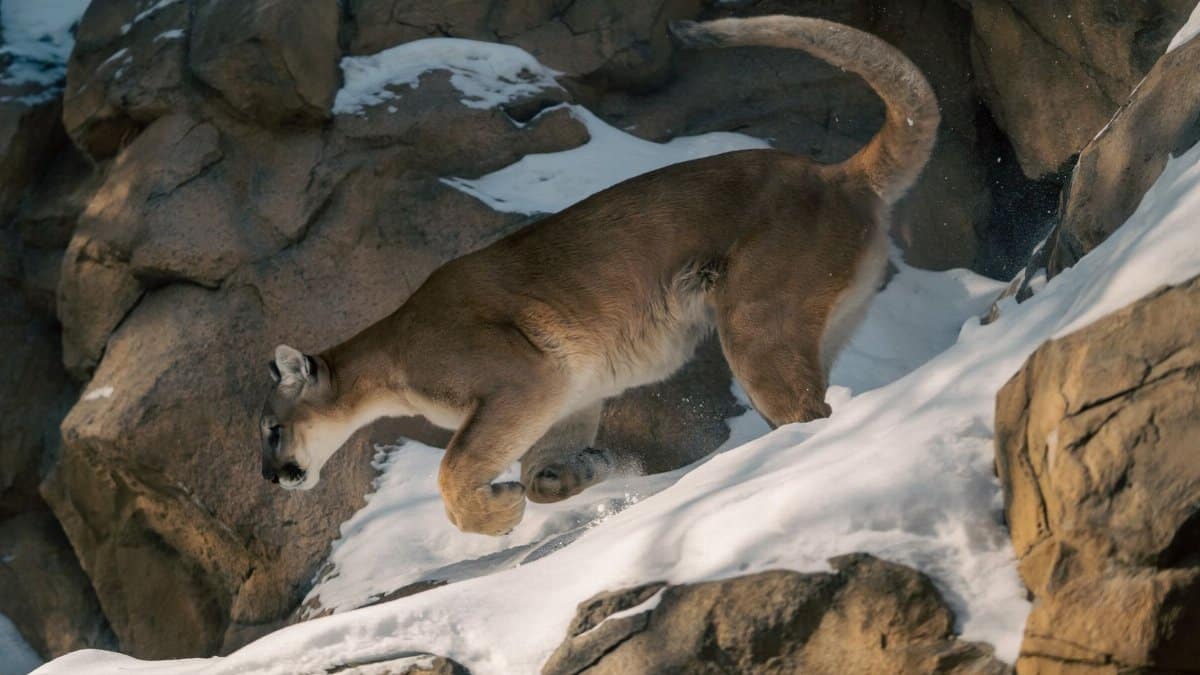
Mountain lions face pressures from habitat loss and vehicle collisions throughout their range. Data from state agencies show fluctuating numbers in recent years, prompting calls for better corridor protections. The case of this particular cub underscores the ripple effects when individual animals encounter human influenced environments.
Role of Zoos in Conservation Work
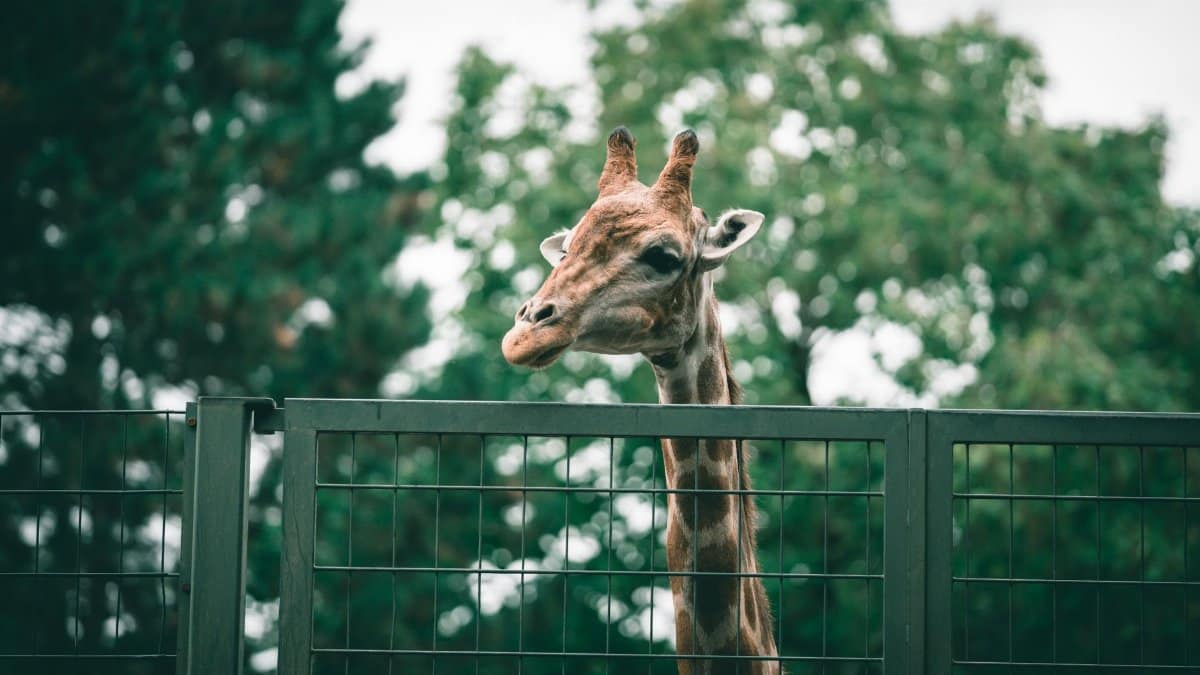
Facilities like the one in Oakland contribute through breeding programs and public education on predator ecology. They also serve as hubs for treating injured wildlife that might otherwise perish. Ongoing partnerships with researchers help track health trends and inform policy decisions at local and state levels.
Public Response and Awareness

News of the cub spread through media channels, drawing messages of support from across the country. Visitors to the zoo expressed interest in learning more about native species protection. Such engagement can translate into greater funding for field studies and rescue operations in affected areas.
Lessons on Resilience from Nature
Stories like this one remind observers of the capacity for recovery even after profound loss. The cub demonstrated an ability to thrive under attentive care, echoing patterns seen in other rehabilitated animals. These narratives encourage reflection on human responsibility toward the natural world and its inhabitants.