

Before the opening bell in downtown Dallas, a small circle of portfolio managers tends to refresh the same short list. Texas Instruments, AT&T, Southwest Airlines, and American Airlines are all scheduled to speak, and the cluster is tight enough that local brokers have a name for it: DFW earnings week. The label is plain. The stakes are not. These firms touch chips, phone bills, and the two airports that shape how North Texas moves people and freight. When they report, the region gets a clearer read on demand, hiring, and the cost of doing business than any chamber luncheon can offer.
A crowded week on a regional calendar

Earnings season always arrives in waves, but some weeks land harder in one metro than in others. Dallas Fort Worth is unusual because so much of its public company weight sits in a few industries that ordinary households can feel. A chipmaker does not sell directly to most families, yet its commentary on factory utilization ripples into equipment orders and engineering jobs in Richardson and Plano. A telecom giant still sends a monthly bill to millions of Texans. Two airlines employ crews, mechanics, and gate agents whose paychecks circulate through Tarrant County and southern Dallas.
That mix is why a business datebook matters more than a trivia list of ticker symbols. Readers who never buy a single share still live inside the results. A softer outlook from an airline can mean fewer overtime shifts. A firmer outlook from a chip company can mean suppliers keep weekend shifts. The week is a civic event dressed up as finance.
Texas Instruments and the long memory of the chip cycle
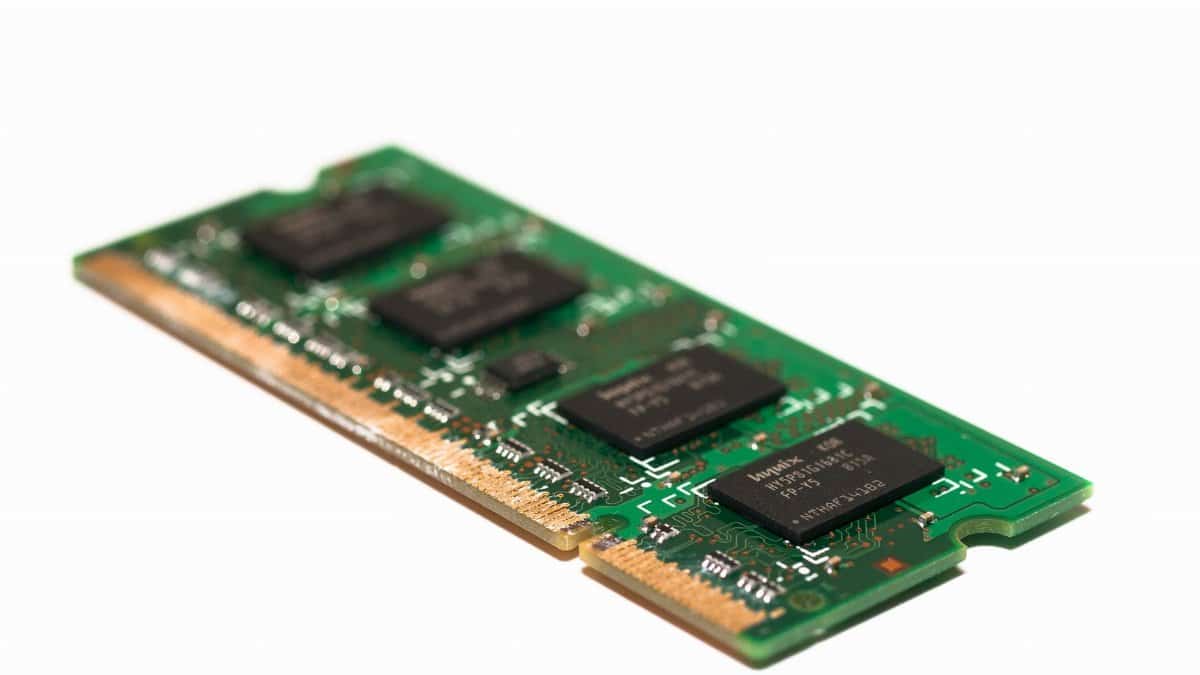
Texas Instruments occupies a particular place in this story. It is not a social media company chasing a fad. It sells analog chips and embedded processors that sit inside cars, factories, medical devices, and industrial gear. Those products move with the real economy, often with a lag. When customers over ordered during a shortage, inventories later had to be worked down. When customers grew cautious, orders paused even if end demand had not collapsed.
Investors listening to the company tend to focus less on a single surprise and more on the tone around orders, factory loadings, and how management describes customer inventories. A cautious sentence about industrial demand can matter as much as the headline profit figure. For North Texas, the human translation is straightforward. Engineering centers, fabrication work, and a wide ring of contractors rise and fall with that cycle. The company has trained generations of local talent. Its quarter is a weather report for a technical workforce that does not always show up in retail sales data.
AT&T and the monthly bill as an economic signal

AT&T brings a different kind of signal. Wireless service is close to a utility for many households, which makes subscriber trends a rough gauge of consumer strain. If families are trading down plans, delaying phone upgrades, or struggling with bills, that tension often appears before it shows up in broader retail surveys. Business wireline results tell another story, about offices, data connections, and whether companies are still spending on the unglamorous plumbing of communication.
There is also the balance sheet, which deserves plain language. A company that carries heavy debt lives differently when interest rates stay elevated. Cash flow, capital spending on networks, and the pace of debt reduction become the plot, not a footnote. Residents do not need to parse every accounting line to grasp the point. Network investment is how calls connect in growing suburbs. Discipline on spending is how a mature company avoids promising more than it can build. During a packed reporting stretch, AT&T often supplies the consumer chapter that a chipmaker cannot.
Two airlines, two cultures, one pair of airports

Southwest Airlines and American Airlines share geography and little else in temperament. Southwest grew up with a point to point habit, a single aircraft family for much of its history, and a brand tied to simplicity. American operates a global network out of a fortress hub, with international flying, alliance partners, and a more complex fleet. Both, though, answer questions that Dallas Fort Worth asks every quarter. Are people flying for work again, or mostly for leisure? Are fares holding? Are fuel and labor costs eating the gains?
American Airlines is inseparable from Dallas Fort Worth International Airport, one of the busiest hubs in the country. A strong quarter can mean fuller widebody departures and healthier airport concession sales. A weak one can mean tighter schedules and quieter crew bases. Southwest, with deep roots at Love Field and a huge presence across the state, speaks to a different traveler: the person hopping to Houston, Austin, or a leisure city without wanting a connection through a coastal fortress. Hearing both carriers in the same window lets a listener compare hub economics with domestic simplicity. That comparison is more useful than treating airlines as a single mood.
What local investors actually listen for

Professionals who sit through these calls are rarely hunting for poetry. They want a bridge from the quarter just ended to the one ahead. Guidance, even when cautious, is the sentence they replay. They also listen for hedges. A company can beat a profit estimate and still disappoint if management waves off the next few months. The reverse is also true. A messy quarter with a credible plan can steady a stock.
For individuals, the healthier habit is narrower. Match the commentary to a life you can see. If an airline talks about corporate travel, ask whether your own office is booking trips. If a telecom company talks about upgrade rates, notice what neighbors are doing with their phones. If a chipmaker talks about automotive and industrial customers, remember that those customers include plants and suppliers scattered across the metroplex. DFW earnings week rewards that kind of translation. It punishes the impulse to treat every penny of earnings as a verdict on the whole economy.
Labor, fuel, and the costs households already feel

Several of these companies sit on the expensive side of the inflation story. Airlines buy fuel and employ heavily unionized workforces whose contracts reset in public view. Telecom companies spend billions on spectrum, towers, and fiber, then try to recover those costs through plans that customers compare on a phone screen in ten minutes. Semiconductor firms run factories where electricity, materials, and skilled labor are not optional extras.
When executives discuss cost pressure, they are often describing the same forces a family meets at the grocery store and the gas pump, only at industrial scale. That does not mean every complaint from a chief executive should be taken at face value. Companies also choose capital returns, acquisitions, and executive pay. A fair reading separates unavoidable costs from choices. The calls are useful precisely because analysts can ask the follow up that a press release avoids.
Suppliers, landlords, and the quiet second ring

The headline names are not the whole calendar. Around them sits a second ring that rarely trends on social media: equipment vendors, regional banks, real estate firms tied to office and industrial space, and smaller public companies that sell into the same customers. A cautious comment from a large chip buyer can land a week later in a supplier’s order book. An airline that trims a schedule can change traffic for a hotel near a crew base.
Commercial landlords listen too. North Texas has added residents and warehouses at a pace that made optimism feel like a civic duty. Office space is a harder conversation. If large employers sound careful about hiring, leasing tours slow. If they sound confident, developers regain a story to tell lenders. None of this appears as a single number in a regional dashboard. It appears as tone, repeated across a few calls, then confirmed or contradicted by job postings and moving trucks.
How not to overread a single quarter

I have sat through enough of these seasons to distrust the first headline. Companies manage expectations. Analysts anchor on models that were built weeks earlier. A stock can fall on a good quarter because the crowd wanted a better one. The useful question is whether the story changed, not whether the price twitched in the first hour.
For a regional audience, overreading has a civic cost. A weak airline quarter is not proof that the airports are failing. A strong chip quarter is not proof that every suburb will keep booming. DFW earnings week is a set of windows, not a verdict. The honest use of those windows is comparison over time. What did this management team say last quarter? What did they promise, and what did they deliver? Consistency is a better signal than drama.
The household view from Dallas Fort Worth

There is a version of this week that never mentions a stock price. A parent checking flight prices for a holiday visit is already inside the airline story. A small business owner staring at a phone bill is already inside the telecom story. An engineer deciding whether to switch employers is already inside the semiconductor story, even if the job posting comes from a customer rather than the chipmaker itself.
That household view keeps the finance from floating free. North Texas has grown confident, sometimes boastful, about its appeal to corporations and newcomers. Confidence is earned when payrolls, flights, and network spending hold up after the ribbon cuttings. The reports arriving in a tight cluster either support that confidence or ask it to slow down. Both outcomes are information. Only one of them is comfortable.
Airports as the region’s public square
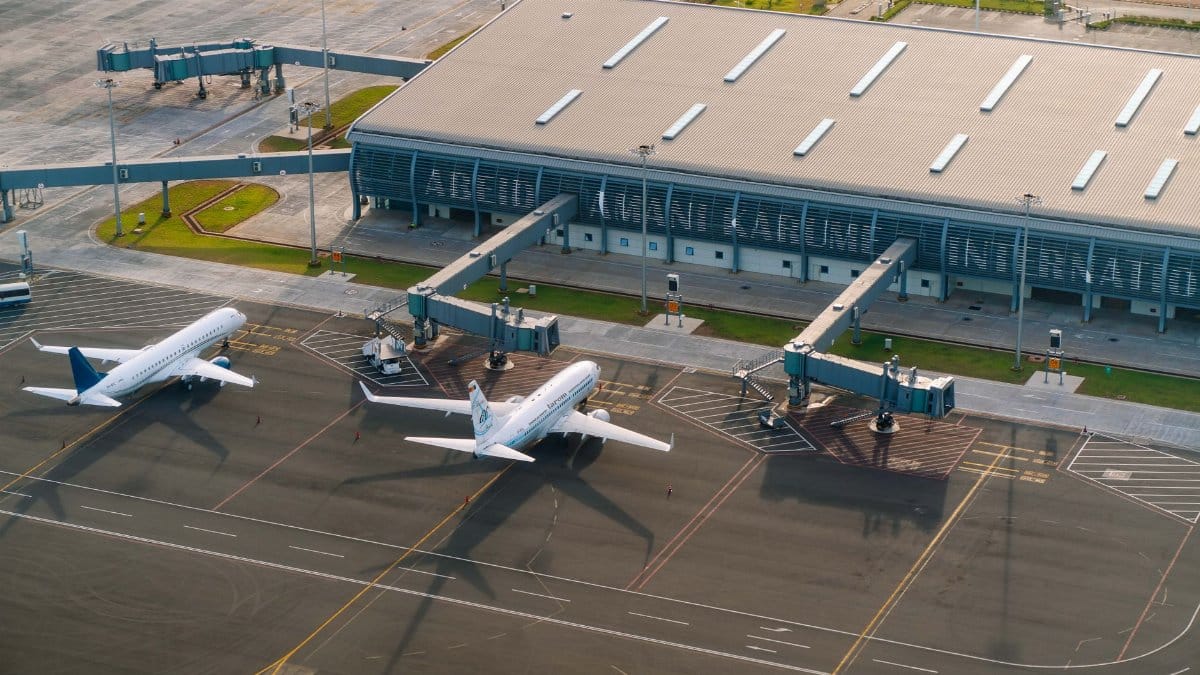
Dallas Fort Worth International and Love Field function as more than infrastructure. They are where the earnings narrative becomes visible. A bank of departing flights, a long security line, a crew walking to a gate with coffee in hand: these are the physical residues of quarterly guidance. When American talks about international demand, some of that demand boards upstairs from a terminal that locals use for weekend trips as well. When Southwest talks about operational reliability, travelers remember winter disruptions more vividly than any slide deck.
City officials and airport boards do not set airline profits, but they live with the consequences. Concessions, parking revenue, and bond markets tied to airport projects all prefer steady passenger counts. A reporting week that includes both major carriers is, in that sense, a municipal briefing conducted by private companies. Residents who never attend a council meeting still absorb the result the next time they drop someone at the curb.
What the rest of the market may miss

National coverage often files these companies under sectors: semiconductors, communications, airlines. That filing is accurate and incomplete. In Dallas Fort Worth they are neighbors. Employees move among them over a career. Suppliers sell to more than one. A slowdown that looks isolated on a sector chart can feel correlated on the ground if it hits paychecks in the same zip codes.
The miss goes the other way too. A national story about consumer stress can overstate local pain if North Texas job growth is still absorbing newcomers. Earnings calls will not settle that argument by themselves. They will, if read together, show whether corporate caution is spreading or staying contained. That is the advantage of a calendar that bunches major North Texas names. DFW earnings week is less a slogan than a method: hear the chipmaker, the phone company, and the airlines before you decide what kind of season the region is having.
After the calls, the quieter work

The spectacle ends quickly. A chief executive speaks, analysts ask their questions, and the transcript lands online for anyone willing to read past the summary. The quieter work belongs to employees who learn whether bonuses, hiring, or travel budgets will look different next month, and to residents who will meet those decisions as prices, schedules, and job ads.
None of this requires a trading account. It requires attention of the ordinary kind: noticing which promises get repeated, which costs get blamed, and which plans survive contact with the next quarter. The companies on this calendar will keep shaping Dallas Fort Worth long after the headlines rotate. Listening while they explain themselves is one of the simpler civic habits a growing region can keep.