
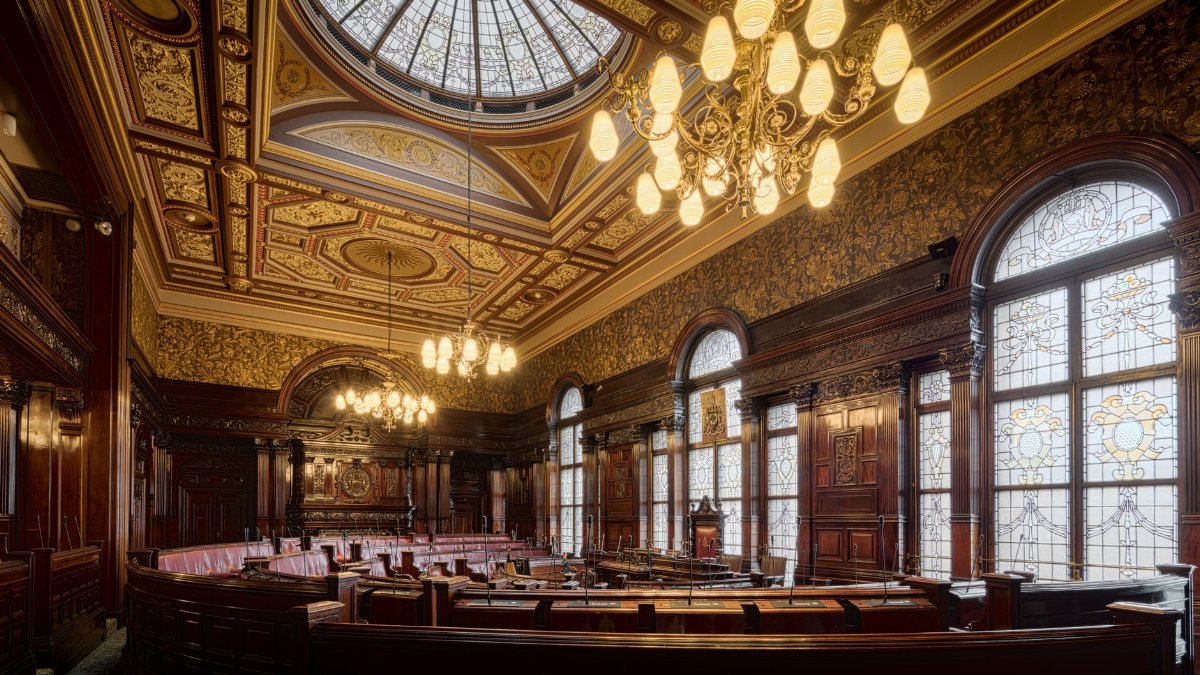
In recent years the revolving door between public office and private advocacy has become a topic of concern across many states. A former Michigan lawmaker might finish their term and immediately register to influence legislation on behalf of corporate clients. This seamless shift has prompted calls for greater accountability. The Michigan lobbying law now includes provisions to slow this transition and restore public trust in the political process.
Historical Context of Lobbying Practices

Throughout American history lobbying has played a role in shaping policy outcomes. In Michigan the practice has grown more sophisticated with time. Lawmakers have faced pressure from various interest groups seeking favorable treatment in areas such as manufacturing and agriculture. Without restrictions former officials could leverage their connections too quickly after leaving office.
Details of the New Waiting Period

The measure signed into effect establishes a two year interval during which ex officials cannot engage in direct advocacy before state agencies. This approach mirrors efforts in other jurisdictions that seek to limit immediate conflicts of interest. Supporters argue the interval allows time for fresh perspectives to emerge in government circles.
Reactions from Current Lawmakers
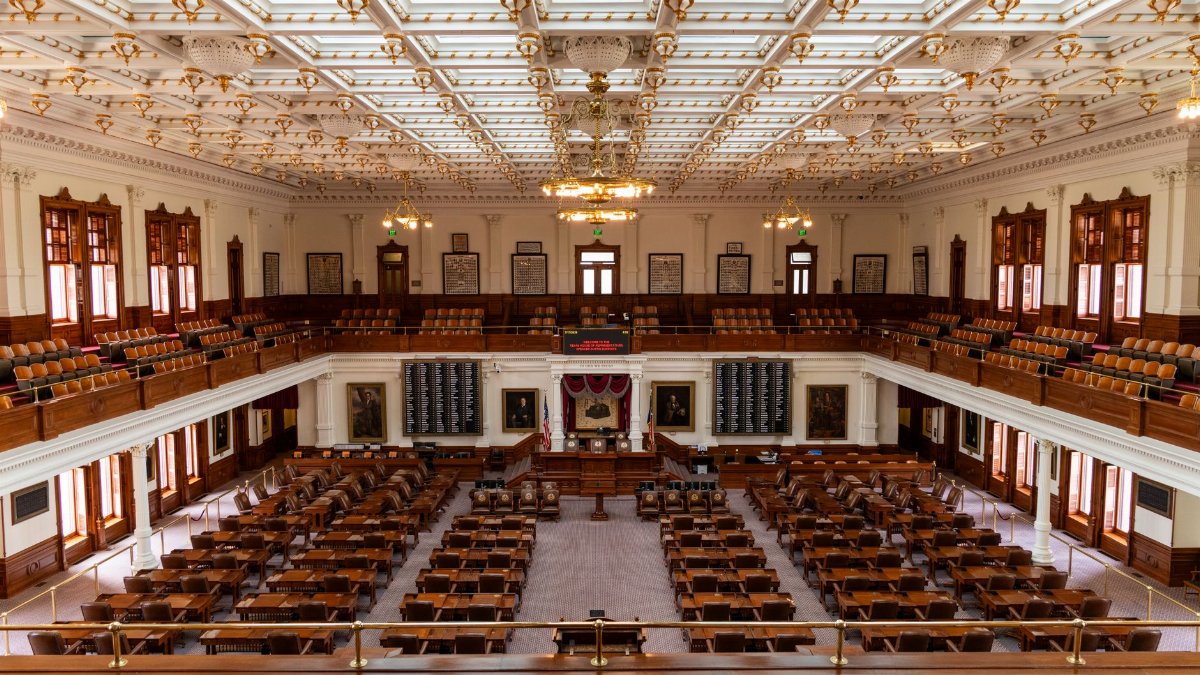
Many sitting members of the legislature expressed support for the changes viewing them as a step toward ethical standards. Bipartisan votes helped advance the bill through both chambers. Some noted that the rules apply evenly regardless of party affiliation or prior role in the capitol.
Impact on Former Officials Career Paths
Those who depart public service now face new considerations when planning their next steps. Consulting roles or positions with trade associations may require adjustments to comply with the timelines. Career counselors in Lansing have begun advising clients on alternative routes that avoid direct contact with policymakers during the restricted window.
Public Opinion and Media Coverage

Surveys indicate broad backing among Michigan residents for measures that promote transparency in government affairs. Local outlets have examined how similar rules function elsewhere and what lessons might apply here. Discussions on talk radio and in community forums reflect a desire for officials to prioritize constituent needs over personal advancement.
Comparison with Other State Approaches

Neighboring states have experimented with varying lengths of cooling intervals and disclosure requirements. Michigan lawmakers reviewed these models during committee hearings before settling on their version. The chosen framework balances enforcement ease with the goal of deterring undue influence.
Enforcement Mechanisms and Penalties
State ethics boards will oversee compliance through registration checks and periodic audits. Violations could result in fines or temporary bars from future lobbying activities. Clear guidelines aim to reduce ambiguity for those navigating the updated requirements.
Future Outlook for Ethics Reforms

Advocates continue to push for additional measures such as expanded financial reporting and limits on campaign contributions from lobbyists. The current Michigan lobbying law may serve as a foundation for further adjustments as circumstances evolve. Observers expect ongoing debate in coming sessions about how best to maintain integrity in the political system.