
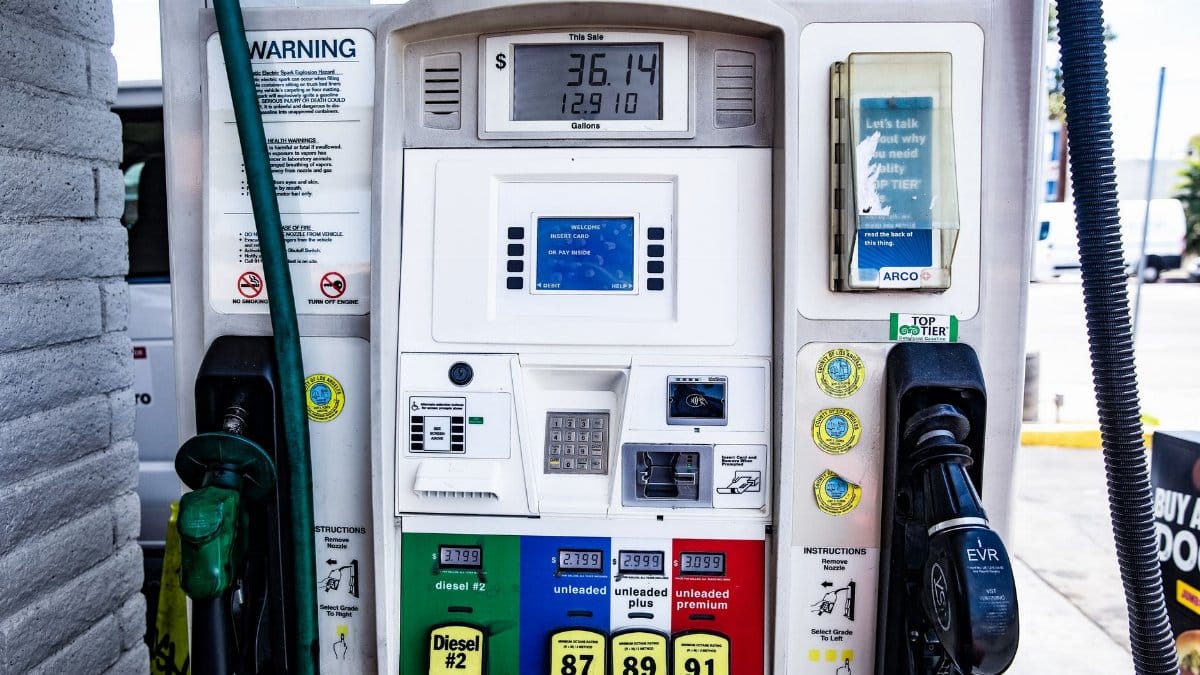
On a gray Tuesday outside Grand Rapids, a contractor left his work van idling at the pump and watched the total pass eighty dollars before the tank was full. He clicked the handle off early, the small surrender a lot of Michigan drivers have started to make. AAA put the statewide average at $4.76 on September 17, and diesel, the fuel that moves freight and job sites, reached a record $6.54. The Michigan gas price surge is no longer a rumor passed around group chats. It is the number on the sign, and it is rearranging errands, commutes, and payrolls.
A statewide average that stops small talk

Four dollars and seventy six cents is not an abstract index. It is what a driver in Kalamazoo, Flint, or the Upper Peninsula is likely to see if the local station sits near the state mean reported by AAA. A fifteen gallon fill that cost roughly fifty dollars when regular gasoline hovered near $3.30 now lands closer to seventy. For a household with two cars and a long commute, the difference over a month can rival a utility bill.
AAA averages smooth out the outliers. Some stations still post a few cents under the mean. Others, especially along tourist corridors and in towns with little competition, sit well above it. What travelers notice is the direction. Prices have climbed fast enough that people compare notes at the counter, the way they did when the last big spike rewired daily routines.
Diesel writes the harsher headline

Gasoline gets the sidewalk conversation. Diesel writes the invoice. At $6.54 a gallon, the statewide diesel average is not merely high. AAA treated it as a record, and that distinction matters for anyone who does not have the option to leave the truck in the driveway.
A landscaper topping off a two hundred gallon tank is not debating whether to skip a latte. The fuel is a job cost, due before the client pays. Grain haulers, snow removal contractors, delivery vans, and school bus fleets sit in the same bind. Diesel also feeds the price of goods that never touch a personal car: lumber, groceries, appliances, the pallet that arrives at a small store on a Thursday. When the pump record moves, wholesale quotes tend to follow, even if the lag hides the link from shoppers.
Why this Michigan gas price surge feels familiar
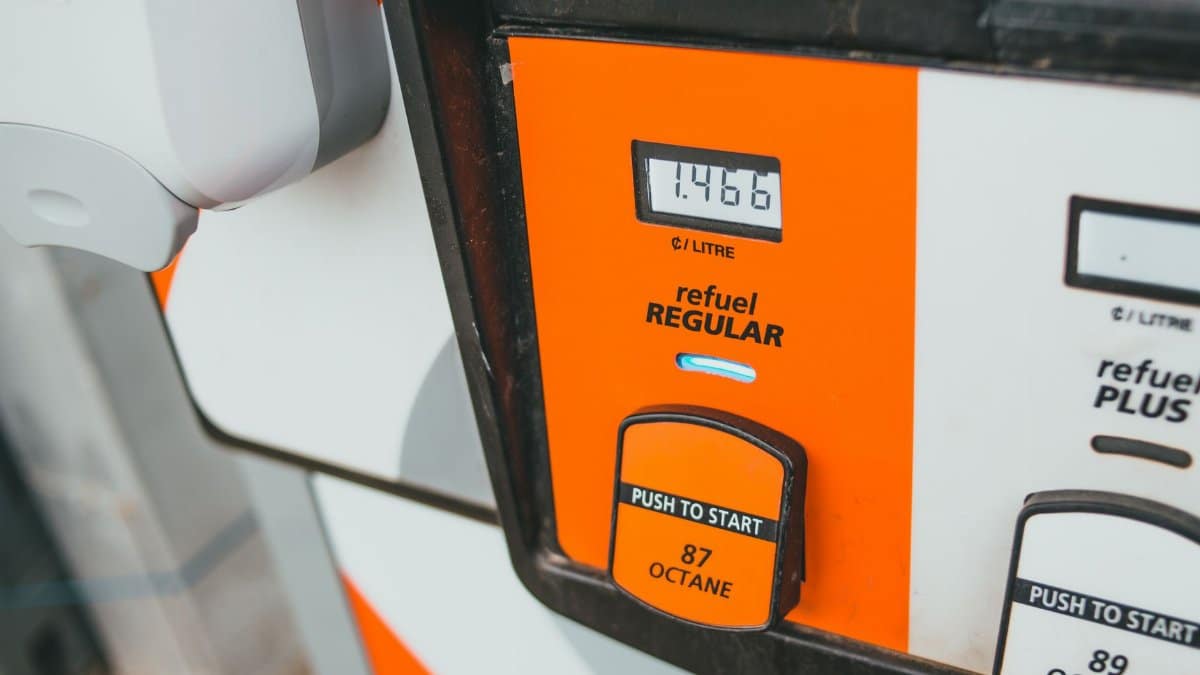
Michiganders have a recent memory for this kind of shock. In 2022, gasoline and diesel climbed to levels that emptied political patience and family budgets at the same time. Stations ran short of the cheaper grades. Apps that tracked the cheapest gallon became morning reading. The current jump does not copy that year point for point, but the muscle memory is intact. People already know which trips they can combine and which ones they cannot.
The Detroit Free Press has framed the latest climb against that 2022 record season and against the political arguments that returned with it. Memory is not a forecast. It does shape behavior. Households that were burned once tend to cut sooner, and businesses that ate a fuel loss once tend to rewrite contracts faster.
Who feels the climb before everyone else

The pain is not evenly shared, and pretending otherwise is a kind of courtesy that helps no one. A salaried worker who can take the bus twice a week has room to adjust. A home health aide covering three counties in a paid by the mile sedan does not. Rural residents drive farther for the same grocery run. Tradespeople carry tools that will not fit on a train.
Lower income households also spend a larger share of pay on fuel, so a fifty cent move at the pump is a budget event, not a headline. Retirees on fixed incomes notice it in the same week they notice the grocery tape. I have heard versions of this arithmetic at kitchen tables for years, and the math has not grown kinder. The people with the least slack are the ones who cannot wait for a national average to settle.
What usually sits behind a fast climb

Retail gasoline is a stack of costs, not a single villain. Crude oil sets the floor. Refining, distribution, station markup, and taxes fill in the rest. The Energy Information Administration lays out that structure on its gasoline and diesel pages, and the lesson is stubborn: a move in crude shows up at the corner station with a lag, and a local supply pinch can outrun the national crude price.
Late summer and early autumn add their own friction. Refineries shift blends. A unit goes down for maintenance and a region that looked comfortable in July suddenly bids harder for barrels. The Midwest is tied to a handful of refining centers and pipeline routes. When one link tightens, Michigan does not get to opt out. Diesel can diverge from gasoline when freight demand, heating oil season, and refinery yields pull in different directions. That is one reason a record diesel price can arrive beside a painful, but not identical, gasoline average.
The household ledger, rewritten in gallons
Families do not experience a surge as a percentage. They experience it as a choice. Soccer practice stays. The Saturday drive to see a parent two hours away gets postponed. A teenager who just got a license is told to combine errands. A couple skips the restaurant that requires a highway trip and cooks at home, then wonders why the grocery total rose too.
Small businesses run the same ledger with less romance. A plumber adds a fuel line to the estimate. A florist shortens the delivery radius. A nonprofit that shuttles patients starts fundraising for gasoline cards. None of these moves makes the news. Together they are how a state absorbs a price it did not vote on.
Politics returns to the price sign

Fuel prices have a way of becoming a referendum, fairly or not. The 2022 spike turned every station canopy into a campaign prop, and the latest Michigan gas price surge has started to do the same. Critics of the White House treat $4.76 as proof of failed energy policy. Defenders point to global crude markets, refinery limits, and the reality that no president sets the price on a Tuesday in Lansing.
Both instincts contain a piece of truth and a piece of theater. Federal policy on leasing, exports, sanctions, and strategic reserves can nudge supply over months and years. It rarely explains a two week jump at a single state’s pumps. State fuel taxes are more direct, and Michigan’s tax is a real part of the posted price, but it did not suddenly invent a diesel record. Voters are still entitled to ask what, if anything, officials can do besides narrate the pain.
What stations can change, and what they cannot

Independent station owners are not printing money when the sign climbs. Many buy wholesale loads at a price that resets before the old fuel is gone. If they raise the board too slowly, they sell at a loss. If they raise it quickly, they look like profiteers to customers who have no view of the invoice. Brand requirements, credit card fees, and competition from a warehouse club a mile away squeeze the margin further.
Price shopping still helps at the margin. A ten or fifteen cent gap between stations on the same road is common during a volatile week, and apps make that gap visible. It does not repeal a statewide average near $4.76. It saves a few dollars on a tank, which is worth doing and worth not confusing with a solution.
How drivers are already adapting

Adaptation in Michigan looks practical, not ideological. People keep tires at the recommended pressure because it is free mileage. They drop the spare trip to the big box store. Carpools that died after the last spike get a second life for the plant shift. Some households park the thirstiest vehicle and share the smaller one, even when that means awkward scheduling.
Public transit is a real option in parts of Detroit, Ann Arbor, and a few other corridors, and a fantasy in much of the state. Electric vehicles avoid the gasoline number and still face electricity rates, purchase prices, and charging gaps that keep them out of reach for many of the drivers hurting most. None of that is an argument against cleaner cars. It is a reminder that a shock at the pump lands on the fleet people already own.
The freight bill hiding in everything else
Diesel at a record $6.54 does not stay on the highway. It migrates into the cost of milk, replacement parts, and the Amazon box that still feels unrelated to a fuel island in Saginaw. Retailers with thin margins pass along what they can and absorb what they must. The pass through is messy, which is why shoppers argue about greed while truckers argue about a load that no longer pays.
Michigan’s auto plants, farms, and construction sites are especially exposed. A factory that runs on a just in time schedule cannot tell a carrier to wait for cheaper fuel. A farm moving corn after harvest cannot reschedule the calendar. Those sectors employ the same people who then pay $4.76 to drive home. The surge collects twice.
What would actually cool the sign

Relief, when it comes, usually arrives from the unglamorous side of the market. Crude eases. A refinery returns from maintenance. Seasonal demand slips after summer travel. Wholesale prices fall, and retailers follow once their expensive loads clear. Policy can support that process or get in its way, but speeches do not move gallons.
Drivers should watch the wholesale direction more than any single day’s headline. If diesel stops setting records and gasoline stops climbing week to week, household budgets get a breath before winter heating costs arrive. If the climb continues, the cuts people are making now become the new normal rather than a temporary trim.
A week to treat the number as real

There is a temptation to treat a statewide average as someone else’s problem until your own receipt proves otherwise. That temptation is expensive. The Michigan gas price surge is already in contractor bids, grocery invoices, and the quiet decision to skip a visit. AAA’s September 17 readings, $4.76 for gasoline and a record $6.54 for diesel, are specific enough to plan around.
Plan in gallons and dollars, not in slogans. Combine the trips you can. Ask what a job actually costs to roll. Leave room in the budget for the freight you do not see. The sign will change again. The question is whether households and employers change first, on their own terms, or wait until the pump makes the choice for them.