

On a humid weekday morning in Little Havana, the argument at a corner cafe did not begin with a candidate name. It began with a rent notice, a cousin waiting on a visa, and a radio host already shouting about the border. That small collision of money, family, and memory is the daily weather for Miami Hispanic voters, a bloc large enough to move a county and diverse enough to refuse a single story. Cuban, Venezuelan, Colombian, Nicaraguan, Dominican, Puerto Rican, and Mexican households share a city and not a script. Anyone who treats them as one loyal bloc is writing fiction.
A county that stopped being a sure thing

For years national reporters treated Miami Dade as a Democratic fortress with a Cuban Republican exception. That picture was always too neat, and recent cycles made the cracks obvious. Republican gains among Hispanic residents in South Florida were not a rumor whispered by consultants. They showed up in precinct maps, in Spanish language ads, and in living rooms where parents and adult children stopped assuming they would cancel each other out. The shift did not erase Democratic strength in Black neighborhoods or among younger, more progressive voters. It did force both parties to stop mailing generic Spanish slogans and start listening.
Local officials and party workers describe a county where turnout operations matter as much as message. A few thousand votes in Hialeah, Kendall, or Homestead can change the tone of a statewide night. Campaigns that once flew in for a weekend now rent storefronts for months. The competition is less a conversion miracle than a fight over who bothers to show up.
Immigration is personal before it is partisan
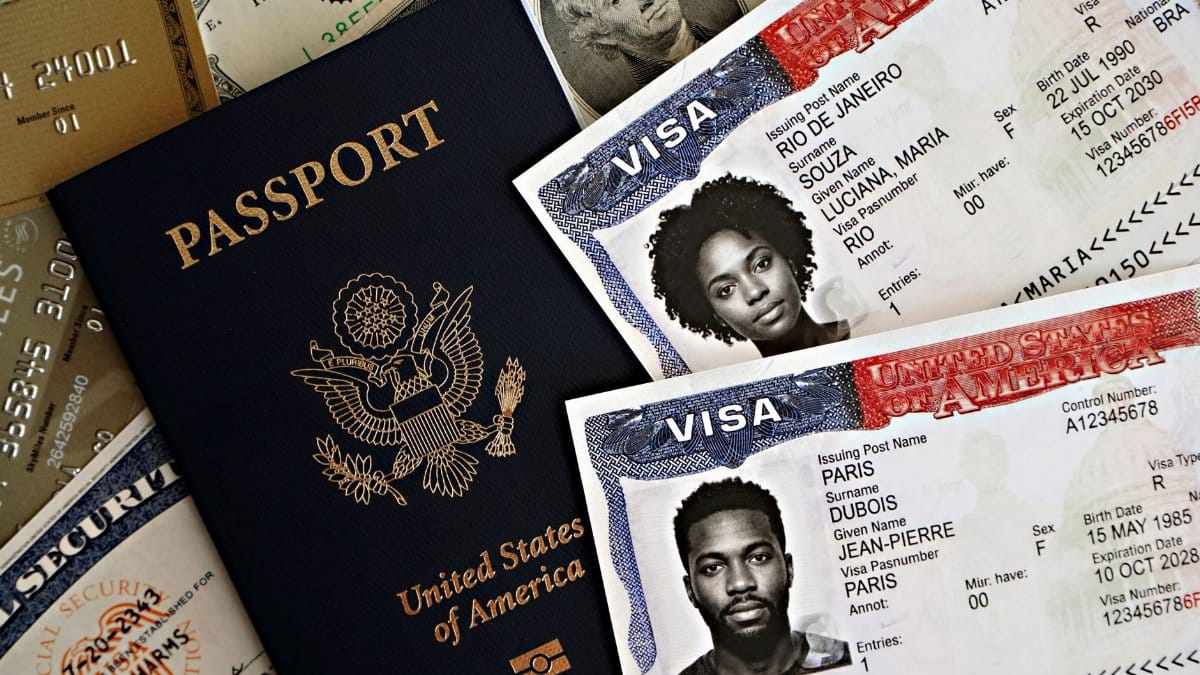
Ask about the border and you will hear policy. Stay for coffee and you will hear names. A daughter sponsored years ago. A neighbor who crossed and never called again. A professional who arrived on a parole program and now fears the rules will change under his feet. Immigration sits at the center of how Miami Hispanic voters judge character, competence, and cruelty. Support for orderly entry does not automatically mean support for family separation, and anger at chaos at the southern border does not automatically mean indifference to people fleeing dictatorship.
Cuban and Venezuelan exiles often frame the issue through the governments they left. Nicaraguan and Colombian families bring their own timelines of violence and economic collapse. Puerto Ricans, who are already citizens, watch the same debate from a different legal footing and still feel the temperature of the rhetoric. A candidate who speaks only in enforcement slogans can sound strong on television and careless at the kitchen table. A candidate who speaks only in welcome can sound humane and naive about capacity, crime, and wages. The voters in the middle are not confused. They are holding two true things at once.
The grocery receipt as a ballot

Ideology loses arguments to the checkout line. Insurance, rent, childcare, and the price of rice and plantains have become campaign literature that nobody has to print. In a city where housing costs jumped faster than wages for many service and construction workers, abstract talk about national growth lands softly. Small business owners in Sweetwater and Westchester talk about payroll, theft, and the cost of keeping the lights on. Retirees on fixed incomes talk about Medicare, property insurance, and whether adult children can afford to stay in the county at all.
Economic anxiety does not point in one partisan direction. Some voters credit Republican messaging on taxes, energy, and a tougher stance toward governments they associate with scarcity. Others blame corporate landlords, weak wage growth, and a federal government that feels distant from a two bedroom apartment shared by three generations. When pollsters rank issues, the economy and the cost of living routinely sit beside immigration. In Miami those issues are not separate folders. A remittance sent to Caracas or Managua is an economic decision and a political one.
Memory of strongmen still shapes the room
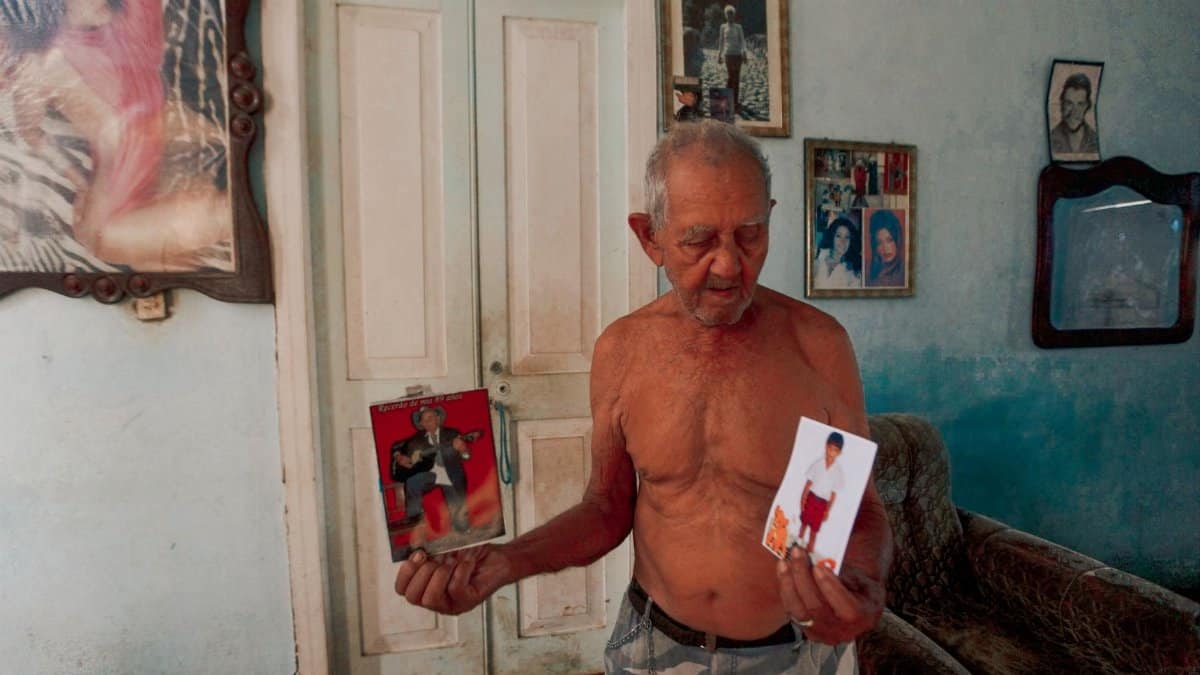
South Florida politics carries a long shadow from Havana, and newer shadows from Caracas, Managua, and other capitals where elections became theater. Words like socialist land differently here than they do in a college town. For older exiles, the label is not a campus insult. It is a memory of seized property, jailed relatives, and a press that learned to whisper. Campaigns know this and sometimes abuse it, pinning the word on opponents who have never proposed state ownership of anything. Voters are not helpless in the face of that tactic. Many have heard the same ad for twenty years and can tell a warning from a cartoon.
Still, the emotional fact remains. A party that dismisses fear of authoritarianism as a talking point will lose rooms it thinks it deserves. A party that inflames that fear without a serious plan for schools, storms, and housing will win a rally and lose a Tuesday. The most persuasive voices are often not the candidates. They are the aunt who remembers a checkpoint and the nephew who remembers only the American school he attended.
Faith, radio, and the week between Sundays

In a category of public life that campaigns underestimate, churches and storefront congregations still set the week. Catholic parishes, evangelical churches, and smaller Pentecostal rooms draw crowds that no rally can match on a random evening. Pastors rarely endorse from the pulpit in explicit terms, and many refuse to. They do talk about family, debt, migration, and the duty to vote. Those homilies travel. So do the drive time shows on Spanish language radio, where hosts mix traffic, prayer requests, and sharp political monologues. Listeners argue with the radio the way other cities argue with cable news, except the host may also be the person who knows their cousin.
This is not a cartoon of obedient flocks. Congregations split. A deacon can knock doors for one party while the choir director knocks for the other. What faith communities provide is repetition and trust. A message heard beside people who shared a funeral or a food drive carries more weight than a mailer. Campaigns that show up only in October look like tourists. Campaigns that have been in the parking lot after mass for years look like neighbors, even when the theology and the platform do not perfectly match.
Younger households keep a different score
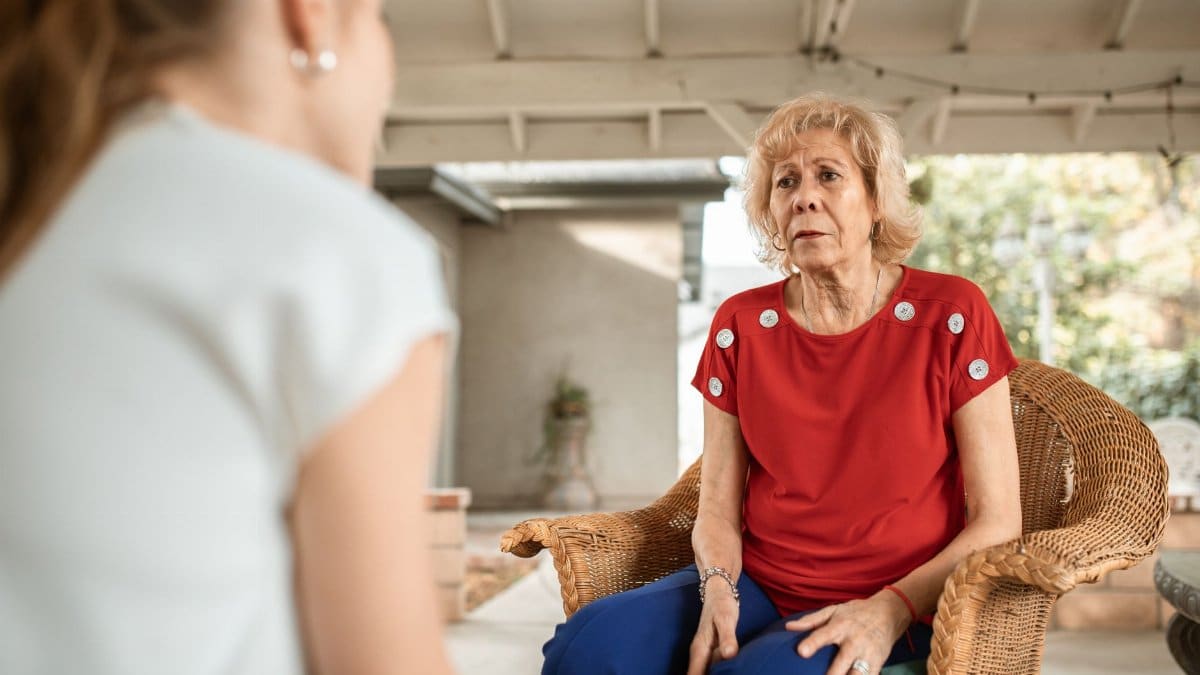
Age cuts through nationality. Voters who arrived as adults in the nineteen eighties often rank freedom from left wing dictatorship first. Their children, born in Miami or raised entirely in its schools, rank climate risk, gun violence, student debt, abortion, and LGBTQ rights with equal seriousness. They are not less Hispanic for doing so. They are less willing to let a single ancestral trauma veto every other issue. Some of them have moved toward Republicans on crime and the economy. Others remain firmly Democratic and resent being told that their parents’ ballot is the authentic one.
Language does not sort them cleanly either. Fully bilingual young professionals consume English podcasts and Spanish family group chats in the same hour. A slur or a slight in either language travels fast. Candidates who mock accents, who treat Spanish as a costume, or who assume every Latino voter wants the same culture war will hear about it before the weekend. The group chat is the new precinct captain, and it does not wait for a press release.
What door knockers actually hear

People who walk blocks in Hialeah, Doral, and Florida City describe a practical voter. The first questions are often about insurance after storms, traffic, school quality, and whether a relative can get a work permit renewed without a year of silence. Party identity comes later, sometimes as a shrug. A surprising number of residents call themselves independent in conversation even when their registration says otherwise. They are shopping, not reciting.
Trump remains a sorting device more than a policy paper. For some Miami Hispanic voters he is the man who confronted regimes they despise and who spoke plainly about borders and crime. For others he is a chaos candidate whose language about immigrants stains even the citizens in the room, and whose legal troubles suggest a man who wants rules for everyone but himself. That split does not always follow the old Cuban and non Cuban line. It follows temperament, media diet, and whether the household felt safer or more exposed during his years in office. Biden and the Democrats face a related test: familiarity without excitement, and a record on prices that is hard to narrate when the cart costs more than it did four years ago.
The local race inside the national one

Senate and presidential maps get the headlines, but county commissions, school boards, and state legislative seats teach the habit of voting. In Miami those down ballot fights are often where immigration lawyers, developers, and union households discover they share a zip code and not a theory of government. A school board argument about library books can sit beside a fight over bus routes and a fight over how the city treats street vendors. National campaigns borrow the emotion and rarely stay for the ordinance.
That gap breeds cynicism. Residents who survived real dictatorships are not impressed by American theatrics, and they are also not impressed by neglect. If a party shows up only when a presidential map turns purple, people notice. The durable organizing in this city still looks unglamorous: citizenship classes, hurricane prep lists, small donor dinners, and volunteers who know which building lost its elevator. Glamour loses to presence.
Misinformation has a local accent

False claims move quickly on WhatsApp, often forwarded by a relative who would never share a scam on purpose. Some posts recycle old socialist scare lines. Others invent voting rules, claim that a ballot will be discarded if marked in a certain way, or smear a local official with a doctored photo. English language conspiracy content arrives translated and slightly altered, which makes fact checking harder. Community newsrooms and voter protection groups spend real time on this, and they are outnumbered by the speed of a family thread.
The honest response is not contempt for the audience. People who fled censored media are right to distrust official voices, and that distrust can be exploited. The remedy is slower and more human than a platform label. It is a trusted librarian, a priest who will say he does not know, a journalist who publishes in Spanish with sources a reader can call. Miami has those people. It also has hustlers selling fear by the forward.
Women, work, and the quiet majority of the list
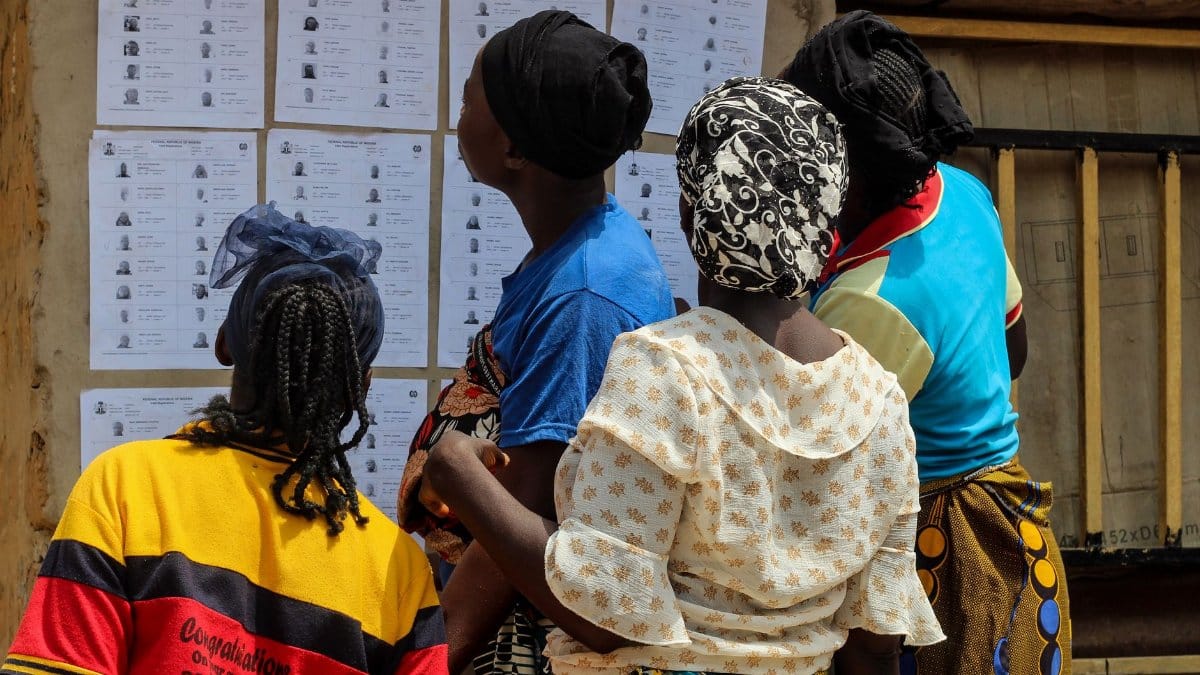
Hispanic women in Miami are not a sidebar. They are nurses, teachers, home health aides, accountants, and owners of salons that double as newsrooms. Their turnout often decides close local races. Many of them carry the immigration file and the household budget in the same purse. They are more likely than the loudest male voices on radio to mention childcare, clinic access, and whether a daughter can walk home after a shift. Abortion and contraception are not abstract culture war trophies in these conversations. They are medical and moral questions argued inside families that also pray together.
Campaigns that speak only to men in hard hats or only to college educated women in English will miss the center of the list. The center is a woman comparing two shifts, a bus schedule, and a ballot guide on her phone. She may land Republican on crime and Democratic on health care, or the reverse, and she may not apologize for the mix.
Storms, insurance, and a politics of staying

Climate enters Miami politics through the insurance bill and the flooded street, not through a seminar. Hispanic homeowners and renters in low lying neighborhoods know which intersections fail first. They also know that a storm does not check party registration. The argument is about who rebuilds faster, who gets priced out by premiums, and whether development keeps paving over the places that used to absorb water. Some voters want stricter building rules. Others fear that every new regulation is a tool for pushing working families farther from jobs.
This is where national brands fray. A voter can want tough immigration enforcement and also want a government competent enough to restore power and process claims. Competence is an ideology of its own in a city that floods. Candidates who joke about science sound, to people who have hauled wet furniture to the curb, like people who do not live here.
What a split electorate asks of the country
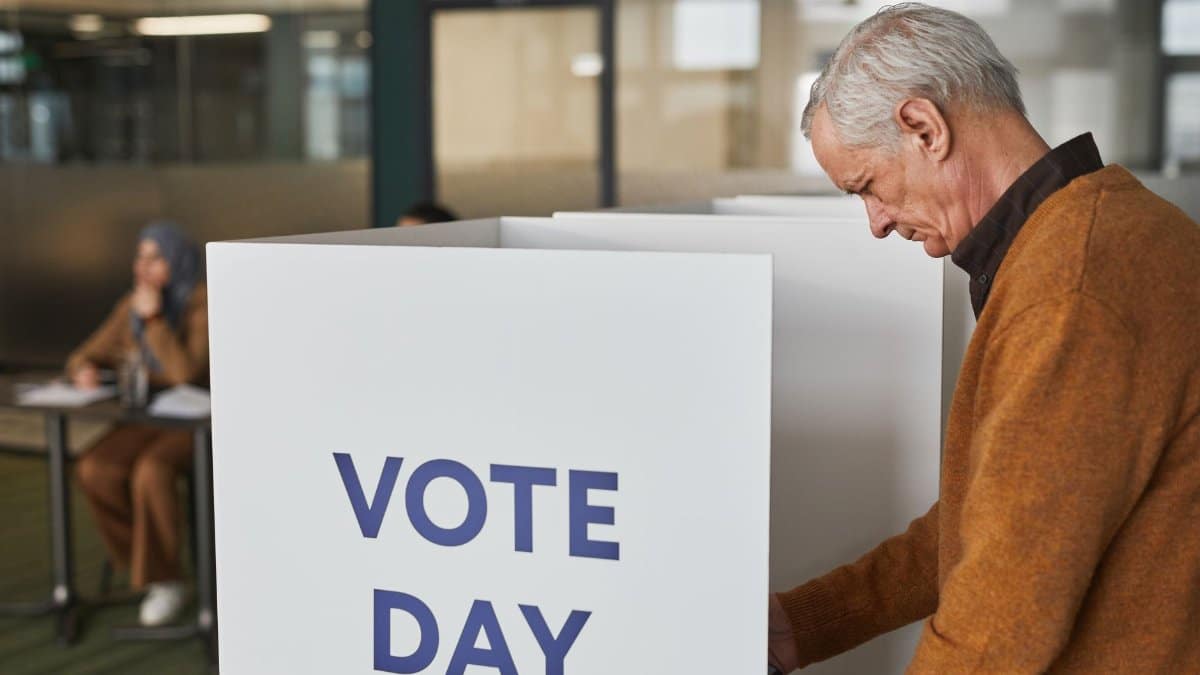
The useful lesson from this city is not that demographics are destiny. It is that destiny talk was always lazy. Miami Hispanic voters split because their histories split, their paychecks split, and their fears do not arrive in matching pairs. Immigration and the economy will dominate the conversation through November because those are the subjects that walk into the house every day. Party labels will follow, not lead, for a large share of the list.
Journalists and strategists can respect that complexity without pretending every view is equally careful. Some rhetoric in this campaign season is reckless, including talk that treats entire nationalities as invaders or that treats every worry about the border as bigotry. Voters here have earned the right to be addressed as adults. They can hold a memory of dictatorship, a bill from the mechanic, and a hope for a child who was born at Jackson Memorial in the same afternoon. The candidate who can speak to all three without sneering will not automatically win Miami Dade. That candidate will at least have earned the argument, which in this city is the only honest way to ask for a vote.