

On a humid weeknight in southwest Miami, folding chairs filled a parish hall long before the microphones were tested. Lawyers sat beside grocers, a nurse kept a notebook on her lap, and a man who left Havana as a child in the 1960s stood to read a list of ministries he hoped a future government might need. Nobody claimed the island had already changed hands. What they claimed was narrower and stranger: that waiting without a plan would be its own kind of failure. In that room the phrase Cuba Miami exile transition stopped sounding like a headline and started sounding like homework.
Plans drawn before the hour arrives

Exile politics in South Florida has always mixed mourning with logistics. Families keep letters, property deeds, and saints medals in the same drawer. In recent months that private archive has spilled into public committees. Groups that once argued mainly about sanctions and travel now draft seating charts for councils, sketches of an electoral calendar, and rules for who might serve in a first transitional cabinet. The Miami Herald has described exiles rushing plans for a Cuba after communist rule, including rebuild costs, councils, and amnesty rules, as pressure on Havana mounted and rumors outran confirmation.
The rush is not only tactical. It is a way to convert decades of waiting into something that can be handed to a younger volunteer. People who spent their careers as accountants in Hialeah are suddenly asked to estimate port repairs. Retired judges are asked to imagine courts that have not yet been authorized by anyone on the island. The work can look premature. It can also look like the only labor available to people who cannot vote in the country they still call home.
What a council can and cannot promise
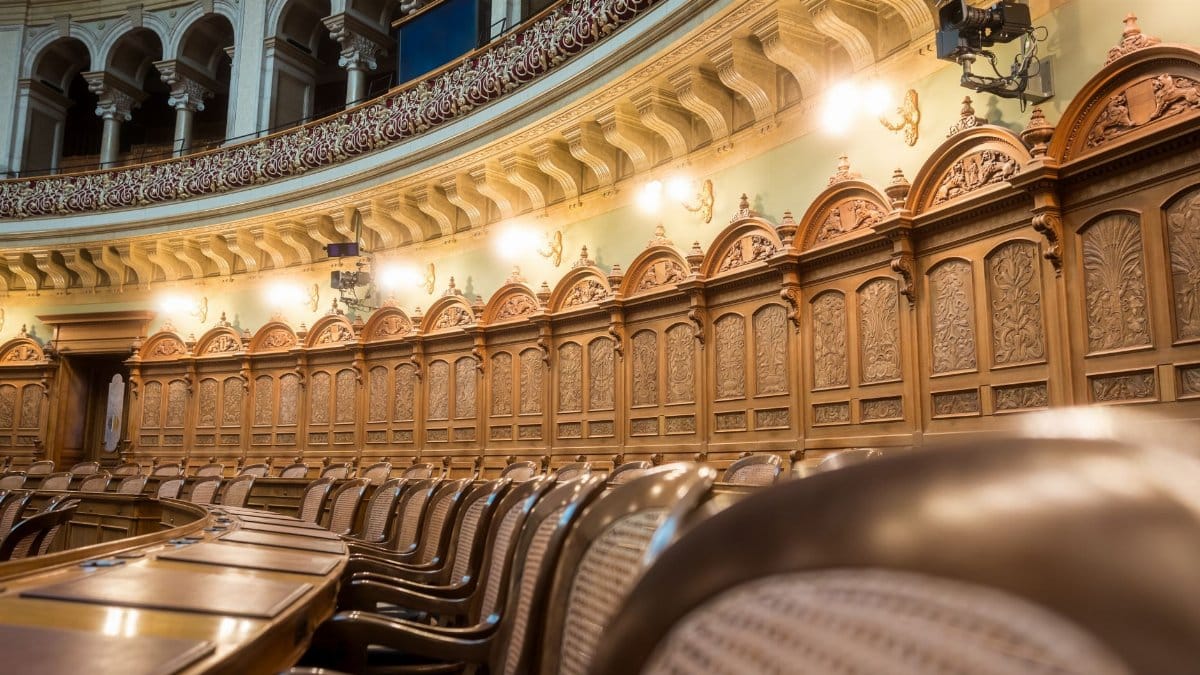
A council on paper is a comfort. It names ministries, sets terms, and pretends that legitimacy can be sequenced like a construction schedule. Speakers in Miami are careful, at least in their better moments, to say that no committee in Florida can appoint the government of Cuba. They talk instead about advice, about lists of technicians, about a bench of people willing to fly home if asked.
That modesty is hard to sustain. Microphones reward certainty. A man who has waited sixty years does not want to hear that his flowchart may be irrelevant to a neighborhood committee in Santiago. Yet the honest version of Cuba Miami exile transition includes that humiliation. Planning from abroad is a draft, not a coronation. The people who stayed, who adapted, who joined the party or refused it or did both in the same lifetime, will have standing that no Miami ballot can manufacture.
The bill no spreadsheet can finish

Rebuild talk begins with romance and ends with concrete, fuel, and salaries. Exile economists describe an economy thinned by shortages, blackouts, and a currency that ordinary people do not trust. They speak of ports, power plants, hospitals, and the simple problem of paying teachers in a currency that buys food. None of those estimates should be treated as a bid. They are arguments about scale. The point is that political change, if it comes, will arrive inside a material crisis, not after it.
Donors like round numbers. Households do not. A cousin in Matanzas needs medicine this month, not a ten year infrastructure vision. The most serious planners in Miami have started to separate emergency relief from constitutional design, because confusing the two insults both. A sack of rice is not a constitution. A constitution will not keep a refrigerator running through the next blackout.
Amnesty and the appetite for scores
Amnesty is where the meetings grow quiet. Some exiles want a broad pardon so that middle rank officials can defect from fear and keep the state from collapsing into revenge. Others hear pardon as betrayal. They can name a jailer, a confiscated house, a brother who never came back from a prison visit. Forgiveness, in that register, is not a civic technology. It is a wound asking to be witnessed.
Churches have language for this that party platforms lack. Catholic parishes and Protestant congregations in Miami have spent years praying for prisoners and for relatives who stopped writing. Pastors warn that a transition built only on punishment will consume the very people it claims to free. They also warn that a transition built only on forgetting will teach the young that cruelty was administrative. A usable amnesty would have to name crimes, limit vengeance, and still leave room for truth. That is a moral design problem, not a press release.
Faith as archive and as brake

If this story belongs anywhere near a spiritual desk, it is because so much of the exile memory was kept in sanctuaries when politics offered only slogans. Virgins traveled in suitcases. Psalms were recited in kitchens after the news. A younger generation that does not share the old anti communist vocabulary still shows up when a church announces a vigil for detainees.
Faith can brake the rush as well as fuel it. A lay leader in Little Havana told fellow parishioners that speed is not the same as providence. She asked them to stop speaking of the island as an empty stage waiting for their script. Prayer, in her telling, was not a substitute for policy. It was a discipline against the fantasy that God had appointed Miami as regent. That kind of speech does not trend. It does keep a room from cheering its own blueprint.
Two Cuban Americas in one family
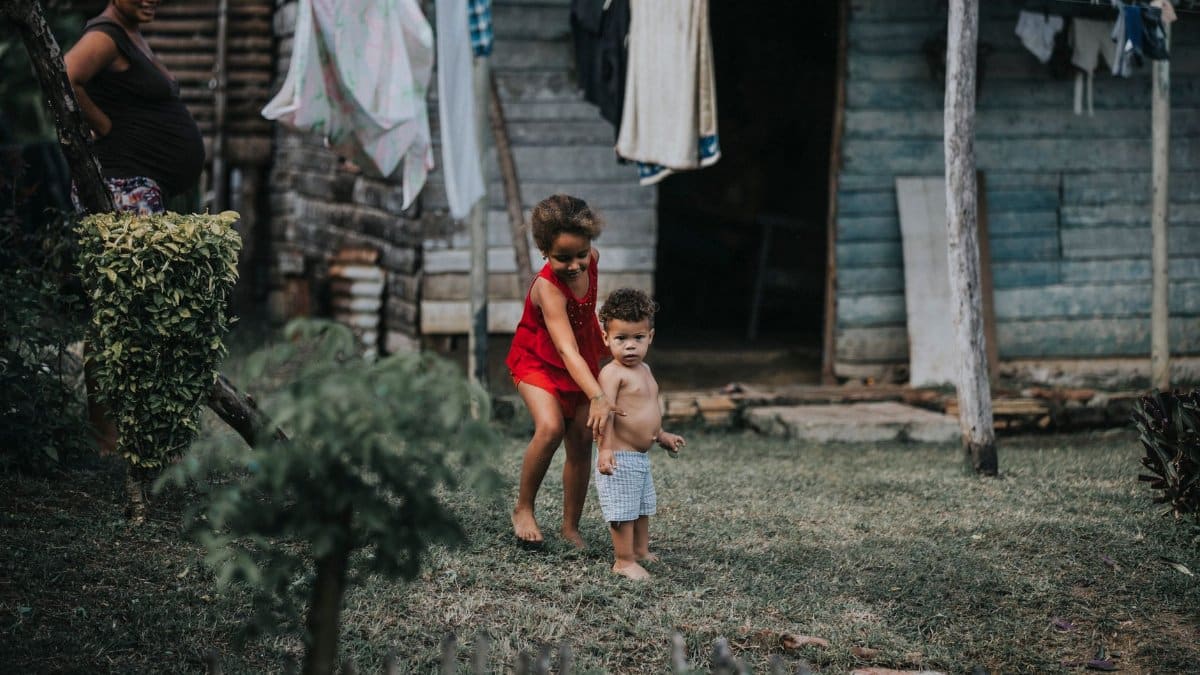
The Cuba Miami exile transition is also a family argument about time. The cohort that left in the early years remembers nationalization as a theft with a date. Their children remember Cuban sandwiches, a flag in a classroom, and arguments at Thanksgiving. Their grandchildren may feel the pull of the island as heritage rather than emergency. Ask three generations what day after means and you will get three calendars.
Younger professionals are less interested in restoring a lost republic than in whether a future Cuba can keep doctors from leaving and can let people speak without calculating the cost. They are impatient with meetings that rehearse 1959 as if it were last Tuesday. Their elders hear that impatience as amnesia. Both can be right in the same evening. A transition plan that cannot survive a bilingual family dinner will not survive contact with the island.
Washington is not a parish hall

Federal policy still frames the outer edge of what exiles can promise. Licenses, remittances, migration rules, and sanctions are not decided by a subcommittee in Coral Gables. Planners who ignore that fact produce documents that feel complete and govern nothing. Planners who wait for Washington produce nothing and call it prudence.
The useful middle is dull. It is knowing which ideas require an act of Congress and which require a phone tree of nurses. It is refusing to tell a crowd that a new government in Havana can be midwifed from a hearing room. American sympathy is real and limited. It does not repeal Cuban agency. Any serious account of Cuba Miami exile transition has to say that aloud, even when the room wants a different sentence.
The people who did not leave
Every exile plan has a missing chair. The person in it is a teacher in Pinar del Rio, a private restaurant owner who learned to live with inspections, a soldier who is not a slogan, a dissident who has already paid in years. They do not experience Miami meetings as representation. Some experience them as noise. Others listen carefully, because a relative in Florida may be the only source of dollars and of news that state television will not carry.
Respect begins with that asymmetry. People who stayed did not fail a loyalty test written in Miami. They lived inside constraints the planners describe from memory or from calls. If councils in Florida publish rules for amnesty or property without a path for island voices to revise them, the documents will age into curiosities. The more humble drafts say so on the first page. They invite correction. They treat the diaspora as a reservoir of skills, not as a government in waiting with a better accent.
Property, memory, and the house that is not empty

Few topics sour a meeting faster than a key to a house now occupied by someone else. Restitution speaks to justice for families who watched deeds nullified. It also threatens people who have lived for decades in those rooms, who painted the walls, who buried parents from those porches. A transition that promises every old owner a clean return will promise a new dispossession. A transition that shrugs at confiscation will tell exiles that their loss was merely sentimental.
There is no elegant formula that satisfies both claims. There are only bad options ranked by how much additional cruelty they add. Compensation funds, time limits, and special courts appear in exile memos because pure restoration is a ghost. Saying that in public is harder than denouncing the original seizure. It is also more adult. Spiritual language helps only if it refuses easy absolution. Loving your neighbor is not a land title.
What speed does to judgment

Rumors compress time. A power cut, a general removed, a speech that sounds tired, and group chats fill with the conviction that the end is a weekend away. Committees then accelerate so they will not be late to their own hope. Acceleration has a cost. Sloppy amnesty rules, fantasy budgets, and councils stacked with famous names can discredit the very idea of preparation.
The better habit is rehearsal without theater. Publish assumptions. Date them. Mark what is unknown. Invite Cuban voices outside Miami to mark up the text, including voices that dislike exile politics. If the Cuba Miami exile transition is to be more than a mood, it needs the boredom of revision. History rarely arrives on the schedule a parish hall prefers. When it does arrive, the groups that kept their papers honest will be more useful than the groups that kept their applause loud.
A day after that still has to be lived
The phrase day after flatters the imagination. It suggests a hinge, a morning when the old flag is wrong and the new one is obvious. Lived political change is usually messier. Garbage still needs collecting. A parent still needs insulin. A soldier still needs a reason not to fire. Exile plans matter insofar as they serve those plain facts.
Miami will keep meeting. It should. The diaspora carries skills, capital, and a memory the official story tried to sand away. It does not carry a deed to the future. The spiritual task hiding inside the political one is custody without possession: to prepare, to tell the truth about cost and grievance, and to leave the last word to people who wake up on the island. That is a harder hope than victory. It is the only hope that does not quietly replace one monopoly with another.