
On a closed stretch of street, teams in bright shirts leaned into metal bed frames and ran. Wheels rattled. Someone shouted a count. People on the sidewalk laughed, then went quiet when a volunteer explained what the money was for. The Miami-Dade Homeless Trust turned that odd sprint into a twenty thousand dollar haul on Homeless Awareness Day, using a bed race to talk about older people who have nowhere steady to sleep.
A race built to stop traffic and conversation
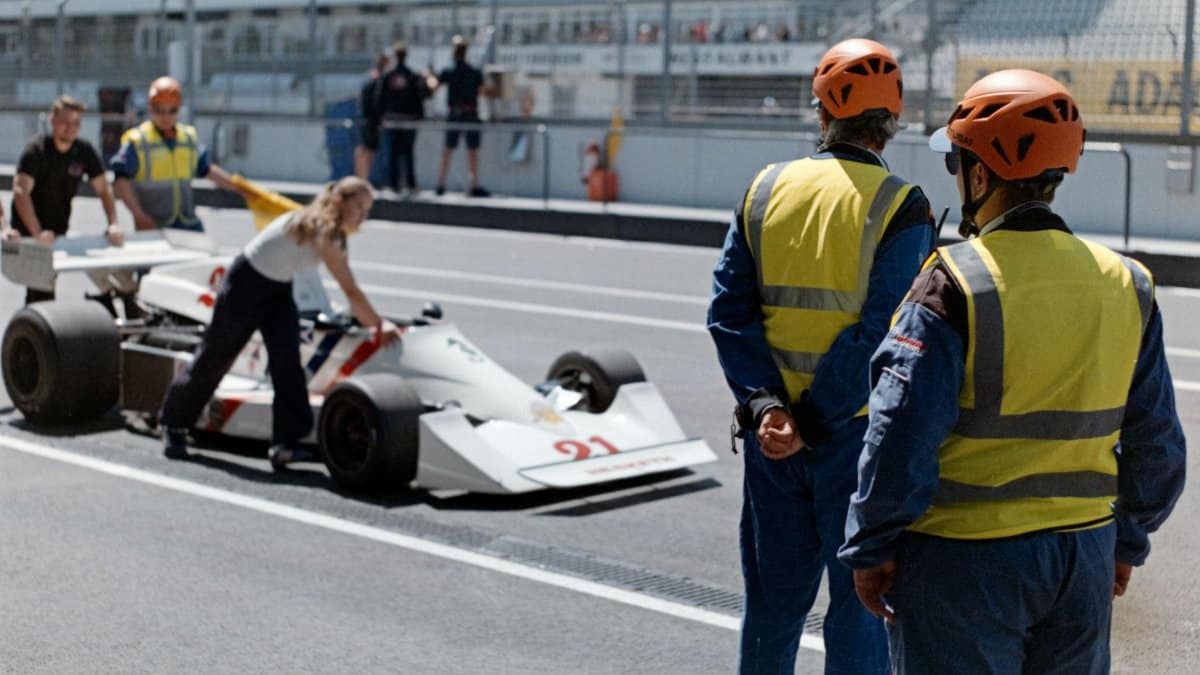
The Sprint for Seniors Bed Race is not subtle, and that is the point. A bed is a private object dragged into public view. It is heavy, awkward, and slightly absurd at speed. Organizers counted on that absurdity. A pamphlet on a folding table rarely draws a crowd. A team trying not to tip a mattress does.
According to reporting from WLRN, the event raised $20,000 during Homeless Awareness Day. That sum will not rehouse a county. It will, if spent with care, cover a stretch of shelter nights, a deposit, a bus pass, or the kind of case management that keeps a person from cycling back to the street after a hospital stay. The race mattered as much for the sentence it forced into the open: more of the people without housing here are older than the old picture of homelessness allows.
Why a bed, and why seniors
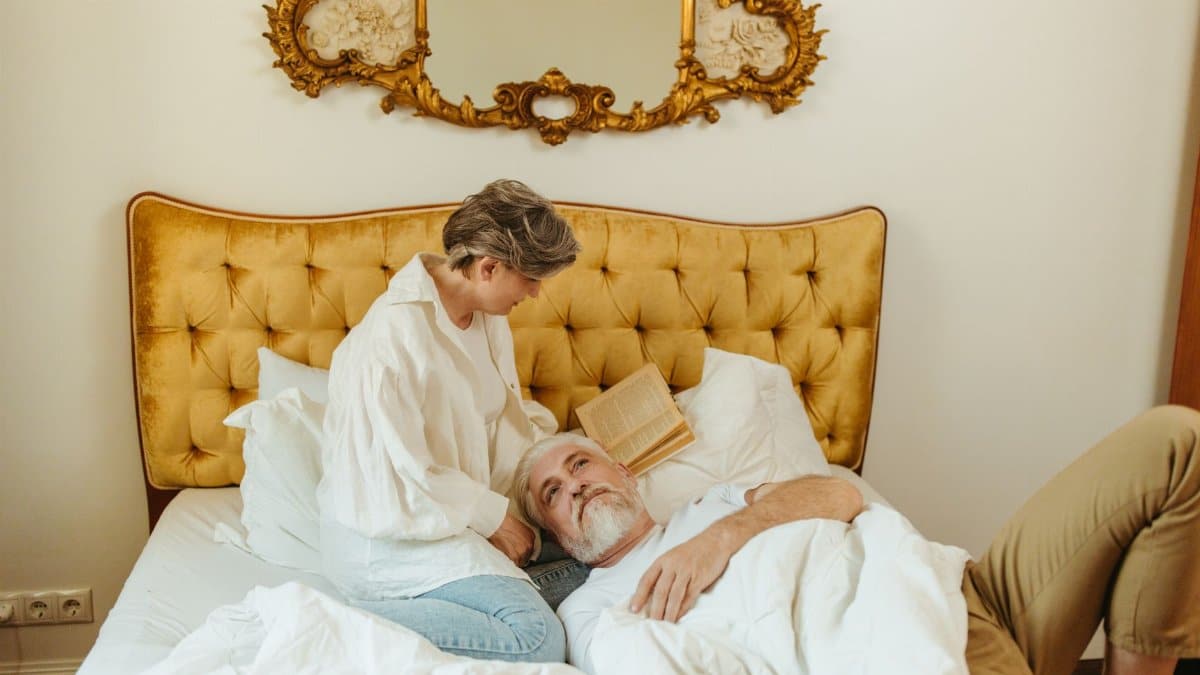
A bed is the thing most of us treat as ordinary until it is gone. For someone in their sixties or seventies, losing it is not a brief hardship. Joints do not recover from concrete. Medications spoil in heat. A night outdoors can undo months of fragile health. The prop on the course was a joke. The absence it stood for was not.
Younger adults can sometimes patch together couches, short jobs, and friends with a spare room. Older adults more often live on Social Security, a small pension, or nothing predictable at all. A rent increase, a spouse’s death, a fall, or a discharge from a hospital with no follow up plan can end a long tenancy. Once that happens, the street is a poor match for a body that needs a bathroom, a pharmacy, and eight hours lying down.
What the trust is built to do

The Miami-Dade Homeless Trust is the county’s main public coordinator for homelessness, not a single shelter with a logo. It plans, funds, and tracks a network: emergency beds, outreach teams, permanent housing with support, and programs aimed at people leaving institutions. Its own site, homelesstrust.org, describes that continuum in the dry language of contracts and outcomes. The bed race was the loud version of the same job.
A dedicated tax on food and beverage sales has long been part of how this work is paid for, which is why a charity sprint can feel both essential and small. The trust’s daily machinery runs on public revenue and federal grants. A Saturday race runs on attention. Both are necessary. Neither replaces the other.
Twenty thousand dollars against a county sized need

$20,000 is real money in a household and a rounding error in a housing system. Honesty about that gap is part of responsible coverage. A single deposit in Miami can consume a large share of a modest check. Ongoing rent help, which is what keeps many older people indoors, costs more than a finish line photo can raise.
Still, small restricted gifts have a use. They can fill holes that large grants refuse: an identification fee, a storage unit so a person is not choosing between a job interview and a pile of belongings, a week in a motel when a shelter bed is full and a storm is coming. The test is whether the Miami-Dade Homeless Trust, and the providers it funds, can say later where this particular $20,000 went. Spectacle without a ledger is just a parade.
The older face of homelessness

National counts have for years shown a rising share of unsheltered and sheltered people who are fifty and older. Local advocates in South Florida describe the same shift, even when a given year’s census is still being finalized. The reasons are not mysterious. Wages and benefits did not keep pace with housing costs. Medical debt arrives later in life. Family networks thin out. A person who managed a rooming house in their forties may not manage a market rent in their sixties.
Older homelessness is also harder to see. Some people stay in cars, cheap motels, or adult children’s apartments until those arrangements collapse. They do not match the stereotype, so policy built around that stereotype misses them. A bed race named for seniors is a crude correction. It tells donors and officials that the person who needs the bed may have gray hair, a walker, and a work history longer than the event’s volunteer list.
Awareness day and a spiritual public
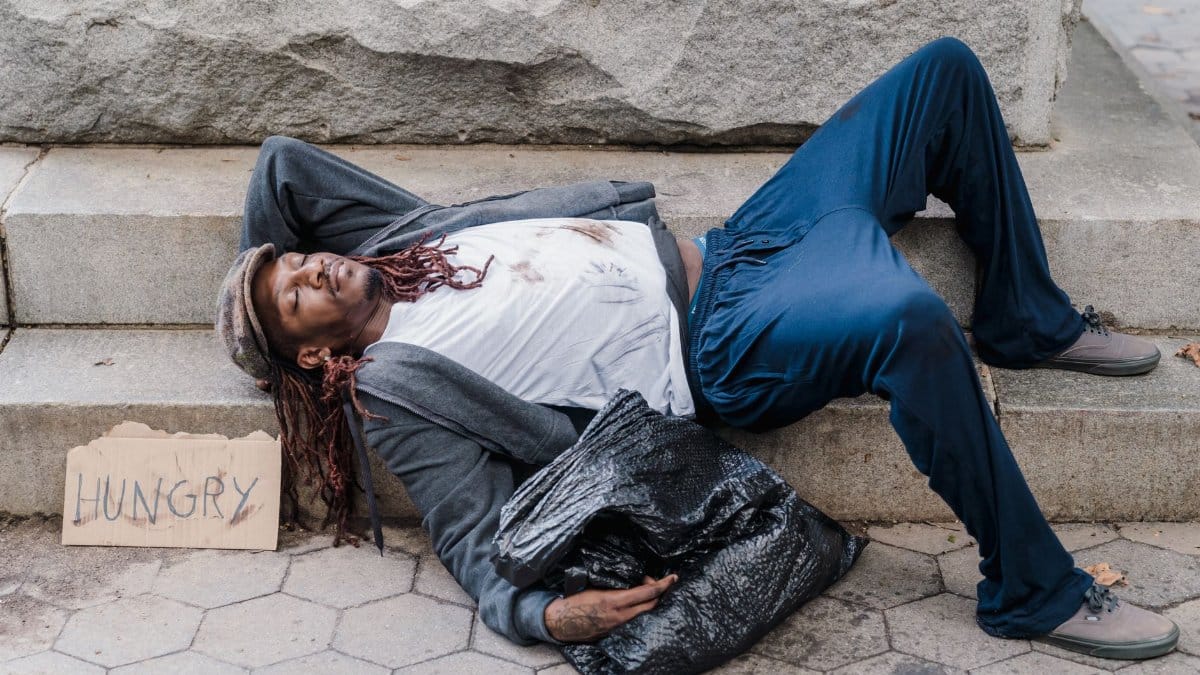
Homeless Awareness Day sits in a civic calendar, but in this county it also sits inside a spiritual one. Churches, synagogues, mosques, and storefront congregations have fed people, stored their documents, and argued with landlords for decades. Many of those communities treat housing not as a lifestyle topic but as a duty owed to the fragile. The race gave them a public hour that was not a sermon and not only a soup line.
That mix can be uneasy. Charity sometimes soothes the giver more than it changes the night. Faith communities that stay past the awareness day tend to do plainer work: rides to clinics, visits in shelters, pressure on zoning boards, spare rooms when the theology of welcome gets specific. The spiritual claim worth keeping is simple. An older person without a bed is not a symbol. The person is a neighbor whose body is wearing out in public.
Volunteers, costumes, and the risk of cute

Bed races invite costumes, team names, and photos that travel well. There is nothing corrupt about joy at a fundraiser. People give more when they are not scolded for the length of a speech. The risk is cuteness. If the image that remains is only athletes and mattresses, the older person disappears again, this time under applause.
Good events keep a person, not a prop, at the center. A short testimony, a table staffed by outreach workers, a clear ask that is not only cash: those details decide whether the afternoon was entertainment with a cause attached. Organizers who have done this before know the crowd will remember the fastest team. They have to decide what else the crowd is allowed to remember.
What one afternoon cannot repair
No race fixes zoning that blocks small apartments, a shelter system short of medical beds, or hospitals that discharge patients to the sidewalk. Those are structural facts. Pretending a novelty event solves them insults the people who sleep outside and the staff who already know the limits of their own budgets.
The useful claim is narrower. Public attention is a scarce resource, and older homelessness loses the competition for it. Younger faces, disaster footage, and political fights crowd it out. A strange race on a named day buys a few hours of focus. Officials who showed up can be asked, later, what they promised when the wheels were still turning. Residents who laughed can be asked whether their next vote, lease, or congregation budget matches the feeling they had at the curb.
Housing first, then the details of age
The prevailing approach in much of the country is to get people indoors quickly and attach services after, rather than demanding sobriety or perfect paperwork as a ticket inside. For older adults that sequence is not a theory. It is physiology. You cannot manage diabetes, dementia, or a healing fracture from a doorway.
Age adds details that generic programs skip. Ground floor units. Grab bars. Help with benefits that take months to untangle. Staff who are not startled by grief or by someone who has outlived their friends. A trust that funds those details is doing senior policy whether or not the brochure says so. The bed race was a billboard for that quieter design.
How to read a successful fundraiser
Success, in this case, is a stack of modest facts. The race happened. People came. $20,000 was raised. The Miami-Dade Homeless Trust attached the money to a population that is growing and easy to overlook. Those facts are worth reporting without inflation.
They are not the end of the story. The end is a door that locks, a bed that does not roll down a street, and a morning in which an older resident is not a topic. Until that morning is common, awareness days will keep inventing strange sports. The invention is forgivable. Forgetting the person after the photo is not.