
On a calm morning along the bay, the case for a rebuilt marine park can sound almost settled. Experts will watch the water. Experts will speak up if the plan goes wrong. That is the comfort attached to the Seaquarium science council, a panel developer David Martin has held up as proof that science would have a seat at the table. A University of Miami coral researcher who serves on the council tells a different story. The group has met only three times and has been asked for little. For a city that has already lived through years of argument over this shoreline, a name on a letterhead is not the same thing as advice that changes a design.
A promise that traveled faster than the work

Big waterfront projects in Miami rarely arrive as drawings alone. They arrive as stories about stewardship. A science council is a powerful story because it suggests that someone outside the development team will test the claims. Neighbors hear that a fragile bay will not be left to marketing language. County officials hear that controversy can be managed. Investors hear that risk has a process.
The trouble begins when the story outruns the meetings. WLRN reported that the council touted by Martin has gathered only three times and that a coral researcher at the University of Miami, a member of the panel, says the group has given little input. That is a narrow set of facts, and it is enough to reopen a larger question. Was the council built to guide a new Seaquarium, or was it built to be mentioned?
What three meetings can and cannot prove

Three meetings are not nothing. A new panel can spend its first sessions on introductions, conflict rules, and the shape of the questions it is willing to take. Scientists are right to move slowly when the subject is a living bay. Coral, seagrass, stormwater, and animal care do not yield to a single afternoon.
Still, three meetings without a visible body of advice is a thin record for a project sold in part on scientific guidance. A council that has not been handed hard questions cannot be credited with answering them. The public cannot review a recommendation that was never requested. Silence, in this setting, is not neutral. It leaves the developer free to say that experts are involved while leaving those experts with little to show.
The view from a coral lab

The researcher’s account matters because it comes from inside the room, not from an opponent guessing at the door. A University of Miami scientist who studies coral is not a casual volunteer. That work sits at the center of South Florida’s environmental anxiety: warming water, disease, runoff, and the long argument over how much more a crowded coast can ask of a reef system already under strain.
If that scientist says the Seaquarium science council has been asked for little, the claim is not that every member is unhappy, or that every future meeting will be empty. It is simpler and more damaging. The panel has not been used as a working instrument. People who joined in good faith can find themselves decorating a process they do not control.
Why this shoreline carries a longer memory
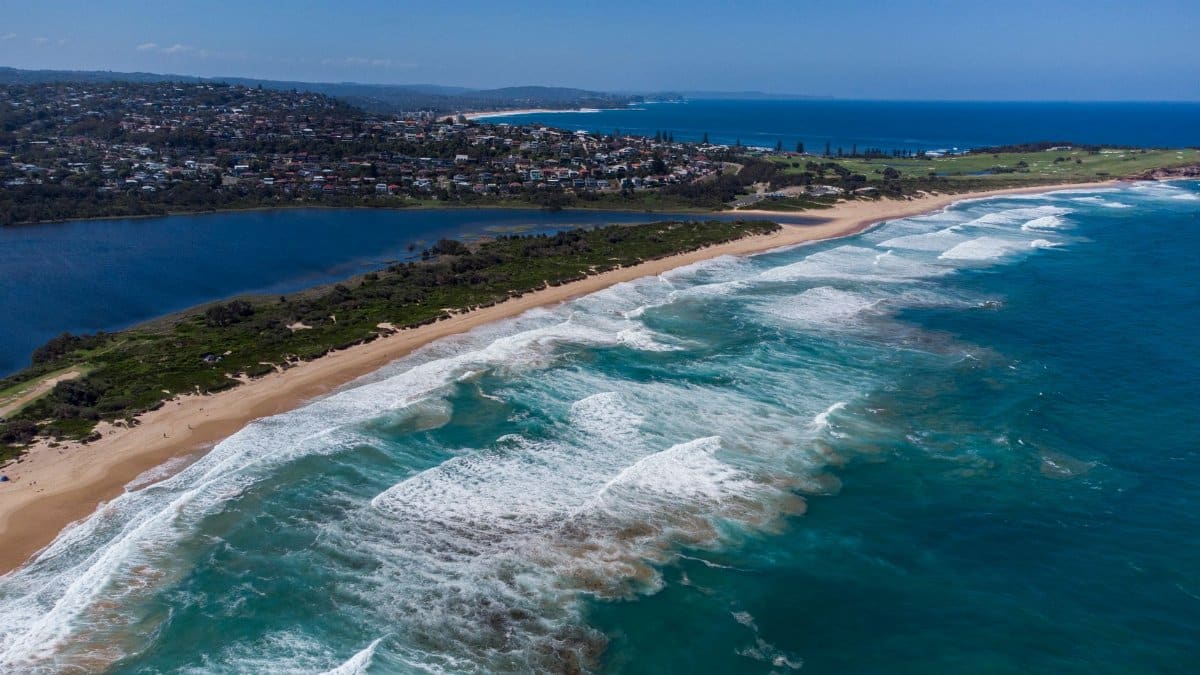
The Miami Seaquarium is not a blank site. For decades it was a familiar outing, a place parents took children to see dolphins and other marine animals against the sweep of Virginia Key. It was also, in later years, a focus of protest, inspection, and grief over animal welfare. Those arguments do not vanish because a new owner or a new developer arrives with a new rendering.
Any plan that keeps animals on display, or that reshapes their tanks and the water around them, inherits that memory. So does any plan that treats the park as a civic amenity beside a bay people swim, fish, and watch for signs of decline. A science council was one way to say the next chapter would be different. The reporting suggests the chapter has not yet been written with the scientists in the draft.
Guidance is a verb, not a title

Advisory bodies fail in a predictable way. They are announced at a press event. They receive a broad mandate and no calendar of decisions. Staff send a slide deck after the important choices have narrowed. Members are thanked. The public is told that experts were consulted. Months later, no one can point to a line in a permit, a tank design, or a water quality plan that moved because of the council.
A working panel looks different. It receives questions early, in writing, with enough time to disagree. It sees the data, not a summary written to soothe. It is allowed to say no, or not yet, or we do not know. Its notes are public enough that a resident can tell whether the advice was followed, rejected, or never sought. Without that trail, a council is a reputation, not a check.
The questions that should have been on the table

Nobody needs a secret briefing to list the issues a Seaquarium science council could have been pressed to examine. How will water be drawn, treated, and returned? What happens to that system in a heavy rain or a long heat wave? Which species are proposed for display, and what standard of care is promised in writing rather than in a brochure? How will construction affect nearby habitat? Who monitors after opening day, and who can halt an exhibit if the monitoring goes bad?
Those are not hostile questions. They are the ordinary price of building beside a bay. A developer can answer some of them with engineers and veterinarians on payroll. Outside researchers are useful precisely because they do not share that payroll. If they are not asked, the project may still be careful. The public has no independent way to see the care.
David Martin and the politics of reassurance

David Martin has a developer’s incentive to reassure. Large projects in Miami Dade move through neighbors, commissioners, lenders, and a press corps that remembers the last fight. A science council is a rational tool in that environment. It signals humility. It suggests that profit and a public shoreline can be held in the same plan.
Reassurance becomes a problem when it is not matched by use. Touted is the right word for a panel that appears in the pitch more clearly than in the work. Residents are not owed a veto by every professor who accepts an appointment. They are owed a straight account of what the appointment was for. If the council’s job was ceremonial, that should be said plainly. If its job was to guide, the absence of guidance is the story.
Scientists who lend their names

There is a personal cost on the other side of the table. Researchers who join civic panels spend time they could spend on fieldwork, students, or grants. They also spend credibility. A university affiliation, once attached to a private project, is read by the public as a kind of warrant. People assume the scientist would not stay if the process were empty.
That assumption is often too kind to the process and too hard on the scientist. Members may lack staff, data, or a chair willing to put real choices in front of them. They may fear that resigning will be spun as a feud. The more honest path, and the one this researcher has begun, is to describe the record in public. Three meetings. Little asked. Little given. That description lets the rest of us judge the warrant for ourselves.
What county oversight cannot outsource
Local government sometimes treats an outside council as a substitute for its own questions. It is not. Leases, permits, and zoning conditions belong to public bodies that can compel answers. A voluntary panel cannot subpoena a water budget. It cannot rewrite a contract. It can only advise, and only if someone asks.
If officials have pointed to the Seaquarium science council as a reason for comfort, they should now ask for the work product. What was reviewed? What was recommended? What was ignored? If the answer is that the panel has barely been used, the comfort was borrowed. Oversight then has to return to the county, the state agencies that regulate animal care and water, and the documents a resident can actually read.
A bay does not grade on intention

South Florida has a habit of announcing care for the water in the same season it approves more pressure on the water. Some of that pressure is inevitable in a growing metro. Some of it is a choice about pace, design, and honesty. A marine park sits in a special category because it claims to teach the public about the sea. The lesson starts before opening day. It starts with whether the people who study the sea were invited into the decisions or into the photograph.
Coral researchers, in particular, have little patience left for symbolic consultation. They have watched reefs bleach and disease move faster than management plans. They know the difference between a monitoring program and a sentence about monitoring. When one of them says a guidance body has not been asked for much advice, the bay is not insulted by the tone. The bay is simply unmoved by intention.
What would count as a correction

A correction is still available, and it does not require a new slogan. The council can be given a written docket: the studies in hand, the designs still open, the deadlines that are real. Members can be asked for memos, not applause. Disagreements can be recorded. If Martin wants the panel to guide a new Seaquarium, he can show the guidance in the next set of plans. If he does not, he can stop citing a council that has not been put to work.
Residents can ask for the same paper. How many times has the group met since the third session? What questions were posed in writing? Which answers changed a drawing? Those are dull questions, which is why they work. Spectacle is easy to stage. A paper trail is not.
The standard for the next promise

This episode will outlast one park. Miami will keep hearing versions of the same assurance: a council, a task force, a circle of experts standing between a private plan and a public coast. Some of those bodies will earn the assurance. They will meet, argue, and leave a record that a skeptical reader can follow. Others will be introduced early and consulted late, if at all.
The standard is not hostility to development, and it is not a demand that scientists run a business. It is a refusal to treat expertise as decor. The Seaquarium science council was created, we were told, to guide. Until it is asked to guide, and until the public can see what it said, the promise remains a sentence in search of a meeting.