

In recent weeks the avocado trade between Mexico and the United States has encountered serious disruption. The avocado import halt imposed by American authorities stems from concerns over safety for inspectors working in key growing regions. This measure has sent ripples through markets and farming communities alike. Growers in central Mexico now face uncertainty as shipments remain suspended pending improved conditions. Officials on both sides of the border are working to resolve the issue swiftly to prevent further economic strain on an industry that supports thousands of jobs.
Roots of the Current Trade Tension
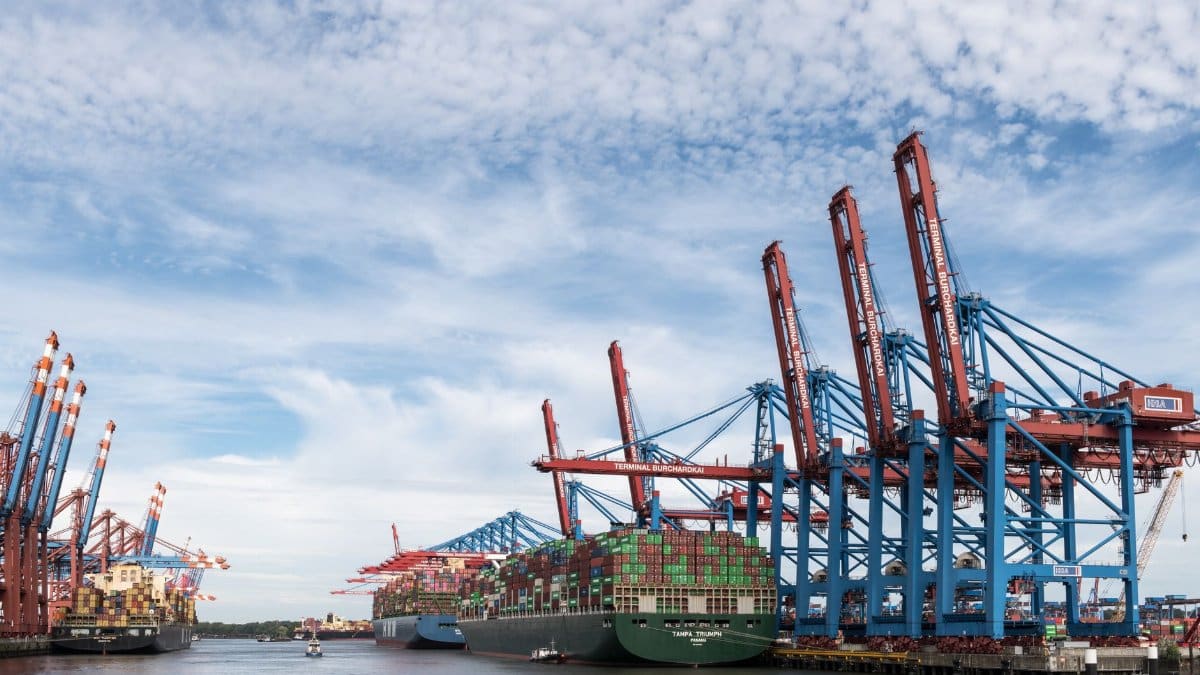
The decision to pause imports reflects deeper worries about organized crime influence in avocado producing zones. American inspectors have reported direct threats that hinder their ability to verify fruit quality and safety standards. Mexican leaders responded by committing additional military personnel to patrol roads and facilities around orchards. This approach aims to restore confidence and allow trade to resume without delay. Historical patterns show that similar security measures have helped stabilize other agricultural exports in the past.
Role of Military Presence in Farming Zones
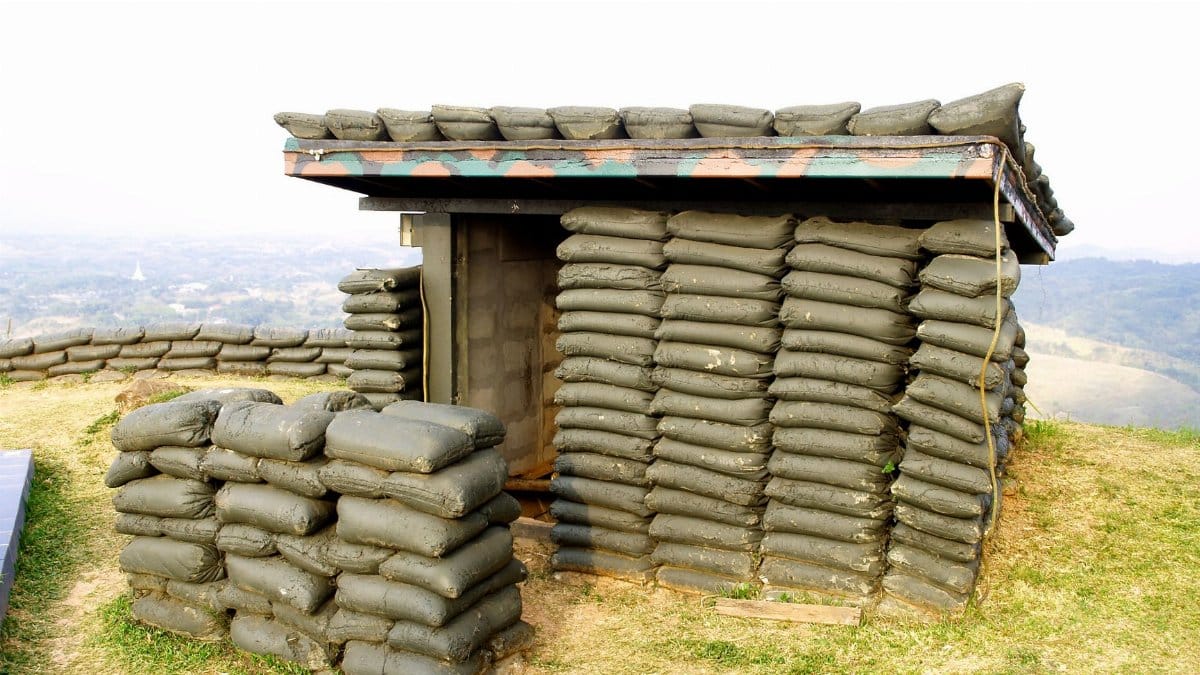
Deployment of troops focuses on protecting both local workers and foreign visitors who oversee shipments. Communities near the affected areas have mixed reactions with some welcoming the added security while others express caution about increased militarization. The strategy draws from prior efforts to safeguard supply chains during periods of unrest. Success depends on coordination between national forces and regional authorities to address root causes of instability.
Impact on American Consumers and Markets

Avocados form a staple in many households across the United States with demand rising steadily over the last decade. A prolonged avocado import halt could lead to higher prices and limited availability in grocery stores. Retailers are already exploring alternative suppliers from other countries though none match the volume or quality traditionally provided by Mexican producers. Economists note that short term adjustments may ease pressure but long term solutions require diplomatic progress.
Economic Pressures on Mexican Growers

Farmers in the affected regions rely heavily on exports to sustain their livelihoods and support local economies. With shipments on hold many face cash flow challenges that affect planting cycles and worker wages. Cooperatives are urging government support to bridge the gap until inspections resume. Broader agricultural networks warn that repeated disruptions erode trust in international agreements and encourage diversification into other crops.
Diplomatic Efforts to Restore Normal Trade

Negotiations continue at high levels with representatives from both nations meeting to outline steps for enhanced protection protocols. The goal remains a quick return to regular avocado flows while addressing the threats that prompted the avocado import halt. Past collaborations on border issues provide a foundation though new challenges require fresh commitments. Observers emphasize the importance of transparent communication to prevent escalation into wider trade disputes.
Broader Implications for Global Agriculture
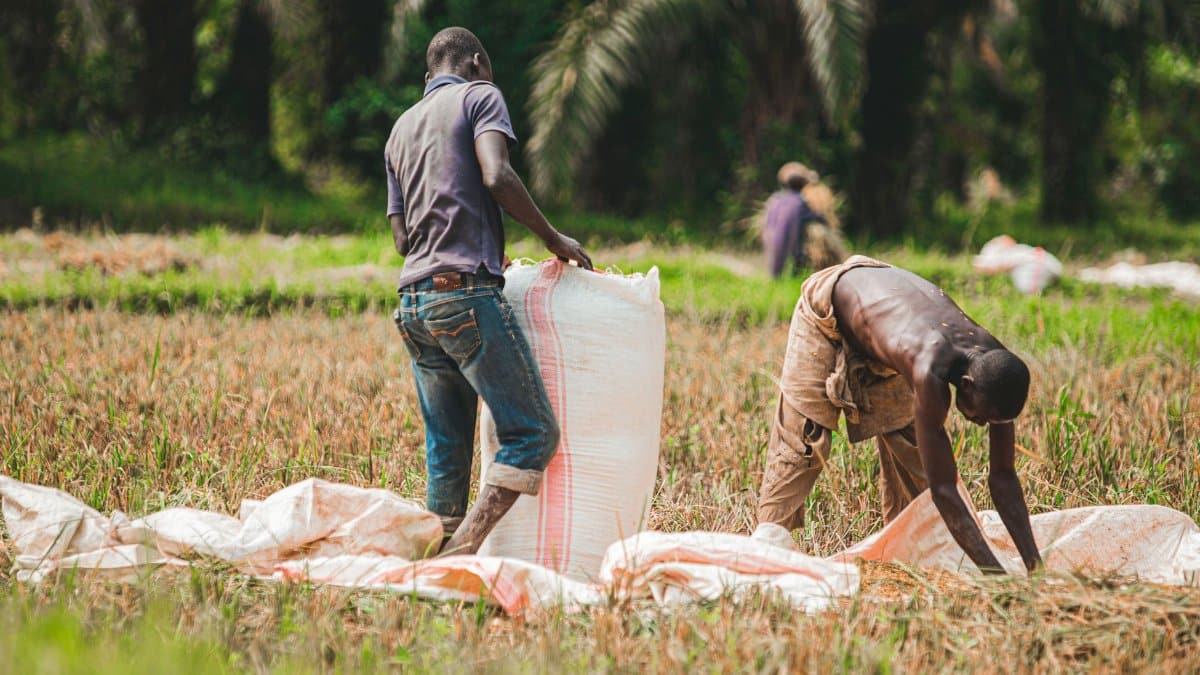
This episode highlights vulnerabilities in cross border food supply systems that depend on stable security environments. Other nations exporting perishable goods watch closely as lessons from the avocado situation could shape future policies. Investment in rural development and law enforcement often proves essential for maintaining reliable trade partnerships. Sustainable practices gain attention as stakeholders seek resilience against unexpected interruptions.
Public Reactions and Media Coverage

News outlets have amplified stories from affected farms and border checkpoints drawing attention to the human side of policy decisions. Readers express concern over potential shortages during peak seasons when avocados feature prominently in meals. Social discussions reveal divided opinions on the balance between safety priorities and economic needs. Community forums host debates about long range strategies that could prevent similar halts.
Future Outlook for Avocado Trade Relations
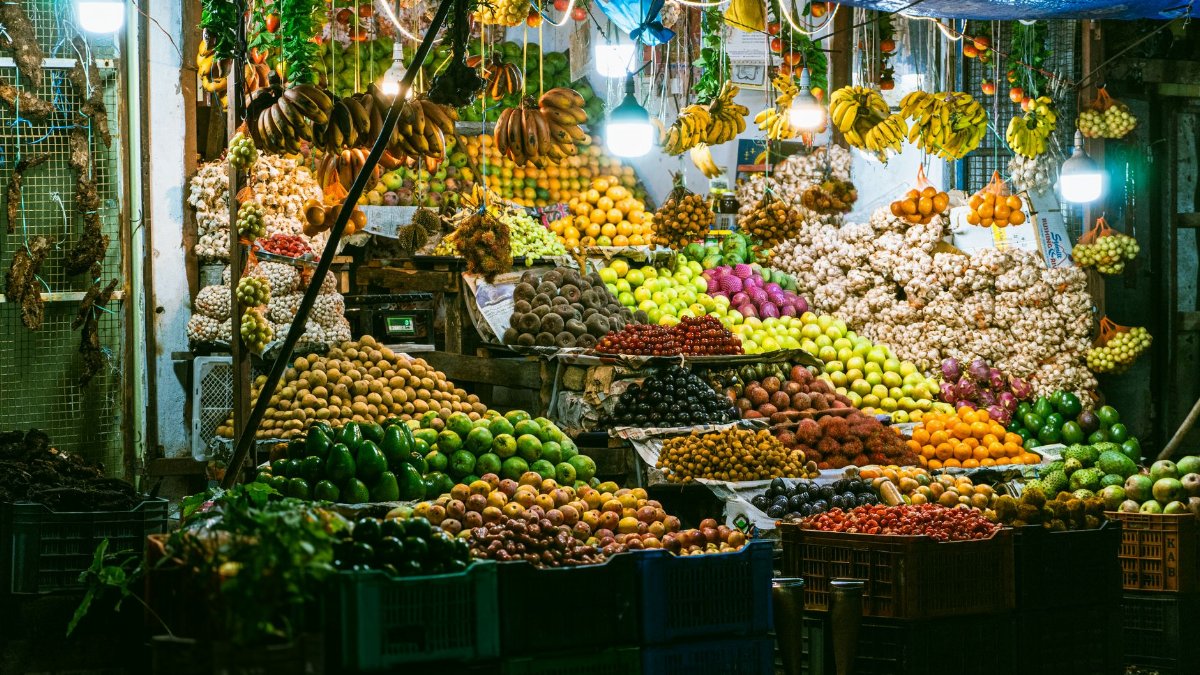
Resolution of the immediate crisis may pave the way for stronger bilateral frameworks that incorporate advanced monitoring technologies. Both governments recognize the mutual benefits of uninterrupted commerce in this sector. Continued focus on security enhancements should support a stable environment for all parties involved. The episode serves as a reminder that agricultural trade requires ongoing attention to underlying social conditions.