
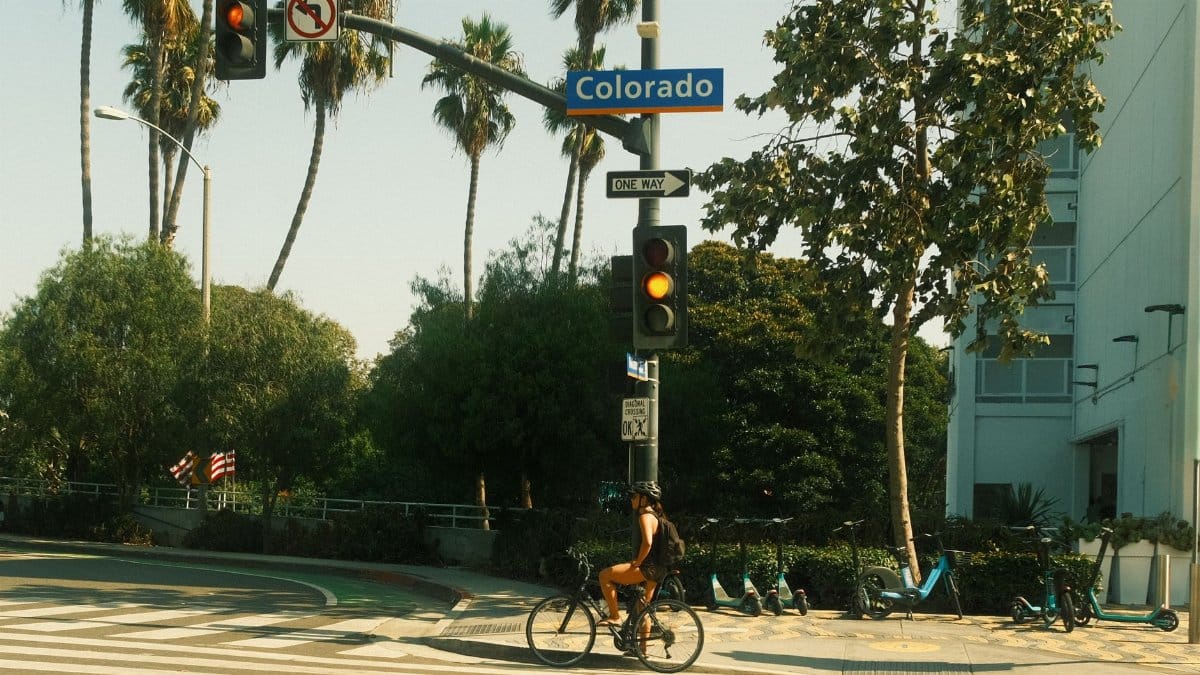
In a city long defined by its freeways and endless sprawl, some residents have begun exploring what it means to leave the car behind entirely. Car free living Los Angeles is gaining quiet traction among those tired of traffic jams and high parking costs. One resident recently described trading her daily drive for a mix of buses and short walks, noting how the shift opened up time for reflection amid the urban rush. This change reflects broader questions about how people move through a metropolis built around the automobile, where alternatives once seemed impractical yet now draw steady interest from a diverse group of locals.
Profiles of Everyday Transit Users
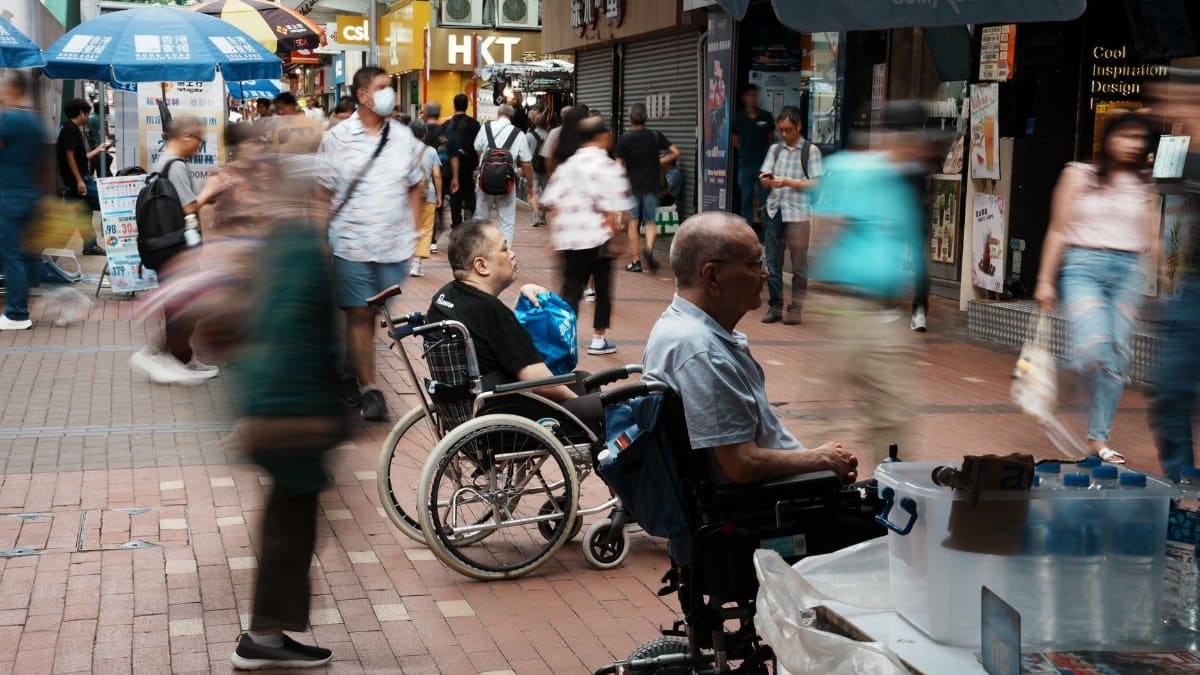
Several Angelenos have shared stories of adjusting their schedules around bus and train timetables. A graphic designer in Echo Park now plans meetings with extra buffer time, allowing for connections that once felt unreliable. Her experience highlights patience as a new necessity when relying on public systems that continue to expand routes across neighborhoods.
Adapting to Bicycle Commutes
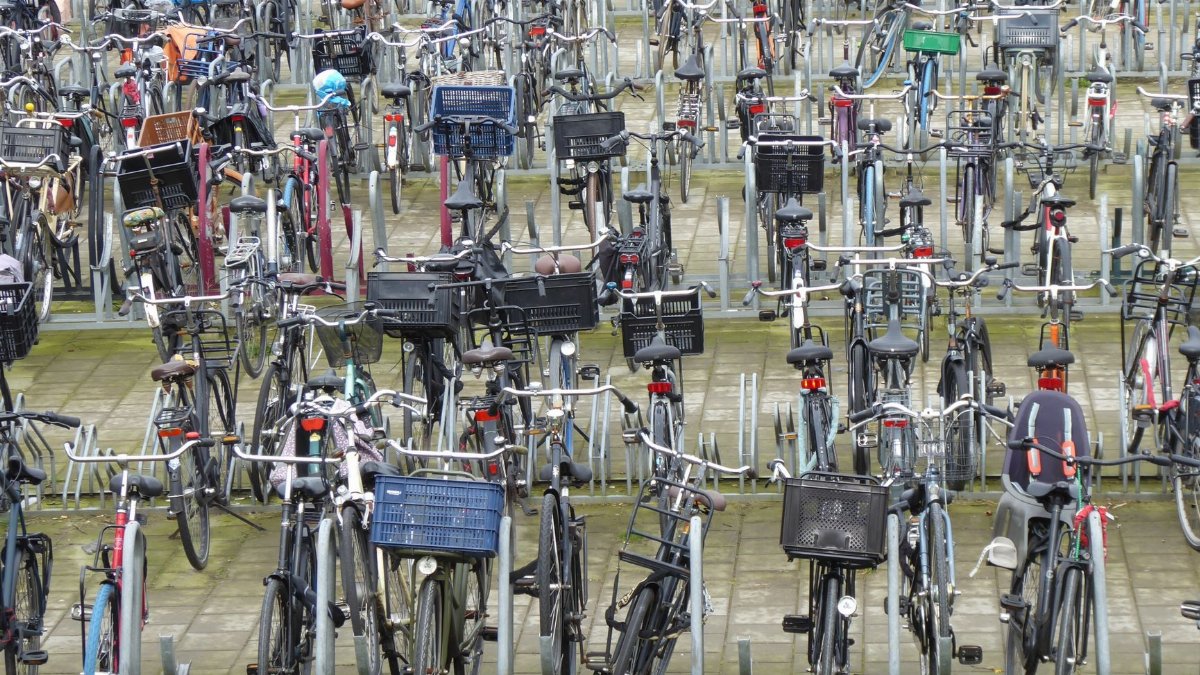
Biking has emerged as a practical choice for shorter distances in flatter parts of the city. One teacher pedals to work along protected paths that have appeared in recent years, finding the activity improves both fitness and mood before the school day begins. Safety remains a concern on busier streets, yet dedicated lanes help ease those worries for regular riders.
Walking as a Viable Option
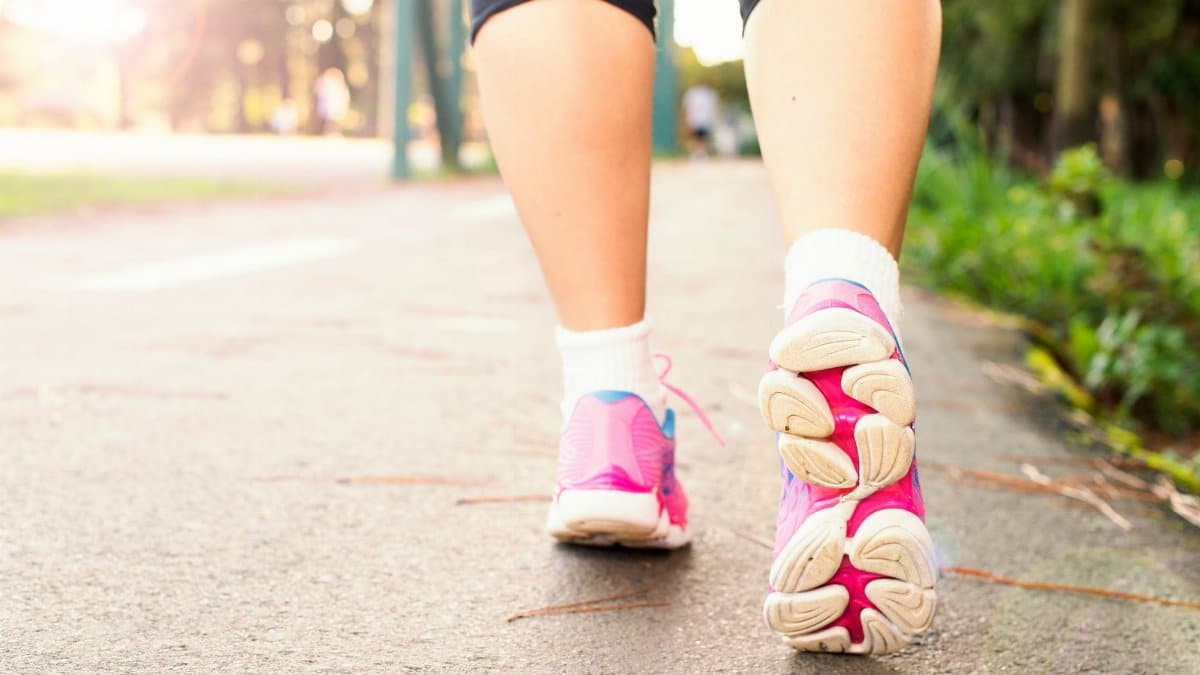
In denser areas like Downtown or Koreatown, walking covers many needs without much planning. A retiree in the area recounts discovering small shops and parks along routes he previously overlooked from behind the wheel. This slower pace encourages noticing details that speed often hides, from street art to seasonal flowers along sidewalks.
Overcoming Initial Hurdles

Early days without a personal vehicle can feel disorienting for those accustomed to instant mobility. Weather, timing and carrying groceries all require new strategies, such as timing errands with weather forecasts or using delivery services for bulk items. Over time, many report these adjustments become second nature.
Building Supportive Local Networks

Community groups have formed around shared experiences of reduced car dependence. Participants exchange tips on reliable transit apps and safe cycling routes during monthly meetups. These gatherings foster connections that extend beyond transportation into broader neighborhood involvement.
Environmental and Health Gains

Reduced vehicle use contributes to lower emissions in a region often plagued by smog. Individuals also mention personal benefits like improved cardiovascular health from added movement throughout the week. Collective shifts in habits could ease pressure on air quality over coming decades.
Policy Changes Encouraging Alternatives

City initiatives have focused on expanding transit infrastructure and bike facilities in targeted corridors. Funding from recent measures supports more frequent service on popular lines, making the option more competitive with driving for many commuters. Officials continue to monitor usage data to refine these investments.
Looking Ahead for Urban Mobility
As Los Angeles evolves, car free living Los Angeles may become more common among younger generations and those seeking cost savings. Continued improvements in transit reliability and street safety will determine how widely this lifestyle spreads. Residents already participating offer models for others curious about making a similar transition.