
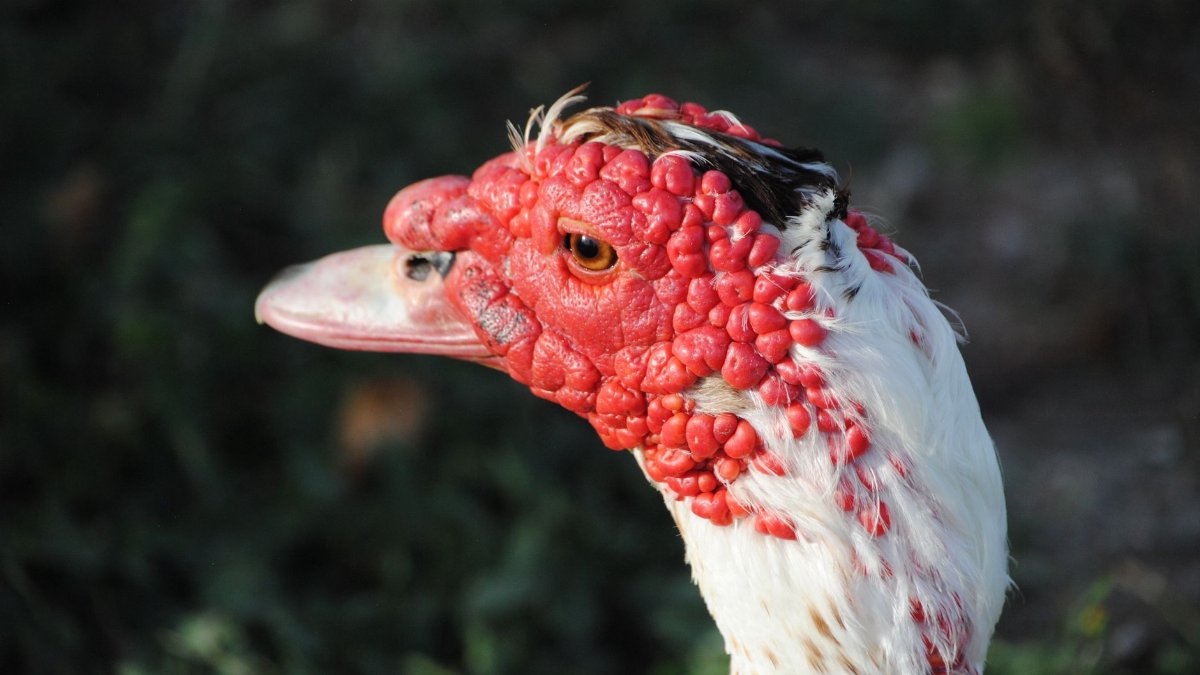
The birds arrived with names fit for a parade float and a future that, for once, did not end at a table. Freedom and Feathers stood for the cameras at the 79th White House Thanksgiving ceremony, where President Trump spared them in a ritual the country has come to expect as surely as cranberry sauce. They are the pardoned turkeys of the season, and their destination is not a quiet farm forgotten by the press but Texas A&M University, where they are expected to live out their days under academic care. In a holiday built on appetite, the exception is the point. Two animals are singled out so the rest of the feast can proceed with a small, public act of mercy attached to it.
A lawn, a president, and two survivors
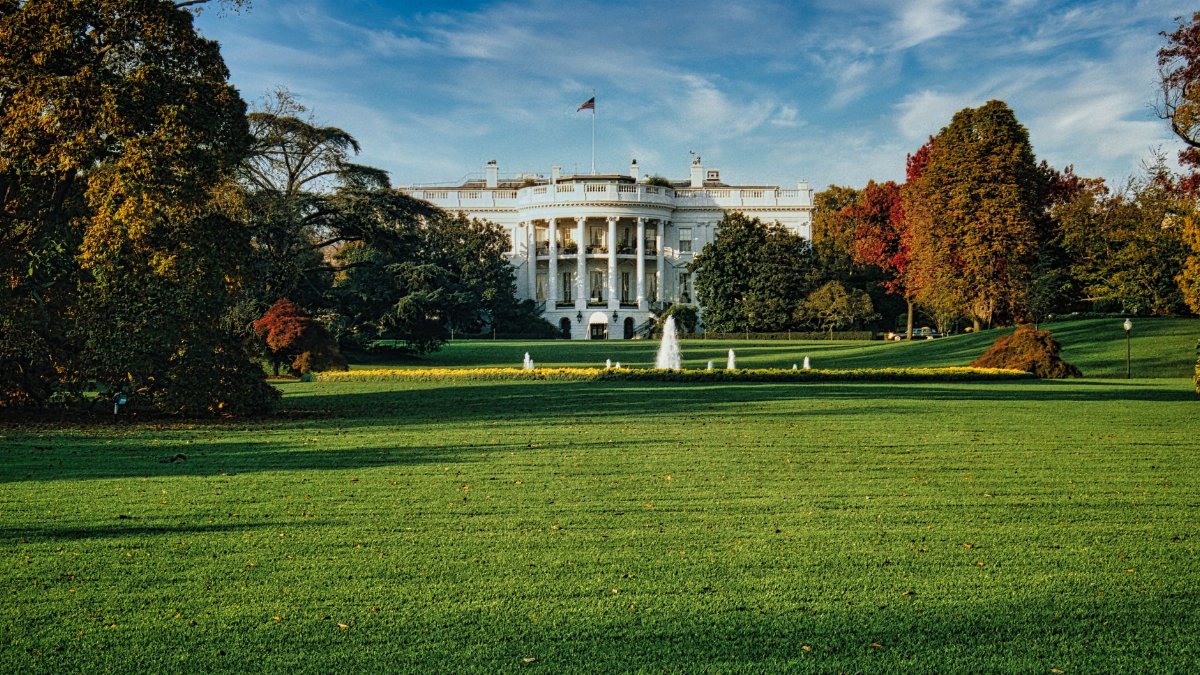
The National Thanksgiving Turkey Presentation is older than most of the people who watch it. Presidents pose, children wave, and a pair of birds endures the noise with the blank dignity of animals that did not audition for the role. This year the ceremony reached its 79th observance, and the names on the placards were Freedom and Feathers. Reporting in the Houston Chronicle carried the detail that matters after the applause: the pair is bound for Texas A&M, not for a private estate or a short stay on a friendly farm.
That destination changes the temperature of the story. A pardon issued in Washington can feel like a joke told at the nation’s expense, a soft aside before harder news returns. Sending the birds to a public university in Texas makes the sequel visible. Students, researchers, and visitors may actually see what the ceremony claimed to protect. The gesture leaves the capital and enters ordinary institutional life.
What the pardon changes and what it does not
For the pardoned turkeys, the paperwork is theater and the consequence is real. No statute requires a president to spare a bird. The power on display is ceremonial, closer to a proclamation than to a court order. Still, the outcome is not symbolic for the animals involved. They leave the supply chain that raised them for a holiday table. They will be fed, housed, and watched for as long as their bodies allow.
Nothing about the rite alters the millions of turkeys that will be eaten this week. The ceremony does not regulate breeding, transport, or slaughter. It selects an exception and asks the public to feel, briefly, the difference between a named animal and an unnamed one. That is a narrow mercy. It is also the only mercy the ritual has ever honestly offered.
Why College Station, and why a university
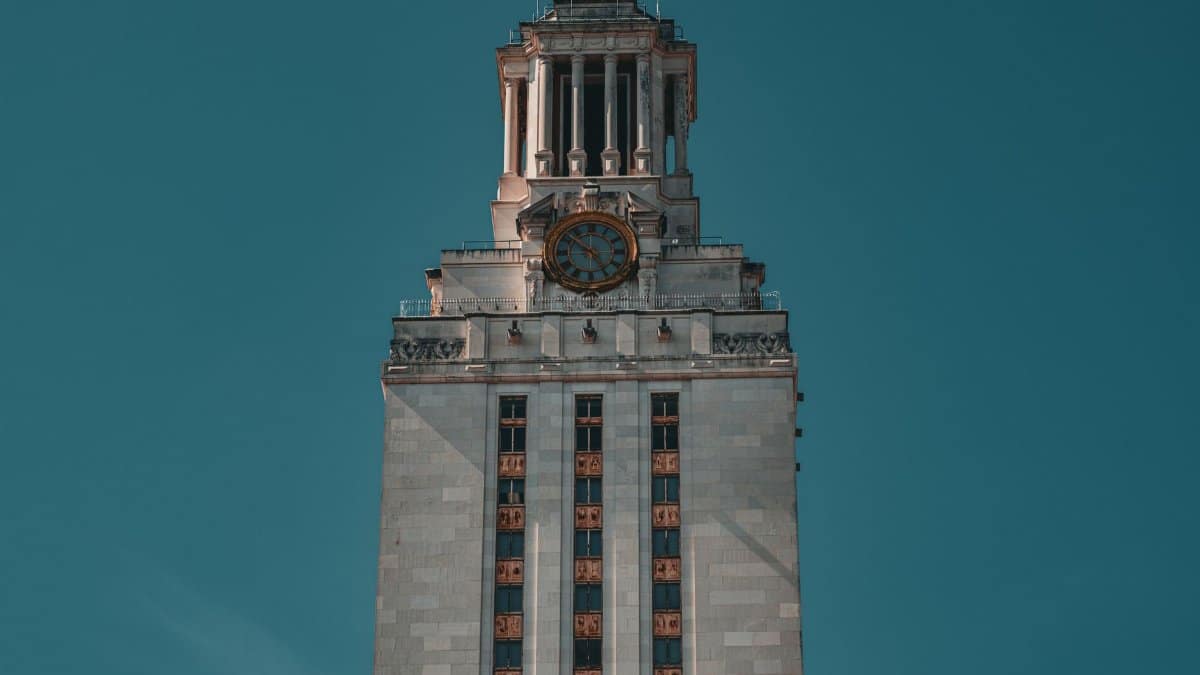
Texas A&M is a land grant campus with deep roots in agriculture, animal science, and the practical work of feeding people. Placing Freedom and Feathers there is a geographic and cultural choice as much as a logistical one. The birds move from a northern lawn associated with political power to a southern university associated with farms, classrooms, and the state’s enormous stake in food production.
A campus is not a sanctuary in the sentimental sense. It is a place with schedules, budgets, veterinary protocols, and students who will graduate and forget the names. Even so, a university can do something a photo opportunity cannot. It can keep records. It can explain, without cheerleading, how a commercial turkey is built by decades of breeding for breast meat and rapid growth. It can let the public look at the survivors without pretending the holiday has been morally solved.
Names that do political work
Freedom and Feathers are not accidental labels. Presidential turkeys are branded the way parade balloons are branded, with words that photograph well and argue lightly. Freedom flatters a national self image. Feathers returns the subject to the body, to the animal that is actually standing there. Together the names split the difference between slogan and creature.
Naming is the first act of the pardon. A bird with a name is harder to imagine as a number on a processing line. The ceremony depends on that difficulty. It also depends on the audience agreeing not to press the logic too far. If a name can save two turkeys, the absence of a name is doing quiet work everywhere else. The White House does not dwell on that arithmetic, and neither do most Thanksgiving tables. The names are meant to charm, not to indict.
How a custom became a yearly expectation

Americans have watched pardoned turkeys waddle across the same lawn for generations, though the history is less tidy than the television package suggests. The formal presentation of a Thanksgiving bird to the president is generally traced to 1947, under Harry Truman. The explicit language of pardon settled in later, becoming a standing feature of the holiday calendar rather than a one off joke. By now the absence of the ceremony would feel stranger than its presence.
Each administration inherits the script and adds a tone. Some presidents lean into the comedy. Others treat the moment as a brief ceasefire in a hostile news cycle. The birds change. The lawn changes less. What persists is the agreement that, once a year, the presidency will perform gentleness in public, using an animal that cannot vote, sue, or talk back.
Mercy, gratitude, and the spiritual weather of the week
Thanksgiving sits at an uneasy intersection of harvest gratitude, national myth, and family obligation. Religious communities read it through prayer. Secular households read it through recipes and travel. The turkey pardon occupies a thinner register, neither sermon nor supper. I keep returning to it because it borrows the vocabulary of mercy without requiring a shared creed. A president says a living thing will not be killed, and a country briefly treats that sentence as good news.
That is not theology, but it is adjacent to a spiritual habit: the decision to notice a life that did not have to be spared. Gratitude, in its less commercial form, begins with the same notice. The feast depends on soil, labor, animals, and luck. The ceremony admits, in a clumsy way, that dependence. It cannot carry the whole moral weight of the holiday. It can remind viewers that mercy is a practice, not only a mood, and that practices need witnesses.
The bodies behind the costumes
Commercial turkeys are not wild birds in costume. Decades of selection for size have produced animals that grow fast and carry heavy breasts, often at a cost to joints, balance, and longevity. A pardon does not rewrite that biology. Freedom and Feathers may live longer than their flock mates, and they may also live with the physical consequences of the market that created them. University care can treat illness. It cannot turn a table bird into a forest bird.
Honesty about that fact keeps the story from curdling into kitsch. The public likes a rescued animal. It likes less to hear that rescue arrives after the breeding decisions are already in the bone. If Texas A&M becomes a place where people can see these birds up close, the educational value may lie in that discomfort. A campus that teaches agriculture is well placed to hold both truths: these two were spared, and the system that raised them remains intact.
After the cameras leave Washington
Once the pardoned turkeys leave Washington, the narrative usually thins. The country returns to airports, pies, and arguments. The birds become a line in a roundup of holiday oddities. Their new keepers inherit the unglamorous work: feed, shelter, medical checks, and the management of visitors who want a photograph with a minor celebrity. Fame is a poor diet. Routine is the actual gift.
Past pairs have gone to farms, historic sites, and universities, and the public record of their later years is uneven. Some live quietly. Some ail. The pledge implicit in this year’s sendoff is that Texas A&M will make the afterlife of the ceremony less abstract. A public institution can say, in plain language, how the birds are housed and who is responsible. That accountability is modest. It is also more than a lawn appearance can guarantee.
A divided country and a shared table
The pardon lands in a political season that does not pause for gravy. Supporters will hear a light presidential touch. Critics will hear distraction. Both readings can be true without exhausting the event. Civic rituals survive precisely because they are small enough to share and vague enough to interpret. The turkey ceremony is not a treaty. It is a pause with feathers.
Texas adds its own reading. The state is not a backdrop. It is an agricultural power, a political battleground, and home to a university that educates students who will run farms, labs, agencies, and companies. Housing Freedom and Feathers there ties a Washington custom to a regional reality. The birds will live among people who understand, more concretely than most viewers, what a turkey costs to raise and what it means to spare one.
What the public is really being asked to feel
The ceremony asks for a feeling that is easy to mock and hard to replace: relief on behalf of a creature that will never know it was in danger. That relief is disproportionate. It is also human. People practice compassion on a scale they can picture. Two named birds on a lawn are pictureable. A statistical flock is not. The risk is that the pictureable case becomes a substitute for attention rather than a door into it.
A serious university setting lowers that risk slightly. If visitors leave College Station knowing only the names, the pardon remains a mascot story. If they leave knowing how the birds eat, how long they may live, and how unlike them the commercial flock remains, the story grows a second chapter. The first chapter is mercy performed. The second is mercy explained.
Living with the exception
Freedom and Feathers will not settle the argument about how Americans should eat, farm, or celebrate. They were never going to. Their job, if animals can be said to have a job imposed by cameras, is to embody an exception the country has decided to renew. At Texas A&M that exception becomes daily logistics. Someone will unlock a gate. Someone will note an appetite, a limp, a molt. The presidency will have moved on.
There is a quiet dignity in that handoff. National rituals often end when the broadcast ends. This one, at its best, continues as care without an audience. The holiday will still be a feast. The tables will still be full. Somewhere in College Station, two birds with ceremonial names will occupy the narrow space between symbol and animal, alive because a custom, however imperfect, was kept.