

On a warm afternoon in Manchester, a small robot rolled across a commencement stage while relatives clapped from folding chairs and from living rooms hundreds of miles away. The machine carried a screen, and on that screen was a graduate who could not make the trip. The ceremony belonged to Southern New Hampshire University, a school that opened in 1932 as a modest training ground for secretaries and accountants and now teaches a population larger than many American cities. The picture looked odd. It was also accurate. For most of its students, the campus has never been a quad with brick and lawn. It has been a laptop on a kitchen table after a shift ends.
A school for secretaries and bookkeepers

The origin story is plain, which is part of its power. In the worst year of the Depression, a teacher named Harry Shapiro opened a school in Manchester for people who needed wages, not Latin. Students learned typing, filing, and the arithmetic of a small firm. There was no football team and no dream of national rank. New Hampshire was a mill and market state, and the school served the offices that kept those mills running. That practical bent never fully left. Even after the name changed and the catalogs grew fat with literature and business degrees, the institution kept a habit of asking what a student could do on Monday morning. Critics later called that habit vocational and thin. Supporters called it respect for people who do not have the luxury of studying for its own sake.
From a local college to a national name

For decades the school was New Hampshire College, known mostly to families within a short drive of Manchester. It added dormitories, a broader curriculum, and the ordinary ambitions of a small private college. In 2001 it took the name Southern New Hampshire University. The new title sounded larger than the campus, and for a few years the gap between name and reach was obvious. Brick buildings, a few thousand students, a regional reputation. What changed was not a sudden gift of genius. It was a decision to treat adults who lived far from Manchester as the main audience rather than a side program. Correspondence courses had existed for generations. What arrived with reliable home internet was the chance to run a real university schedule for people who would never see the Merrimack River.
The bet on working adults

Paul LeBlanc, who became president in 2003, is the figure most people credit with the expansion. He argued that the traditional calendar, built for eighteen year olds who can live on campus, excluded the majority of Americans who need a degree. Parents on night shifts. Soldiers between deployments. Workers whose employers would pay only if the courses fit around a job. The university built advising teams that called students, not just emailed them, and it advertised with the bluntness of a retailer. Academic insiders winced. The ads did not look like a college brochure. They looked like a promise that someone would answer the phone. That promise mattered. Online study fails quietly. A student disappears between modules, and no roommate notices. A call from an adviser is not romance. It is infrastructure.
Who shows up when the classroom is a screen

The students are not a single type, though a pattern repeats. Many are older than the undergraduates at a flagship state university. Many already have children, rent, and a supervisor. They choose business, health care, information technology, criminal justice, education. They want a credential that a hiring manager will recognize, and they want it without quitting the job that pays the rent. Public accounts now describe enrollment above 300,000, the great majority studying online rather than in Manchester. That number should be handled with care. Headcount is not the same as a campus community, and a large share of online students study part time. Still, the scale is the story. A secretarial school that once fit in rented rooms now sits among the largest universities in the country, nonprofit, regionally accredited, and impossible to ignore.
The bargain and the doubt

Growth brought money, and money brought argument. Online programs can be cheaper to deliver than a residential college, and they can also be marketed with a force that makes faculty uneasy. National scrutiny of online colleges, especially the for profit sector, spilled onto every large digital campus. Southern New Hampshire University is not a for profit company. It is a private nonprofit. That distinction matters for governance and for tax status, and it does not end the questions. How much do students borrow? How many finish? How much does a degree raise wages in fields already crowded with certificates? Federal data sites such as the College Scorecard exist so families can compare cost and completion instead of trusting a slogan. A serious reader should use them. Advertising is not evidence.
A robot at the edge of the stage

The commencement robot is easy to mock, and some people did. A university, they said, had replaced a person with a gadget and called it inclusion. The harder reading is more interesting. Rituals exist to mark a change of status in front of witnesses. When a student lives in another state, works on the day of the ceremony, or cannot travel because of illness or military orders, the witness has to travel by other means. A screen on wheels is a clumsy witness. It is still a witness. I have watched enough graduations to know that the gown does not create the achievement. It announces it. For a student who finished papers after children were asleep, the announcement can matter as much as the credit tally. The robot did not make the degree more real. It admitted that the real work had happened somewhere else.
What a campus still does that a login cannot
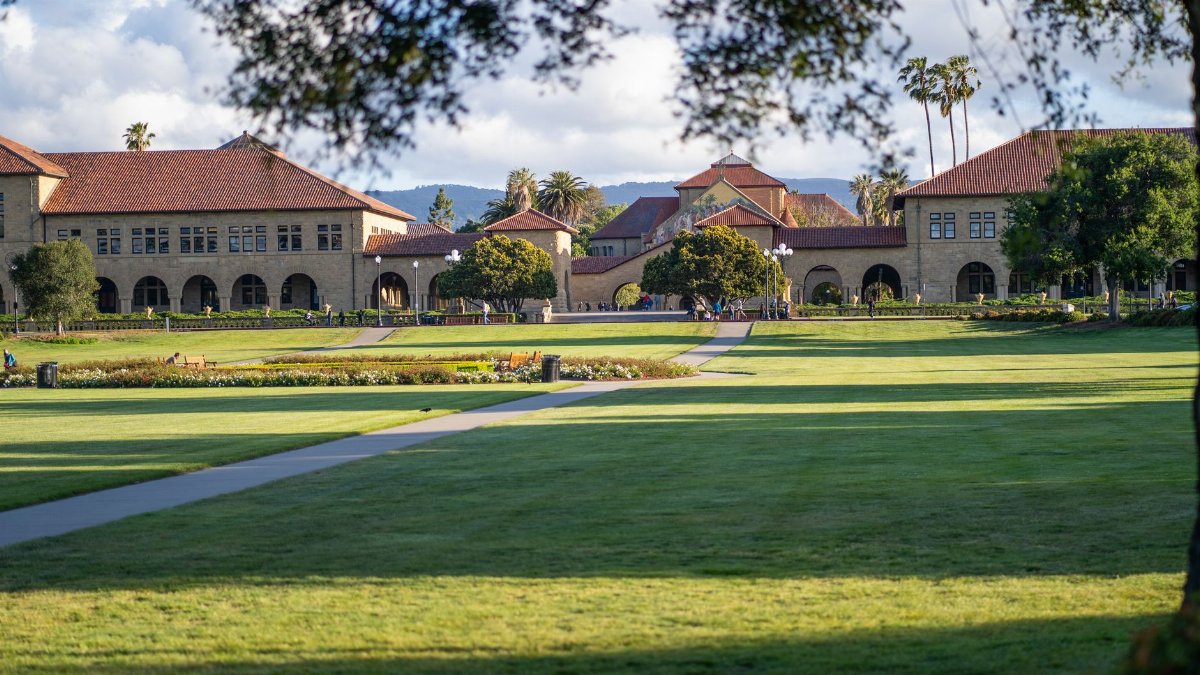
None of this erases the case for a physical campus. Eighteen year olds often need a place that is not their childhood bedroom. They need friends, laboratories, arguments in hallways, and adults who notice when they stop showing up. Research universities produce knowledge that an online course merely assigns. Manchester still has residence halls, faculty, and students who chose the smaller life on purpose. The mistake is to treat that life as the only serious one. The country has millions of adults whose education was interrupted by work, migration, pregnancy, or simple bad timing. A system that serves only the young and the mobile will keep calling those adults nontraditional, as if the tradition were the point. The tradition was always a response to a particular kind of student. The student changed.
Why presidents elsewhere keep calling

Other colleges have tried to copy the model and found that copying the ads is not copying the machine. You need call centers that do not sound like call centers, course design that a tired person can follow at 10 at night, and a willingness to be judged by completion rather than by the beauty of the viewbook. Some publics have built their own online arms. Some privates have partnered and then pulled back when faculty revolted or when costs exceeded the brochure. The lesson from Manchester is not that every college should chase six figures of enrollment. A small liberal arts college that tries to become a national platform will usually become a worse version of itself. The lesson is narrower. Adult students are not a niche. They are a constituency, and they can tell when an institution wants their tuition more than their finished degree.
A credential and a kind of vow

Education writing often splits into cheerleading and indictment. Southern New Hampshire University deserves neither in full. It showed that a tiny professional school could become a national university without a football dynasty or a billionaire’s name on the library. It also showed the risks of scale: a brand that can feel impersonal, a reliance on marketing, a student body so dispersed that community is a design problem rather than a gift of geography. The spiritual question, if that word still has a use in a story about tuition, is what a person is promising when they start a degree at 35 or 52. Not salvation. A revision of the future they can see from their current job. The robot on the stage was a small theater of that revision. Someone far away had kept a promise to themselves, and a city in New Hampshire agreed to say so out loud.