
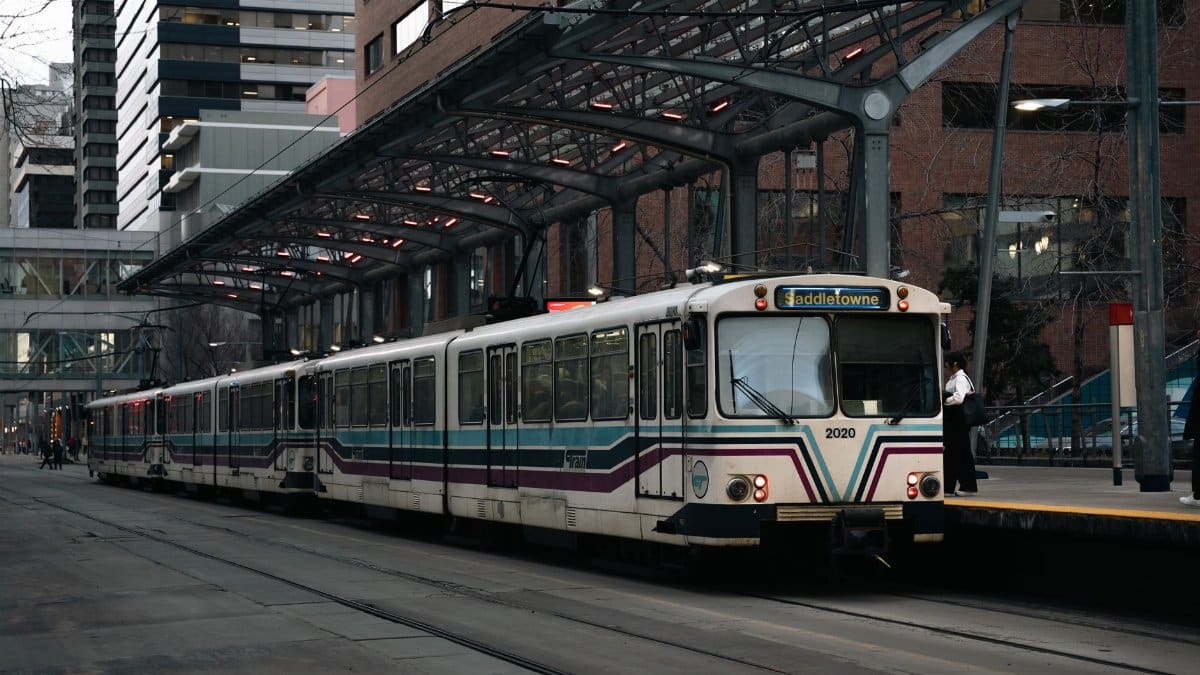
Boston commuters have grown accustomed to delays and service gaps that disrupt work and family routines across the region. Against this backdrop the latest details on the MBTA Rail Contract offer a window into how officials hope to stabilize and upgrade rail operations for the long term. The multibillion dollar arrangement with Keolis aims to address equipment needs and scheduling reliability while serving thousands of riders each weekday.
Background on the Latest Bidding Round

Officials opened the process last year to select an operator capable of handling expanded responsibilities. Several firms submitted proposals that outlined staffing plans and maintenance strategies. The choice of Keolis reflects a preference for continuity paired with fresh commitments on performance metrics.
Key Terms Included in the Arrangement

The agreement spans more than a decade and carries financial incentives tied to on time arrivals. Provisions cover fleet upgrades and station improvements without raising fares beyond current levels in the near term. Penalties for repeated shortfalls give the agency leverage to enforce standards.
How Riders May Notice Changes First

Morning and evening schedules could see modest adjustments aimed at reducing crowding on popular lines. Newer trainsets are expected to enter service gradually, offering improved seating and climate control. Announcements about track work will continue but with greater advance notice where possible.
Financial Scale and Funding Sources

Costs reach several billion dollars over the full period, supported by a mix of state allocations and federal grants. Budget documents show allocations for both capital projects and day to day operations. Oversight committees will review spending reports on a quarterly basis to maintain transparency.
Role of Technology in Daily Operations

Dispatch systems will incorporate updated software designed to predict and prevent conflicts at busy junctions. Real time passenger information apps are slated for enhancements that display crowding levels and alternative routes. These tools build on earlier pilots that showed modest gains in user satisfaction.
Workforce Considerations and Training Plans

Thousands of employees will transition under the new terms with emphasis on safety certifications and customer service skills. Apprenticeship programs seek to replenish an aging talent pool as veteran conductors and engineers approach retirement. Labor representatives have voiced support for wage adjustments tied to performance goals.
Environmental and Regional Planning Links

Expanded rail capacity aligns with state targets for lowering transportation emissions by shifting trips away from single occupant vehicles. Coordination with local housing developments near stations is intended to encourage transit oriented growth. Air quality models project small but measurable benefits if ridership rises as hoped.
Comparisons With Other Metropolitan Systems
Agencies in New York and Chicago have pursued similar long term operating contracts with mixed results on reliability. Lessons from those experiences appear in the Boston document through stricter reporting requirements. Observers note that success often hinges on consistent political backing across election cycles.
Next Steps for Public Input and Oversight

Community meetings are scheduled in coming months to gather feedback on proposed service changes. Written comments can be submitted through the agency website until late summer. Final approvals rest with the board and state transportation secretary before full rollout begins.