
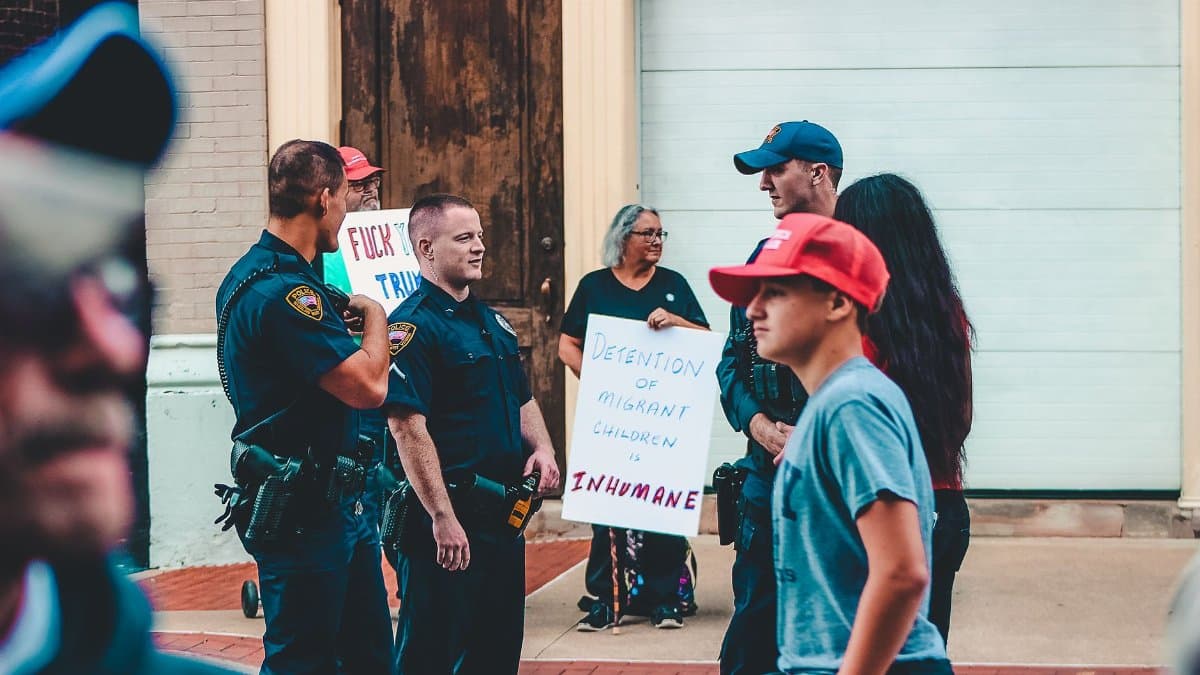
In the heart of Los Angeles during a tense demonstration over immigration policies a union official stood alongside demonstrators advocating for fair treatment of workers. The scene turned chaotic as law enforcement moved in leading to an arrest that drew widespread notice across the country. Federal authorities later chose to step back from pursuing the matter further creating a notable shift in how such events unfold. This outcome in the labor leader case dropped underscores ongoing debates about protest rights and official responses in major cities.
Events Surrounding the Demonstration
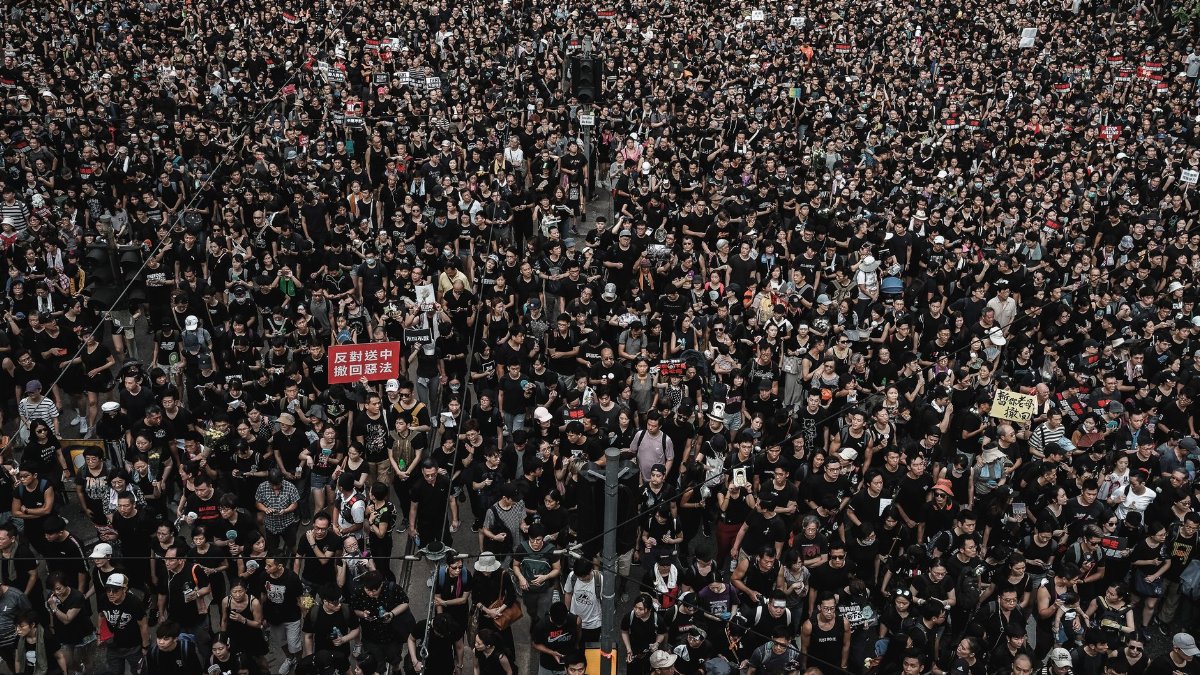
The gathering brought together members from various unions focused on protecting jobs and voicing concerns about enforcement actions. Participants gathered peacefully at first but interactions with officers escalated quickly. Reports indicate the union official was present to support the group and offer guidance during the event.
Profile of the Union Official Involved
David Huerta serves as a key figure in the Service Employees International Union known for his work on behalf of low wage employees in service sectors. His role often places him at the forefront of discussions about workplace conditions and community issues. Colleagues describe him as dedicated to collective action and public advocacy.
Legal Steps Taken by Prosecutors
After initial filings authorities reviewed the evidence and circumstances leading to a decision to end the proceedings. This move came after several weeks of scrutiny and input from legal teams. Observers note such withdrawals remain uncommon in protest related matters.
Reactions from Labor Groups
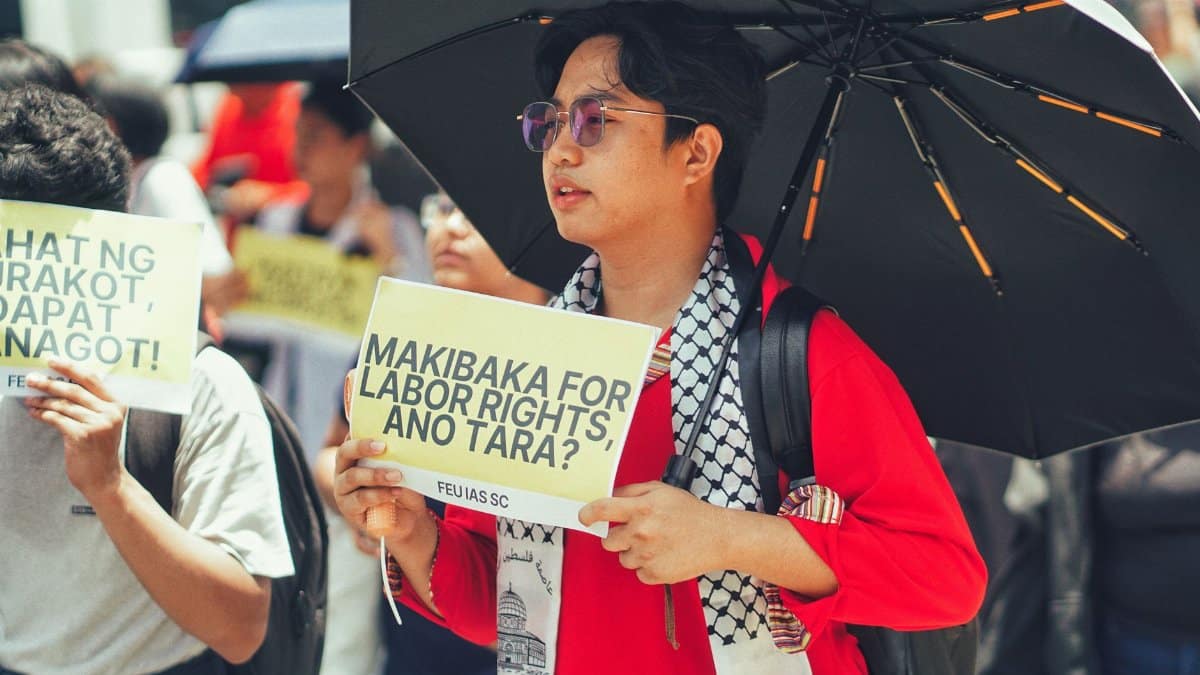
Union members expressed relief at the development viewing it as validation of their stance during public actions. Statements from the organization emphasized commitment to continued efforts on worker protections. Broader labor networks echoed similar sentiments calling for more dialogue on enforcement practices.
Impact on Community Advocacy Efforts
The resolution may encourage more individuals to participate in future gatherings without fear of prolonged legal challenges. Groups focused on immigration and employment issues see this as a potential opening for policy conversations at local levels. It also raises questions about resource allocation in federal cases.
Broader Context of Protest Responses
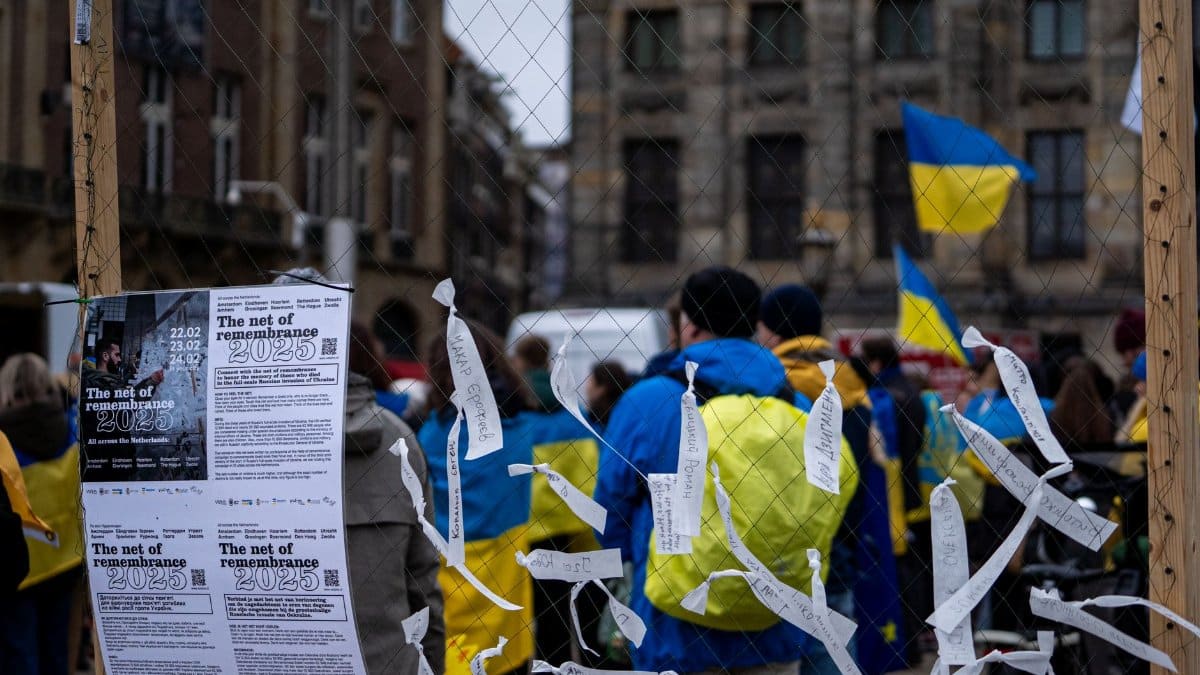
Across the nation similar incidents have prompted reviews of how officials handle public demonstrations involving sensitive topics. Historical patterns show varying approaches depending on location and scale. Analysts suggest recent trends point toward selective enforcement in certain regions.
Views from Legal Observers

Experts in constitutional matters point to protections for assembly and speech as central to these situations. They note that dismissals can reflect assessments of public interest and evidence strength. Such outcomes sometimes influence future strategies in comparable scenarios.
Future Paths for Worker Organizations

Moving ahead unions may focus on building alliances and refining tactics for effective advocacy. The labor leader case dropped serves as a reference point for training and preparation in similar events. Emphasis remains on peaceful engagement and clear communication with authorities.
Public Discourse and Media Coverage

News outlets have followed the story highlighting its connections to larger national conversations. Reader responses vary with some praising the restraint shown by officials and others questioning initial actions. This coverage contributes to awareness of labor and immigration intersections.