

The unexpected departure of a key figure in public transportation has left many wondering about the future of commuting in the region. After more than five years at the helm Holly Arnold announced her exit from the Maryland Transit Administration prompting discussions across the state. The MTA chief resigns at a time when the agency faces numerous challenges including aging infrastructure and shifting rider demands. Observers note that her leadership shaped daily travel for thousands yet the reasons behind the choice remain somewhat unclear to the public.
Early Career Path of the Leader

Holly Arnold built her reputation through years of work in urban planning and transportation policy before taking the top role. She started in local government positions where she gained experience managing budgets and coordinating with multiple agencies. Colleagues recall her attention to detail and commitment to practical solutions that improved daily operations for riders.
Key Initiatives During Service

Under her direction the agency pursued several projects aimed at modernizing buses and trains. Efforts included upgrades to stations and better integration with regional rail lines. These steps sought to attract more passengers while addressing complaints about delays and cleanliness.
Challenges Faced by the Agency

Throughout the period the Maryland Transit Administration dealt with funding shortfalls and rising maintenance costs. External factors such as changing work patterns after the pandemic added pressure on revenues. Arnold often had to navigate these issues while advocating for increased support from state officials.
Reactions From Staff and Riders

Employees expressed a mix of surprise and respect upon hearing the news. Some praised her steady hand during difficult periods while others wondered how the transition would affect ongoing projects. Riders shared similar sentiments on social media with many highlighting both improvements and persistent problems during her time.
Broader Context in State Transportation

The resignation occurs amid wider conversations about mobility across Maryland. Lawmakers continue to debate investments in public options versus road expansions. This event may influence how future leaders approach these policy questions in coming sessions.
Potential Successors and Next Steps

Officials have begun the search for a replacement though no timeline has been confirmed. Candidates with experience in large scale transit systems are likely to be considered. The process will draw attention from unions and advocacy groups interested in the direction ahead.
Impact on Daily Commuters
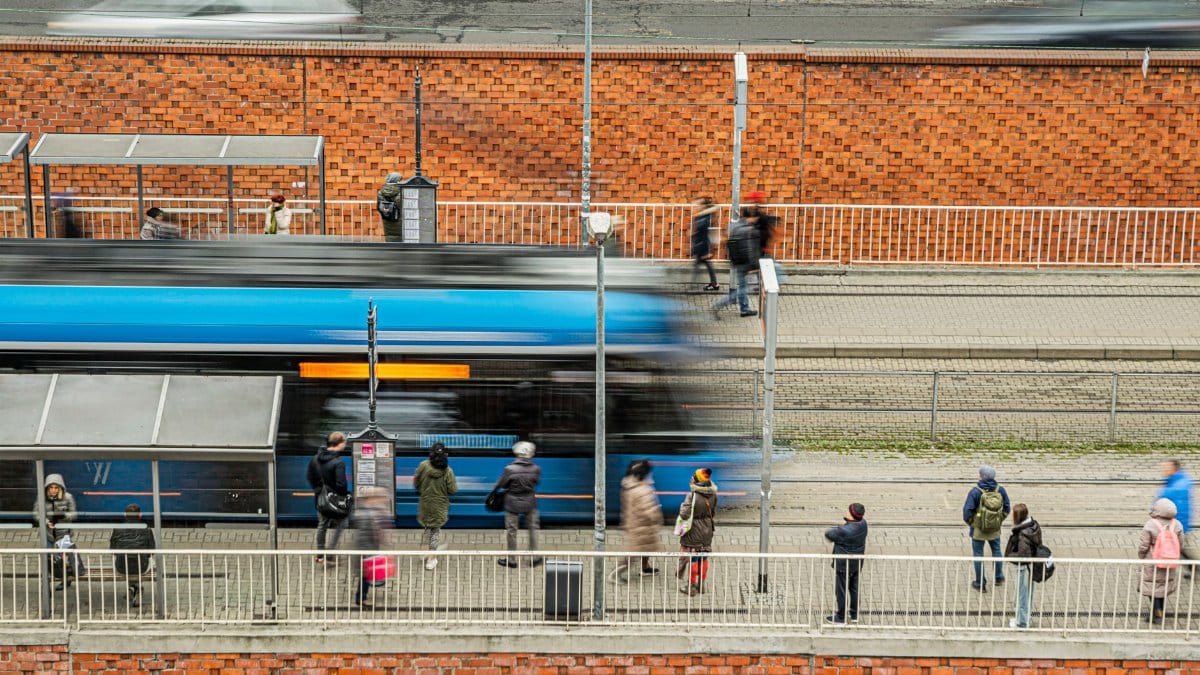
For those who rely on the system the change brings uncertainty about schedules and service quality. Many hope the new chief will maintain momentum on reliability while addressing gaps in coverage for underserved areas. Longstanding users value consistency above all else.
Looking Ahead for Public Transit

The episode underscores the pressures on transit leaders nationwide as they balance budgets technology and public expectations. Arnold leaves a record of dedicated service that will shape the agency for years to come. The MTA chief resigns leaving a legacy worth examining closely.