

The proposed development in Salisbury has encountered significant resistance from local leadership, particularly concerning parking provisions. This situation brings attention to Salisbury affordable housing as community members seek solutions for rising living costs. Mayor Randy Taylor raised specific objections during recent discussions, arguing that the plans fall short on space for vehicles. Such concerns have led to delays that frustrate those hoping for quicker progress on new residences. Observers note the tension between growth needs and practical infrastructure demands in a city working to balance its resources. The debate underscores broader questions about how local governments approach residential expansion amid shifting population patterns.
Local Leadership Concerns Over Infrastructure

Mayor Taylor emphasized that adequate parking remains essential for any new residential effort to succeed without overburdening streets. City officials reviewed the blueprints multiple times yet found gaps in the allocation of spots per unit. This focus on logistics has prompted calls for revised designs that better integrate with existing traffic flows.
Community Reactions to Project Delays

Residents expressed mixed feelings as news of the stall spread through neighborhoods. Some voiced support for the mayor stance on practical matters while others worried about prolonged waits for more living options. Public forums revealed a desire for collaborative talks to move things forward without compromising safety standards.
Broader Housing Market Pressures in the Region

Rising demand for residences has placed strain on available stock across the area. Families and individuals alike report challenges in finding suitable places within budget constraints. Data from regional assessments show consistent gaps between supply and need that projects like this one aim to address over time.
Potential Economic Effects of Stalled Initiatives

Delays in construction can ripple through local businesses that anticipate new customers from added households. Contractors and suppliers may face uncertain schedules as approvals linger. Economists suggest such pauses sometimes lead to higher eventual costs due to inflation in materials and labor.
Historical Patterns in City Planning Decisions

Similar objections have surfaced in past proposals where parking took center stage during reviews. City records indicate a pattern of prioritizing vehicle access in developments near downtown zones. This approach reflects long standing priorities around mobility and congestion management.
Ideas for Balancing Parking and Residential Growth
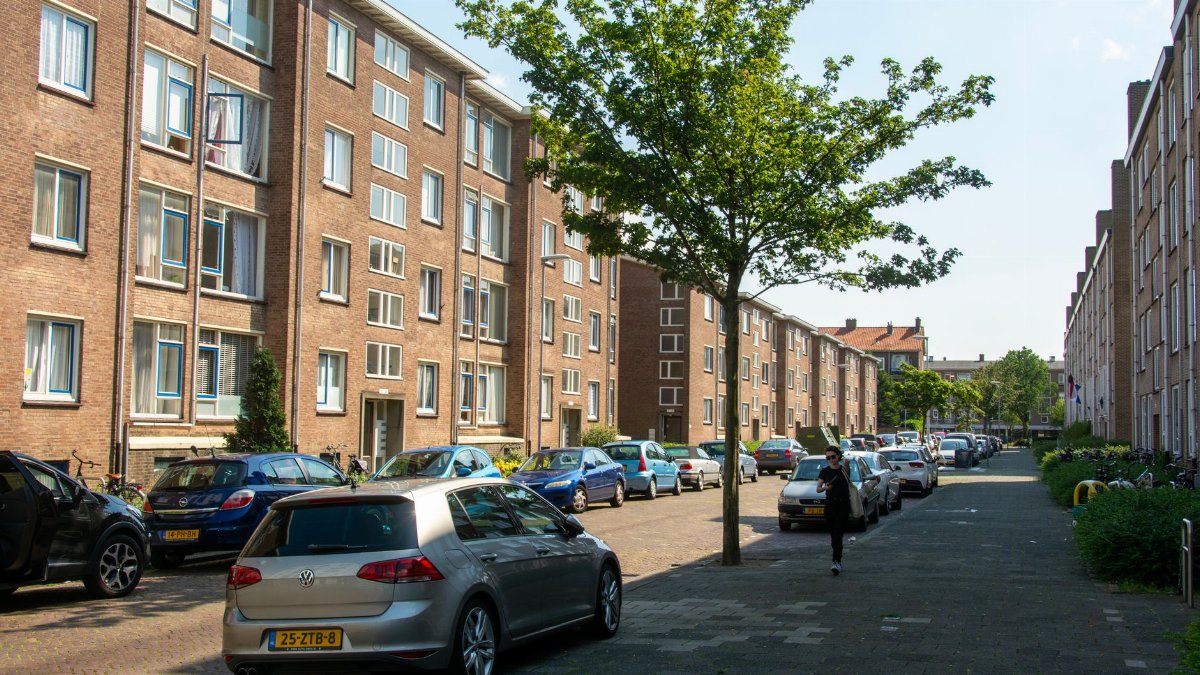
Planners have floated alternatives such as shared lots or incentives for public transit use to ease space requirements. These concepts draw from examples in nearby communities that achieved successful integrations. Discussions continue on whether such measures could satisfy all parties involved in the current review process.
Future Outlook for Residential Expansion Efforts

With revisions underway the project may yet gain traction if concerns receive thorough attention. Advocates remain hopeful that adjusted plans will align with both leadership expectations and resident aspirations. Ongoing dialogue appears key to resolving the impasse in a timely manner.
Role of Public Input in Shaping Outcomes

City meetings have drawn steady attendance as people share views on the direction of growth. Feedback mechanisms allow for adjustments that reflect collective priorities beyond single issues. This participatory element strengthens the legitimacy of final decisions on key projects.