
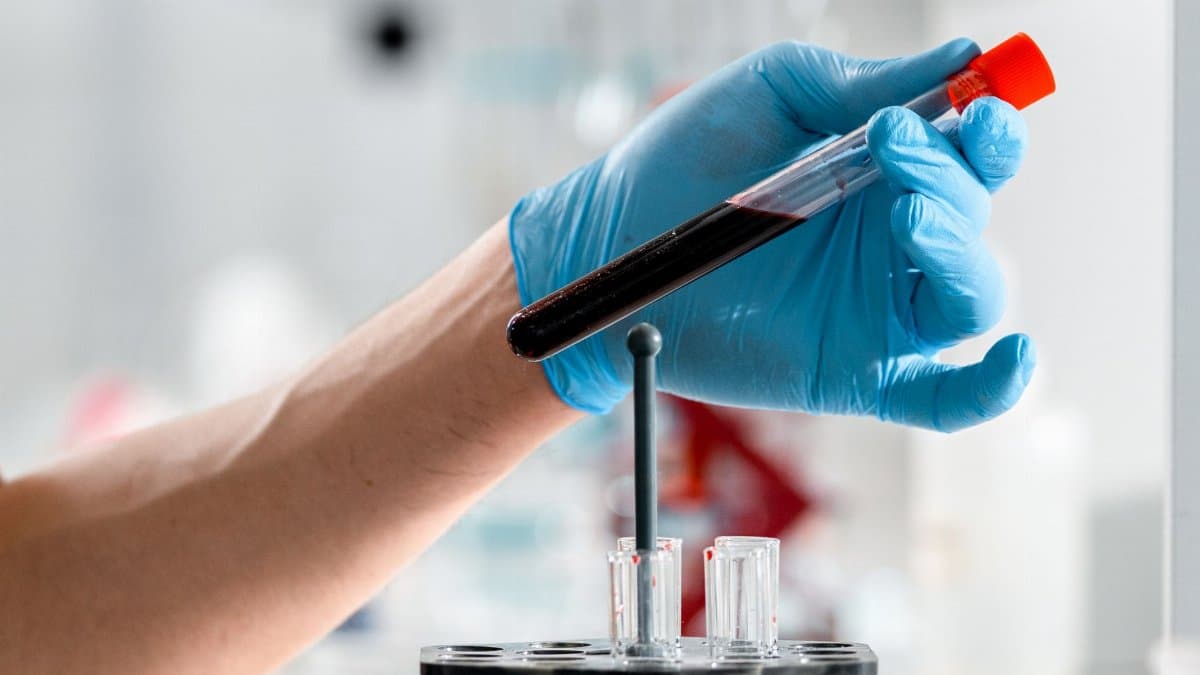
On a quiet morning in Rochester, a vial of blood can now carry a question that used to require a scan, a scope, or a surgeon. Researchers tied to Mayo Clinic have spent years asking whether a single draw can flag cancers that still hide from routine screening. That work reached a public turning point when the Galleri Mayo FDA panel story moved from laboratory notebooks into a formal advisory vote, with a trial of 32,007 people reporting 173 cancers and advisers splitting seven to two in favor of moving the test forward.
A vote that is not yet a green light

An advisory panel does not approve a product. It advises. The Food and Drug Administration still has to weigh the record, the labeling, and the real world use that would follow a yes. Even so, a seven to two recommendation is a signal that the scientific case cleared a high public bar. For patients who have watched friends discover cancer only after symptoms appeared, the vote feels like permission to hope. For regulators, it is a narrower claim: the evidence was strong enough to deserve a serious look, not a blank check.
That distinction matters because blood tests travel fast once they leave the clinic. A positive result can reorder a life in an afternoon. A negative result can quiet a fear that should not have been quieted. The Galleri Mayo FDA panel discussion put those stakes in the open, which is healthier than letting marketing do the explaining.
What the test is trying to hear in the blood
Galleri, developed by Grail, looks for patterns in cell free DNA, fragments that tumors and healthy tissue both shed into circulation. The idea is not to name a lump on a film. It is to notice a molecular signature and then point clinicians toward the organ system most likely to be involved. In principle, one assay could cover cancers that have no recommended screening test at all, including many pancreatic, ovarian, and liver tumors that still arrive late.
Mayo Clinic researchers have been central to testing whether that principle holds in large groups of people who felt well when they rolled up a sleeve. The appeal is obvious. Screening today is a patchwork of mammograms, colonoscopies, Pap tests, and low dose CT scans for selected smokers. A blood draw fits into a routine visit. The science has to fit into a life that includes false leads, missed cancers, and the cost of chasing a signal that may not be a tumor.
Reading the trial without inflating it

The figure that has traveled farthest is simple: in a study of 32,007 participants, investigators reported 173 cancers. That is not a miracle rate, and it should not be sold as one. Most people in a screening population do not have cancer. A test can be useful and still return far more quiet negatives than dramatic finds. What clinicians want to know is which of those 173 would have been found later, at a worse stage, and which would have declared themselves anyway.
Reporting from the Star Tribune has tracked the Mayo research as it moved toward regulators, including the advisory step now summarized in the Galleri Mayo FDA panel coverage. Readers should treat secondary write ups as a map, not as the raw data. The FDA docket, the published papers, and the label, if one is granted, are the documents that will govern use.
Why early is not the same as easy

Finding a cancer sooner is valuable only if sooner changes what happens next. Some tumors grow so slowly that early detection adds anxiety without adding years. Others are so aggressive that a blood signal arrives only weeks before symptoms would have. Multi cancer tests live in that uncomfortable middle. They may shift a fraction of diagnoses leftward on the calendar. They will not erase the biology of the worst diseases.
Advisers who voted yes were not claiming that every positive will be a life saved. They were judging whether the benefit, in a defined population and with defined follow up, could outweigh the harm of extra procedures. That is a harder question than a headline allows. It is also the right question.
The burden of a positive that is not a diagnosis
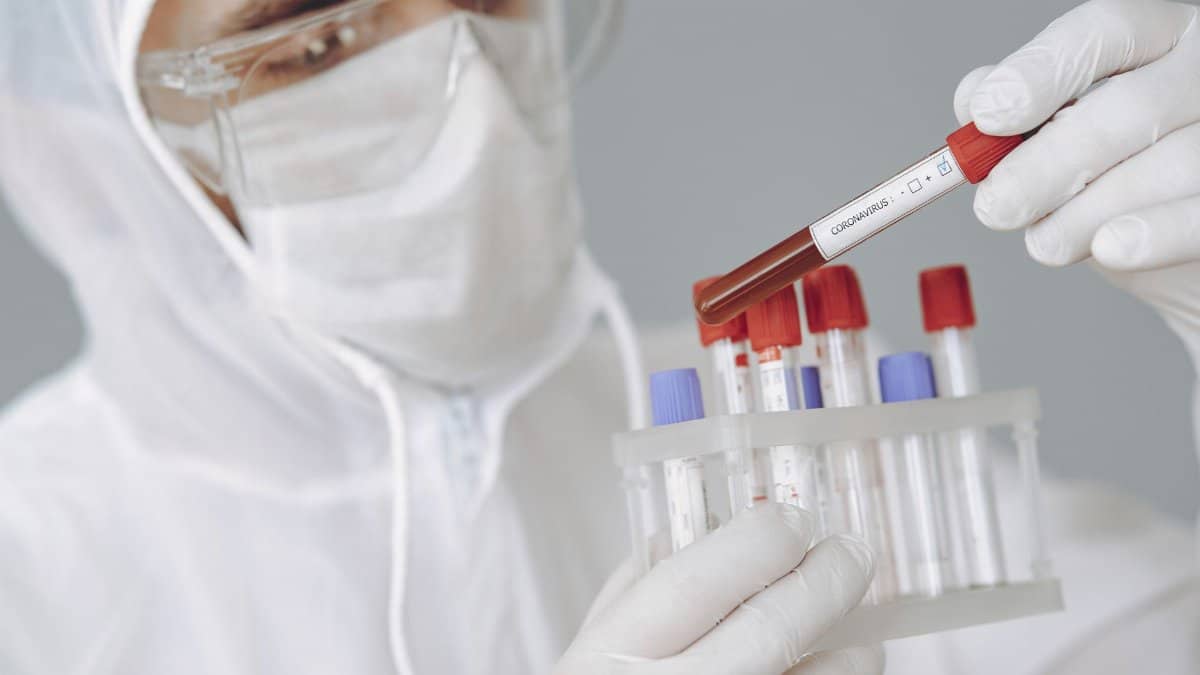
A signal is not a verdict. After a positive Galleri result, patients enter a diagnostic odyssey: imaging, endoscopy, specialist visits, sometimes biopsies that come back benign. Each step has a cost in dollars, radiation, sedation risk, and sleep lost to waiting. People with limited insurance, or with jobs that do not forgive a week of appointments, will feel that burden first.
False reassurance cuts the other way. A negative test does not cancel a mammogram, a colonoscopy, or a low dose scan that guidelines already recommend. If the public hears blood test and skips proven screening, the net effect could be harm. Any label that emerges from the Galleri Mayo FDA panel process will have to say that plainly, in language a tired patient can read at 9 p.m.
Who the first users are likely to be

Early use, if regulators agree, will probably sit with people at elevated risk: older adults, those with strong family histories, and patients whose doctors already spend time on prevention. It is unlikely to become a casual add on at every annual physical in the first year. Labs, insurers, and primary care clinics need pathways for the abnormal result. Without those pathways, a clever assay becomes a postcard that says something may be wrong and then leaves the recipient alone.
Mayo and similar centers can build those pathways because they already house oncology, radiology, and gastroenterology under one roof. A rural clinic mailing a tube to a distant lab cannot. Equity is not a side note. It is part of whether the test works in the country that would be asked to trust it.
Money, coverage, and the quiet gatekeepers

FDA authorization, if it comes, does not force an insurer to pay. Medicare and commercial plans will ask whether cancers found earlier reduce later treatment costs enough to justify screening a large healthy population. Those models are full of assumptions. A pancreatic cancer found at a still operable stage can change a family’s finances and grief. A cascade of negative scans after a false signal can do the opposite.
Price will shape behavior more than any journal article. If the test is available only to people who can write a large check, the Galleri Mayo FDA panel debate will have produced a luxury product with a public scientific blessing. If coverage follows evidence, the same debate could widen access. Neither outcome is guaranteed by a committee vote.
What regulators still have to decide
The agency will look at sensitivity and specificity, at how often the predicted origin of the cancer was right, and at whether clinicians can act on the result without causing more injury than the disease. It will also look at manufacturing consistency. A blood test used on tens of thousands of people cannot drift from batch to batch.
Postmarket duties may matter as much as the initial vote. Registries that track what happened after a positive result would tell the country whether the trial’s 173 cancers were a preview or a best case. Sunlight after approval is not a punishment. It is how medicine learns whether a promise survived contact with ordinary Tuesdays.
Questions worth asking in the exam room

Patients do not need to become molecular biologists. They do need a short list. What will you do if this is positive? Which screening tests should I still complete? What is the chance this signal is not cancer? Who coordinates the workup, and who pays? A clinician who cannot answer those questions is not ready to order the test, however elegant the assay.
Family members should be in that conversation when the patient wants them there. A result can reorder caregiving plans, work leave, and wills. Treating the draw as a simple lab, like cholesterol, understates the emotional weight. The science can be precise and the afternoon can still feel enormous.
How to hold hope without handing it the microphone

I have sat in waiting rooms where a blood test was the only news anyone wanted. That hunger is not naive. It is human. It is also easy to exploit. The responsible telling of this story keeps the numbers attached to their limits. A trial of 32,007 people found 173 cancers. Advisers voted seven to two to advance the case. Those facts justify attention. They do not justify slogans.
Readers who want the primary reporting can start with the Star Tribune account of the Mayo research and the advisory step, then follow the agency record as it updates. Hope belongs in the room. So does patience.
The larger bet on blood as a screening tool
Galleri is the most visible multi cancer blood test in this regulatory moment, but it will not be the last. Other companies are chasing similar signals with different chemistries. If the first product stumbles in practice, the whole field will feel it. If it performs as the trial suggested, pressure will grow to screen more widely, faster than clinics can absorb the follow up.
That is why the Galleri Mayo FDA panel moment is bigger than one brand. It is a test of whether American medicine can introduce a powerful tool without letting enthusiasm outrun the workup, the coverage decisions, and the plain language people need. The blood draw takes minutes. The judgment around it will take years, and it should.