
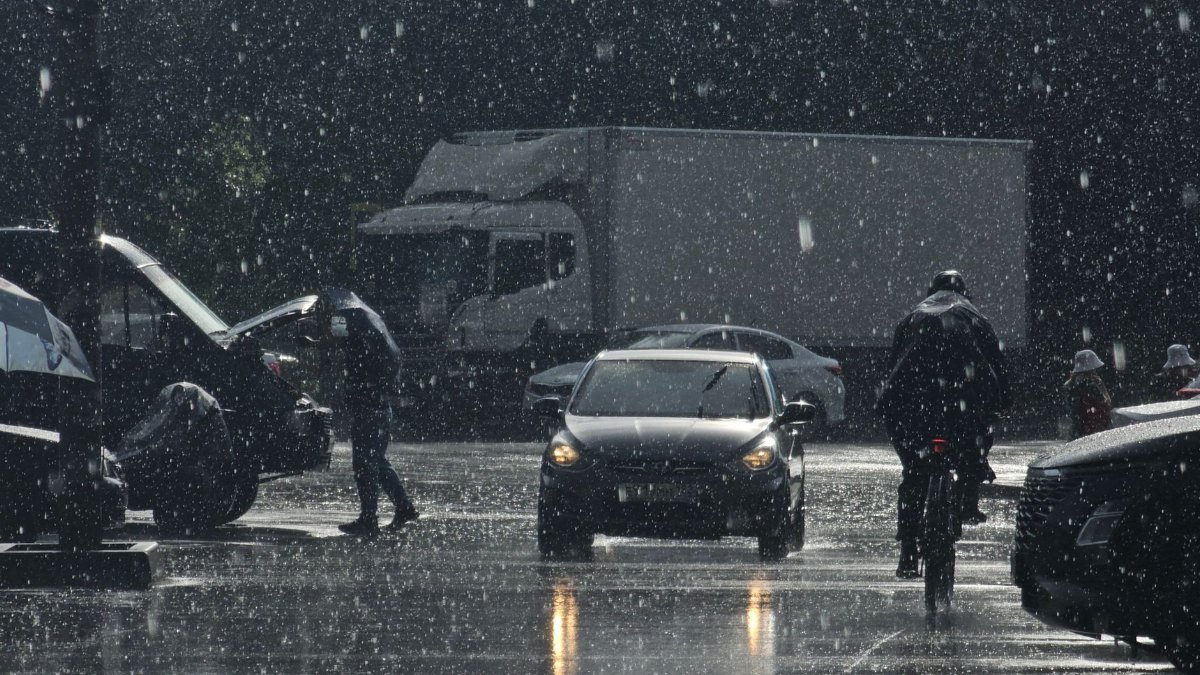
Rain had already darkened the brick sidewalks in Salem when phones began to light up with the same clipped search. Neighbors wanted a Massachusetts noreaster update before they decided whether the morning errand was worth the soak. The storm, unusual for late September, pushed thick cloud off the Atlantic and laid a wet hand on harbors, commuter roads, and maple lined streets from the North Shore to the Cape. Wind worried shutters. Gutters ran full. In kitchens, people stood at windows and listened, the way New Englanders do when the ocean decides to visit inland for a day.
What a coastal storm feels like before noon
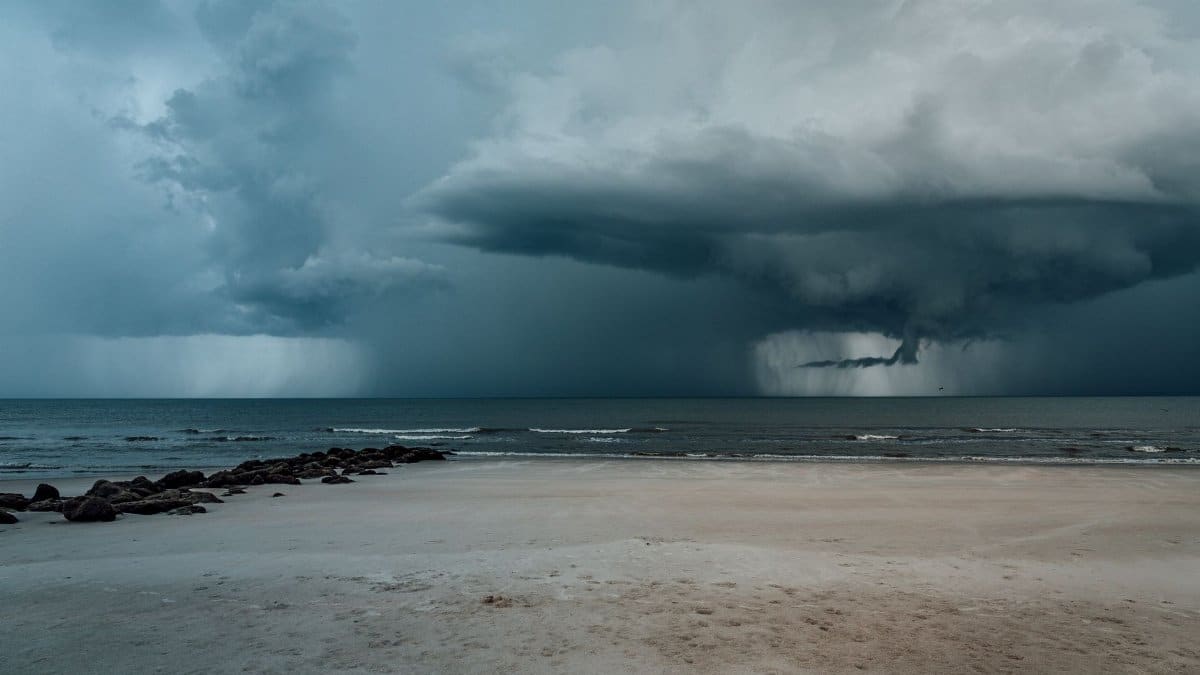
A nor’easter is less a single blast than a long argument between land and sea. Pressure drops. Wind swings around from the northeast. Moisture piles against the coast and then slides inland in bands that look, on a radar loop, like gray ribbons. In Massachusetts that pattern is familiar in winter. In September it feels out of season, which is why so many people treated this one as news rather than background weather.
By late morning the light had gone flat. Leaves that had only begun to turn clung wet to windshields. Porch furniture that someone meant to bring in stayed where it was, because the first hard gust made the trip outside feel poorly timed. The sound was steady rather than dramatic: rain on roof, a loose screen ticking, a flag halyard knocking against a pole near the harbor.
Wind that finds every loose shutter

Along the immediate shore the wind had more room. It came in pulses, strong enough to bend small trees and to send spray over seawalls when a wave and a gust arrived together. Inland, the same wind lost some of its edge but still found gaps in old windows and set chimney caps humming. Utility crews know that combination. Branches heavy with late summer growth meet lines that have not yet been hardened for the colder months.
Residents in exposed towns described a day of small decisions. Leave the car under the tree or move it to the street. Tape the cracked pane or trust it. Check the sump pump before the basement has a chance to argue. None of those choices makes a headline. Together they are how a state absorbs a storm that is serious without being historic.
Rain, drains, and the streets that fill first
The rain was the broader problem. Coastal storms do not need a record total to cause trouble if the water arrives faster than drains can take it. Low streets near tidal creeks, underpasses on older highways, and parking lots graded toward a single grate tend to go first. In several communities, water stood at the curb and then crept toward doorsteps as the tide rose underneath the rain, a stacked inconvenience that September does not usually deliver.
Public works departments spent the day on the unglamorous circuit: clearing leaves from catch basins, setting cones where a lane had become a pond, answering calls from drivers who had guessed wrong about depth. Flooding of that kind rarely looks like a disaster film. It looks like a sedan stalled at a dip in the road and a neighbor in boots waving people back.
When the lights go out

Power failures followed the wind more than the rain. A limb on a line in one town can darken a string of streets in the next if the circuit is shared. Outages in a September storm carry a different discomfort than a January blackout. Houses are not yet sealed for deep cold, but refrigerators are full, sump pumps matter, and medical devices still need a plan. Some households had generators. Many did not, and spent the afternoon reading by window light and refreshing outage maps that refreshed slowly.
Utilities asked people to stay clear of downed lines and to report damage rather than investigate it. That advice is old and still the right advice. A wire in a wet yard does not announce itself. The better story, if there is one, is the crew in rain gear working a pole while traffic inches past with hazard lights on.
Getting from one town to the next
Travel did not stop. It slowed, and slowing is its own kind of disruption in a state built on short hops. Commuter rail and buses ran with delays where signals or trees interfered. Ferries weighed wind against schedule. Logan remained open for much of the day, with the usual scatter of late arrivals that a coastal wind produces, though anyone with a connection treated the board as a suggestion.
On local roads the hazard was less ice than water and visibility. Wipers on high, spray from trucks, a sudden sheet across an exit ramp. State police urged drivers to leave extra room and to abandon the folk belief that a familiar route is a safe route in standing water. A Massachusetts noreaster update, for many people, was less about the big picture than about whether their particular bridge, rotary, or school pickup line was passable.
The tide and the working waterfront
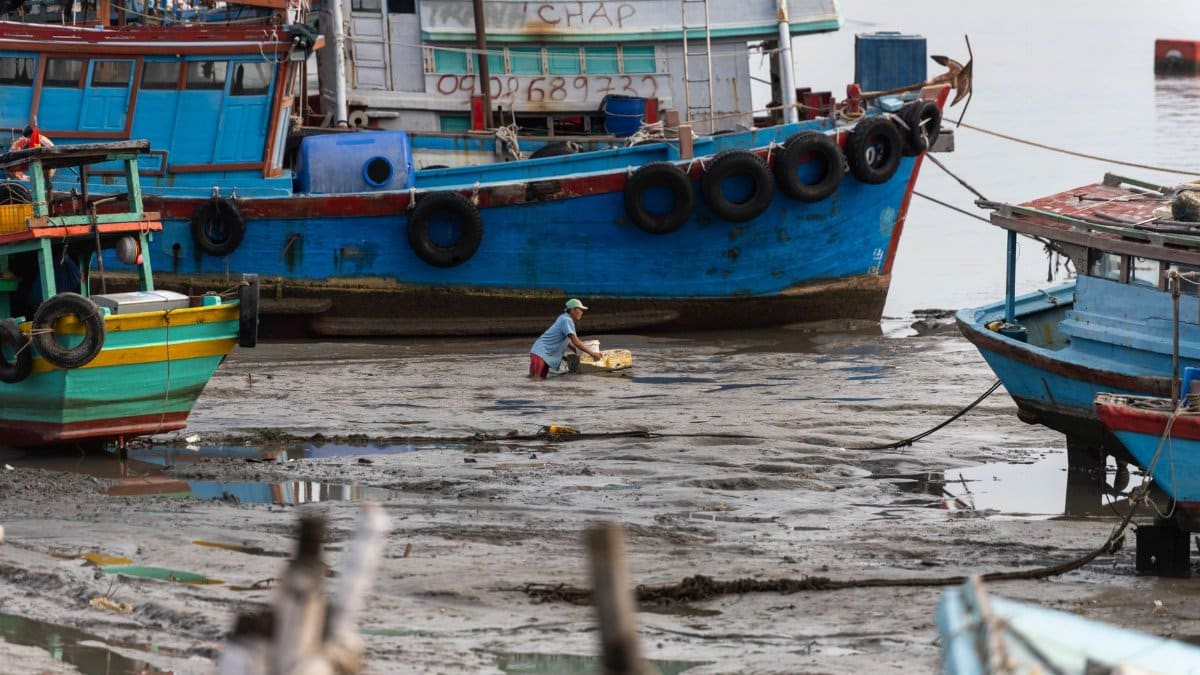
Marinas had already shifted into a defensive posture. Lines doubled. Loose gear stowed. Boats that could be hauled were hauled; others rode it out, rising and falling against pilings as the tide came in higher than a fair weather afternoon. Commercial crews watched the same clock. A fishing boat does not need a hurricane to decide that the grounds can wait.
On the beaches, the public show was smaller than in a summer storm. Few people lingered for photographs. The ones who did stood well back from the dune edge, where the surf had begun to cut at paths that towns spend quiet weeks maintaining. Sand does not negotiate. It moves, and the bill for moving it back arrives later, in budgets rather than in breaking news.
How word of the storm travels

Official briefings and neighborhood texts ran on parallel tracks. Meteorologists at the National Weather Service described wind, rain, and coastal flood risk in plain language, updated as the center of the storm shifted. Governors and mayors repeated the practical list: charge phones, avoid travel if you can, do not drive into water, check on anyone who might be alone. Local news desks kept a live file because conditions changed by the hour and because readers now expect a single page that gathers what scattered alerts cannot.
That is the real function of a Massachusetts noreaster update in the age of constant refresh. It is not prophecy. It is a running account of what has already happened in one town and what is still likely in the next, written while the rain is still on the window. Readers who treat it as a script rather than a sketch will be disappointed. Weather does not file on deadline.
Schools, errands, and the paused Saturday

Where the storm overlapped a school day, districts made the familiar call: delay, dismiss early, or hold. Parents rearranged work. Cafeterias that had planned a normal lunch improvised. After school sports folded without much argument. The disappointment was real and small, which is how most storm damage actually feels before anyone tallies larger losses.
Shops on main streets stayed open if the power held and the street did not flood. Foot traffic thinned. A hardware store sold sump hoses, batteries, and tarps to people who had postponed that purchase since the last coastal blow. Grocery lines moved with the slightly grim cheer of New England inconvenience, everyone wet at the cuffs, everyone sure they had seen worse and hoping they would not see it today.
September and the old calendar

Old timers will say the ocean does not read the almanac. They are right in spirit. Tropical moisture can feed a coastal low well after Labor Day, and a track that would be ordinary in November can feel rare when the beaches are only recently emptied of summer crowds. Climate scientists have spent years explaining that warmer water and a juicier atmosphere can intensify rain in storms of many kinds. A single September event does not prove a trend. It does remind a state that the shoulder season is not a guarantee of quiet.
Preparedness follows that reminder unevenly. Some households keep a kit year round. Others pack it away with the snow shovels and rediscover, in the dark, that the flashlight batteries are tired. The gap is not moral. It is human. Memory fades between storms, and September is when memory is supposed to be about school supplies, not sump pumps.
Neighbors, churches, and the long evening
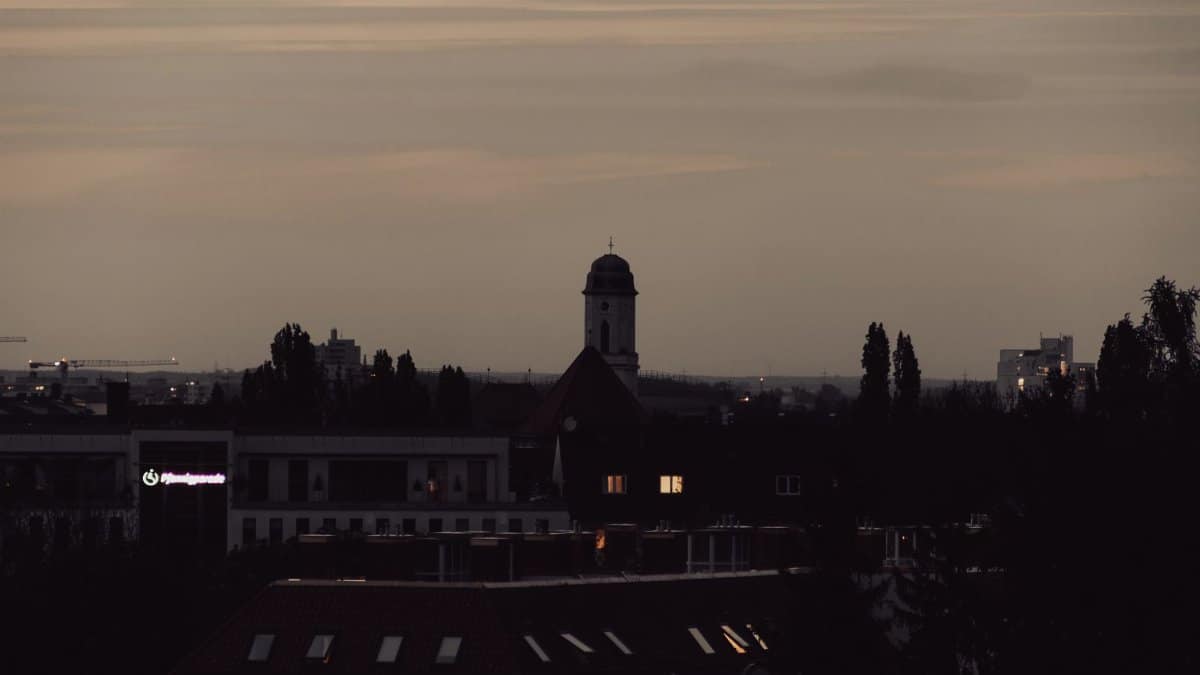
As daylight failed, the storm became a social fact as much as a meteorological one. People texted the block. Someone with a generator offered a phone charge and a pot of coffee. In several towns, congregations that already open their halls for winter nights unlocked doors early, not as a spectacle of faith but as a practical room with light, outlets, and a dry floor. Spiritual News is an odd label for a weather story until you notice what people reach for when the ordinary evening is interrupted: company, a shared meal, a place that is not their own dark kitchen.
No one needed a sermon about the sea. The sea was already speaking. What helped was smaller. A ride for an older neighbor. A flashlight left on a porch. A pastor or a rabbi or a simply organized volunteer who knew which streets had gone quiet. Storms strip schedules down to that scale faster than they strip shingles.
What forecasters watch as the wind turns
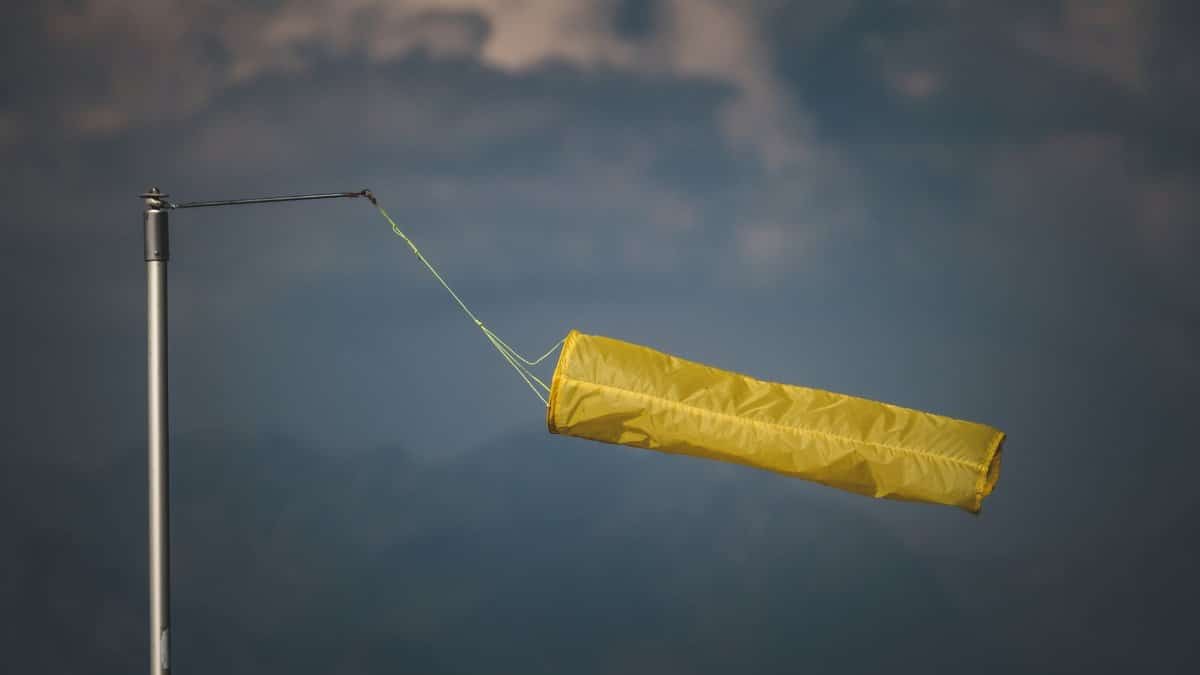
The end of a nor’easter is rarely a clean break. Wind eases on one side of the state while rain lingers on the other. Coastal flooding can peak on a tide cycle after the heaviest gusts have passed, which surprises people who assume the danger leaves with the drama. Forecasters watch the pressure rise, the wind shift, and the radar thin. Road crews watch the same signs and start the slower work of clearing debris once it is safe to put a bucket truck on a shoulder.
Readers looking for a Massachusetts noreaster update in those hours should look for three things: whether outages are shrinking or spreading, whether the next high tide still threatens low roads, and whether any river or stream that took the rain is still rising. Those answers change. A page that pretends they are fixed is not reporting. It is decorating.
After the gusts, the ordinary repair

Morning after a storm has a particular smell in Massachusetts: wet leaves, salt if you are near the water, the faint ozone of a line that arced in the night. People walk their blocks and note what held. A fence down. A sign bent. A basement that stayed dry because someone remembered the pump. Insurance calls begin for the unlucky. For everyone else the day returns in pieces, school buses on a revised route, cafes reopen, the harbor a little louder than it was.
The useful memory is not fear. It is sequence. Charge what you can before the wind arrives. Move the car. Know the tide. Treat standing water as a closed road. Share what you learn with the person who does not refresh a screen every ten minutes. A Massachusetts noreaster update can tell you what the coast is doing. It cannot knock on the door down the hall. That part remains local, manual, and worth doing before the next gray ribbon shows up on the radar, whether the calendar says September or not.