

The legal system in Texas has become the latest venue for disputes over public infrastructure as a prominent sports owner pushes for greater access to documents. This development underscores ongoing questions about transparency in how cities negotiate with private investors on large facilities. The Mark Cuban Mavericks arena remains central to these discussions as filings in a Dallas court seek records from the Valley View site project.
The Origins of the Valley View Proposal

City planners first identified the Valley View area as a potential site for mixed use development more than a decade ago. Officials envisioned a combination of retail, housing and entertainment options that could revitalize a former shopping mall location. Discussions soon turned toward including a modern arena to anchor the project and draw visitors year round.
Mark Cuban Role in Arena Discussions

As owner of the Dallas Mavericks, Cuban has voiced support for upgraded facilities that could improve fan experience and team operations. His involvement brought additional attention to the Valley View location and its potential as a long term home for the franchise. Public meetings revealed differing views on funding mechanisms and land use priorities.
Public Records Request Leads to Lawsuit

Efforts to obtain detailed documents about the negotiations hit roadblocks when city staff cited exemptions under state open records laws. Cuban responded by filing suit in district court to compel release of emails, contracts and financial projections. The case has drawn interest from local watchdogs concerned about accountability in public private partnerships.
Financial Structures Behind the Project

Proposals for the arena have included a mix of public bonds, tax incentives and private capital contributions. Analysts note that such arrangements often shift certain costs to taxpayers while promising economic benefits like job creation and increased tourism. Court documents may clarify how those terms were finalized during closed sessions.
Community Reactions Across Dallas

Residents near the proposed site have raised concerns about traffic, noise and changes to neighborhood character. Business groups have largely welcomed the prospect of new construction and related commerce. Local elected officials find themselves balancing growth ambitions with demands for clearer information on deal terms.
Comparisons to Other Sports Venue Deals

Similar projects in cities such as Atlanta and Los Angeles offer examples of how arena financing can evolve through litigation and public scrutiny. Those cases frequently hinged on access to negotiation records that later influenced voter referendums or revised agreements. Dallas observers watch to see whether this suit produces similar outcomes.
Potential Effects on Future Development
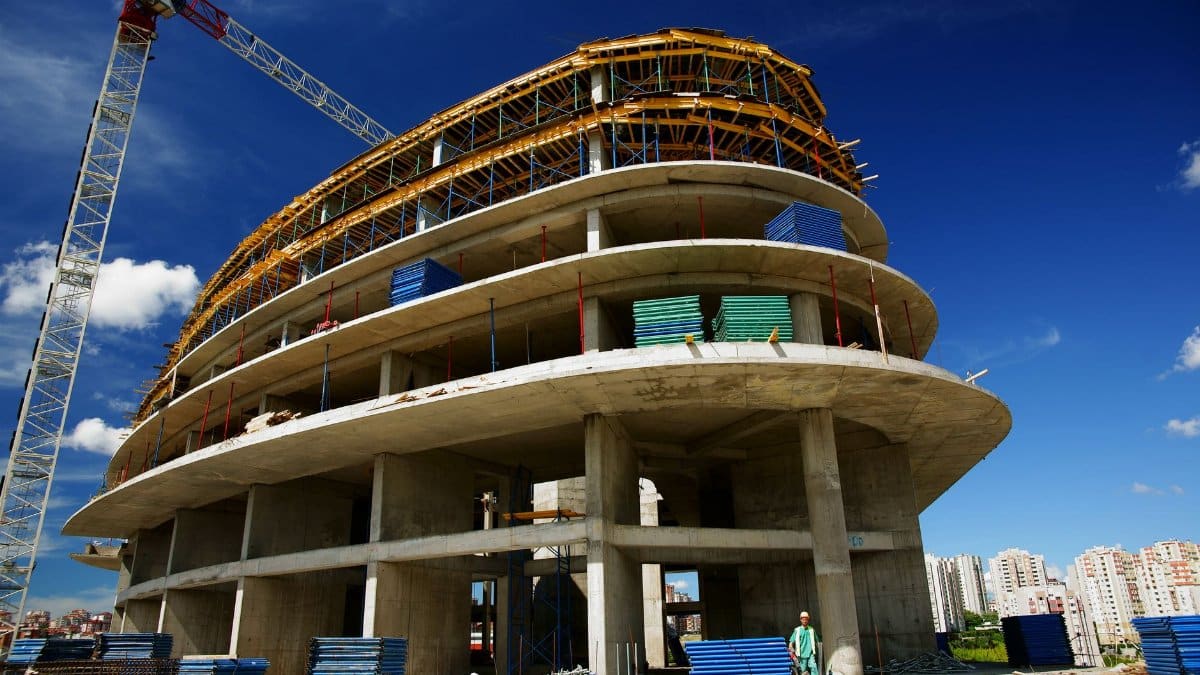
A ruling favoring greater disclosure could set precedents for how Texas municipalities handle sensitive economic development files. It might also prompt teams and investors to adjust their strategies when pursuing public support. The Valley View effort thus serves as a test case for broader infrastructure planning practices.
Next Steps in the Court Proceedings

Hearings are scheduled to address arguments over which materials qualify as confidential. Both sides have submitted briefs outlining their positions on transparency versus proprietary interests. A decision could come within months and shape the trajectory of the entire arena initiative moving forward.