
California has spent decades arguing over the same rivers, and the argument is about to harden into a formal choice. In Sacramento, officials are nearing a moment when paper plans must become binding expectations for farms, cities, and the fish that depend on cold, connected water. The Newsom Delta water plan sits at the center of that choice, framed by the governor as a way to protect the Sacramento San Joaquin River Delta without freezing the economy that drinks from it. Water agencies say the timetable is rushed and the costs are unclear. Environmental advocates say delay has already done the damage. Between those positions lies a regulatory calendar that no longer has much slack.
A deadline that concentrates every grievance

Deadlines do not create conflict in California water. They reveal it. The Bay Delta update has lived for years in drafts, workshops, scientific memos, and closed negotiations. What changes now is the prospect of adoption, a step that turns preferences into duties. Once a plan is adopted, agencies must show how they will meet flow, habitat, and water quality aims, or explain why they cannot. That is why the final months feel larger than the text itself. Lawyers read for exposure. Farmers read for planting risk. Urban suppliers read for the next drought curtailment. Tribes and fishing communities read for whether the state will finally treat the estuary as more than a conveyance channel.
The mess is procedural as much as hydrological. Comments pile up. Models get revised. Side agreements appear and stall. A board that wants a defensible record cannot simply declare consensus. It has to show that the chosen path rests on evidence and on a lawful reading of the public trust, reasonable use, and water quality duties. Hurry makes that record fragile. Waiting makes the ecological case look abandoned. Either error can end in court.
What the delta actually is

The delta is not a single river and not a wilderness preserve. It is a braided inland estuary east of the Bay, a farm landscape behind levees, a migration corridor for salmon and sturgeon, and the hub through which much of the state moves water from wetter northern watersheds toward drier cities and fields. Pumps in the south delta send supplies toward the San Joaquin Valley and Southern California. Tides push salt inland when freshwater outflow falls. In wet years the system looks generous. In dry years every acre foot is spoken for before it falls as rain.
That geography explains why a plan written in Sacramento lands in kitchens and irrigation districts hundreds of miles away. A change in required outflow can mean less water for a city reserve, a smaller allocation for a grower, or a different operating rule for a reservoir. It can also mean a chance that juvenile fish reach the ocean instead of dying in warm, slack water. No serious account pretends those outcomes can be maximized together in every year. The argument is about the floor, not the fantasy.
The governor’s wager

Gavin Newsom has tried to hold two stories at once. One story says California can build, house people, and keep agriculture viable. The other says the estuary is in long decline and that voluntary goodwill has not reversed it. The Newsom Delta water plan is his attempt to bind those stories to a single regulatory package, with the state pressing for adoption while also encouraging negotiated deals among diverters. Supporters call that pragmatism. Critics call it a way to soften standards before they are written down.
The wager depends on trust. If agencies believe the state will credit real habitat work and flexible operations, they may stay at the table. If they believe the end state is a rigid flow number that ignores storage, groundwater limits, and urban conservation already achieved, they will fight the record. If advocates believe voluntary deals are a delay tactic, they will treat every compromise as a loss. A governor can set the tone. He cannot manufacture trust that the last twenty years of process failed to earn.
Why agencies are pushing back

Water agencies are not a single interest. A small irrigation district on a tributary does not face the same risk as a metropolitan wholesaler with a diverse portfolio. Still, their objections rhyme. They argue that the science does not justify the most aggressive flow ranges in every water year type. They argue that the cost of replacement supplies, from recycling to storm capture to purchases, is not honestly priced. They argue that adoption without a clear path for permitted habitat projects will demand water while leaving restoration stuck in permits.
Some of that resistance is ordinary protection of a right. Some of it is a fair demand for implementation detail. A plan that says “more water for the environment” without saying who cuts first, how drought years are shared, and how projects get built is not yet a plan an operator can run. Agencies also fear precedent. A delta decision becomes a template for tributary hearings. That is why comments run long and why “huge mess” is less a slogan than a description of overlapping claims on the same molecules.
Fish, farms, and the credibility of targets
Salmon runs, smelt, and other native species have been the moral center of delta policy for a generation, and also its most disputed metric. Flow is not the only driver. Ocean conditions, hatcheries, predators, invasive clams, warm reservoirs, and simplified channels all matter. Flow is the lever the state can turn with rules. That is why it dominates hearings even when biologists describe a fuller web of causes.
Farm communities answer with their own evidence of stress. Permanent crops cannot be fallowed like an annual field. Workers live in towns built around the season. Groundwater rules already require cutbacks in overdrafted basins, so a surface water reduction is not a clean swap. Urban agencies add a third ledger: indoor conservation has limits, and outdoor use is already policed in drought. A credible target has to survive all three ledgers without pretending the fish ledger is optional. The public trust is not a suggestion. Neither is the fact that people eat, work, and drink.
Voluntary deals under pressure

Negotiated agreements have been offered as the adult alternative to a top down order. In theory they trade assured flows and funding for habitat, monitoring, and governance that a blunt regulation might not buy. In practice they take years, exclude some parties, and struggle to show benefits that are large enough and fast enough. When a deadline nears, those deals become both a hope and a hostage. Regulators may want them in the record. Litigants may call them inadequate substitutes for standards.
I have sat through enough California water meetings to know the tone. People speak of partnership while their counsel reserves every objection. That is not hypocrisy so much as the structure. A deal that cannot survive a lawsuit is not a deal. A standard that ignores whether projects can be permitted is not protection. The useful question is narrower. Do the agreements add measurable outflow and habitat on a schedule the board can enforce, or do they mainly document intentions?
Drought years break the averages
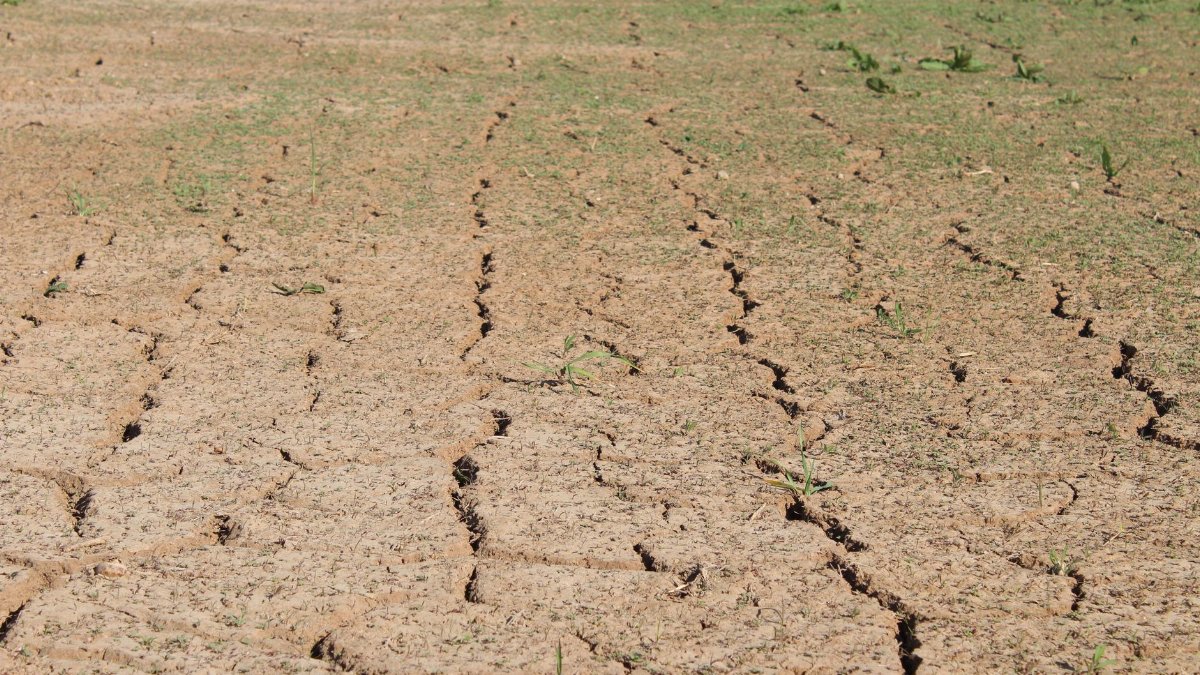
Average hydrology is a comforting fiction. The years that break institutions are the dry sequences, when reservoirs drop, salinity creeps, and junior rights fall silent. Any delta plan that looks acceptable on a long term chart can still fail in the fourth dry year if sharing rules are vague. Operators need to know the triggers. Communities need to know whether health and safety water is truly first. Ecosystems need a minimum that is not the first promise waived when politics tightens.
Climate change makes the fiction thinner. Warmer storms, less snowpack, and flashier runoff mean the old monthly patterns mislead. A plan written as if the next decade will resemble the last century will age badly. That does not require apocalyptic language. It requires rules that can be revisited without a decade of paralysis, and monitoring that tells the state when a target is theater.
Money, permits, and who carries the cut

Water policy fails in the budget as often as in the biology. Habitat needs land, levees, and years of permitting. Flow needs someone to forgo a diversion or release stored water. Both need staff. If the state adopts aims and then underfunds the work, agencies will say they were handed a mandate without the tools. If agencies demand payment for every ecological duty, the public will hear a ransom note. A serious adoption package names funding sources, permit shortcuts that still protect communities, and a sequence of projects that can actually be built.
Equity belongs in that package without becoming a slogan. Some towns lack the rate base to build recycling plants. Some tribal nations have been consulted late, after the maps were drawn. Farm labor does not appear in acre foot charts. A polished plan that ignores those facts will read as complete in the capital and incomplete everywhere else.
Courts are the shadow calendar

Almost everyone in this fight writes with a future judge in mind. Environmental groups have sued over weak standards before. Districts have sued over takings, process, and science. The board knows a thin record is an invitation. That shadow calendar is one reason the visible deadline feels immovable and also unsafe. Adopt too little and lose in one courtroom. Adopt too much, too fast, and lose in another. The middle path is not cowardice if it is specific. Vague balance is what loses.
Readers outside California should not mistake this for a local plumbing dispute. The delta is a test of whether a rich state can limit itself. Other basins are watching how science is weighed, how tribes are heard, and whether voluntary language survives contact with enforcement.
What adoption would and would not settle

Adoption would not end the delta argument. It would change its form. Implementation plans, annual operations, funding fights, and project permits would replace the endless seminar on first principles. That is progress if the document is clear. It is another loop if the document only restates hopes. The Newsom Delta water plan will be judged less by the press conference than by whether, five years on, outflow, habitat acres, and fish survival move in the direction the findings claim.
Failure would also teach. If the deadline slips again, the lesson will not be that complexity is hard. Everyone already knows that. The lesson will be that California can describe a crisis with exquisite nuance and still decline to choose. Agencies will keep operating under old rules. Advocates will keep litigating. The estuary will keep keeping score in a language of fish counts and salt lines, not press releases.
A narrower decision than the rhetoric

The rhetoric says the state must save the delta and save the economy. The decision in front of regulators is smaller and harder. It is a set of numbers, schedules, and enforcement tools. It asks who gives water in which year type, what projects must be underway, and what happens if promises slip. The Newsom Delta water plan matters because it tries to answer those questions under a governor who wants credit for both growth and restoration. Credit is not the same as a working rule.
Middle aged Californians have heard versions of this fight since the peripheral canal, the biological opinions, and the last drought emergency. Fatigue is understandable. Fatigue is not a policy. The useful stance is impatient clarity. Demand the record. Demand the costs in plain language. Demand ecological measures that can fail in public if they are wrong. A huge mess becomes a decision only when someone writes the duty down and stands behind it when the next dry year arrives.