
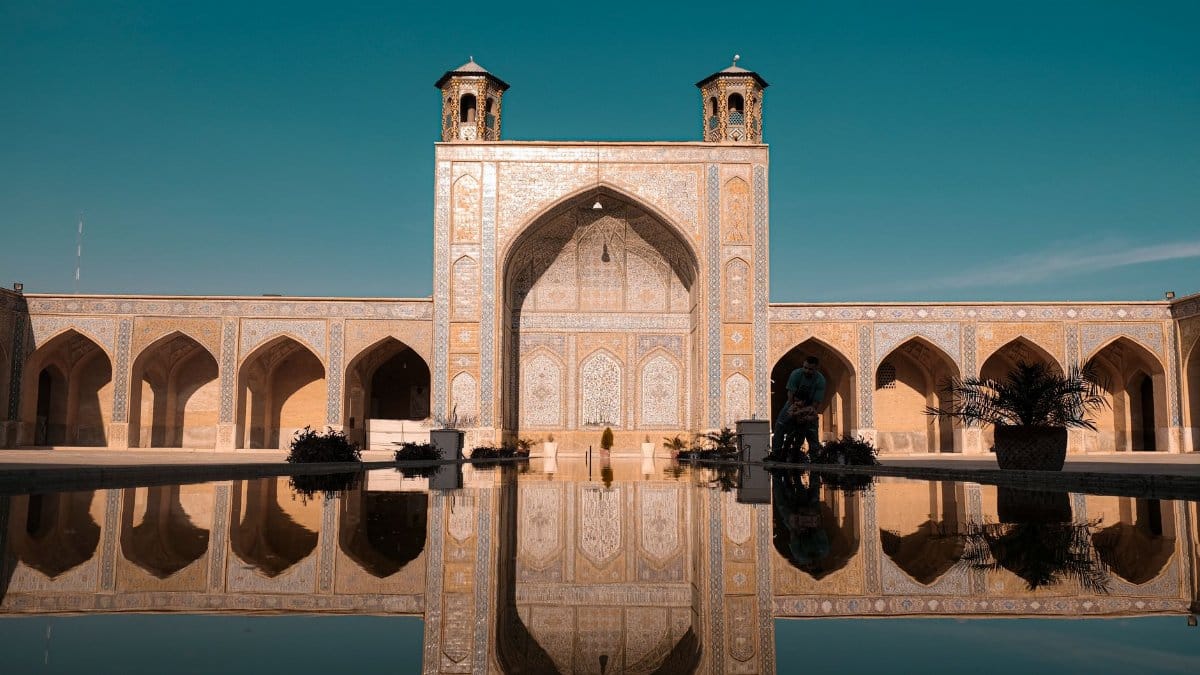
In the pale light of an October morning, motorcades moved through Tehran toward meeting rooms that have hosted more ultimatums than reconciliations. Officials from Saudi Arabia, Pakistan and Turkey arrived with a narrow brief and a wide fear: stop a slide back into open war before missiles and retaliatory strikes redraw the map again. The phrase Iran diplomacy Tehran has rarely carried so much weight in a single week, because the guests were not there to celebrate a breakthrough. They were there to buy time. Fighting among Iran, Israel and the United States had paused, yet nobody in the region treated the pause as peace. Airlines adjusted routes. Families stocked water. Diplomats measured their words as if a careless sentence could restart the guns.
Why three capitals sent people at once

The arrivals on October 26, 2026, were coordinated in spirit if not in a single script. Riyadh, Islamabad and Ankara each have reasons to fear a second round of fighting, and each has limited power to stop one. Saudi Arabia sits across the Gulf from Iranian missiles and shares sea lanes that markets watch by the hour. Pakistan borders Iran, holds its own nuclear arsenal, and cannot afford a war that sends refugees, sectarian anger and economic shock across a long frontier. Turkey balances trade, energy routes and a public that has little appetite for another neighboring conflict. Together they formed an improvised trio rather than a formal bloc.
What reporters in the region described, including accounts carried by the Star Tribune, was less a summit than a relay of urgent conversations. Delegations met Iranian counterparts in a capital that has spent months absorbing strikes, threats and the strange quiet that follows both. The visitors did not pretend they could dictate terms to Washington or Jerusalem. Their leverage was proximity, history and the simple fact that renewed fighting would not stay inside one battlefield.
A pause that nobody calls peace

The last round left a familiar wreckage: damaged sites, shaken cities, and arguments over who fired first that will outlast any communique. A truce, or something quieter than a truce, held long enough for planes to land and for foreign ministers to schedule rooms. It did not hold long enough for anyone to dismantle the machinery of the next strike. Israeli leaders still speak of unfinished threats from Iranian programs and allied militias. Iranian officials still speak of sovereignty, retaliation and a right to answer force with force. American ships and aircraft remain within reach of the same water and the same air.
That is the setting in which Iran diplomacy Tehran moved from slogan to schedule. A meeting does not erase a target list. It can, at best, insert hours of talk between a provocation and a reply. Regional officials have learned to value those hours. They have also learned not to advertise them as victory.
What Riyadh is willing to say aloud
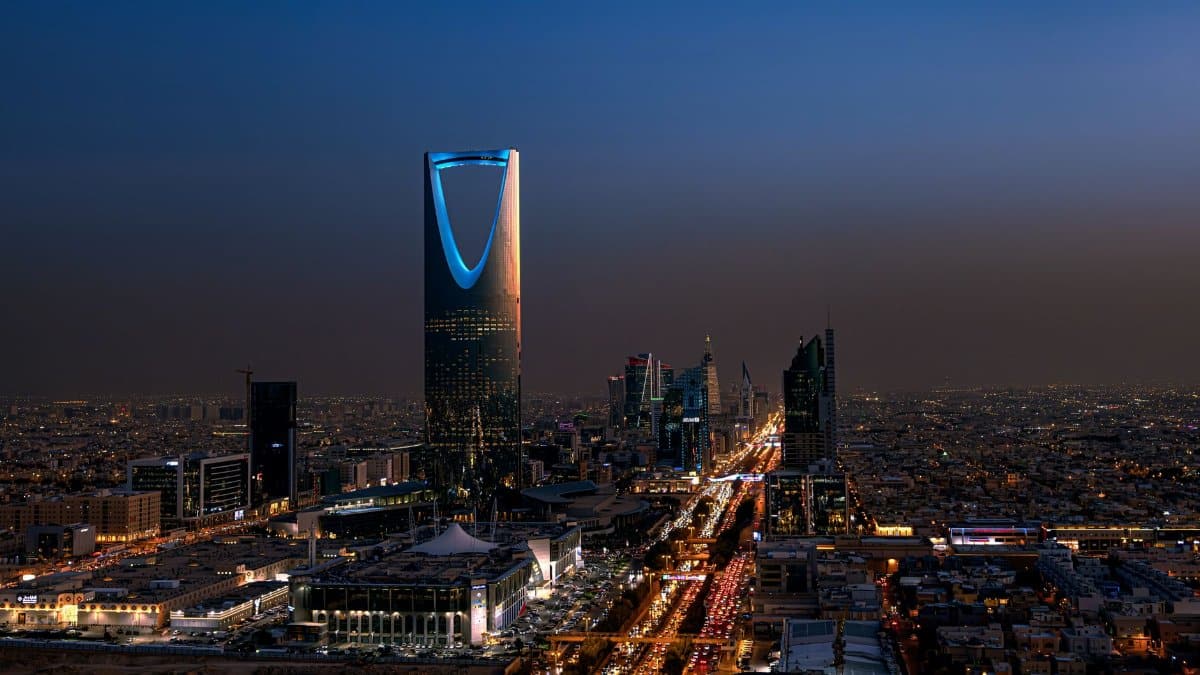
Saudi Arabia has spent recent years testing a colder, more practical relationship with Iran after years of open rivalry. Embassies reopened. Pilgrims moved. Trade talks flickered. None of that erased distrust, and none of it required Riyadh to bless Iranian policy toward Israel or the United States. The Saudi interest in these talks is plainer than the rhetoric around them. A war that closes the Strait of Hormuz, hits energy infrastructure or pulls Gulf states into missile exchanges would punish the very stability Riyadh has tried to buy with investment and careful diplomacy.
Saudi envoys can urge restraint without offering themselves as mediators trusted by every side. Israel does not take strategic advice from Riyadh on Iran, and Tehran does not take strategic advice from Riyadh on Israel. What Saudi officials can do is describe consequences in a language of shared risk: shipping, prices, pilgrimage seasons, and the political cost of looking unprepared if fighting returns. In a week like this, consequence can be a more useful argument than friendship.
Pakistan and a frontier that cannot be theoretical
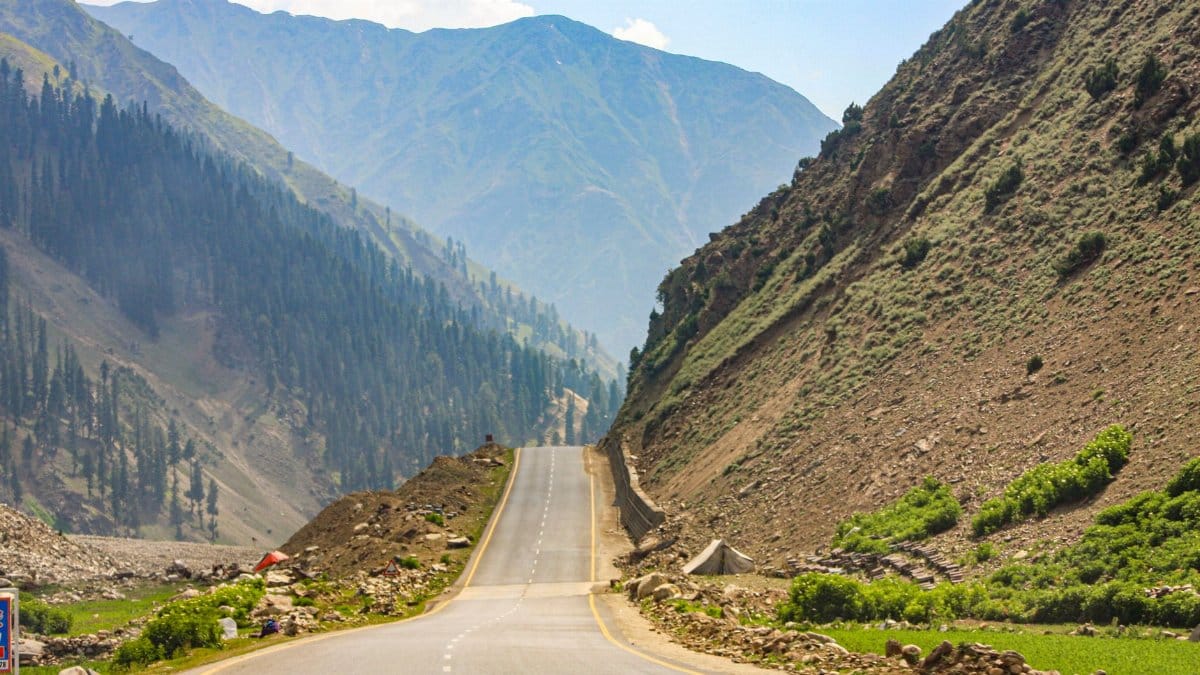
Pakistan arrives with a different map in mind. Iran is not a distant adversary in Islamabad newspapers. It is a neighbor, a trading partner of uneven reliability, and a state whose internal shocks travel. Baluchistan has long been a corridor of smuggling, insurgency and mutual accusation. A wider war would add new pressures to old ones: fuel prices, sectarian preaching, and the fear that great power conflict will ask Pakistan to choose a side it cannot afford.
Nuclear weapons sit in the background of any Pakistani conversation about war, even when the weapons in question are not Pakistan own. Officials in Islamabad have no desire to see conventional fighting near their border slide toward threats that involve other arsenals, including Israel undeclared stockpile and the American arsenal that shadows every crisis with Tehran. They also have no desire to be cast as Iran protector. The useful role is narrower: warn, listen, and keep a channel open when others are shouting.
Ankara tries to remain a bridge
Turkey has practiced this kind of diplomacy before, sometimes with results and sometimes with bruises. Ankara talks to Washington as a NATO ally, talks to Tehran as a neighbor with gas, trade and Kurdish politics between them, and talks to Israel in a relationship that swings between restoration and rupture. That range is an asset only if each capital believes Turkey is not simply carrying someone else message.
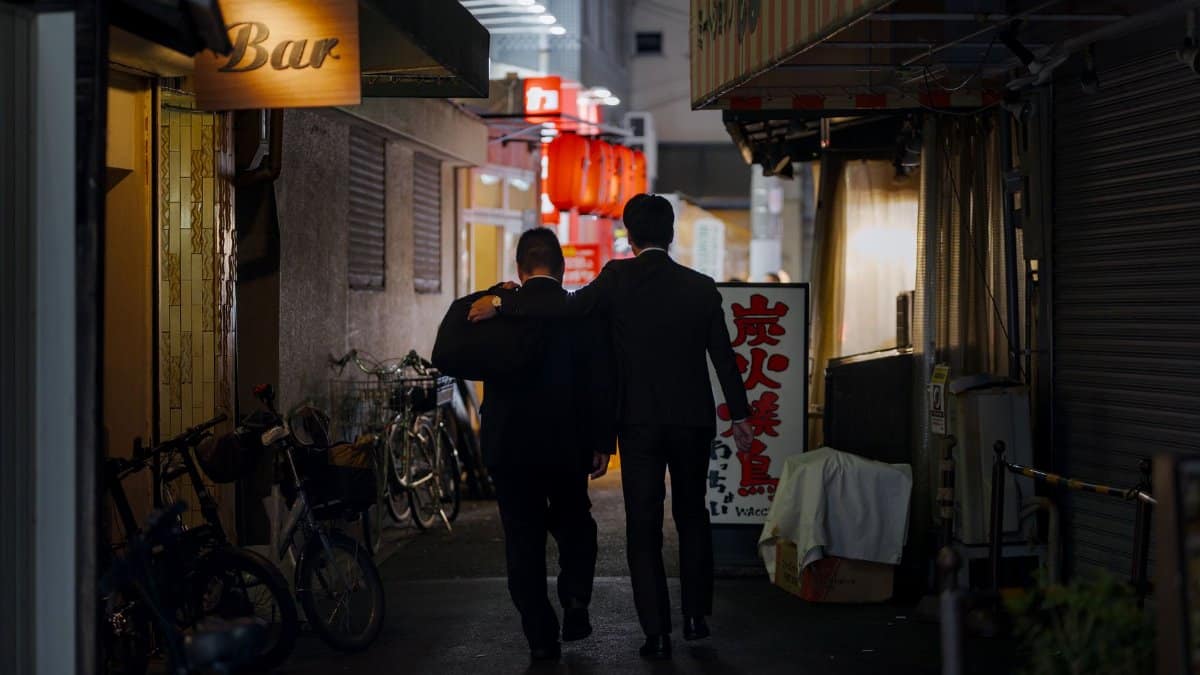
Turkish officials in Tehran were expected to stress deescalation without using that worn conference word as a substitute for detail. The practical questions are familiar. Can indirect messages reach Israeli decision makers before a militia attack or an Israeli strike resets the clock? Can Iran signal that a pause will be policed inside its own network of partners, not merely announced? Can Washington treat a regional appeal as information rather than interference? None of those questions yield to a photograph of men in suits. All of them explain why the photograph was taken.
Washington and Jerusalem stay off the guest list

The absence of American and Israeli delegations was the point, not an oversight. Direct talks among Iran, Israel and the United States were not on offer in these rooms. The visitors functioned as adjacent voices, hoping to shape a crisis they cannot command. That structure has virtues. It lets Tehran host without the theater of sitting down with adversaries it has sworn not to recognize in this format. It lets the visitors claim they are preventing war rather than negotiating someone else surrender.
It also has a flaw that every experienced diplomat in the room already understands. Messages lose fidelity as they travel. A warning that sounds firm in Tehran can sound hedged by the time it reaches another capital. A reassurance offered in private can be denied in public within a day. Iran diplomacy Tehran works, when it works, as a supplement to other channels, including military hotlines and quiet contacts that governments rarely describe. It fails when leaders treat the supplement as a substitute.
Inside a capital that has learned the sound of alarms
Tehran is not an abstraction in this story. It is a city of traffic, shrines, universities and apartment blocks where people have already practiced what to do when warnings sound. Shops stay open because life requires it. Parents still argue about school. The political class speaks of resistance and dignity, and many residents speak, more quietly, of prices and of cousins who left. A foreign delegation does not change that texture. It does remind people that outsiders are again trying to guess whether the next week will be ordinary.
Iranian state media framed the visits as evidence that the region rejects war. Independent observers, where they can still work, tend to hear a more mixed public mood: pride, exhaustion, suspicion of foreign motives, and a hard earned skepticism about promises that fighting has ended. Any account that flattens that mood into a single national will is writing propaganda, whether it comes from Tehran or from its critics.
Prayer, ritual and the watchfulness of ordinary believers
Because this crisis sits inside societies organized in large part by faith, the diplomatic calendar has a religious shadow. In Tehran, calls to prayer mark hours that officials also spend in closed sessions. In Saudi Arabia, the politics of the holy cities make any Gulf war feel like more than a strategic error. In Pakistan, mosques and seminaries can amplify appeals for calm or for vengeance with equal speed. In Turkey, a secular state with a devout public still measures foreign danger partly through the language of protection and fate.
None of that turns a security crisis into a sermon. It does explain why clergy, shrine administrators and local imams watch communiques as closely as traders watch oil. When governments ask citizens to endure risk, they often borrow moral language. When citizens doubt those governments, they borrow it back. A useful diplomacy does not require theologians in the room. It does require an awareness that public consent, including religious consent, can outlast a press release or collapse before one.
What would count as a useful day

Success, if the word fits at all, will not look like a treaty. A useful day would produce a few concrete restraints. Iranian officials might restate that allied groups should not ignite a fresh exchange while talks continue. Saudi, Pakistani and Turkish envoys might carry back a clear account of Tehran red lines and of what Tehran claims it will not do in the next stretch of days. Each visitor might also tell its own public, with more honesty than usual, that prevention is partial.
Failure is easier to picture. A strike during the visits, or a boastful threat issued for domestic cameras, would make the motorcades look naive. So would a joint statement so vague that commanders on every side treat it as noise. The visitors know this. That knowledge is why Iran diplomacy Tehran, repeated in headlines, still depends on sentences that never appear in headlines: who called whom after midnight, which unit was told to wait, which runway stayed quiet.
The economic weather around the talks
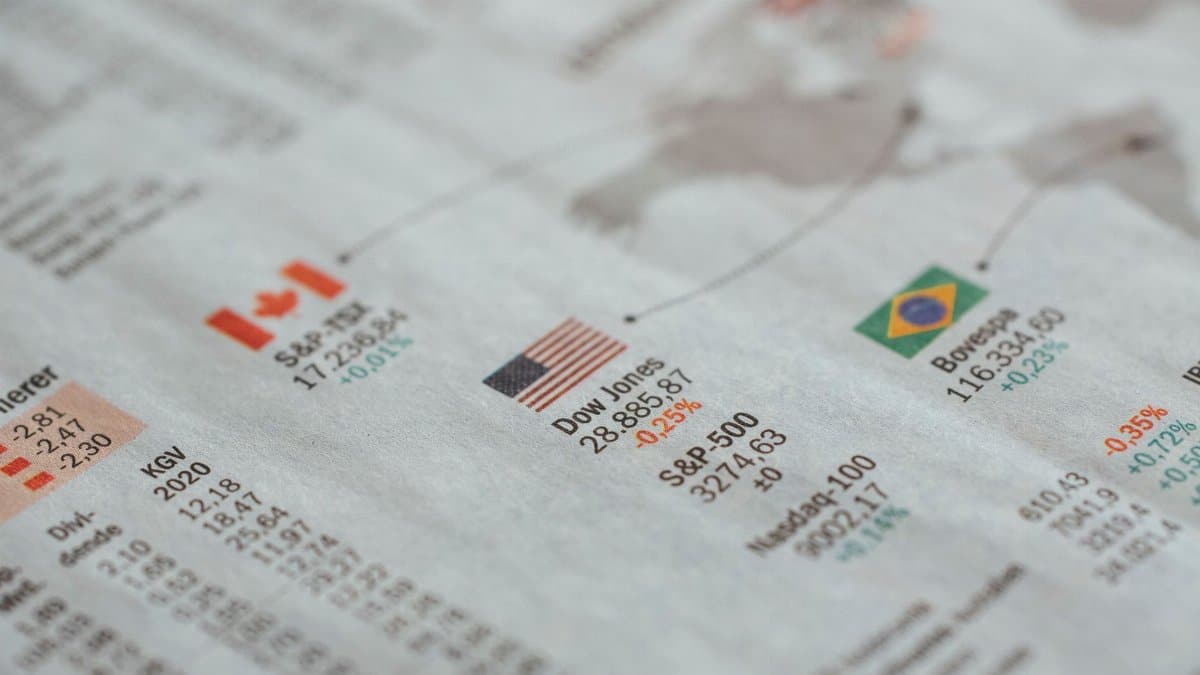
Markets do not grant moral credit for good intentions. They price the chance that tankers pause, insurance rises and governments release stockpiled fuel. Even a meeting billed as preventive can move prices if traders decide the meeting itself is evidence of panic. Conversely, a dull communique can steady a morning if it suggests that adults are still answering phones. Gulf exchanges, Turkish banks and Pakistani importers all live inside that nervous arithmetic.
Ordinary households feel it faster than conference panels admit. Bread, medicine, rent and spare parts do not wait for historians to name a war. If diplomacy in Tehran lengthens the pause, its first beneficiaries may be people who never learn the names of the envoys. If it fails, those same people will pay before most ministers do. That is not a sentimental claim. It is the ordinary distribution of risk in a region where conflict and household budgets share a border.
History as a warning, not a script
Previous attempts to separate Iran from war with Israel or the United States offer no comforting pattern. Some back channels cooled a crisis for months. Some announcements aged badly within a week. The nuclear file, sanctions, Gaza, Lebanon, Syria, Iraq and the Gulf have become tangled enough that a fix in one theater can inflame another. Delegations that arrive promising a regional solution are usually selling more than they can deliver. Delegations that arrive promising to reduce the odds of a bad week are closer to the truth.
I have watched enough of these cycles, from a distance and through the reporting of people closer to the ground, to distrust both triumph and despair as first drafts. The honest posture is narrower. Ask what changed in the chain of command. Ask whether any side gained a face saving way to wait. Ask who is still preparing the next strike while praising dialogue. Those questions age better than predictions.
The night after the meetings
By nightfall, the test moves out of the meeting rooms. Iranian officials will brief their own system. Saudi, Pakistani and Turkish guests will brief theirs, and some will brief Washington in language more candid than anything said on camera. Israeli leaders will judge whether the day reduced a threat or merely dressed it in protocol. American officials will decide whether regional anxiety deserves a change in posture or only a careful statement.
If the pause holds, credit will be disputed and that is fine. If it breaks, blame will be assigned with more confidence than evidence, and that is dangerous. The work attempted under the heading Iran diplomacy Tehran does not end when the visitors leave. It ends, temporarily, only when the people who control weapons choose not to use them. Everything else is an effort to make that choice easier than the alternative, and to do so before the alternative chooses itself.