

The recent vote in an Illinois House committee to advance a revised plan for public support of a new Chicago Bears stadium in Arlington Heights highlights ongoing debates over how cities fund major sports projects. Lawmakers adjusted details in what observers call the Bears Stadium Tax to address concerns about revenue sources and community benefits. This move comes amid broader discussions on economic priorities in the region where taxpayers weigh the merits of investing in entertainment facilities versus other local needs.
Committee Review Process

Legislators examined multiple versions of the financing package before granting approval. The session featured testimony from stadium backers who emphasized job creation and from critics who questioned the scale of public contributions. Adjustments included tighter oversight on how funds would flow to construction and operations over the coming decades.
Economic Projections Shared

Analysts presented estimates suggesting thousands of temporary construction positions along with permanent roles in stadium management and related services. These figures drew from regional models that factored in visitor spending at nearby businesses. Some experts noted that similar past projects in other states produced mixed results depending on location and management quality.
Local Government Roles

Arlington Heights officials described coordination efforts with state representatives to align the proposal with zoning and infrastructure upgrades. They highlighted potential improvements to roads and transit that could serve residents beyond game days. Coordination meetings continue to refine timelines and responsibilities among various agencies.
Taxpayer Impact Analysis

Residents in surrounding areas have expressed varied views on how the Bears Stadium Tax might affect household costs through indirect channels such as property assessments or diverted public resources. Forums hosted by community groups allowed for questions on long range budget effects. Organizers reported steady attendance with participants seeking clearer data on repayment schedules.
Comparisons To Other Venues

Observers referenced financing approaches used for stadiums in places like Green Bay and Pittsburgh where public private mixes differed in structure. Those cases showed varying degrees of success in meeting revenue targets. Illinois leaders studied these examples to shape provisions that might limit exposure for state coffers.
Future Legislative Steps
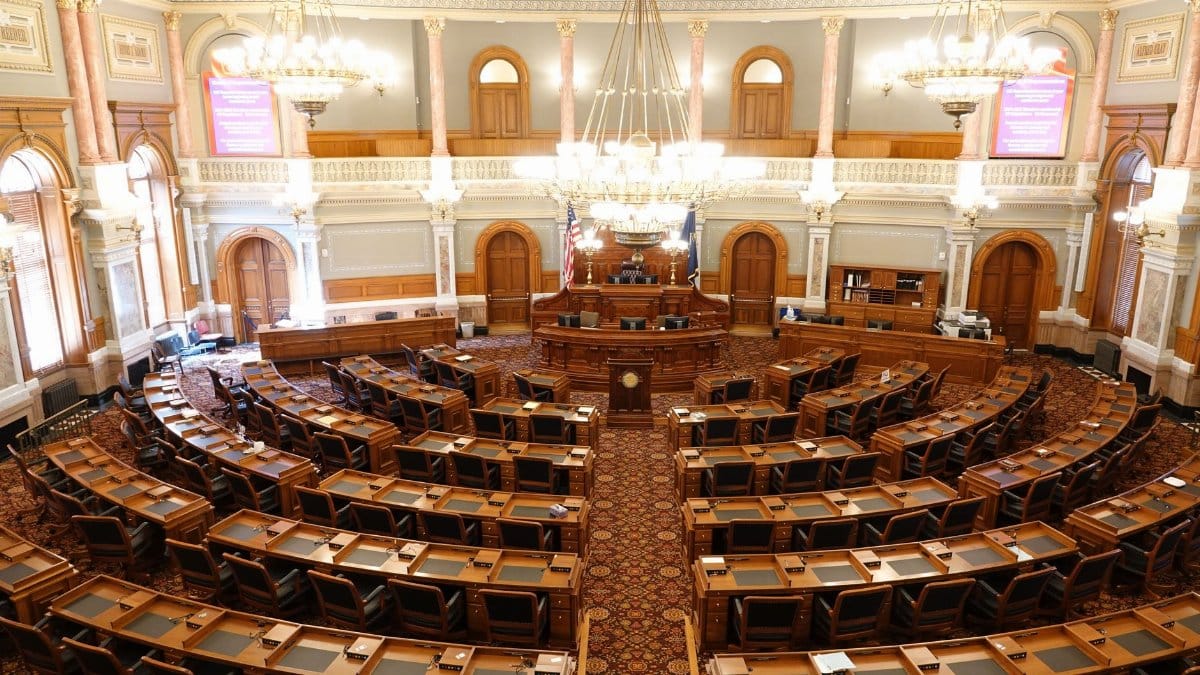
With committee clearance secured the full House now considers the measure before it moves toward the Senate. Sponsors anticipate further amendments based on floor debates. Timing remains fluid as election cycles and budget sessions intersect with the proposal.
Community Benefit Provisions

Updated language requires commitments to local hiring practices and support for youth programs in nearby neighborhoods. These elements aim to broaden appeal among residents who might otherwise view the project as primarily benefiting team ownership. Monitoring mechanisms would track compliance if the plan advances to law.
Revenue Source Details

The framework relies on a combination of hotel fees sales taxes in designated zones and ticket surcharges rather than broad based increases. Proponents argue this spreads the load across users and visitors. Detractors maintain that any public backing diverts attention from core services like schools and transit maintenance.