
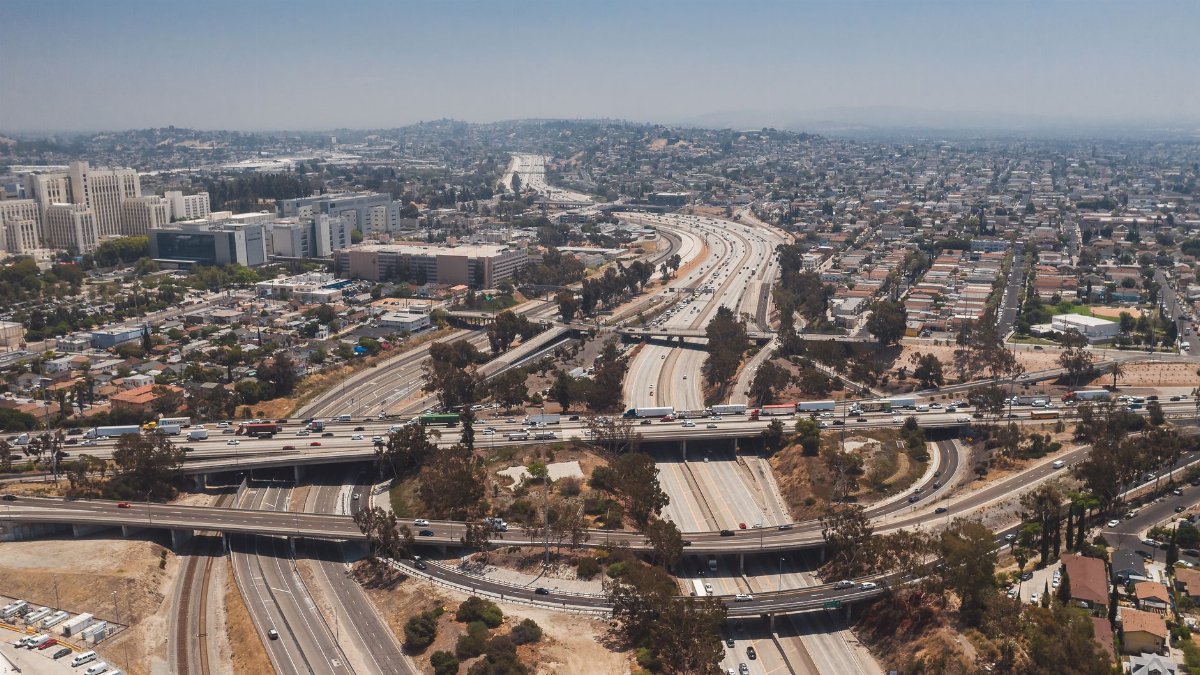
In the bustling neighborhoods of Los Angeles, sudden street floods have become an unwelcome signal that something deeper is amiss beneath the pavement. Crews rush to contain geysers from ruptured mains while residents watch water pressure drop in their homes. This scene plays out with growing frequency as the LA water system shows the strain of decades without enough renewal. Officials describe the work as a constant balancing act between urgent repairs and the hope of preventing larger failures across the sprawling network.
Decades of Deferred Upkeep Create Mounting Risks

Many sections of the city water network date back to the early twentieth century. Materials once considered reliable now crack under daily use and shifting soil conditions. Engineers track thousands of miles of pipe but lack the budget to address every weak spot at once. The result leaves large portions vulnerable during peak demand periods or after heavy rains that saturate the ground.
Recent Ruptures Expose Limits of Current Resources
Several major breaks in recent months forced street closures and boil water notices in affected zones. Each incident pulled crews from scheduled maintenance elsewhere. Response teams note that older cast iron segments fail more often than newer installations. These events highlight how limited replacement funds force choices that leave some areas waiting longer for upgrades.
Department Officials Weigh Priorities in Daily Decisions
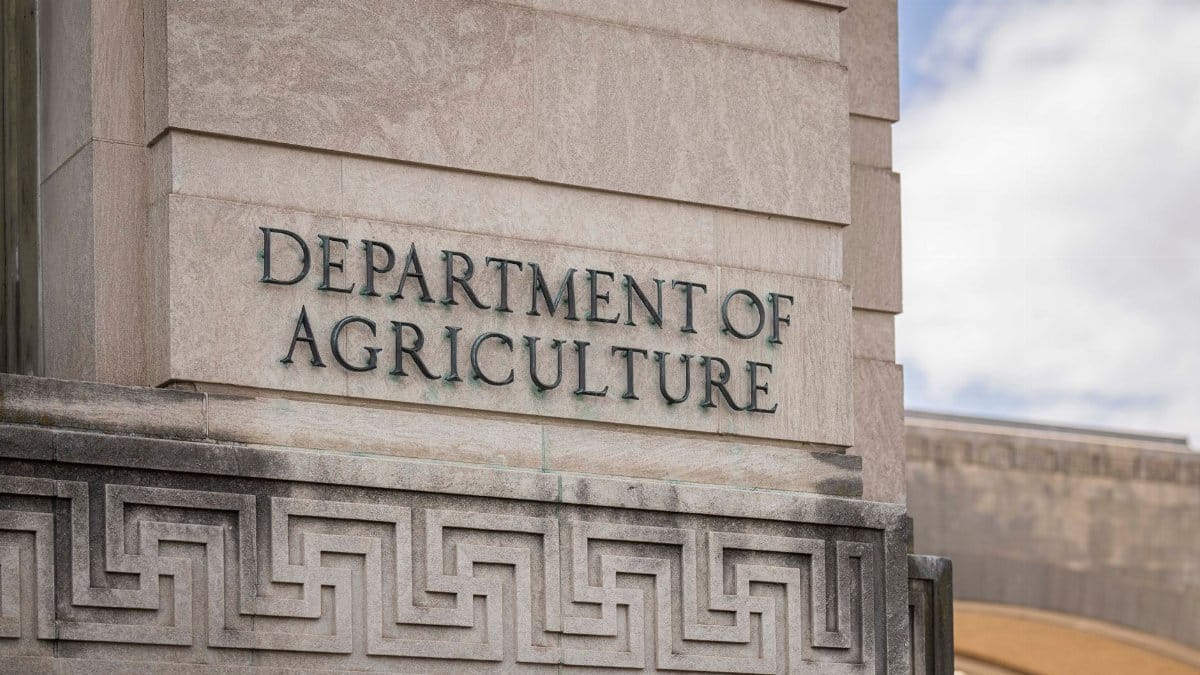
Staff at the Los Angeles Department of Water and Power review data from sensors and historical records to decide which segments receive attention first. High risk zones near hospitals or dense housing often rise to the top of the list. Yet even with careful planning, the volume of needed work exceeds available crews and materials. This reality turns every budget cycle into an exercise in compromise.
Funding Shortfalls Shape the Pace of Pipe Replacement
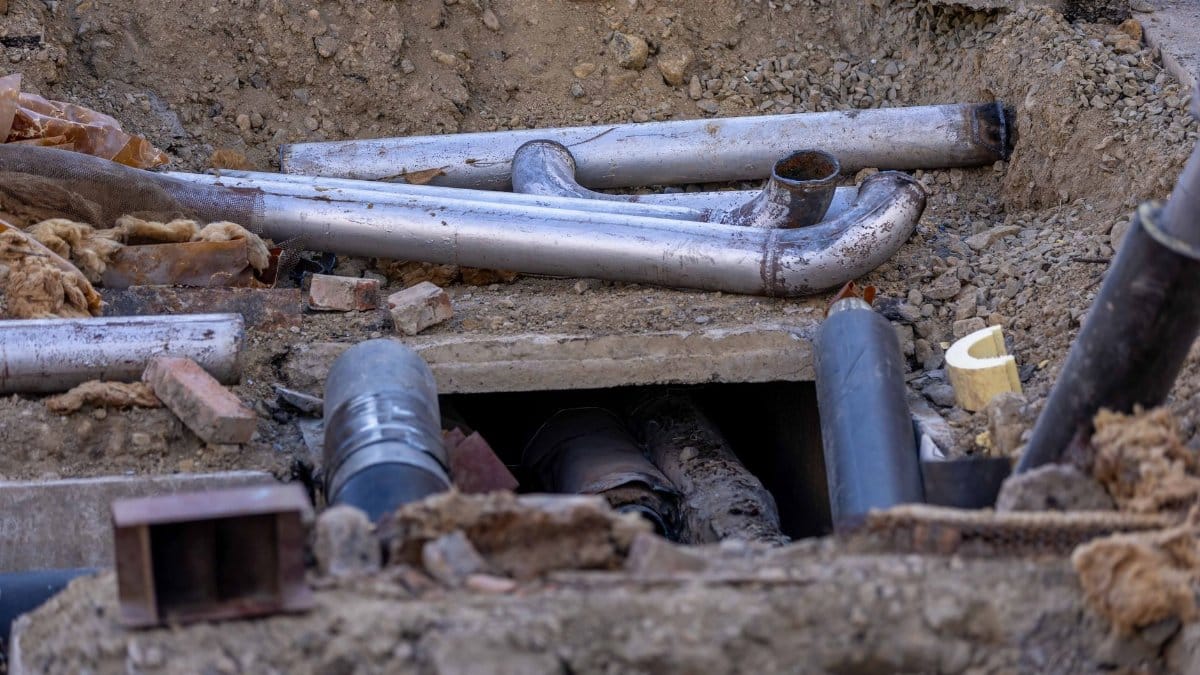
Annual allocations cover only a fraction of the pipes identified for renewal. Rate increases have been proposed but face resistance from households already coping with higher living costs. Grants from state and federal sources help in targeted projects yet arrive with strict conditions and timelines. Without steadier support the gap between identified needs and completed work continues to widen.
Neighborhoods Feel Uneven Effects of Aging Lines

Some districts experience repeated low pressure events while others remain largely unaffected. Older residential areas built before modern standards often sit atop the most fragile segments. Residents there report more frequent service interruptions and worry about long term property values. City leaders acknowledge these disparities but struggle to accelerate work evenly across all zones.
Engineering Teams Test New Materials and Methods

Researchers examine advanced coatings and trenchless repair techniques that could extend the life of existing pipes. Pilot projects show promise in reducing excavation time and surface disruption. Still, these approaches require upfront investment and trained personnel before they can be scaled citywide. Adoption remains gradual as budgets stay tight.
Climate Patterns Add Pressure on Infrastructure
Extended dry spells followed by intense storms create ground movement that stresses joints and seams. Higher temperatures also increase evaporation losses in open reservoirs that feed the system. Planners incorporate these variables into models but note that past weather data may no longer predict future stresses accurately. Adaptation efforts therefore compete with basic replacement needs for attention and money.
Public Awareness Campaigns Aim to Reduce Waste
Officials encourage conservation through rebates for efficient fixtures and alerts during peak hours. Lower overall demand can ease stress on the network and delay some failures. Participation rates vary across communities with some showing steady declines in use while others lag. Sustained outreach remains essential to keep consumption in check.
Regional Partnerships Explore Shared Solutions
Neighboring agencies discuss ways to share emergency supplies and expertise during major outages. Joint training exercises help crews from different departments coordinate when a break crosses jurisdictional lines. These collaborations offer efficiency gains yet cannot substitute for local pipe renewal on a large scale.
Long Term Outlook Depends on Steady Investment

Projections indicate that without accelerated funding the frequency of disruptive breaks will rise over the next decade. Each year of delay adds to the eventual cost of full restoration. Residents and business owners alike watch for signs that leaders will secure the resources needed to move beyond triage toward comprehensive renewal.