

In the quiet neighborhoods of metro Detroit, morning commutes often stretch into frustrating waits for infrequent buses that leave riders stranded between destinations. This pattern of uneven access has shaped daily life for many families and workers who depend on reliable routes to reach jobs, medical appointments and schools. With recent voter approval, however, the SMART transit millage opens a path toward broader coverage that includes Livonia, Canton and neighboring areas. The measure signals a shift in how suburban communities approach mobility without relying on personal vehicles alone.
Origins of Regional Bus Funding Measures

Public transportation support in southeast Michigan traces back decades through coordinated efforts among local governments. Earlier attempts at securing steady revenue streams often fell short due to fragmented voting across townships. The current SMART transit millage builds on those lessons by creating a dedicated funding source that spans multiple municipalities at once.
How Expanded Routes Will Serve Livonia Residents
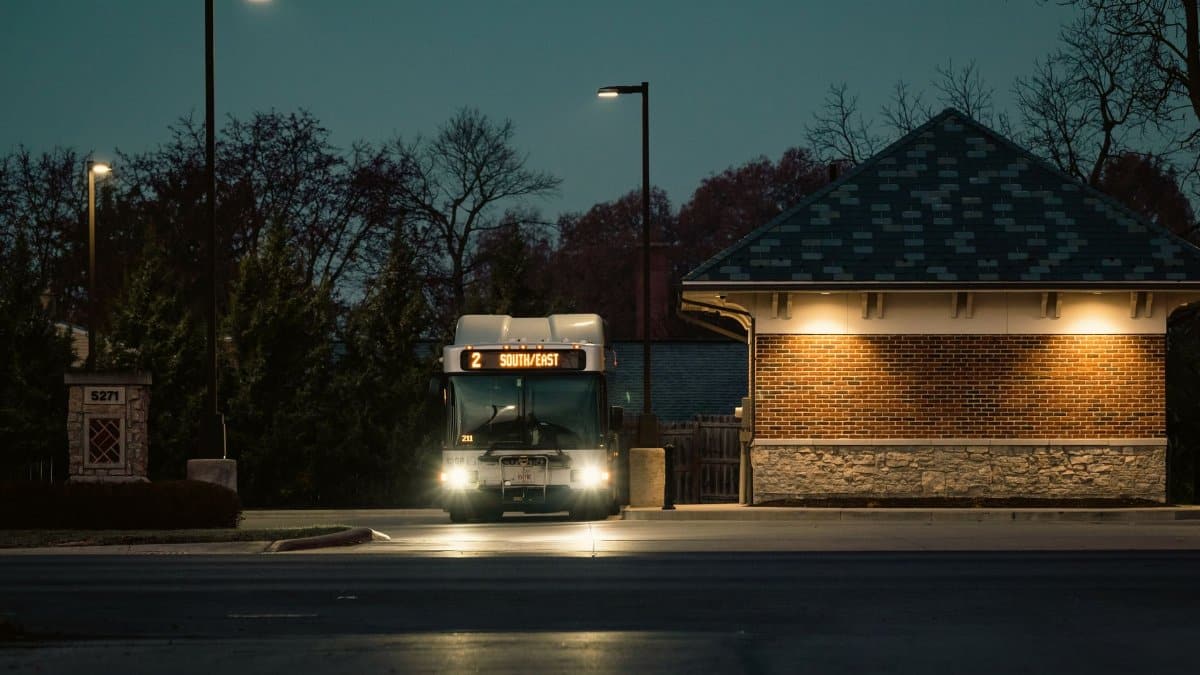
Livonia stands to gain several new lines that connect residential pockets directly to commercial corridors and employment centers. Planners have mapped stops near major retail hubs and industrial parks where shift workers previously struggled with limited schedules. Early projections show travel times dropping for thousands who now face circuitous drives or carpool arrangements.
Canton Township Gains and Community Connections
Canton will see service extensions that link growing housing developments to downtown Detroit and nearby rail stations. Local officials note the importance of these links for young adults without cars and seniors seeking independence. The additions also tie into existing pathways that encourage easier movement between townships without added congestion on main roads.
Economic Ripple Effects Across Suburbs
Business owners in the affected zones anticipate easier hiring once employees can reach workplaces more consistently. Retail districts and manufacturing sites have cited past difficulties filling positions because of transportation gaps. The SMART transit millage positions these areas to compete better for talent while supporting local spending as riders frequent nearby shops.
Environmental Considerations in Service Planning

Fewer single occupant car trips represent one clear outcome from wider bus availability. Air quality improvements and reduced fuel consumption follow as more residents opt for shared rides during peak hours. Regional agencies have modeled these changes against baseline emissions data to track progress over the coming years.
Public Input Shaping Final Route Designs
Community meetings held before the vote gathered detailed feedback on desired stop locations and frequency needs. Residents emphasized safety features at waiting areas along with real time tracking apps. Those comments guided adjustments that appear in the rollout timeline now under way.
Comparisons With Neighboring Transit Systems
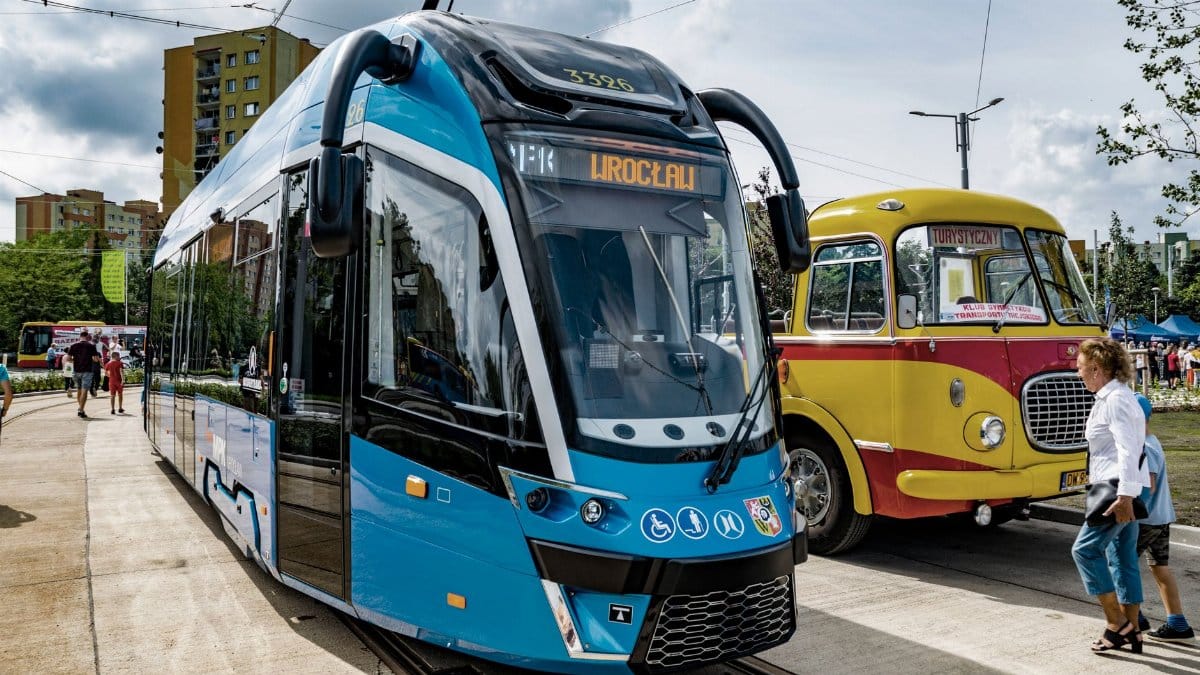
Detroit proper operates under a different authority with its own dedicated millage history. The suburban expansion through the SMART transit millage creates opportunities for seamless transfers at boundary points. Officials from both systems have discussed joint schedules to minimize delays for cross boundary travelers.
Challenges in Implementation and Timeline

Rolling out new vehicles and hiring additional drivers requires coordination across several agencies. Weather related delays during construction of shelters and signage could affect early months of operation. Budget reserves built into the millage help address unexpected costs without immediate service cuts.
Longer Term Outlook for Metro Mobility
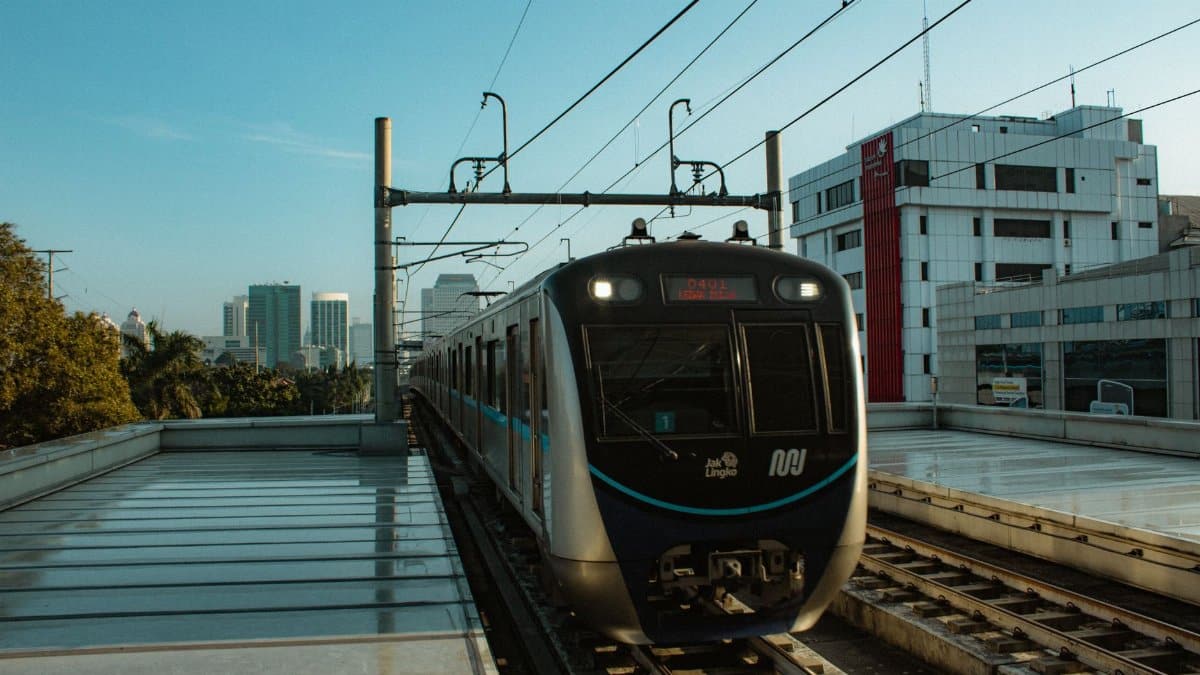
Sustained funding allows for gradual upgrades such as electric buses and enhanced accessibility features. Future phases may incorporate demand responsive options in lower density pockets where fixed routes prove less efficient. The SMART transit millage therefore serves as a foundation rather than an endpoint for regional planning.