
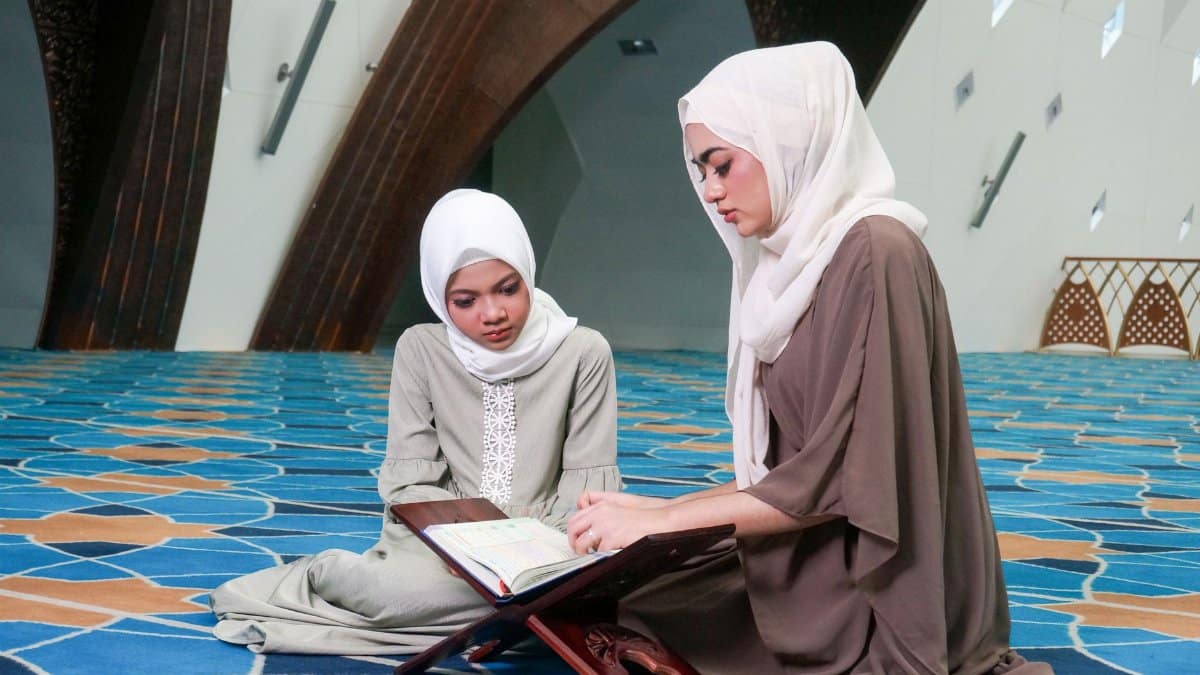
A lawsuit filed against a California school district has spotlighted an unusual educational excursion that took students to a mosque in Palo Alto. According to court documents the trip allegedly involved female students being urged to try on traditional headscarves, distribution of sacred Islamic books, and participation in or observation of prayer rituals mixed with messages about equity and activism. Such allegations have sparked debate over the role of religious sites in public schooling and the extent to which such visits align with constitutional principles.
The Context Behind the School Journey
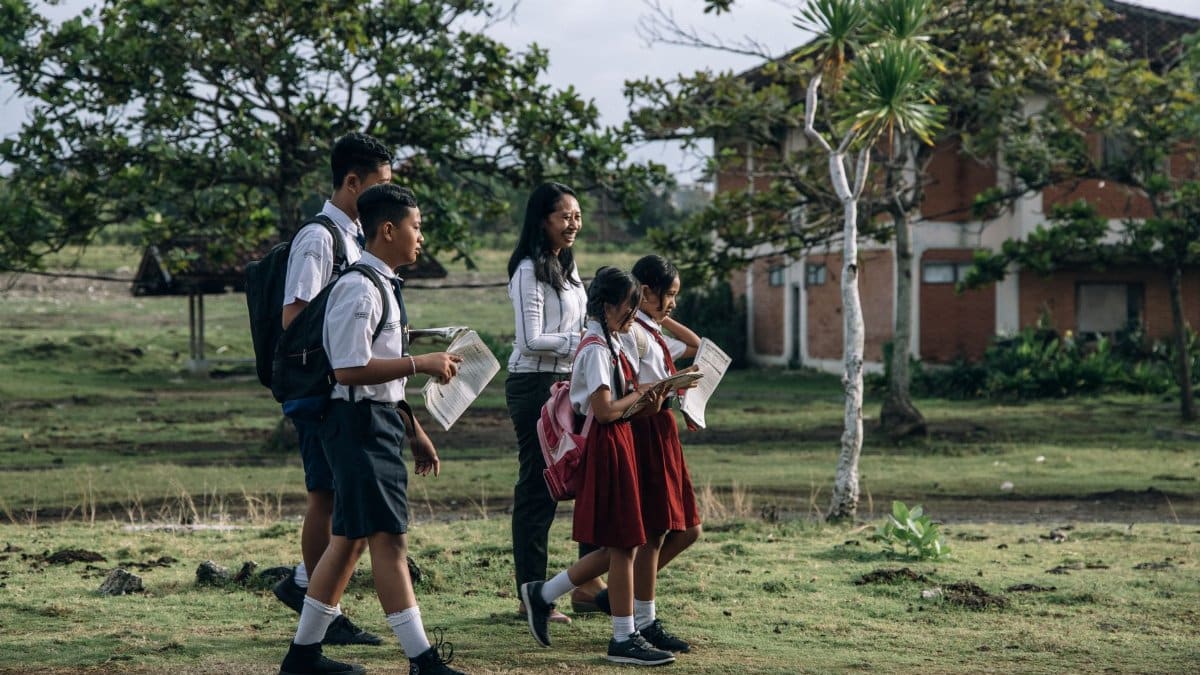
Public schools in Silicon Valley frequently organize outings to promote cultural awareness among teenagers. Educators designed this visit as a way to introduce pupils to Islamic traditions and community life in the region. The intent reportedly centered on building empathy and countering stereotypes through direct exposure rather than classroom lectures alone.
Specific Allegations in the Court Documents

The legal complaint details several elements of the Palo Alto mosque trip that raised objections. It claims girls received encouragement to wear head coverings as part of the experience. Copies of the Quran were handed out to participants. Sessions included opportunities to observe prayer and discussions framing social justice issues through a religious lens.
Voices of Concerned Parents and Guardians

Families who joined the suit express worry that the activities blurred lines between education and religious promotion. They argue the school should have obtained explicit consent for elements touching on faith practices. Some parents describe feeling that the outing placed undue pressure on students to engage with unfamiliar rituals.
Defense Offered by School Officials
District representatives maintain the excursion served legitimate academic goals related to world religions and diversity. They note similar visits occur to churches, synagogues and temples without controversy. Officials emphasize voluntary participation and say no student was required to adopt any belief or practice.
Legal Framework Governing Religious Activities in Schools
Court precedents require public institutions to remain neutral on matters of faith while allowing factual instruction about religions. The case will likely examine whether the Palo Alto mosque trip crossed into endorsement or coercion. Judges have historically permitted neutral field trips but scrutinized any element that appears to favor one tradition.
Broader Effects on Student Learning Experiences

Such disputes highlight challenges in designing inclusive curricula for diverse student bodies. Teachers seek authentic ways to illustrate global cultures yet must navigate sensitivities around personal beliefs. Outcomes here could influence how districts approach future outings involving houses of worship.
Views from Religious and Community Leaders
Local faith representatives stress the value of intergroup understanding in a pluralistic society. Mosque officials describe the visit as an open invitation extended to schools for educational purposes. They express regret that the event became contentious and hope dialogue can continue.
What This Case Might Mean for Future Field Trips

Pending resolution the litigation may prompt revised guidelines on consent forms and content review for off campus activities. Administrators across the state could adopt more cautious planning to avoid similar challenges. The episode underscores ongoing tensions between exposure to diversity and protection of individual convictions in taxpayer funded education.