
In the competitive landscape of local television news few moments capture attention quite like a sudden personnel change tied to public commentary. Houston audiences recently encountered such a situation when meteorologist Brittany Begley stepped away from her role at KPRC amid online remarks that questioned station practices and broader industry norms. KPRC Meteorologist Departure Instagram quickly circulated among viewers and colleagues as details emerged about the timing and content of her statements. This episode offers a window into the pressures facing on air talent in an era of intense social media scrutiny and shifting viewer habits.
Background on Brittany Begley Career Path
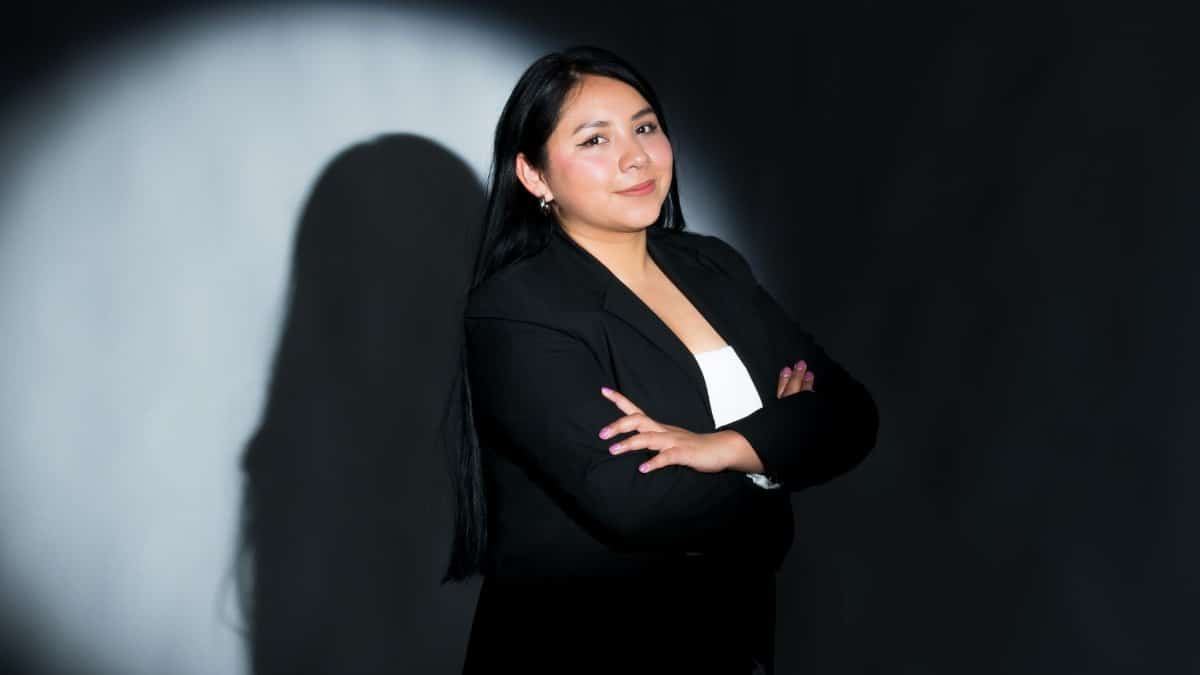
Begley had built a steady presence in the Houston market over several years delivering forecasts with a calm and approachable manner. Colleagues described her as dedicated to accurate reporting especially during severe weather events that frequently affect the Gulf Coast region. Her work often extended beyond daily segments to community outreach programs aimed at educating residents on storm preparedness.
Details of the Critical Instagram Post

The post in question addressed concerns over resource allocation and editorial priorities at the station. Begley expressed frustration with what she viewed as inadequate support for science based segments in favor of more sensational content. Readers noted the measured yet direct tone which avoided naming individuals yet clearly signaled dissatisfaction with prevailing trends in local media.
Station Response and Internal Dynamics
KPRC management issued a brief acknowledgment of the departure without elaborating on specific grievances. Internal communications suggested efforts to maintain team morale during the transition period. Such situations often prompt reviews of workplace policies though public statements remained limited to preserve ongoing operations.
Public Reaction Across Social Platforms
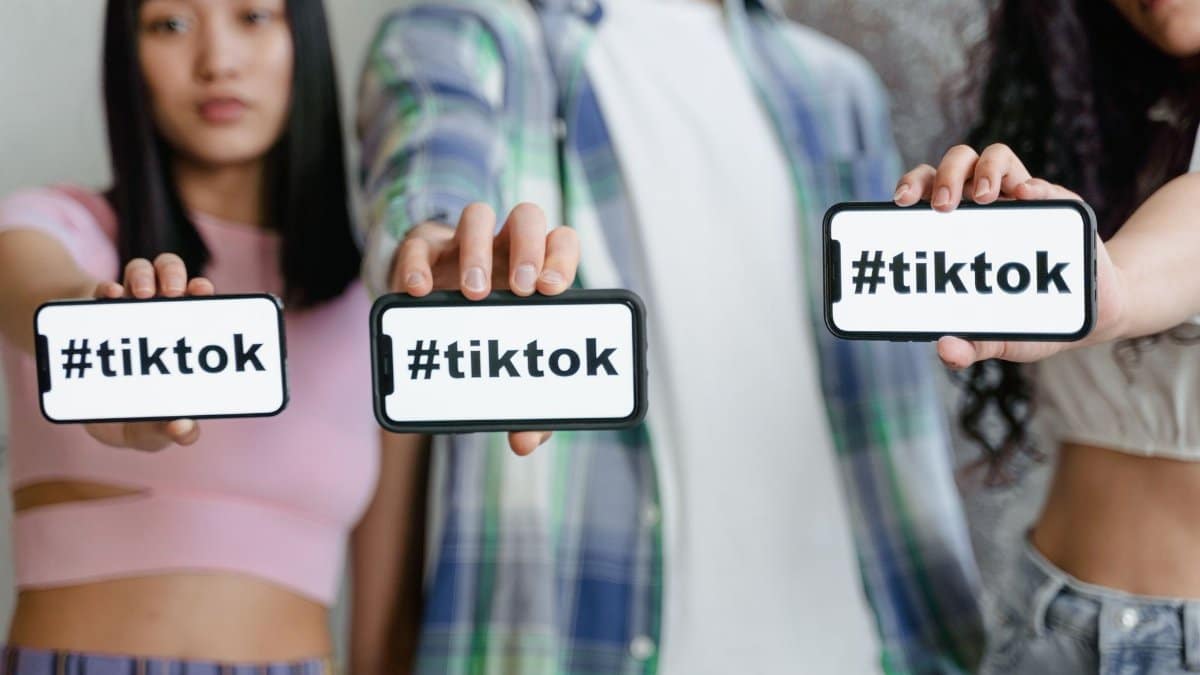
Viewer comments ranged from supportive messages praising her candor to questions about professional conduct in the digital age. The discussion extended to other journalists who shared similar experiences under anonymous accounts. This wave of engagement illustrated how quickly individual posts can shape perceptions of entire news organizations.
Broader Implications for Local Broadcasting
The episode reflects ongoing challenges in an industry adapting to fragmented audiences and reduced budgets. Meteorologists in particular navigate dual demands for scientific precision and entertaining delivery which can create friction when expectations diverge. Observers suggest these tensions may increase as platforms reward brevity over depth.
Impact on Houston Media Landscape
Area competitors monitored the situation closely aware that talent movements can influence ratings and advertiser interest. Begley departure leaves a gap in coverage during a season when accurate weather information proves vital to public safety. Replacement searches typically focus on candidates with strong digital skills alongside traditional broadcast experience.
Future Outlook for the Meteorologist
Begley has indicated plans to continue independent work through online channels where she can explore topics with greater flexibility. This path aligns with a growing number of journalists who leverage personal brands after leaving traditional outlets. Her case may encourage others to weigh the benefits of such shifts against the stability of station employment.
Lessons for Journalists Navigating Social Media
Professionals in the field increasingly recognize the need for clear guidelines on personal expression. While platforms offer direct connection to audiences they also carry risks of misinterpretation or unintended escalation. Training programs at journalism schools now incorporate modules on digital responsibility to prepare emerging reporters for these realities.