
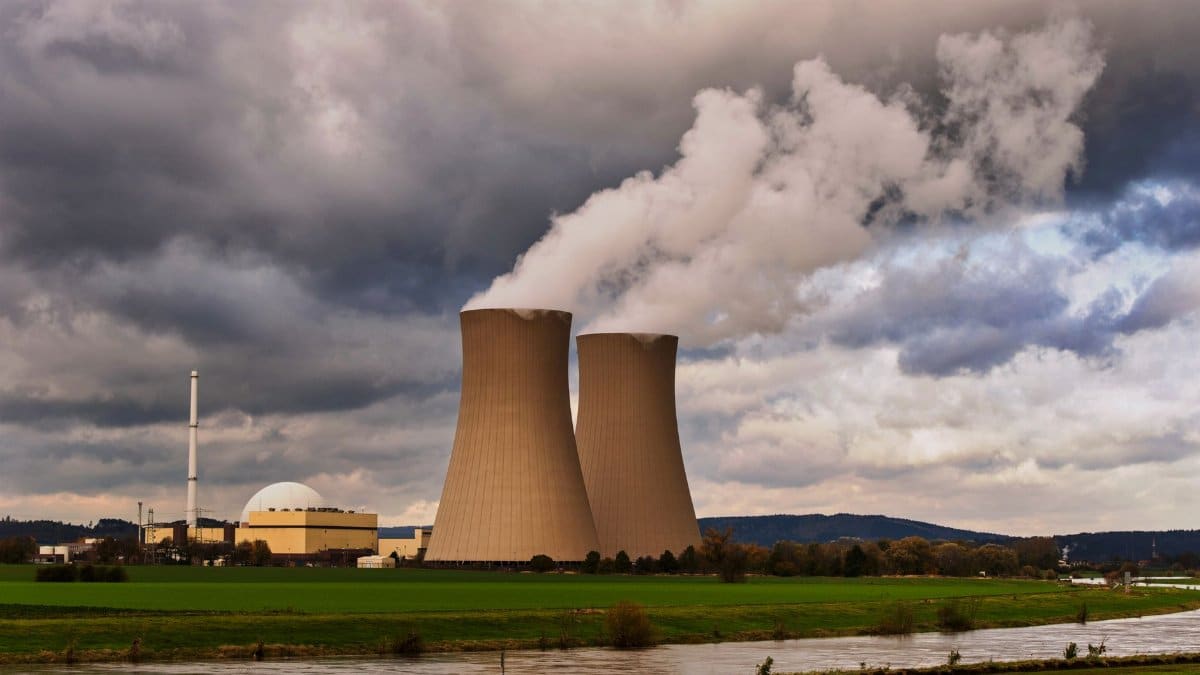
In the rolling hills near the Mississippi River, residents of Minnesota have long weighed the tradeoffs of powering their homes and industries without relying on certain advanced energy options. Recent signals from Washington have revived those conversations, bringing fresh attention to how state policy might evolve. Sen. Amy Klobuchar has indicated openness to revisiting restrictions that date back decades, placing Minnesota nuclear ban Klobuchar at the center of emerging discussions about reliability and emissions goals.
Historical Roots of State Energy Restrictions
Minnesota enacted its moratorium on new nuclear facilities in 1994 amid concerns over waste storage and safety. Lawmakers at the time cited uncertainties around longterm disposal and high construction costs. The policy has remained largely intact even as neighboring states explored reactor upgrades. Over three decades the measure shaped utility planning and pushed reliance toward natural gas and renewables.
Klobuchar Position Signals Potential Shift

During a recent forum the senator noted that technological advances in reactor design warrant another look at existing limits. She stopped short of endorsing full repeal yet described the current framework as outdated. Observers interpret her remarks as an invitation for measured review rather than abrupt change. This stance sets her apart from some Democratic colleagues who continue to favor strict prohibitions.
Republican Calls for Complete Policy Reversal
GOP candidates in the state have pressed for outright elimination of the moratorium. They argue that modern small modular reactors offer safer profiles and smaller footprints than earlier models. Proponents point to job creation in rural counties and reduced dependence on out of state power imports. Several legislative proposals have surfaced in recent sessions though none have advanced past committee.
Energy Reliability Concerns for Upper Midwest
Grid operators warn that rising demand from data centers and electric vehicles could strain supplies during extreme weather. Nuclear plants provide steady baseload power unlike wind or solar installations that vary with conditions. Minnesota utilities have examined whether lifting the ban could stabilize prices over the next twenty years. Regional forecasts show potential shortfalls without additional firm capacity.
Environmental Tradeoffs and Emissions Targets
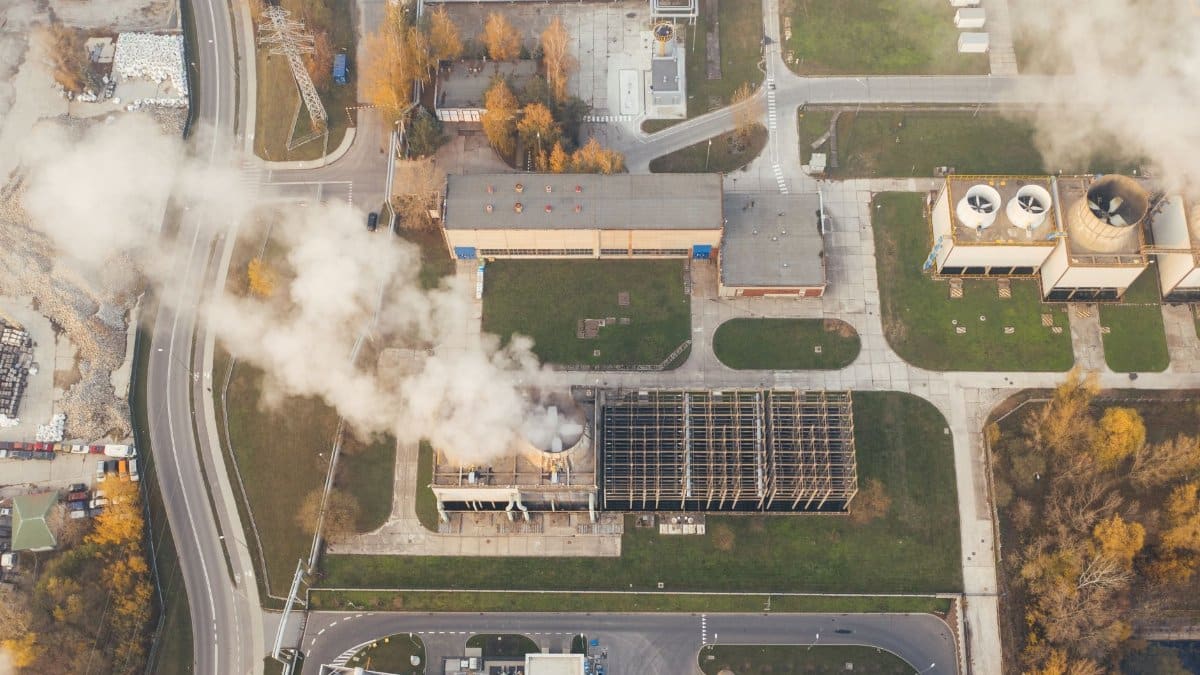
Advocates highlight nuclear energy low carbon output as a tool for meeting state climate benchmarks. Critics counter that mining and fuel processing carry their own ecological costs. The debate centers on lifecycle analyses rather than plant operation alone. Some environmental groups remain wary while others have softened earlier opposition given urgent decarbonization timelines.
Economic Impacts on Rural Communities

Construction of a new facility could bring hundreds of skilled positions to areas that have seen manufacturing decline. Tax revenues from such projects often support local schools and roads. Yet upfront capital requirements run into billions, raising questions about financing and ratepayer burdens. Past experiences in other states show mixed results for host economies once plants reach operation.
Public Opinion and Community Engagement
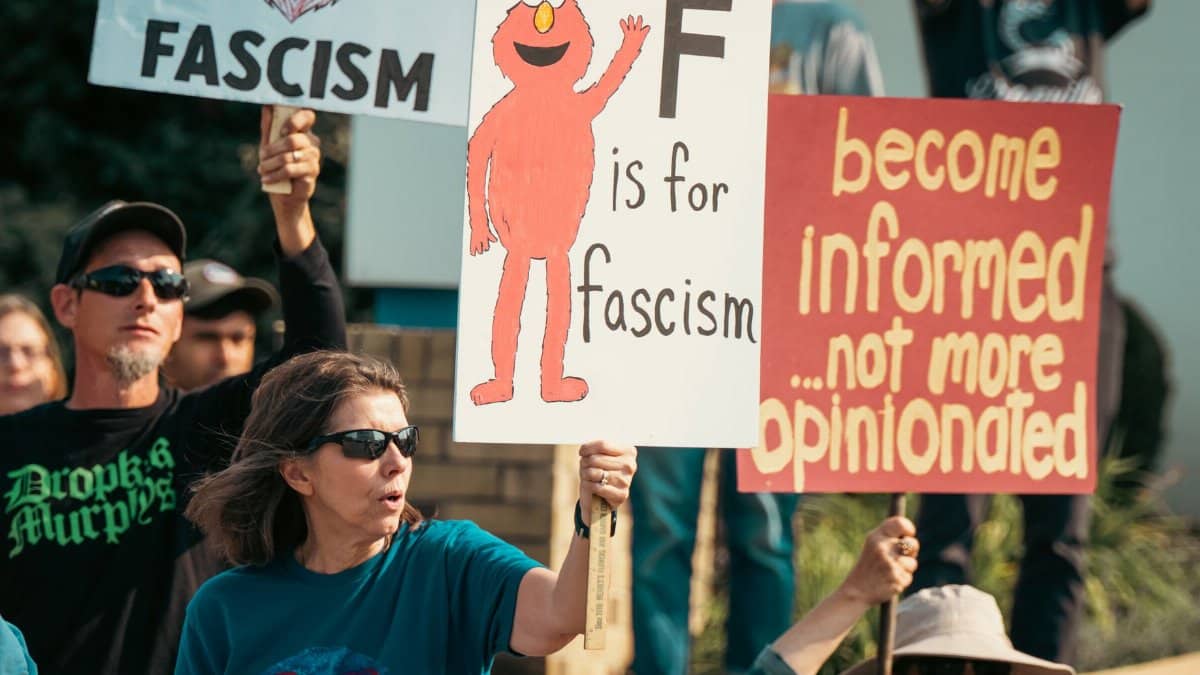
Surveys indicate divided views among Minnesota residents, with support stronger in areas facing higher electricity costs. Town halls have drawn crowds voicing both optimism about innovation and lingering distrust from earlier nuclear incidents elsewhere. Effective outreach will require transparent data on safety systems and waste solutions. Local leaders stress the need for genuine dialogue before any policy moves forward.
Comparisons With Neighboring State Approaches
Wisconsin and the Dakotas have pursued different paths, allowing limited exploration of advanced reactors under strict oversight. Those examples offer templates Minnesota could adapt or avoid. Interstate coordination on transmission lines also factors into broader regional strategies. Policymakers here watch those developments closely as they weigh their own next steps.
Regulatory and Legislative Pathways Ahead

Any change would require action from the state legislature and possibly the public utilities commission. Federal incentives for clean energy could influence timelines and project economics. Bipartisan support appears necessary given divided control in St. Paul. Stakeholders expect extended hearings and expert testimony before votes occur.