

In the heart of Chicago’s South Side, families have long sought care that respects cultural traditions and builds trust with providers who understand their lived experiences. Recent developments at a local community college point to new pathways for training professionals equipped to meet these demands. The Kennedy-King midwifery program Chicago stands out as an initiative designed to expand options in maternal health through an associate degree focused on licensed practice and community connection.
Roots of Midwifery in Urban Communities

Midwifery has served as a cornerstone of birth support across generations, particularly in neighborhoods where hospital access or insurance coverage creates barriers. Local historians note that informal networks of birth attendants filled essential roles before formal medical systems took hold. Today, efforts to revive and professionalize these practices aim to blend historical wisdom with modern standards of safety and education.
Partnership Driving Educational Innovation

City Colleges of Chicago collaborated with the Black Midwifery Collective to shape curriculum that emphasizes cultural competence alongside clinical skills. This approach prepares students for real world scenarios involving diverse family structures and health needs. Instructors draw from both academic resources and frontline experiences to foster graduates ready for immediate contributions.
Addressing Gaps in Maternal Health Access

Statistics from public health reports highlight higher rates of complications during pregnancy and delivery in certain Chicago districts compared to city averages. Training programs located directly in affected areas can reduce travel burdens for aspiring midwives and encourage retention within the community. Such placement supports ongoing relationships between providers and the families they serve.
Curriculum Details and Certification Path

The associate degree covers anatomy, prenatal care, labor support, and postpartum recovery while meeting state licensing requirements. Hands on components include supervised deliveries at partner clinics and simulations for emergency response. Graduates gain eligibility to pursue further credentials or enter practice under established guidelines.
Community Impact on South Side Families
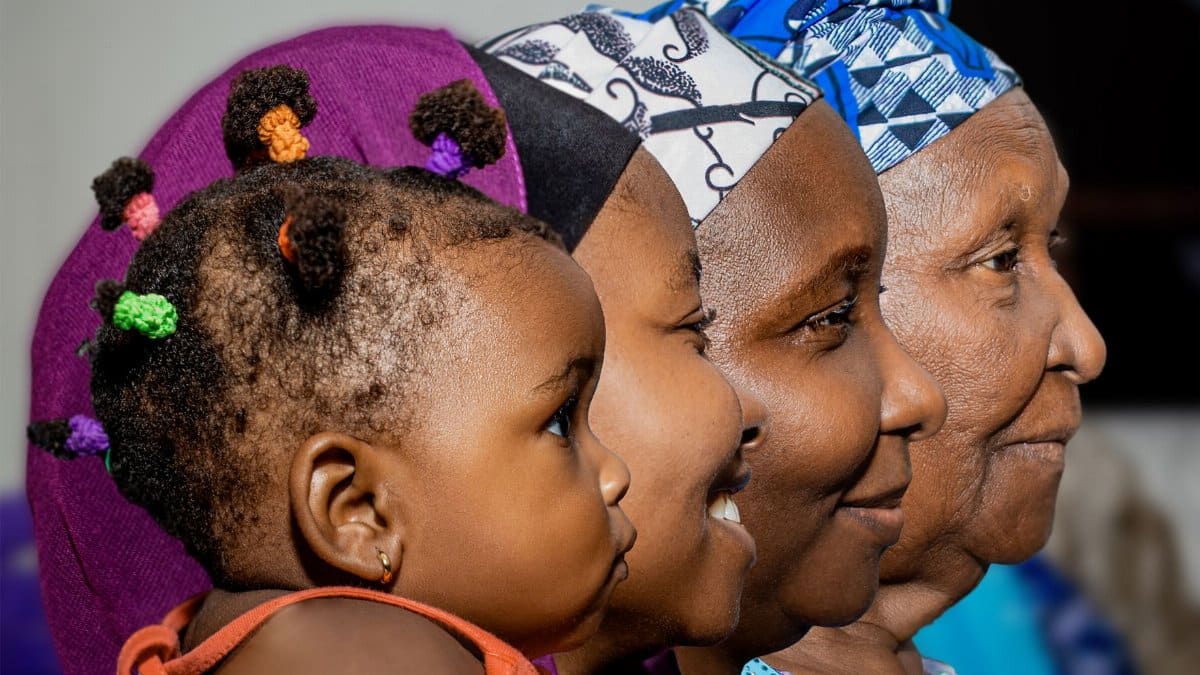
Residents anticipate improved continuity of care when midwives share similar backgrounds and live nearby. This proximity can ease communication about personal preferences and build confidence during vulnerable periods. Early feedback from community forums suggests strong interest in the program as a local resource.
Challenges in Launching Specialized Training
Securing faculty with combined expertise in midwifery and community advocacy requires targeted recruitment. Funding for equipment and clinical sites adds another layer of planning. Organizers have addressed these through grants and alliances with existing health networks to ensure stability from the outset.
Broader Implications for Workforce Development

Expansion of midwifery education aligns with national conversations about diversifying healthcare roles. By offering an accessible entry point at a community college, the initiative lowers barriers for career changers and recent high school graduates alike. Long term projections include growth in home birth options and integrated hospital support.
Future Outlook for Similar Initiatives

Other urban colleges may examine this model for replication in their regions. Success metrics such as graduation rates and employment placement will guide refinements. Ongoing evaluation ensures the program evolves with emerging evidence in maternal health practices.