

In a ceremony marked by measured applause Governor Maura Healey enacted a sweeping financial blueprint for the year ahead. Lawmakers gathered to witness the moment when this plan known as the Massachusetts $63 billion budget Healey took effect allocating funds across vital public services. The absence of fresh taxes or fees drew attention as leaders stressed stability during shifting economic conditions. Observers noted how the measure balances growth with caution aiming to support communities from urban centers to rural towns. Such decisions shape daily life for residents in ways both immediate and lasting.
Education Investments Across Districts

The plan channels resources toward classrooms and campuses statewide. School districts gain tools to expand programs that aid younger learners while colleges receive backing for research initiatives and workforce training. Administrators highlight how these choices seek to prepare students for evolving job markets without raising costs for families.
Transit System Upgrades Planned

Allocations target improvements in public transportation networks serving daily commuters. Enhancements focus on reliability and accessibility helping reduce congestion on roadways. Transit officials express optimism that these steps will foster smoother travel experiences for riders in busy corridors.
Support for Municipal Operations

Local governments throughout the region stand to benefit from augmented assistance. Towns and cities can direct the added funds toward essential services such as public safety and infrastructure maintenance. This approach allows greater flexibility at the community level where needs vary widely.
Healthcare Access Expansions

Provisions aim to broaden coverage options for residents facing medical challenges. Hospitals and clinics gain support to maintain staffing levels and introduce preventive care measures. Policymakers argue these moves promote overall wellness and ease pressures on emergency facilities.
Environmental Protection Measures

Funding flows to conservation efforts and clean energy projects in various locales. Agencies plan initiatives to safeguard natural areas while advancing goals for reduced emissions. Environmental advocates view the commitments as steps toward long range sustainability amid climate concerns.
Economic Outlook and Projections

Analysts examine how the overall framework influences business activity and employment trends. With no added levies the strategy seeks to encourage investment and consumer confidence. Growth forecasts depend on external factors yet early signals suggest resilience in key industries.
Legislative Reactions and Debates
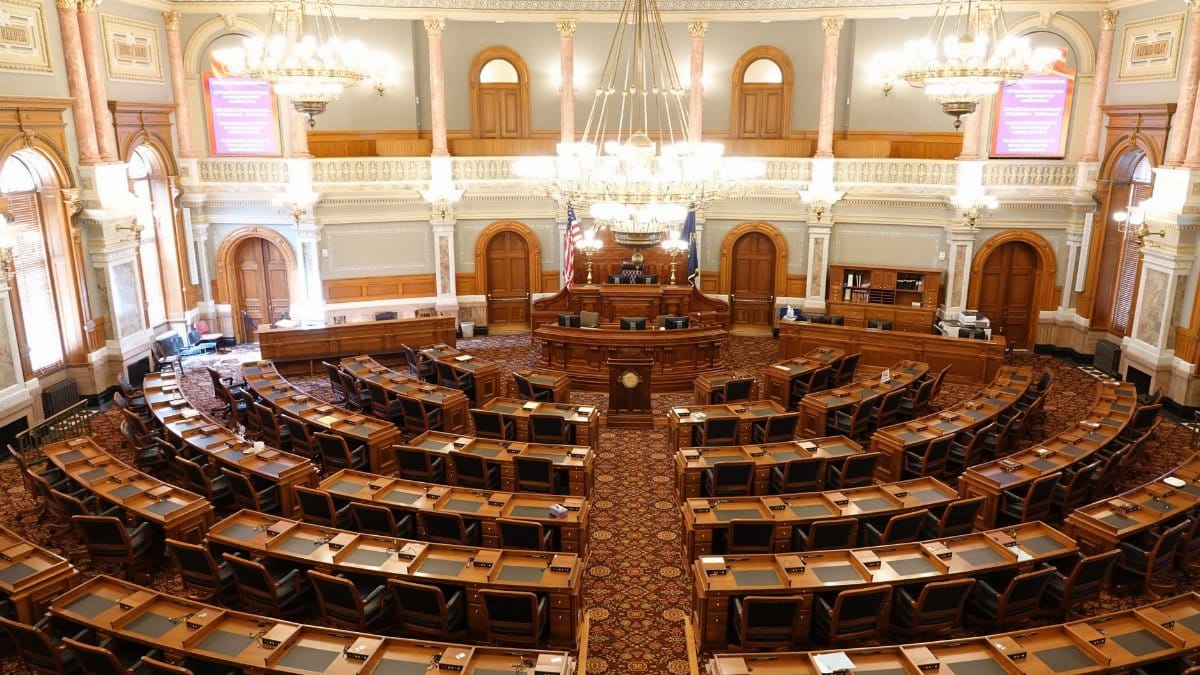
Lawmakers from multiple parties offered views on the final document. Some praised its focus on core services while others called for further adjustments in coming cycles. The process revealed consensus on avoiding new burdens yet sparked discussion on priorities.
Impacts on Households Statewide

Residents may notice changes through improved services and stable rates. Families in different income brackets stand to gain from targeted programs in education and health. The design emphasizes broad reach rather than narrow relief.
Future Considerations for Leaders

Officials anticipate reviews as conditions evolve over months ahead. Adjustments could arise based on revenue performance and emerging demands. This Massachusetts $63 billion budget Healey sets a baseline for ongoing governance discussions.