
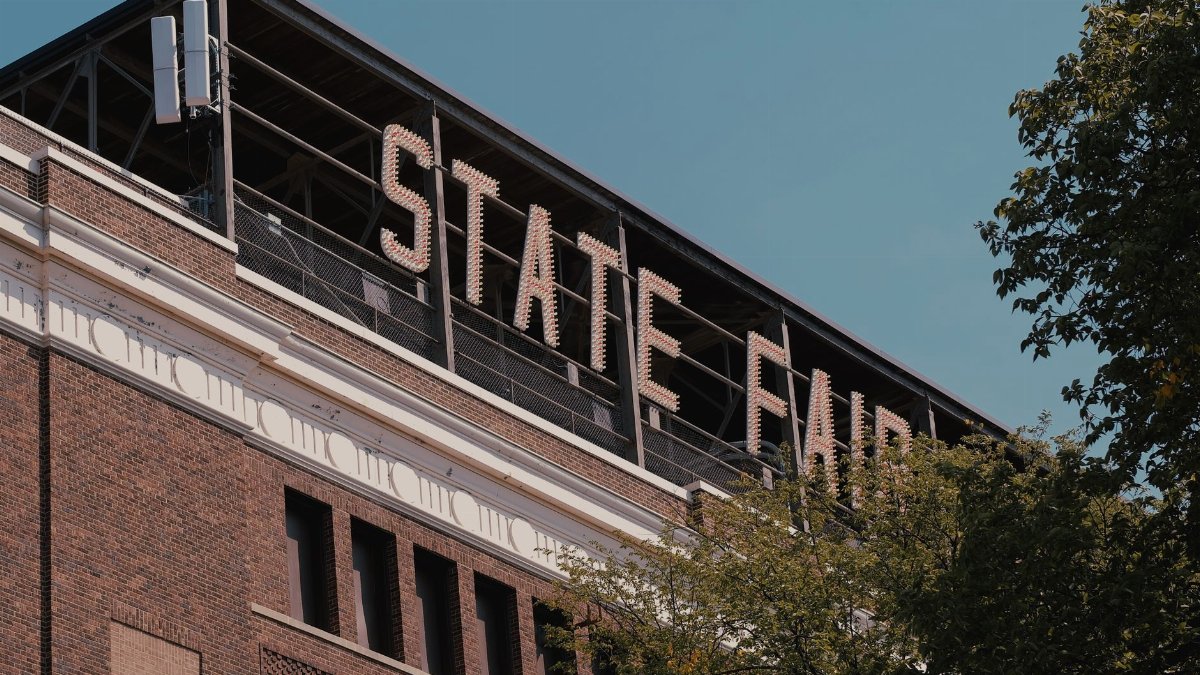
The Minnesota State Fair draws crowds each summer with its mix of rides, exhibits and ever evolving menus that reflect changing tastes across the region. This season brings fresh attention to Minnesota State Fair new foods as planners finalize an array of options set to appear when gates open later in the year. From inventive flavor combinations to accommodations for varied diets the selections aim to surprise longtime attendees while welcoming newcomers who seek both comfort and novelty along the midway.
Planning Behind the Annual Menu Refresh
Organizers review hundreds of proposals each cycle before narrowing the list to those that balance creativity with practicality for high volume service. Teams consider supply chains local sourcing and preparation methods that hold up under fair conditions where temperatures and foot traffic create unique demands.
Profiles of the New Vendors Joining the Lineup
Nine additional stands will operate this season each bringing distinct regional influences to the grounds. Some operators come from established restaurants in nearby cities while others represent family recipes adapted for outdoor cooking on a large scale.
Sweet Offerings That Push Familiar Boundaries

Dessert stations introduce items that merge classic fair staples with unexpected elements such as herb infusions or layered textures. These choices allow visitors to sample small portions across multiple locations without committing to a single heavy treat.
Savory Dishes Drawing From Global Traditions
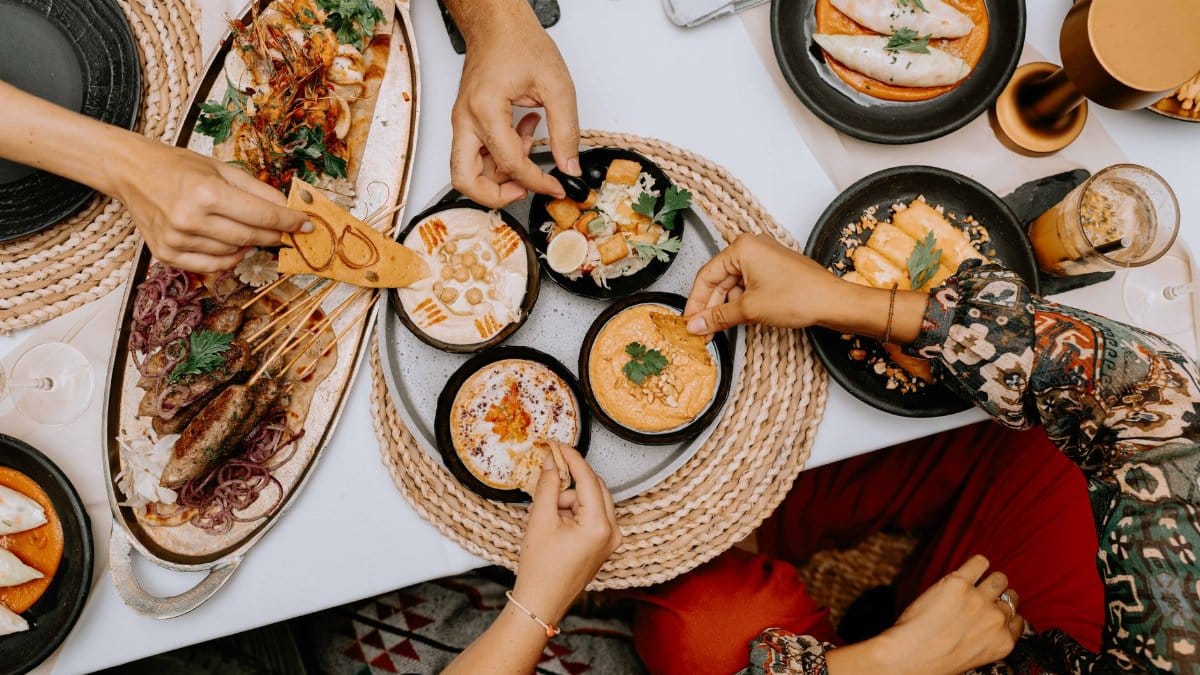
Entrée style plates highlight spices and preparation styles from various cultures presented in portable formats suited to walking the fairgrounds. The emphasis remains on approachable portions that still deliver layered flavors developed over slow cooking or careful seasoning.
Accommodations for Dietary Preferences and Needs
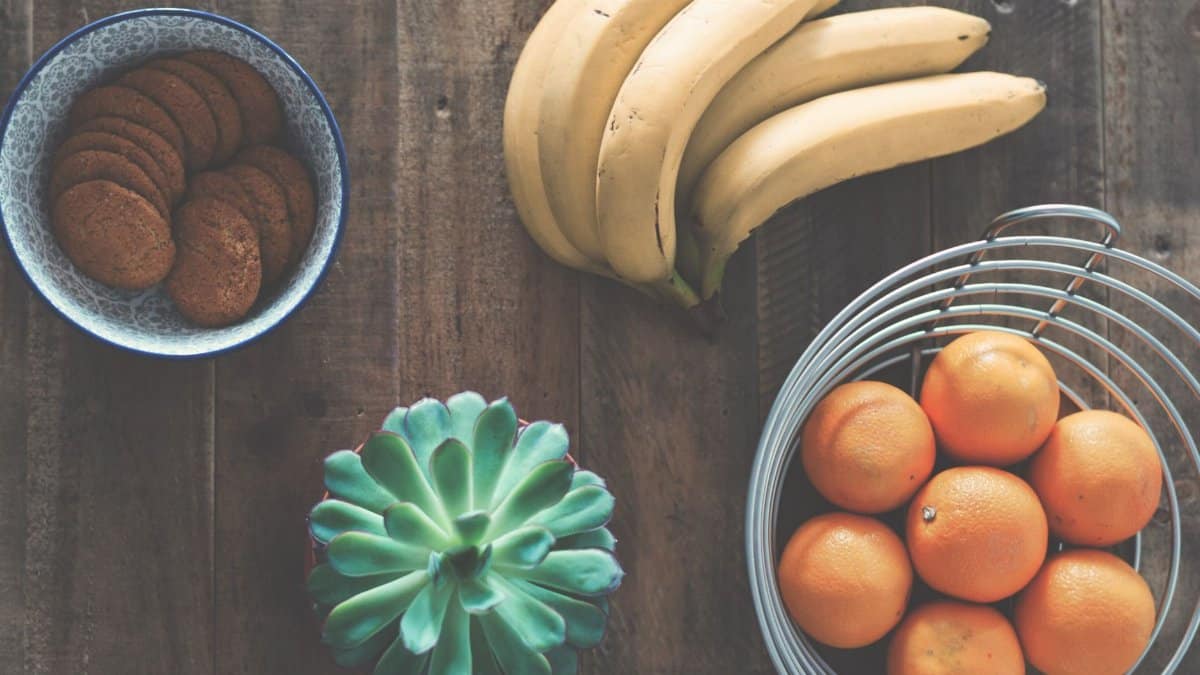
Several stands now feature clearly marked choices free of common allergens or built around plant based proteins. This expansion responds to feedback from previous years where attendees requested more reliable options without sacrificing the indulgent spirit associated with fair visits.
Portion Sizes and Pricing Structures for Broad Access

Vendors received guidance on keeping servings manageable and costs consistent with other concessions so that families can explore multiple items. The approach encourages sampling rather than large single purchases that might limit overall variety.
Visual Presentation and Social Media Influence

Many new items receive extra attention during development for their appearance under bright lights and in quick photos. Designers focus on color contrast and layering that translates well both in person and when shared online by visitors.
Sustainability Measures in Food Preparation
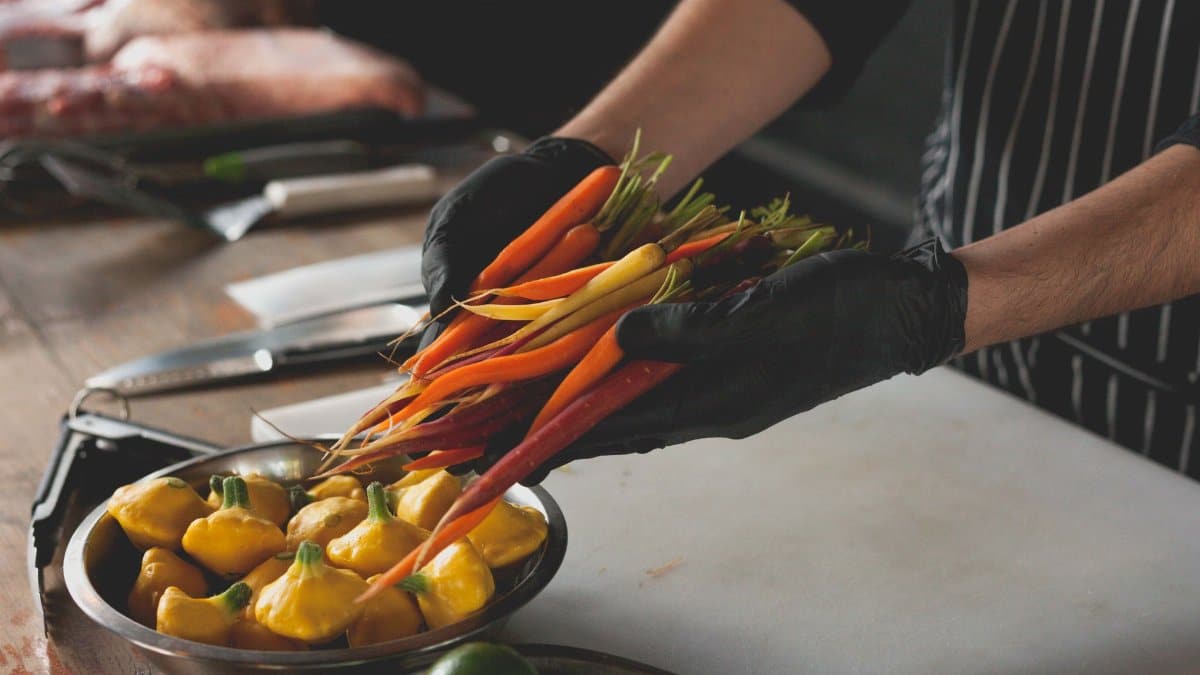
Efforts include reduced single use packaging and partnerships with suppliers who emphasize seasonal ingredients grown within the state. These steps align with broader institutional goals while maintaining the volume required for peak attendance days.
Feedback Loops From Past Seasons Informing Choices

Surveys collected at prior events helped identify which flavor profiles resonated most strongly with different age groups. Planners incorporated that data to refine concepts before final approval reducing the risk of underperforming additions.
Integration With Existing Fair Attractions
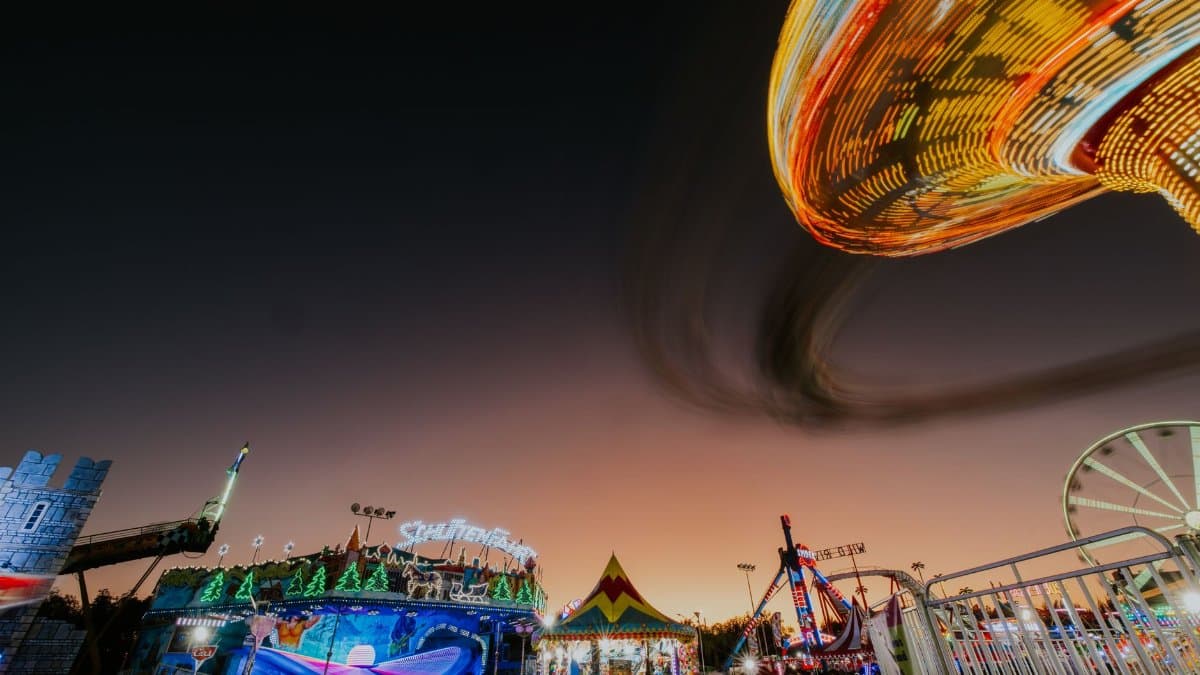
New food locations were mapped to complement popular rides and exhibit halls creating natural pathways that reduce congestion. The layout encourages exploration across the entire site rather than clustering activity in one area.
Staff Training for Consistent Quality at Scale
Workers undergo sessions focused on timing assembly and temperature control so that each order meets the same standard regardless of how busy a stand becomes during evening hours.
Long Term Trends Reflected in This Year Selections

The overall direction shows continued movement toward fusion styles and inclusive menus that mirror dining habits observed in urban and suburban communities throughout Minnesota. This evolution keeps the event relevant while preserving its role as a seasonal gathering point.