
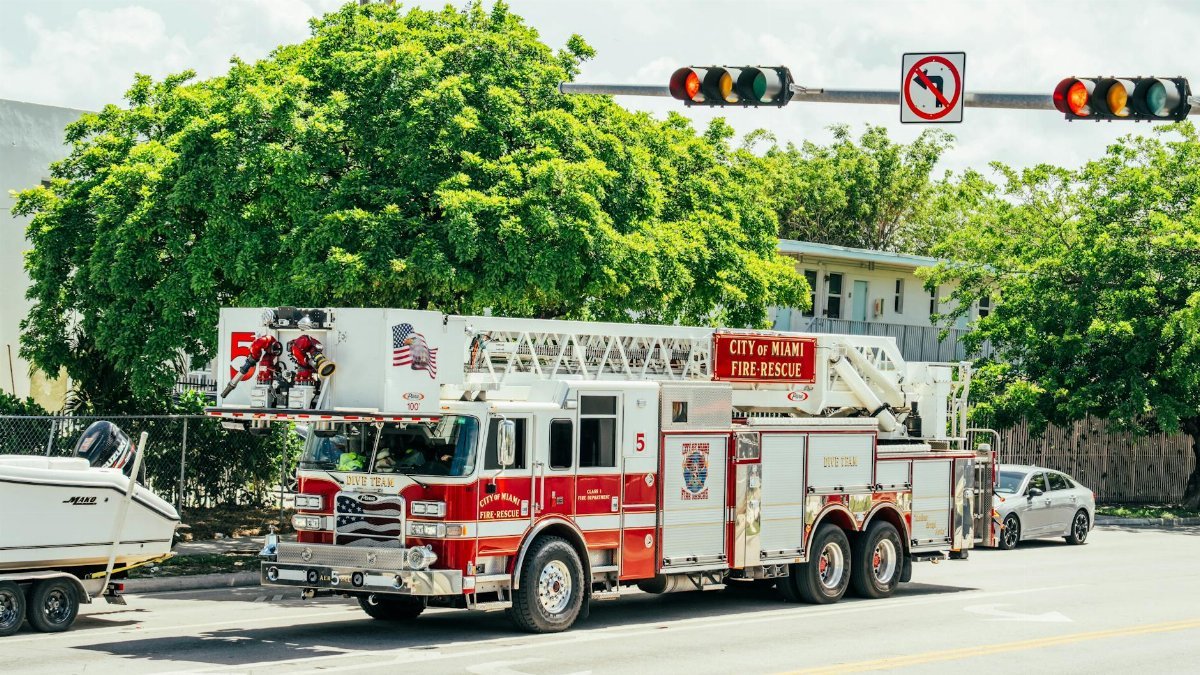
The daily grind of sitting in traffic often leaves people pondering larger questions about progress and community. In Kendall a vibrant hub in Miami Dade County such thoughts frequently turn to the long delayed plans for better roads. The Kendall Parkway project emerged years ago as a beacon of hope for alleviating persistent bottlenecks. Today it finds itself in limbo with expenses having ballooned to more than a billion dollars. A forthcoming vote by county commissioners threatens to push those figures higher still by altering how property is acquired for public works.
This situation reflects the complex interplay between ambition and practicality in one of the nations fastest growing metropolitan regions. As middle aged residents who have witnessed the transformation of former farmlands into sprawling subdivisions can attest infrastructure has not always kept pace with population growth. The pause invites a closer examination of the forces at play and what they mean for the future of mobility in South Florida.
The Initial Concept and Community Hopes

When first proposed this roadway captured the imagination of many who live and work in the area. Designers envisioned a modern corridor that would offer a smoother alternative to the overcrowded Kendall Drive and nearby arteries. By creating a new pathway officials anticipated reduced travel times fewer accidents and an overall improvement in daily life for tens of thousands of drivers.
Supporters argued that without such investment the quality of life would continue to erode under the weight of endless congestion. For families juggling work and school runs the promise of quicker trips held particular appeal. Business owners too saw potential benefits in faster access for customers and employees. The endeavor seemed not only practical but essential for sustaining the vibrant spirit of the Kendall community.
Escalating Expenses and the Decision to Pause

Initial estimates for the work placed the total investment at several hundred million dollars. Over time however that figure has climbed steadily due to a combination of factors including rising material costs labor shortages and more stringent regulatory requirements. By some accounts the current projection exceeds one billion dollars a sum that has given pause to even the most ardent backers.
County engineers and financial analysts have spent months reviewing the numbers in an attempt to identify savings. Their conclusion? The initiative as currently designed cannot move forward without substantial additional funding or significant scaling back. This reality has forced a temporary halt leaving many to question whether relief will ever arrive. The situation highlights the challenges of long term planning in an economy where prices fluctuate unpredictably.
A Pivotal Vote That Could Raise Stakes Further

Compounding the financial uncertainty is a measure scheduled for consideration by the Miami Dade County Commission. If approved the proposal would change the way local government compensates property owners whose land is needed for public projects. Rather than standard eminent domain practices the new rules could require payments well above appraised values in certain cases.
Proponents of the change say it protects homeowners from unfair seizures of their property. Critics counter that it could make essential infrastructure like the Kendall Parkway project prohibitively expensive. The vote looms large in discussions about the roadway because several key parcels along the proposed route remain in private hands. Should the measure pass acquisition costs might surge by tens of millions of dollars according to preliminary assessments.
Voices from the Neighborhoods Affected
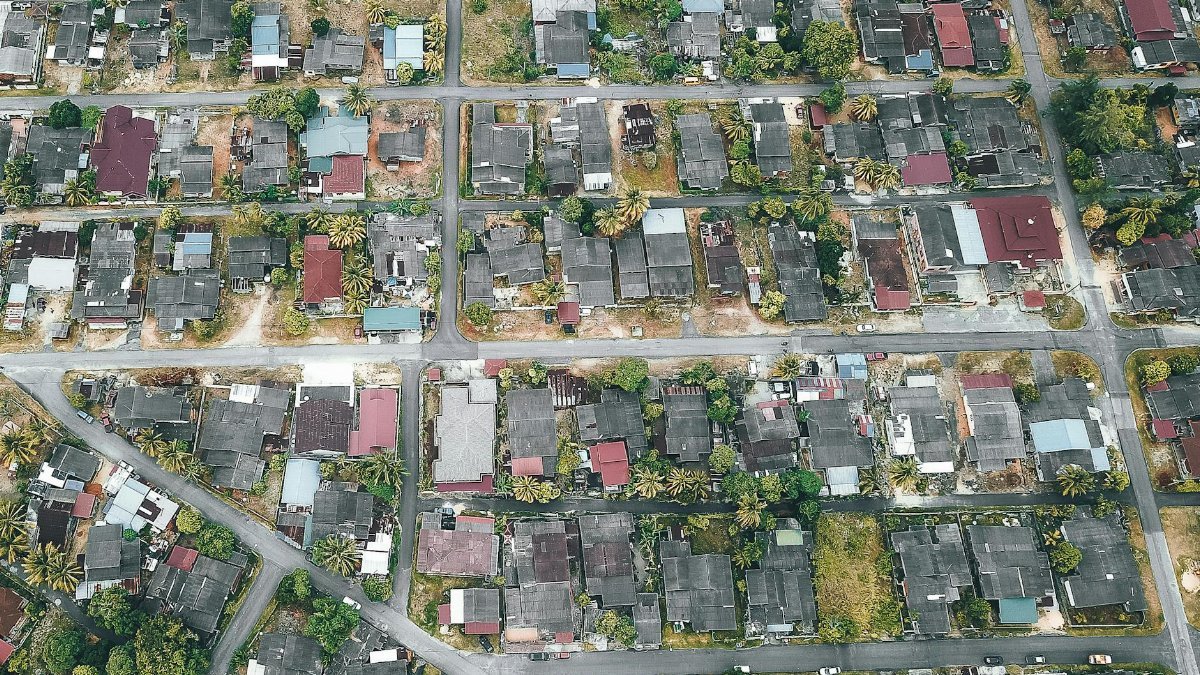
Residents living near the proposed route express a wide range of opinions about the plans. Some eagerly await any development that might ease their daily drives describing current conditions as unsustainable. Others worry about increased noise pollution and the loss of green spaces that might accompany construction.
One longtime homeowner remarked during a recent public meeting that while traffic is indeed a problem solutions should not come at the expense of established neighborhoods. Business leaders particularly those operating along Kendall Drive have voiced support hoping the new corridor will bring more customers to their doors by improving overall access. These diverse perspectives illustrate the difficulty of balancing individual concerns with collective needs.
Environmental Considerations and Sustainability

Any major construction in South Florida must contend with delicate environmental realities. The proposed route crosses areas that include wetlands and habitats for protected species. Planners have worked to incorporate mitigation strategies such as wildlife corridors and stormwater management systems designed to minimize impact.
Nevertheless environmental advocates urge caution. They point to the broader effects of encouraging more vehicle traffic in a region already struggling with air quality and rising sea levels. Some suggest that funds earmarked for the roadway might be better directed toward expanding public transportation options which could provide environmental benefits while addressing congestion. The debate touches on deeper questions about what kind of growth the community truly desires.
Historical Context of Infrastructure in Miami Dade
The current predicament fits into a larger pattern of ambitious plans that encounter obstacles during execution. Over the decades Miami Dade County has seen numerous highway and transit projects face similar cost overruns and delays. From the expansion of Interstate 95 to the development of Metrorail extensions history offers both cautionary tales and examples of eventual success.
By studying these previous efforts current decision makers might find ways to navigate the present challenges. Yet each project also carries unique circumstances. This initiative must contend with inflation rates not seen in earlier decades along with heightened community involvement in the planning process. This evolution in public participation brings greater transparency but can also slow decision making.
The Political Landscape Surrounding the Project
Local politics play an undeniable role in the trajectory of major developments. Commissioners face pressure from constituents with competing interests. Some prioritize fiscal responsibility and oppose any measures that could further increase taxpayer burden. Others focus on the urgent need for traffic relief and advocate for finding creative funding mechanisms.
The upcoming vote on property acquisition rules has become something of a litmus test for where various leaders stand on government power versus individual property rights. Alliances have formed and fractured as the discussion has progressed. Observers note that the outcome could have implications far beyond this single initiative potentially setting precedents for future projects across the county.
Searching for Alternative Approaches to Congestion
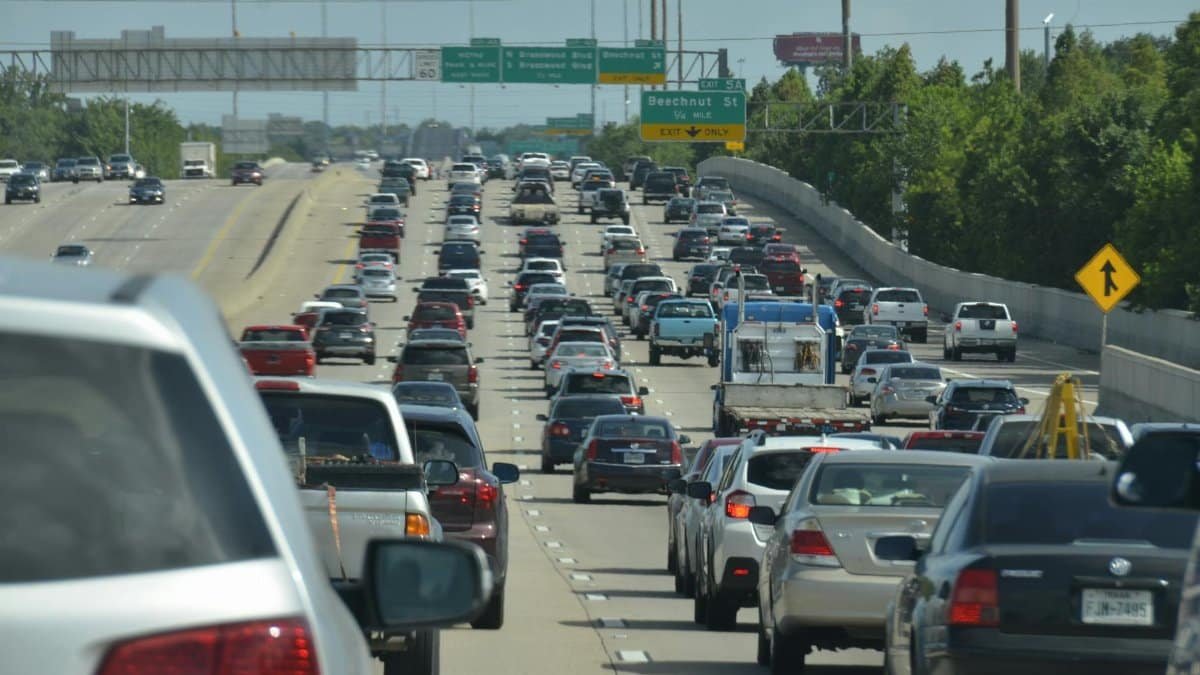
With the plans in doubt attention has turned to other possible solutions. Some experts propose enhancing existing roadways through smart technology that optimizes traffic flow. Others champion investment in bus rapid transit or even light rail systems that could move people more efficiently than additional lanes for cars.
Urban planners increasingly emphasize mixed use development that reduces the need for long commutes altogether. If residents can live work and shop within closer proximity the strain on roads might lessen naturally. While such concepts represent a departure from traditional infrastructure thinking they may offer more sustainable paths forward in an era of constrained budgets and environmental awareness.
Impacts on Community Spirit and Daily Life
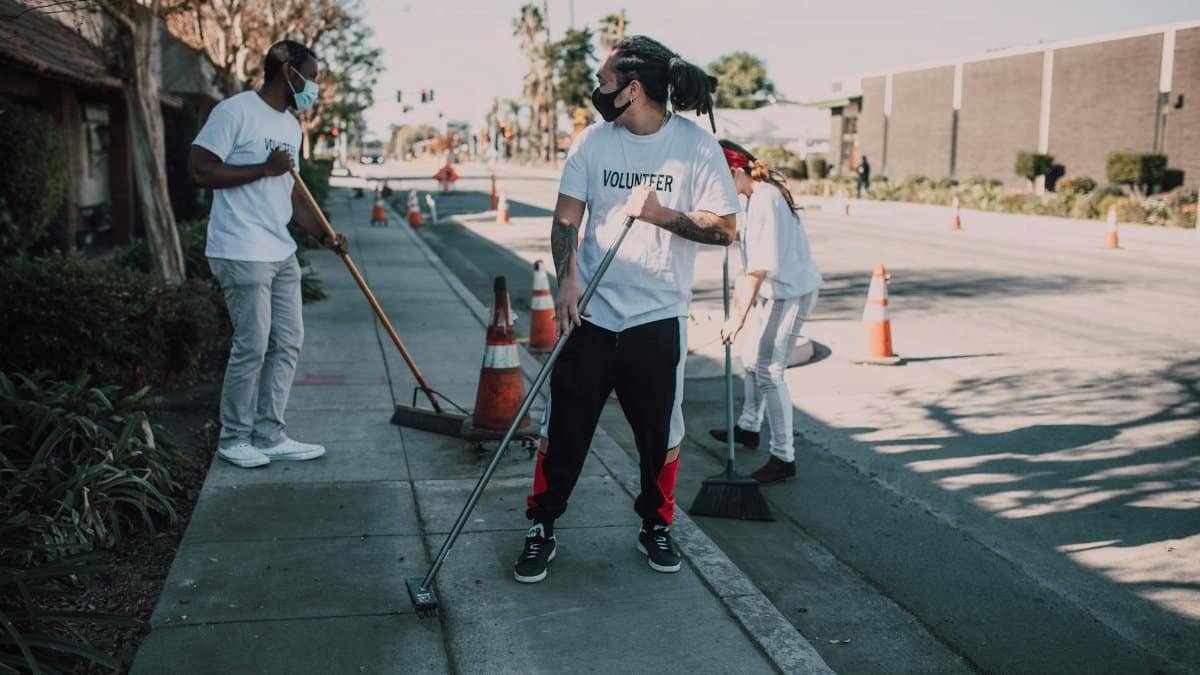
Beyond dollars and engineering specs the stalled status of the Kendall Parkway project raises questions about its effect on the intangible aspects of community life. Chronic traffic does more than delay arrivals. It contributes to stress reduces time available for family and recreation and can diminish overall sense of well being. In this respect infrastructure decisions carry a spiritual dimension influencing how connected people feel to their surroundings and each other.
Middle aged residents in particular often reflect on how the places they call home have changed over time. Many express a longing for the less hurried pace of earlier decades even as they acknowledge the inevitability of growth. Whether this initiative ultimately moves ahead or gives way to different strategies the conversation it has sparked may ultimately prove as valuable as the road itself in shaping the future character of Kendall.
Looking Toward Possible Resolutions

As the county commission prepares to weigh in on the critical vote all eyes remain on how leaders will balance the various competing priorities. Creative financing options public private partnerships or even a redesign of the project to reduce its footprint could provide ways to revive the effort. Whatever path is chosen the decision will likely reverberate through the community for years to come.
The situation serves as a reminder that building for the future requires not only resources but also vision compromise and a willingness to adapt when circumstances change. For the people of Kendall and the wider Miami Dade region the hope persists that effective solutions will emerge to address the pressing transportation needs of a dynamic and growing population.