
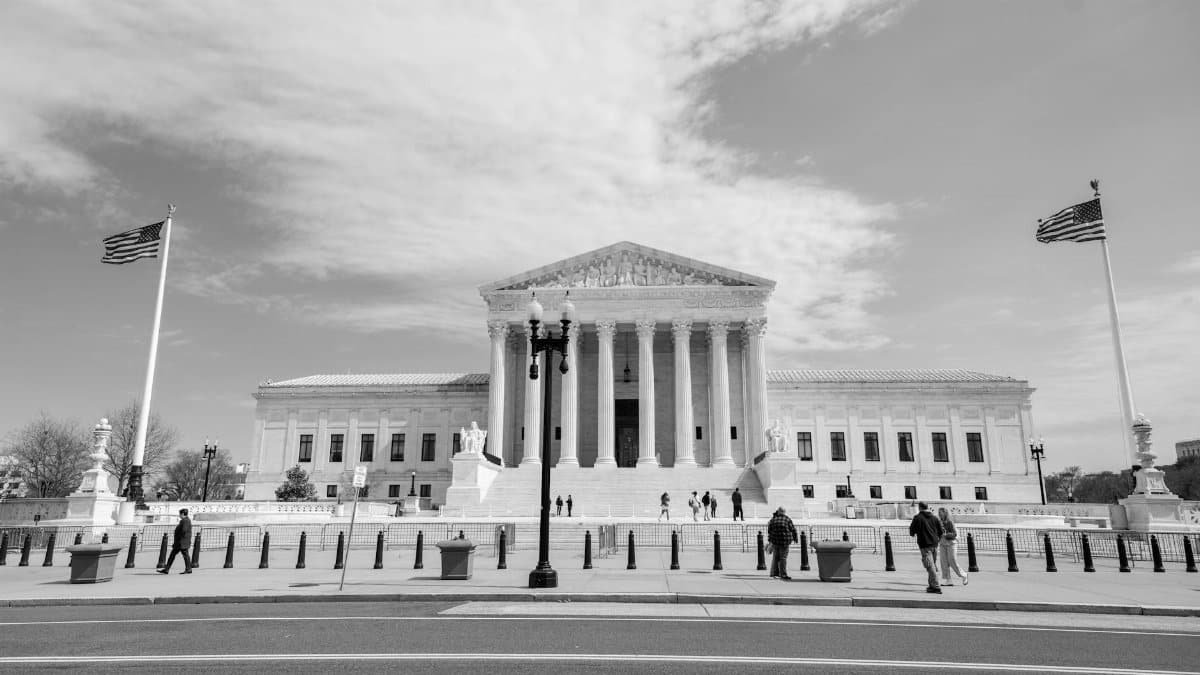
A federal appeals court has blocked a California law intended to increase accountability in law enforcement. The statute had aimed to require federal agents ID during interactions with the public. This move underscores the complex relationship between state and federal powers particularly in the realm of immigration. For many residents this decision raises important questions about transparency and how it affects daily life in an increasingly polarized nation. Legal observers suggest the ruling could have widespread effects on how policies are crafted and enforced moving forward. It also prompts a closer look at the principles that guide our government institutions and the trust citizens place in them. As middle aged Americans navigate these turbulent times many are left wondering about the future of checks and balances in our democracy.
The Details Behind the Court Action

The ruling by the federal appeals court marks a victory for the national government in its dispute with California. The court found that the state exceeded its authority by attempting to dictate terms to federal officers. This decision is based on the principle that federal operations cannot be burdened by conflicting state demands. Legal teams spent months preparing arguments that highlighted potential dangers to personnel if they were forced to carry visible identification at all times. The outcome means that for now federal agents can continue their work without the additional layer of state oversight that the law would have imposed.
Observers note that the vote among the judges was not unanimous indicating some division even within the court on how far state powers should extend. The written opinion carefully outlines why the law cannot stand under current constitutional interpretations. This careful judicial reasoning reflects the delicate nature of American federalism where boundaries are constantly tested and redefined through litigation.
Understanding Californias Legislative Intent
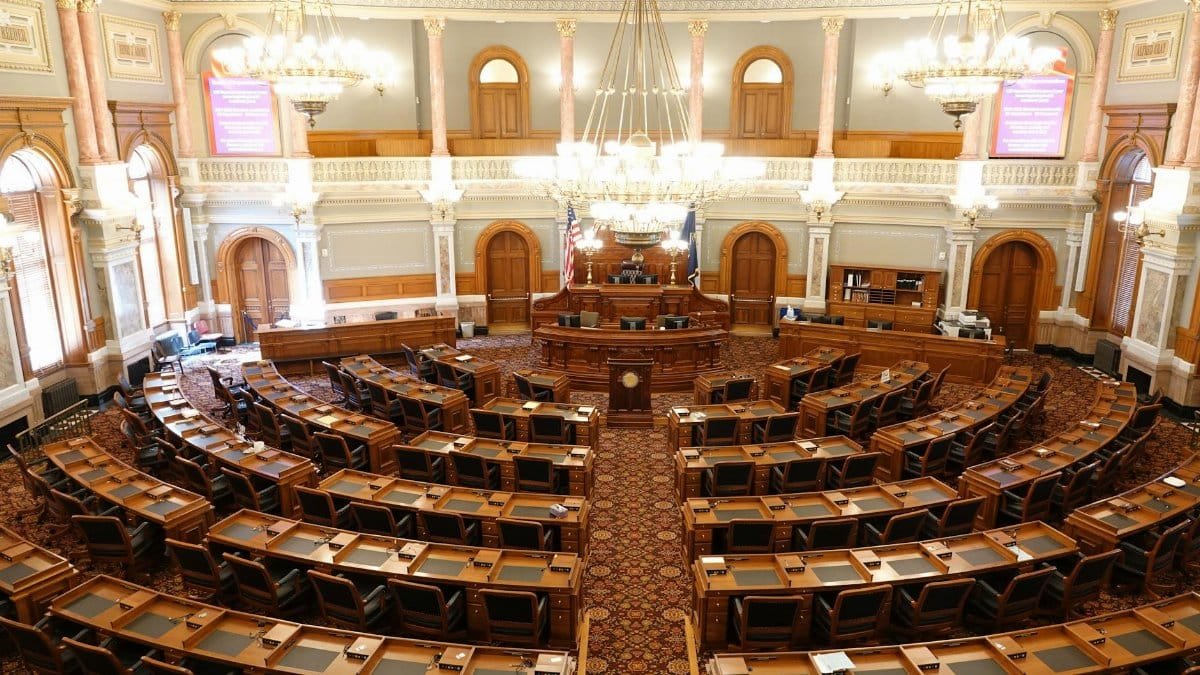
When California passed the bill lawmakers cited a need for greater clarity in enforcement actions that often take place in neighborhoods and workplaces. The goal was to allow people to verify the identity of officers and report any issues to the proper channels. Advocates pushed for the measure after receiving numerous accounts from individuals who felt uncertain about the status of people detaining them or searching their properties. By mandating federal agents ID the state hoped to reduce fear and confusion in immigrant populations who already face significant challenges. The legislation reflected a deep commitment to protecting residents and ensuring that power is exercised responsibly.
State officials expressed disappointment with the court decision saying it undermines efforts to promote fair treatment for all. They viewed the law as a reasonable step toward aligning enforcement practices with community expectations for basic openness in government operations.
Federal Concerns Over Operational Security

Federal representatives have consistently argued that the law would compromise the safety of their agents and the effectiveness of missions aimed at upholding national immigration laws. In court filings they described scenarios where visible badges could make agents easy targets for those wishing to disrupt operations. This concern is not theoretical as there have been documented cases of violence against law enforcement personnel in the past. The government succeeded in convincing the judges that uniform rules for identification should remain under federal control rather than subject to varying state standards. This victory preserves flexibility for agents working in dynamic and sometimes dangerous environments.
Security considerations formed the core of the federal case with officials emphasizing that split second decisions in the field could be hampered by additional state requirements. The court ultimately agreed that such matters belong squarely in the federal domain.
How This Affects Local Communities

For communities with large immigrant populations the blocking of this law is more than a legal technicality. It means continued uncertainty when federal agents conduct raids or arrests without clear identification. Residents report feeling anxious about encounters with authorities whose identities are not readily apparent. Community organizations have worked to educate people on their rights but the lack of a uniform policy makes that task more difficult. Local leaders are now considering other ways to address these transparency gaps in the wake of the ruling.
Churches and faith based groups often serve as anchors in these communities offering support and guidance. They see the ruling as part of a larger pattern that affects the most vulnerable among us and are mobilizing to provide both practical assistance and moral clarity during uncertain times.
Perspectives From Legal Scholars

Legal experts across the country have offered varied analyses of the appeals court decision. Some praise it as a necessary reaffirmation of federal supremacy in immigration matters. Others criticize it as a missed opportunity to enhance accountability in an area where abuses have been alleged. One prominent law professor at a major university suggested that the ruling fails to account for the evolving nature of law enforcement practices in a digital age where verification could be achieved without compromising safety. His commentary has sparked further debate in academic circles.
Scholars point to similar cases over decades that illustrate the tension between state innovation and federal uniformity. The consensus seems to be that while the decision resolves this particular dispute it leaves broader questions about accountability unresolved for future legislatures to address.
The Role of Transparency in Building Trust

Transparency is often heralded as a cornerstone of effective and legitimate governance. When citizens can identify those who enforce the laws they are more likely to trust the system as a whole. The California law was an attempt to institutionalize this principle in the context of federal immigration enforcement. With the law now blocked questions linger about how trust can be maintained when interactions occur in shadows. Studies have shown that openness correlates with higher levels of civic engagement and compliance with legal directives.
Without such measures societies risk growing divides between the governed and those who govern. This dynamic is particularly pronounced in matters of immigration where personal stories of family separation and community disruption often dominate public conversation. The original reporting on this case offers valuable background on how these tensions developed over time.
Spiritual Reflections on Justice and Openness
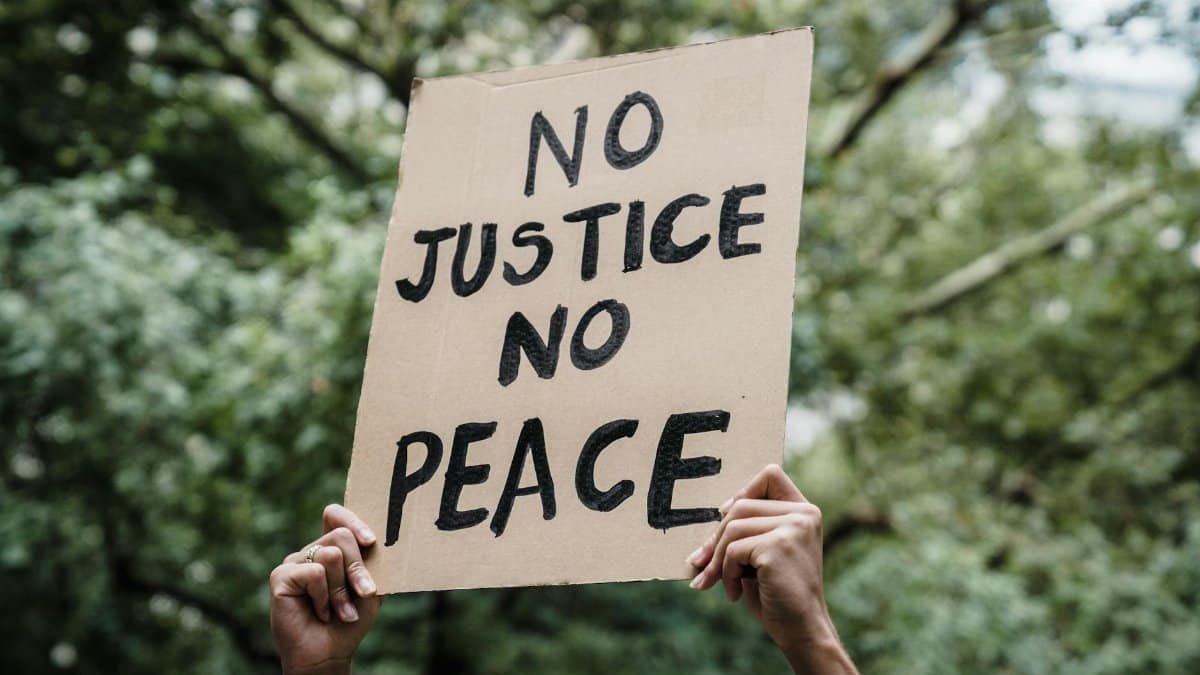
From a spiritual perspective this legal battle touches on timeless questions of integrity and moral responsibility. Many religious teachings stress that authority should not be hidden but exercised in the light of day. The concept of federal agents ID aligns with ideas of honesty found in sacred texts across traditions. When governments resist such measures it can lead to soul searching among believers about the nature of justice in modern society. Faith communities are uniquely positioned to advocate for policies that reflect ethical values and protect human dignity.
This ruling may prompt renewed conversations in congregations about how to respond to perceived injustices while respecting the rule of law. Spiritual leaders often remind their followers that true peace emerges from systems built on truth rather than concealment. The decision therefore carries weight not only in courtrooms but also in houses of worship where values of fairness are taught and lived.
Reactions From Religious Communities

Religious leaders from various denominations have voiced their opinions on the court outcome. Some Catholic bishops in California have called for continued efforts to ensure humane treatment of immigrants regardless of the legal technicalities. Evangelical groups have been more divided with some supporting strict enforcement and others emphasizing compassion and truthfulness. Interfaith coalitions have organized forums to discuss the ruling in the context of shared moral principles. These discussions highlight the intersection of faith and public policy in addressing contemporary challenges.
One interfaith statement gathered thousands of signatures urging officials to find common ground on accountability issues. Such efforts demonstrate how spiritual news and trends often overlap with legal developments revealing the ethical dimensions that underpin policy debates. Communities of faith continue to play a vital role in bridging divides and calling for solutions rooted in human dignity.
Historical Precedents in State Federal Relations

This case fits into a long tradition of states attempting to influence or resist federal policies. From civil rights era conflicts to more recent disputes over environmental regulations California has often been at the forefront of these battles. The current situation echoes earlier efforts to regulate federal activities within state lines. Courts have typically sided with the federal government in matters of immigration but each case adds layers to the ongoing conversation about balanced power. Understanding this history helps explain why the latest ruling feels both predictable and frustrating to those seeking change.
Throughout American history states have served as laboratories for new approaches to governance. When those approaches collide with national priorities the judiciary becomes the arbiter. This latest chapter follows that established pattern while introducing fresh questions about visibility and responsibility in law enforcement.
Possible Paths Forward After the Ruling

With the appeals court decision in place attention turns to what California might do next. State attorneys could seek further review from the Supreme Court though success is uncertain given recent trends in federalism cases. Alternatively lawmakers might craft a revised version of the law that addresses the courts concerns while still advancing transparency goals. In the meantime advocacy groups are likely to increase monitoring of federal operations and push for voluntary compliance with identification practices. The coming months will reveal whether this ruling represents a final word or merely one chapter in a continuing saga.
Creative solutions may emerge from this setback including technological approaches to verification that satisfy both safety and openness priorities. Policymakers and community representatives have already begun preliminary talks on potential compromises that could ease tensions without triggering further litigation.
Broader Implications for National Policy

Beyond California the ruling could influence how other states approach similar legislation. If the decision stands it may discourage attempts to impose identification requirements on federal agents in other jurisdictions. This has significant consequences for the national debate on immigration reform and enforcement tactics. Policymakers at all levels will be watching closely to see how the balance of power shifts in the wake of this outcome. It serves as a reminder that legal victories in one arena can reshape strategies in many others.
The case also underscores the limits of state power in an era of heightened partisan division. As immigration remains a flashpoint issue courts will continue to play a central role in defining the boundaries of authority. National trends suggest that similar conflicts may arise in other states seeking to assert their values against federal directives.
The Human Element in Legal Disputes

Behind all the legal arguments and court opinions are real people whose lives are directly impacted by these decisions. Families torn apart by enforcement actions deserve systems that operate with integrity and visibility. The spiritual news and trends category reminds us that these issues touch the core of human experience and our collective search for a just society. As we reflect on the blocked law requiring federal agents ID it becomes clear that technical legal points often carry profound moral weight. Moving forward it is essential to keep the human stories at the center of any policy discussion.
Ultimately the ruling invites all of us to consider how we might build institutions that reflect our highest values of fairness and accountability. Middle aged readers who have witnessed decades of shifting policies may find in this moment an opportunity to engage more deeply with questions of governance and ethics that affect not only immigrants but the moral fabric of the nation itself.