
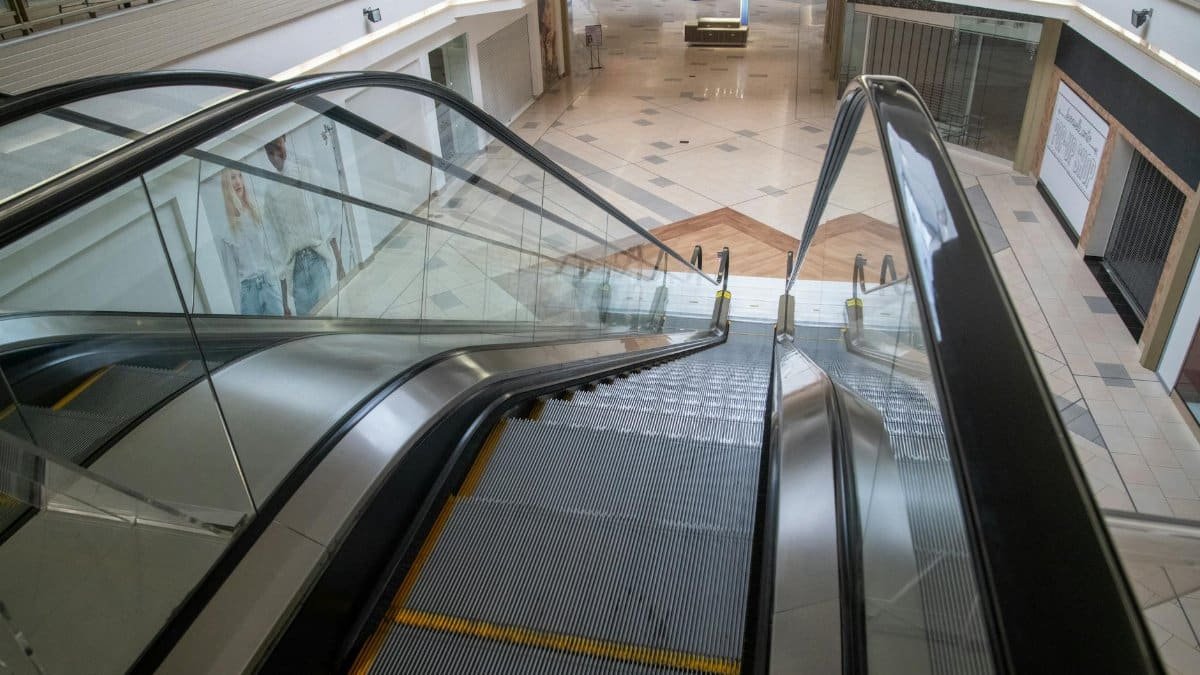
In the bustling corridors of one of Chicago’s most enduring retail destinations, a serious safety issue recently came to light. Ford City Mall successfully addressed a malfunction in its fire suppression system. This timely intervention has granted the property a temporary stay from potential closure by city officials. For many residents on the South Side, the news arrived as a welcome development. It underscored the fragile nature of the spaces where people come together to shop, socialize and create memories. As repairs continue, questions linger about what this episode reveals regarding our shared responsibility to maintain secure environments for all.
The Warning Signs That Preceded the Crisis
City inspectors discovered the fire suppression system at the mall had been offline for weeks. Records showed a cascade of maintenance oversights that left sprinkler heads dry and alarm sensors unresponsive. Officials issued an immediate compliance order threatening shutdown within 72 hours if the deficiencies remained unaddressed. The episode exposed how even familiar landmarks can slip into disrepair when routine checks fall by the wayside. Managers moved swiftly once the violation notice arrived. They contracted specialized technicians who worked around the clock to test every valve and replace aging components. Within days the system passed its initial pressure test, earning a 45 day extension while additional electrical upgrades continue.
A South Side Landmark and Its Quiet Significance
Ford City Mall has served Chicago’s Southwest Side for more than five decades. What began as a retail complex built on historic airfield land evolved into a de facto town square for generations of families. People recall first jobs at the old Montgomery Ward, Saturday matinees at the multiplex, and holiday seasons when the food court became an informal gathering hall. These memories carry emotional weight for middle aged residents who watched their own children repeat the same rituals. The near closure therefore struck deeper than a mere commercial inconvenience. It threatened a shared piece of local identity that transcends any single store or sale.
Finding Sacred Ground in Everyday Spaces

Many faith leaders in the surrounding neighborhoods view public gathering places through a spiritual lens. Pastors at nearby congregations describe malls as modern equivalents of ancient courtyards where people encounter one another beyond the walls of church or temple. In this light, ensuring physical safety becomes an act of communal stewardship. When the fire suppression system failed, it disrupted more than code compliance. It unsettled the sense of sanctuary that ordinary citizens seek in familiar surroundings. Several local clergy offered prayers of gratitude once repairs were confirmed, framing the swift correction as evidence of renewed vigilance over spaces that nurture everyday encounters with grace and neighborliness.
The Mechanics of Restoration and Compliance
Technical crews replaced over 200 sprinkler heads and recalibrated the entire pump assembly. They installed new backup generators capable of sustaining the system during power outages. Inspectors returned twice to verify each zone functioned according to municipal standards. The temporary reprieve granted by the city requires monthly status reports through the end of the year. Mall ownership has pledged full modernization of the alarm integration software by October. These steps reflect a broader pattern seen in aging retail properties across the Midwest where deferred maintenance finally collides with stricter municipal enforcement.
Community Reactions and Quiet Relief

Shoppers interviewed outside the main entrance expressed cautious optimism. One longtime resident recalled canceling a birthday outing when rumors of closure first circulated. Others noted that senior groups who rely on the mall for daily walking exercise had grown anxious about losing their route. The reprieve has allowed these routines to resume. Yet many voiced hope that management will treat this episode as a turning point rather than a temporary patch. Community organizations have offered to partner on future safety drills, seeing the moment as an opportunity to deepen civic bonds.
Stewardship as a Spiritual Imperative

Scholars of urban ministry often speak of the built environment as an extension of moral responsibility. A 2022 study by the Lilly Endowment funded Faith and Place Initiative found that 68 percent of congregants in midwestern cities consider the safety of shared public venues a reflection of collective values. The report is available at faithandplace.org. In that context, restoring the fire suppression system at Ford City Mall carries symbolic resonance. It represents a commitment to protect the vulnerable, to honor the generations who have walked these floors, and to preserve a space where spiritual community can unfold in seemingly secular moments.
Broader Challenges Facing Legacy Malls
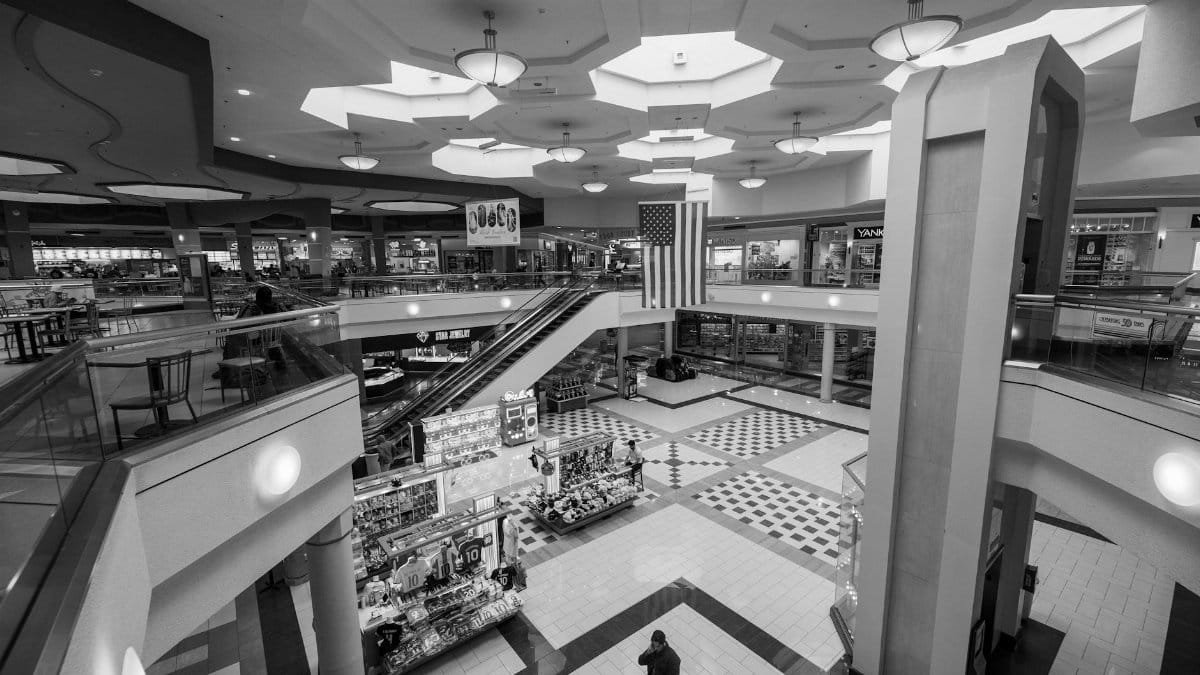
Across the nation, properties constructed in the 1960s and 1970s face similar regulatory pressures. Rising insurance costs, deferred capital improvements, and competition from online retail have strained operating budgets. Many owners now operate with thinner margins that make comprehensive upgrades difficult. The situation at Ford City Mall mirrors experiences in Detroit, Cleveland, and St. Louis where aging infrastructure suddenly meets contemporary safety expectations. What distinguishes this case is the speed with which management responded once regulators intervened. That responsiveness may offer a model for other struggling retail centers seeking to avoid permanent closure.
Voices From Local Congregations

Reverend Marcus Hale of New Life Community Church located less than two miles from the mall described the relief many felt when repairs were announced. He noted that several of his parishioners work at the property and depend on its continued operation. Other faith leaders have used the episode in sermons about watchfulness and preparation. One homily drew parallels to the parable of the wise and foolish builders, suggesting that infrastructure maintenance is itself a form of faithful living. These interpretations may seem unexpected in coverage of a shopping center, yet they reveal how deeply intertwined daily commerce and spiritual life remain for many middle aged Chicagoans.
What the Temporary Reprieve Actually Buys
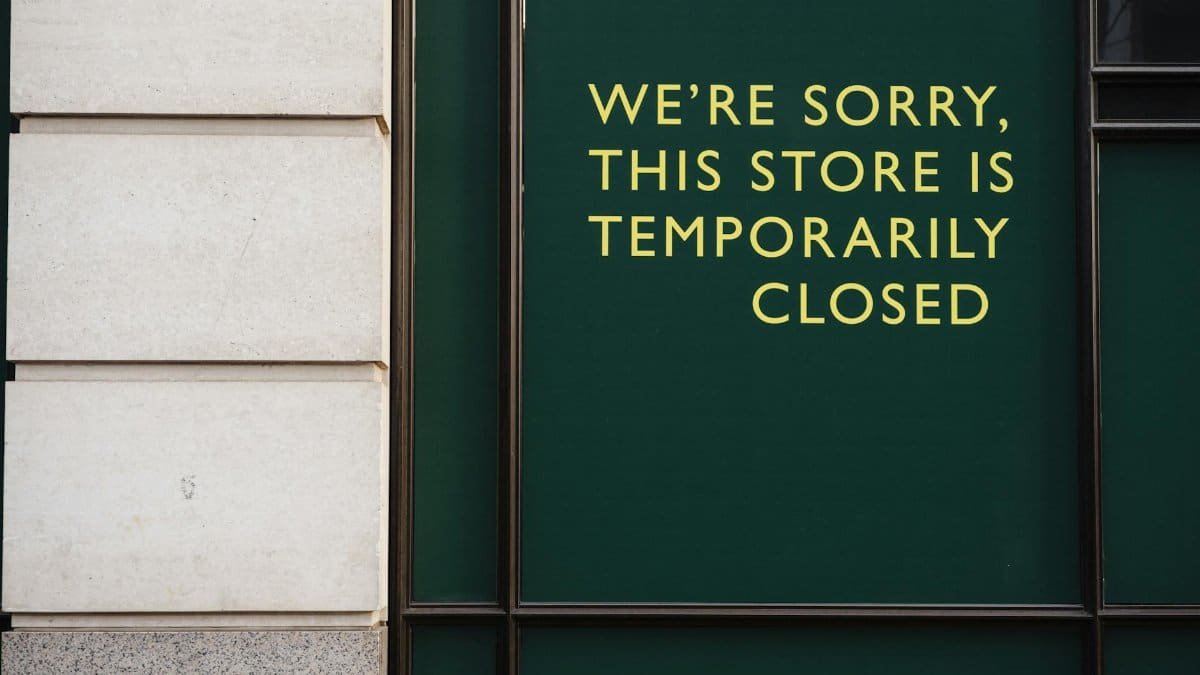
City officials emphasize that the extension is conditional. Full compliance must be demonstrated by early autumn or the violation process will resume. This window allows time for comprehensive testing of smoke evacuation systems and staff training on emergency protocols. Ownership has also committed to updating security camera infrastructure to better monitor mechanical rooms. These additional measures suggest a recognition that safety extends beyond the initial failure point. For customers, the reprieve simply means the lights stay on and the doors remain open while the serious work of long term prevention continues behind the scenes.
Lessons on Vigilance and Renewal
The episode invites consideration of how societies care for the structures that shape daily existence. When a place as familiar as Ford City Mall comes close to shutdown, it prompts reflection on prevention rather than reaction. Middle aged readers who remember the mall in its prime may see this chapter as part of a larger narrative about renewal. Just as personal faith journeys often involve seasons of repair and recommitment, so too can civic spaces experience moments of restoration that strengthen their future. The successful restoration of the fire suppression system stands as concrete evidence that timely action can preserve what matters.
Looking Ahead With Measured Hope

As summer approaches, foot traffic has begun to rebound. Families once again fill the walkways and food court. The temporary nature of the city’s reprieve serves as both encouragement and warning. It signals that the community values this gathering place enough to grant it another chance while demanding sustained accountability. For those who see spiritual significance in ordinary landscapes, the story offers quiet reassurance that even imperfect institutions can be redeemed through attentive care. Whether this chapter leads to deeper revitalization remains to be seen. Yet for now the corridors remain open, the system functions, and the South Side retains one of its longstanding destinations.
The situation at Ford City Mall ultimately transcends technical compliance. It touches on how we value continuity, how we protect shared experiences, and how we interpret responsibility across generations. In restoring its fire suppression system and securing additional time, the property has earned more than a bureaucratic extension. It has reaffirmed its place in the daily rhythms of a community that continues to find meaning in the most familiar of spaces.