
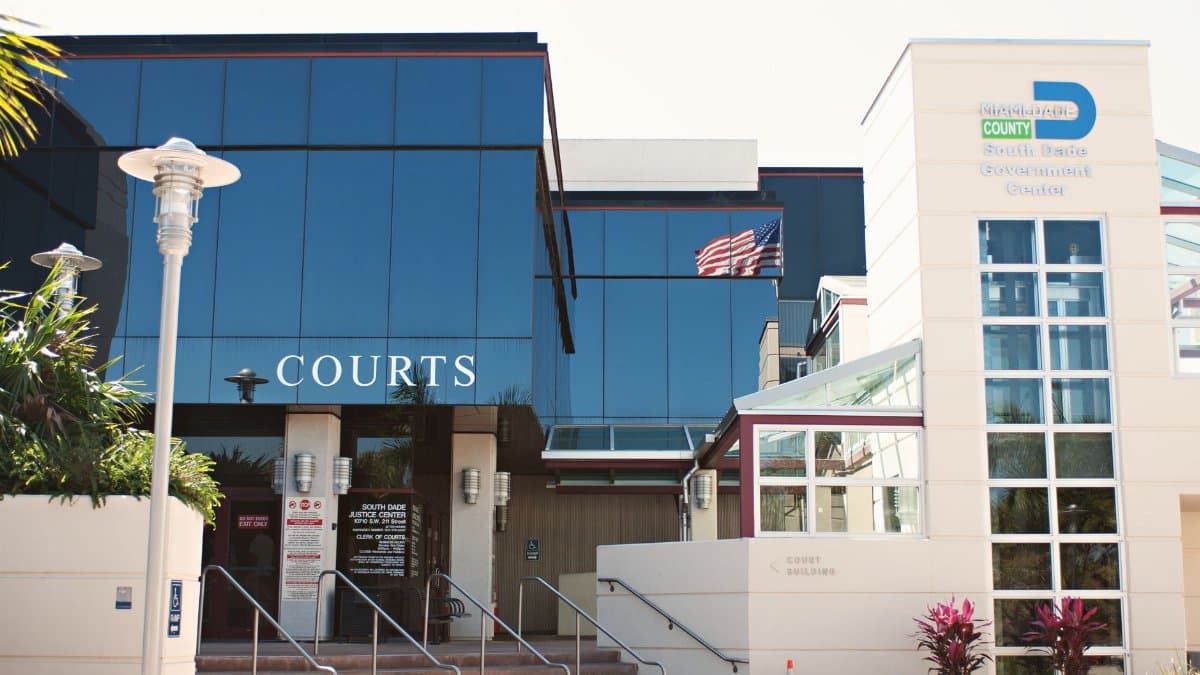
The corridors of power in Washington have long echoed with accusations of selective enforcement. Now those charges have zeroed in on how federal prosecutors in one key region may have been steered toward a high profile figure with deep intelligence ties. This debate centers on claims that the Justice Department South Florida CIA connections were exploited for political ends amid broader national divisions.
Origins of the Controversy
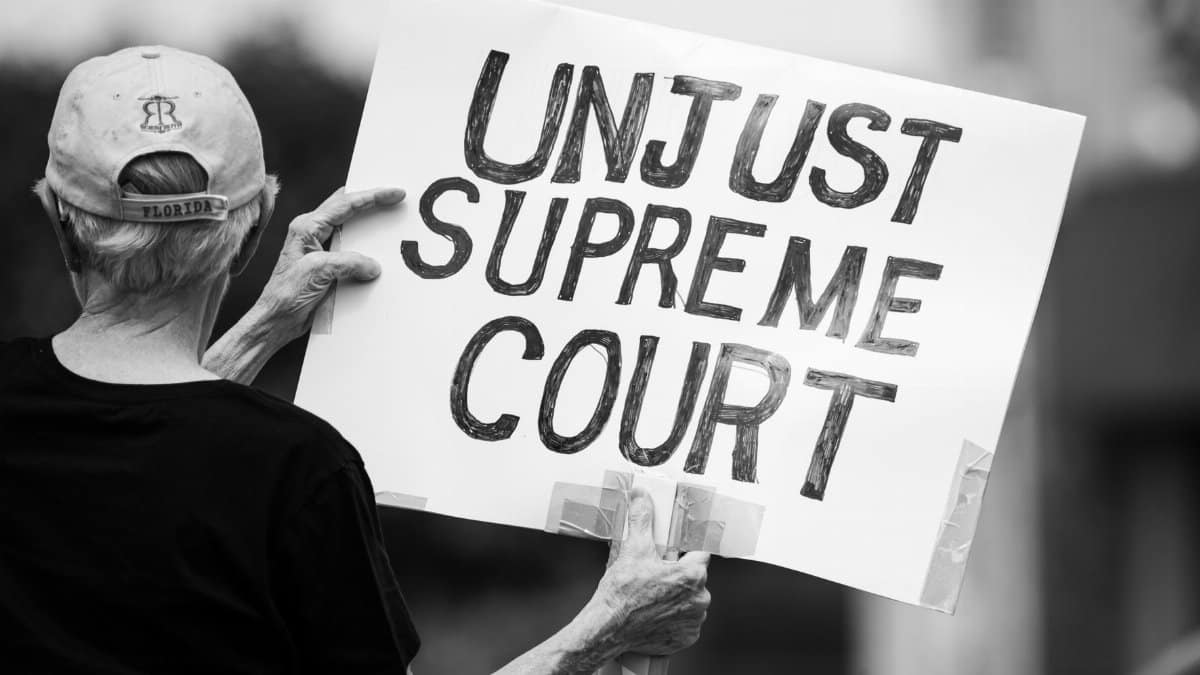
Reports indicate that federal attorneys operating out of Miami began examining activities linked to a former top intelligence official. Observers note that the timing aligned with heated election cycles and public disputes over agency oversight. Several legal experts have questioned whether standard procedures were followed or if external pressures influenced case selection.
Details Surrounding the South Florida Office
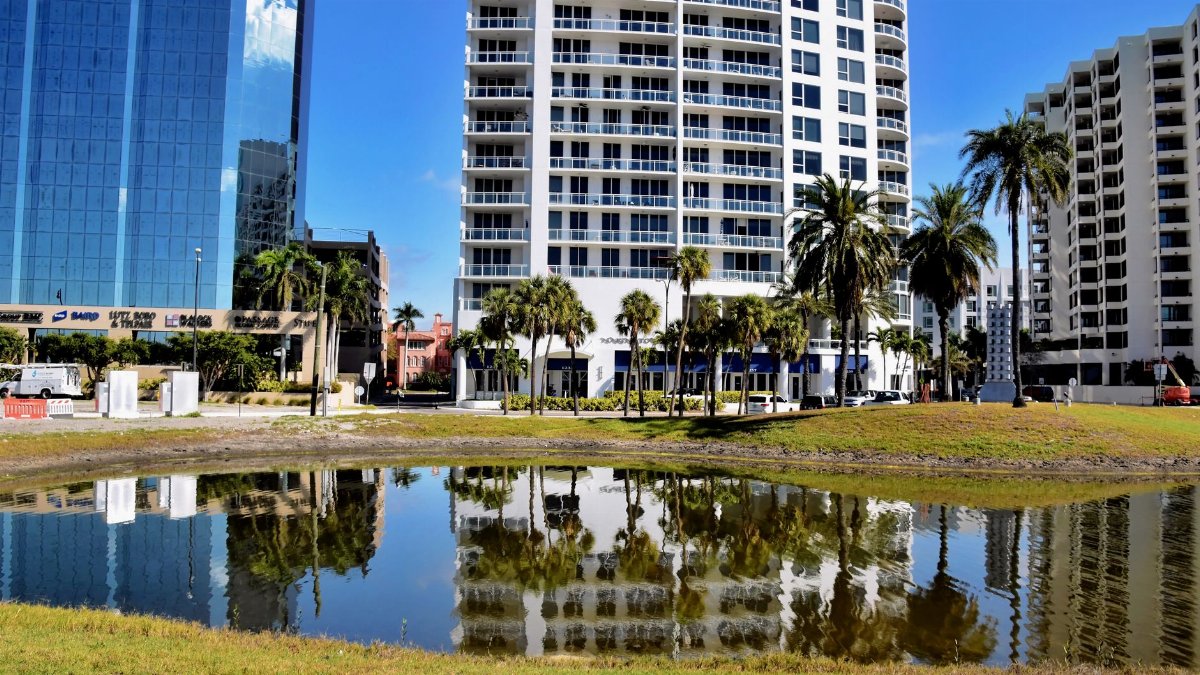
The Miami based division of the Justice Department handles a wide array of matters from financial crimes to national security issues. Its geographic reach covers sensitive areas with international connections. Critics argue this particular office was chosen because of its ability to pursue leads involving former agency personnel who reside or travel through the region.
Critics Voice Their Concerns

Prominent voices from both parties have expressed alarm over what they see as uneven application of the law. They point to past instances where similar situations involving other officials received less aggressive treatment. Public statements have described the approach as an attempt to settle scores rather than uphold impartial justice.
Connections to Intelligence Backgrounds

The individual at the center of attention previously led major operations at the Central Intelligence Agency. This history has added layers of complexity since probes into such figures often involve classified materials and delicate diplomatic considerations. Analysts suggest that any perceived overreach could affect morale across intelligence services.
Political Climate and External Influences
Florida has emerged as a focal point for national political battles in recent years. With its mix of retirees, business leaders and diverse communities the state offers a stage where federal actions draw intense media coverage. Some commentators link the current matter to ongoing rivalries between administration priorities and opposition figures.
Legal Standards Under Scrutiny
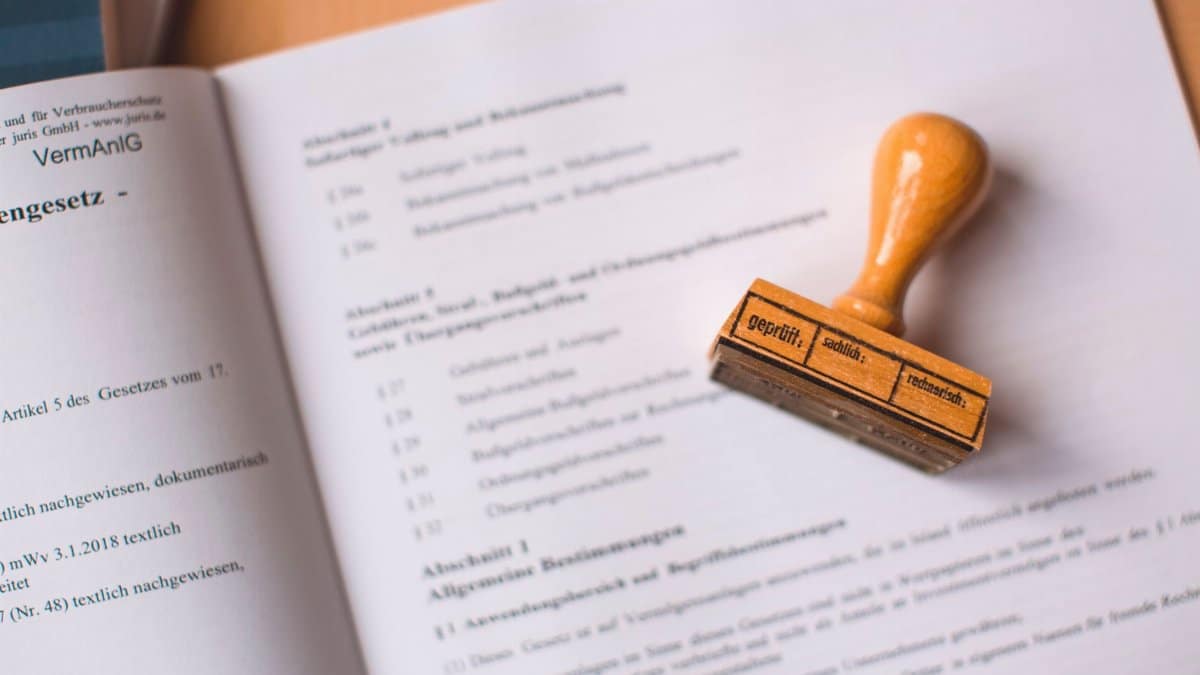
Prosecutorial discretion remains a core element of the American system yet it requires consistent application to maintain public trust. Legal scholars reviewing available records have called for greater transparency in how cases are assigned and pursued. They emphasize that deviations from norms can erode confidence in institutions meant to operate above partisanship.
Responses from Involved Parties

Officials within the Justice Department have defended their methods as routine and evidence based. They stress that decisions rest on facts rather than directives from above. Meanwhile representatives for the former official have described the inquiry as unfounded and have signaled plans to challenge any resulting actions in court.
Broader Effects on Public Trust

Such disputes risk deepening skepticism toward federal agencies already facing questions about their roles in domestic affairs. Surveys show declining confidence in institutions tasked with upholding the rule of law. Restoring faith may require clearer guidelines and independent reviews of high profile matters.
Looking Ahead to Institutional Reforms

Proposals for changes include stronger oversight mechanisms and limits on venue shopping for sensitive cases. Lawmakers from various states have floated ideas aimed at insulating investigations from political currents. Whether these efforts gain traction depends on the outcomes of current debates and upcoming electoral results.