
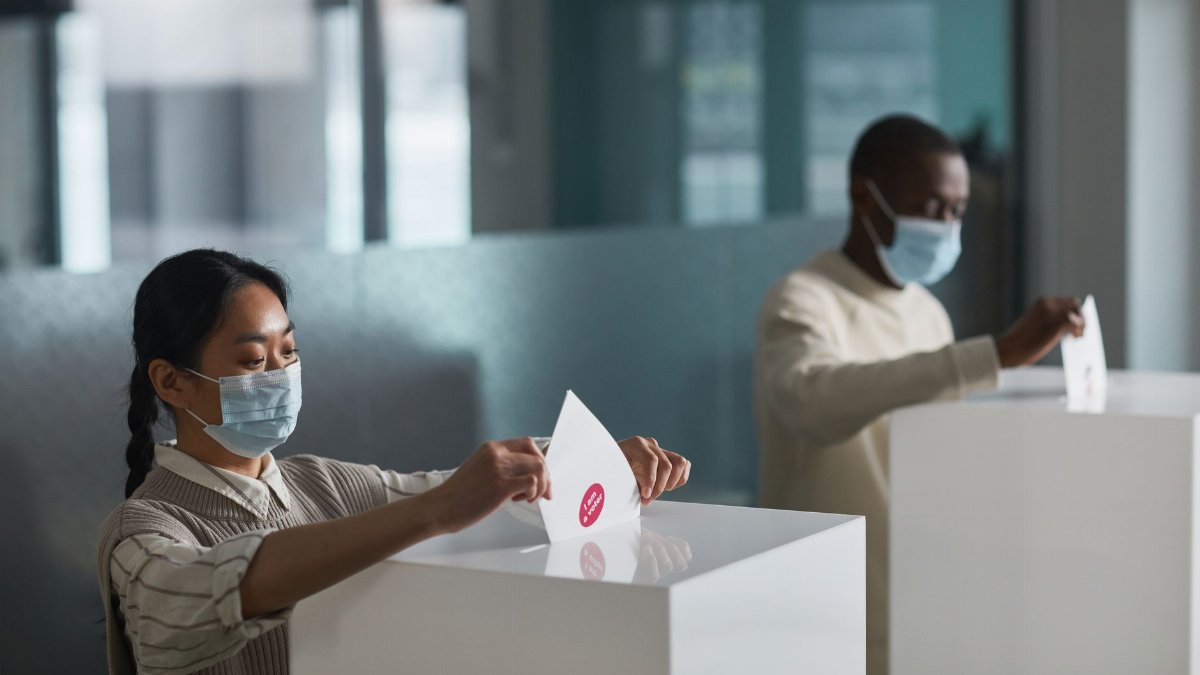
In a federal courtroom, a request that might have pulled as many as 20,000 California ballots out of the ordinary count met a clear no. The California ballots ruling rested on a familiar judicial line: allegation is not evidence, and a remedy that walls off votes can injure the election it claims to protect. For readers who have watched ballot fights multiply since 2020, the decision is less a surprise than a measure of how far federal lawyers were willing to push a state that runs one of the largest vote by mail systems in the country.
What the judge refused to do
The administration asked a federal judge to order California to segregate a large batch of ballots tied to claims that some voters were not citizens. Segregation sounds technical. In practice it means those ballots sit apart from the rest, their fate delayed, their legitimacy shadowed, while lawyers argue over records that election officials say they already review. The judge denied the request. The ballots stay in the count under the rules California already uses.
That denial does not declare every challenged voter a citizen, and it does not close every inquiry into the rolls. It says the government did not meet the bar for an emergency order that would treat thousands of ballots as suspect before a fuller hearing. Courts are slow to rewrite an election midstream. They are slower still when the proposed fix is broader than the proof in front of them.
The scale behind the filing

Twenty thousand ballots is a large number in a city council race and a small share of a statewide California electorate that routinely exceeds twenty million registered voters. Scale is the point. A federal ask aimed at that many ballots is not a clerical correction. It is a claim that the ordinary process cannot be trusted with a slice of the electorate big enough to matter in close local contests and symbolic enough to feed a national argument.
California officials have long said noncitizen voting is rare, illegal, and already subject to checks that include citizenship affidavits, database matches, and criminal penalties. The administration framed its request as protection of the citizen franchise. The court, on the record described in the denial, was not persuaded that segregation was the lawful next step.
Why segregation is not a neutral pause
Supporters of the request describe segregation as caution. Hold the ballots. Sort the facts. Count what survives. Critics hear something else: a spotlight on voters who may have done nothing wrong, and a delay that can harden into disqualification if deadlines pass. A ballot set aside is not the same as a ballot rejected, but it is no longer an ordinary ballot. Campaigns, reporters, and partisans treat the pile as a story before any voter has a chance to answer.
Judges know that optics become outcomes. Once ballots are labeled, the label travels faster than the correction. The California ballots ruling treats that risk as part of the legal question, not as public relations. Equitable relief is supposed to prevent harm, not manufacture a new one for people whose only visible offense is appearing on a list.
Federal power and a state that counts by mail
California built its election around mailed ballots, ballot tracking, and a long canvass. That design frustrates critics who want election night certainty and comforts officials who say accuracy beats speed. Federal courts can intervene when federal law is clearly violated. They do not sit as a second secretary of state. The denied request tested that boundary: how much may Washington dictate the handling of state ballots on the strength of citizenship allegations that state officials dispute.
The Constitution gives states the leading role in the time, place, and manner of congressional elections, subject to congressional override. Citizenship for voting in federal contests is a real legal requirement. The fight is over method. Matching a name to a database, reading a form, and inferring status from an incomplete record are not the same act. A judge who refuses segregation is often saying the inference is too thin for the remedy, not that the requirement does not exist.
What allegations still have to prove
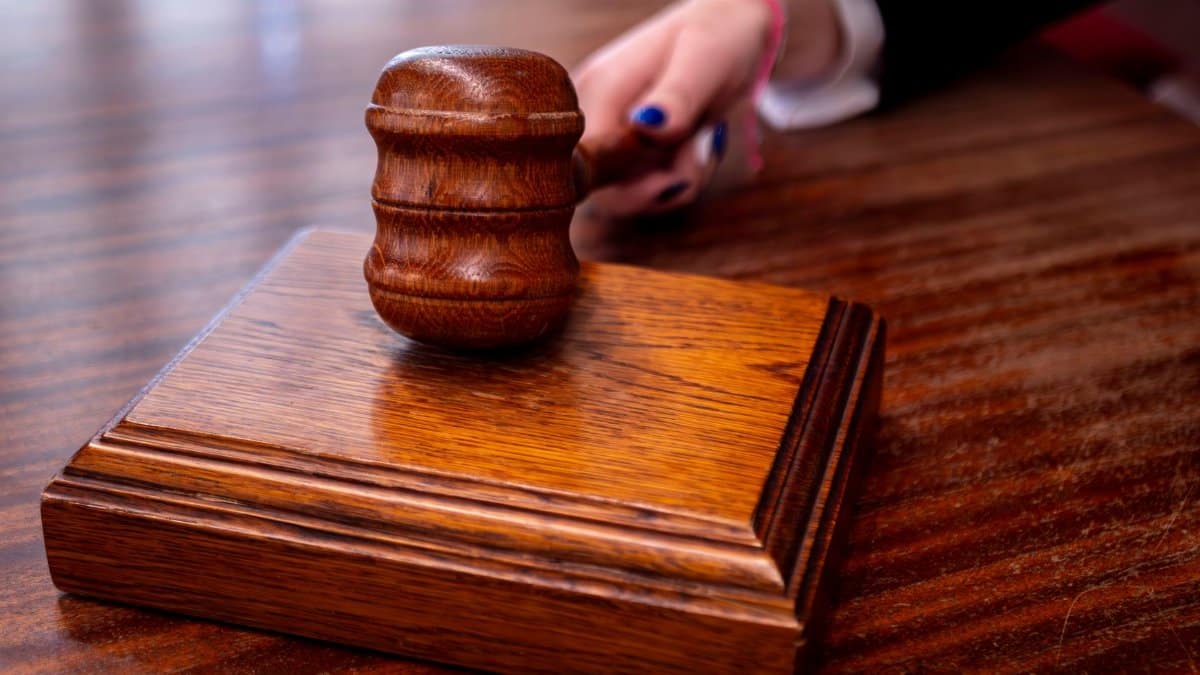
Noncitizen voting is a crime. It is also a claim that has outrun the documented cases in several recent cycles, according to election administrators in both parties and to postelection audits that find handfuls of problems inside millions of ballots. That gap does not make the crime imaginary. It does shape what a court will do on a short record.
To segregate thousands of ballots, the government would need a tight link between each ballot and a credible showing that the voter was ineligible. A spreadsheet of possible matches, a tip, or a disagreement about how California maintains its rolls will rarely be enough. Voters have a right to notice and a chance to cure defects. Due process is not a slogan in this setting. It is the reason blanket remedies fail.
The people inside the number
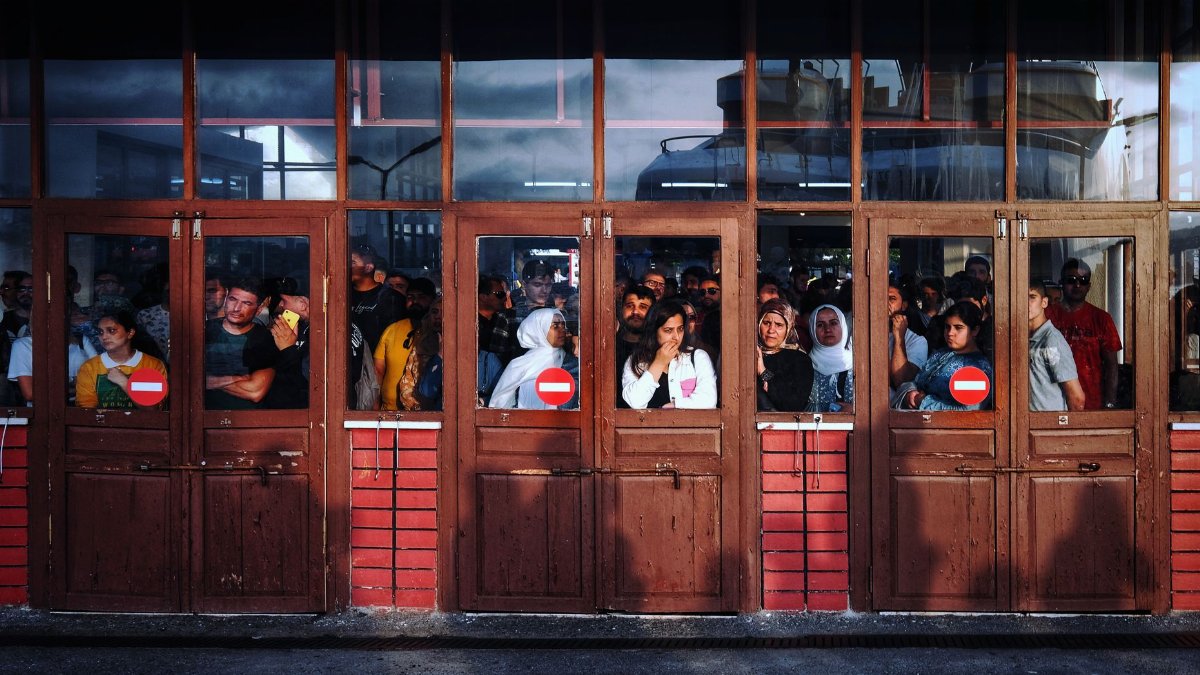
A figure like 20,000 hides the household. Naturalized citizens share surnames with relatives who are not yet citizens. Data entry errors flip a digit. A person who moved, married, or renewed a license can look inconsistent on a federal file and perfectly consistent on a county roll. Older voters, the core of a mailed ballot electorate, are especially exposed to address clutter accumulated over decades.
If segregation had been ordered, those voters would not have stood in a courtroom. Their ballots would have. That is the quiet violence of list based remedies. The California ballots ruling keeps the burden where trial lawyers expect it: on the party that wants an extraordinary order, not on thousands of people who already cast a vote under penalty of perjury.
Timing and the pressure of the count

Election cases live and die on the calendar. A request filed while ballots are still being processed asks a judge to choose between two harms: counting a ballot that might later prove unlawful, or sidelining a ballot that is lawful and may never be restored in time. Appellate courts have warned for years that late judicial intervention can confuse voters and local officials who are already executing a statutory script.
Denial at this stage leaves investigation open. It does not bless fraud, and it does not freeze the rolls forever. It refuses to let an unresolved allegation reorder the count. That distinction will matter if either side returns with a narrower list, named voters, and documents a judge can test one by one.
How officials on both sides will read the same order
State leaders are likely to call the denial a defense of lawful voters and of California control over its canvass. Administration lawyers can call it a temporary setback and argue that the citizenship question remains live. Both readings can be true at once. A lost motion for segregation is not a final judgment on the merits of every underlying claim.
Public language will be less careful. One side will say a judge protected illegal votes. The other will say a judge stopped a purge. Neither sentence matches the narrower holding that emergency segregation was not justified. Readers who want the civic argument rather than the campaign argument should stay with that narrower holding. It is the part a higher court can actually review.
A pattern larger than one state

California is a frequent stage for this conflict because of its size, its mailed ballot habits, and its political color. Similar fights have appeared in other states over voter roll maintenance, proof of citizenship proposals, and postelection challenges. The legal theory travels even when the facts do not. If segregation had been granted here on a thin record, lawyers elsewhere would have cited it within days.
The California ballots ruling cuts the other way. It signals that federal trial judges are still willing to say no when the proposed ballot remedy is broad and the proof is not. That signal will not end the litigation campaign. It will shape the next complaint: fewer blanket asks, more named voters, more exhibits, or a shift from court orders to legislation and administrative demands aimed at how states share data.
Trust as a civic practice

This desk is asked, in a season of spiritual news, to notice what an election dispute does to the inner life of a public. A ballot is a secular object with a moral weight. People hand the state a private judgment and trust strangers to count it without favor. When that trust thins, congregations, families, and neighborhoods feel it as suspicion of neighbors, not only as distrust of agencies.
Faith traditions differ on politics and agree, more often than cable argues, that false witness is a serious wrong. Inflating a rare abuse into a cloud over thousands of voters is a kind of false witness. Ignoring a real abuse because it is politically awkward is another. The judicial task is to refuse both. A careful denial can be an act of civic steadiness: not faith in any party, but faith that evidence still outranks appetite.
What voters can watch for next
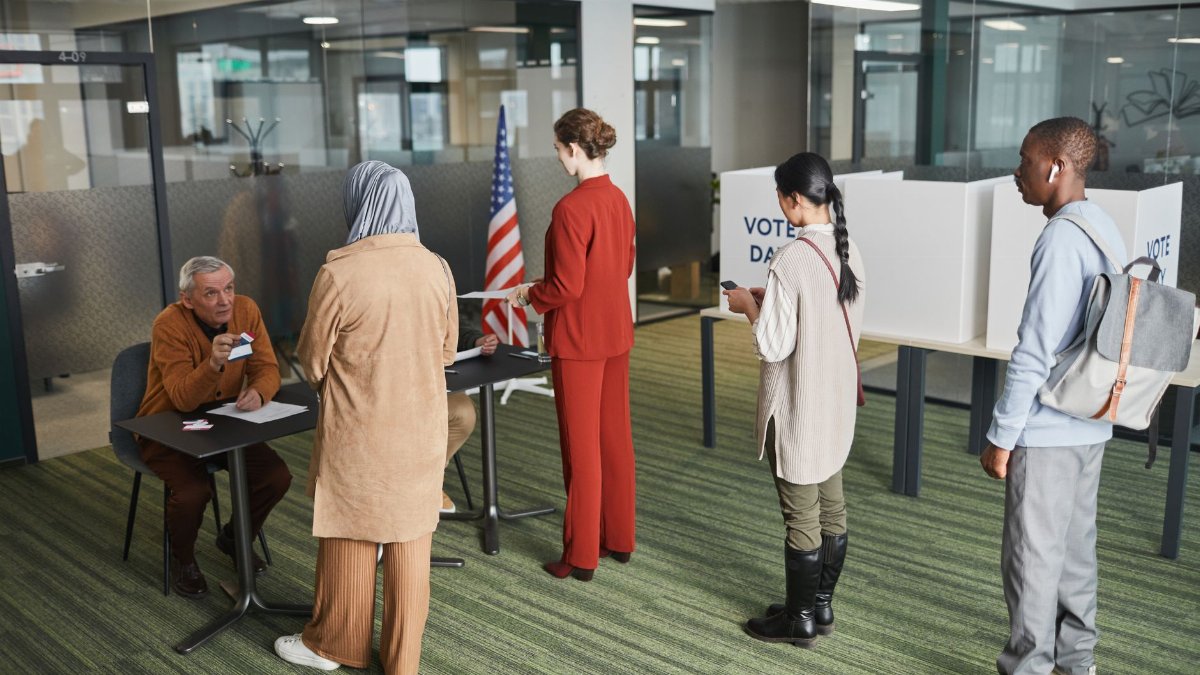
The practical aftermath is procedural. California continues its canvass under state law. Federal lawyers may amend, appeal, or pursue a slower case about roll maintenance rather than about ballots already cast. Counties will keep the records they always keep: envelopes, signatures, voter history, and cure notices. Advocates on both sides will seek those records through ordinary public routes.
Voters who worry they were swept into a bad match can still check registration status with their county, confirm citizenship documents if a notice arrives, and answer any official cure letter before the deadline printed on it. Silence is the wrong response to a real notice. Panic is the wrong response to a denied segregation order. The California ballots ruling, as it stands, does not instruct any individual voter to do anything except remain inside the lawful process.
The standard the court left standing

Emergency election orders demand clarity, narrowness, and proof that the harm of waiting exceeds the harm of acting. The administration asked for separation of a large set of ballots on noncitizen allegations. The judge said no. That is the whole public core of the case at this hour, and it is enough to matter.
Future filings will be judged against that refusal. If the government returns with identified ballots and documents that tie each one to ineligibility, a different order is possible. If it returns with the same breadth and the same inferences, it should expect the same result. Courts are not applause lines. They are filters. This filter held.
A count that still belongs to the counties
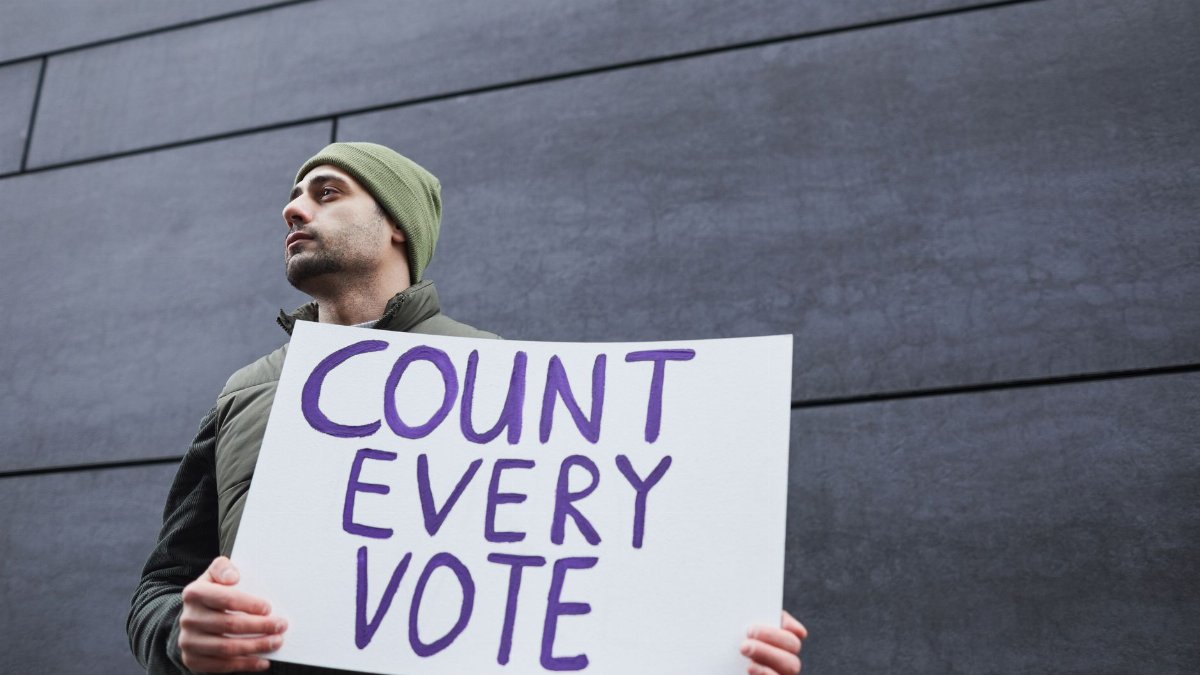
The ballots at issue, up to the figure cited in the request, were not handed to a special pile. They remain with the local officials who open envelopes, compare signatures, and tally choices under statutes written in Sacramento and constraints written in the Constitution. That ordinary labor is untelevised and, for most readers, uninteresting until someone tries to interrupt it.
Interruption failed this time. The California ballots ruling will be cited by people who never read the order, which is why the plain version is worth repeating: a federal judge would not segregate thousands of California ballots on the showing the administration made. The election, imperfect and arguable as every election is, goes on under rules that were already on the books.