

A federal court ruling has shifted the landscape for a small but notable group of Somali nationals living in the United States under temporary protected status. The decision removes a legal obstacle that had blocked the prior administration from ending those protections and moving forward with removals. Roughly four hundred people in Minnesota now face an uncertain path as federal agencies regain authority to act. For many observers this development underscores ongoing tensions between national security priorities and humanitarian commitments that have shaped American immigration policy for decades. Somali TPS deportation emerges as a central concern in communities where families have built lives over many years while awaiting clarity on their status.
Origins of Temporary Protected Status for Somalis

The program began decades ago amid civil conflict in Somalia that displaced millions. Successive administrations renewed the designation because conditions on the ground remained unstable. Recipients could work legally and avoid deportation while the situation evolved. Over time the policy became a lifeline for those who arrived in the nineteen nineties and early two thousands.
Legal Challenge and Recent Court Action

Advocacy groups filed suit to preserve the protections arguing that ending them would expose people to danger. A judge had paused the process but later lifted the hold after reviewing updated government assessments. The move allows agencies to begin case by case reviews that could result in removal orders for individuals whose status is not renewed.
Impact on Minnesota Communities
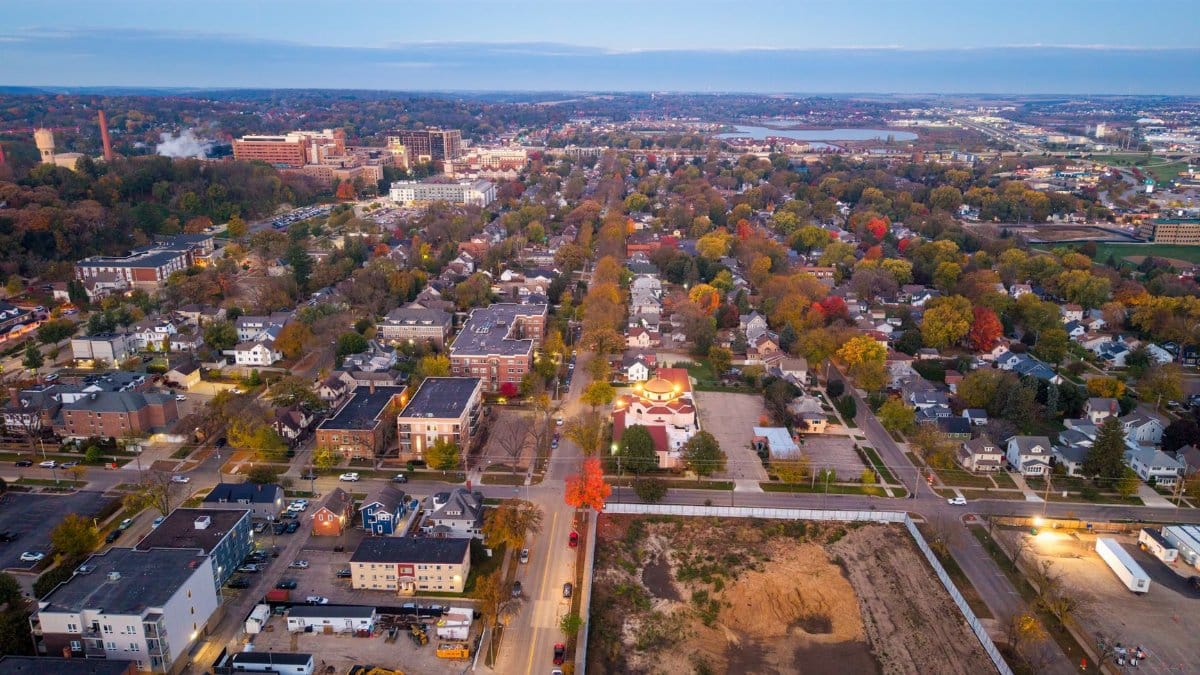
Minneapolis and surrounding areas host one of the largest Somali populations in the country. Many arrived under the protected status and have since opened businesses raised families and contributed to local economies. The ruling creates anxiety among households that have lived here for fifteen years or longer without a clear path to permanent residency.
Policy Shifts Under Successive Administrations

Earlier leaders extended the designation multiple times citing ongoing violence and weak governance in Somalia. The Trump era introduced stricter reviews focused on whether conditions had improved enough to warrant termination. Courts have generally deferred to executive branch judgments on foreign country conditions when evidence supports the conclusion.
Humanitarian Concerns Raised by Advocates
Organizations tracking refugee issues warn that Somalia still faces clan conflict famine and limited infrastructure. They argue that forced returns could place individuals at risk of persecution or general violence. Supporters of the policy change counter that the country has made measurable progress in some regions and that indefinite extensions strain resources.
Economic Contributions of Affected Residents

Many holders of temporary status entered the workforce in transportation health care and small retail. Their presence helped fill labor shortages in certain sectors. Local leaders note that abrupt removals could disrupt businesses and family support networks that have taken root over time.
Broader Questions on Immigration Enforcement

The case illustrates how temporary programs can evolve into long term arrangements when home country conditions persist. Lawmakers have debated comprehensive reform for years yet no durable solution has passed. This leaves individual designations vulnerable to shifting political priorities and court interpretations.
Role of State and Local Officials

Minnesota leaders have expressed support for the affected families while acknowledging federal authority over immigration matters. Some have called for additional legal aid and counseling services. Others focus on ensuring that any enforcement actions follow due process and consider individual circumstances.
Future Outlook for Those Facing Removal

Each case will receive separate review based on criminal history ties to the United States and current conditions in Somalia. Some may qualify for other forms of relief such as asylum or family based petitions. Legal experts anticipate a lengthy period of appeals and administrative proceedings before any large scale departures occur.
International Relations Angle
The Somali government has not issued formal objections though diplomats have sought assurances that returns will occur in an orderly manner. Cooperation on repatriation logistics could influence future bilateral discussions on trade security and development assistance.