
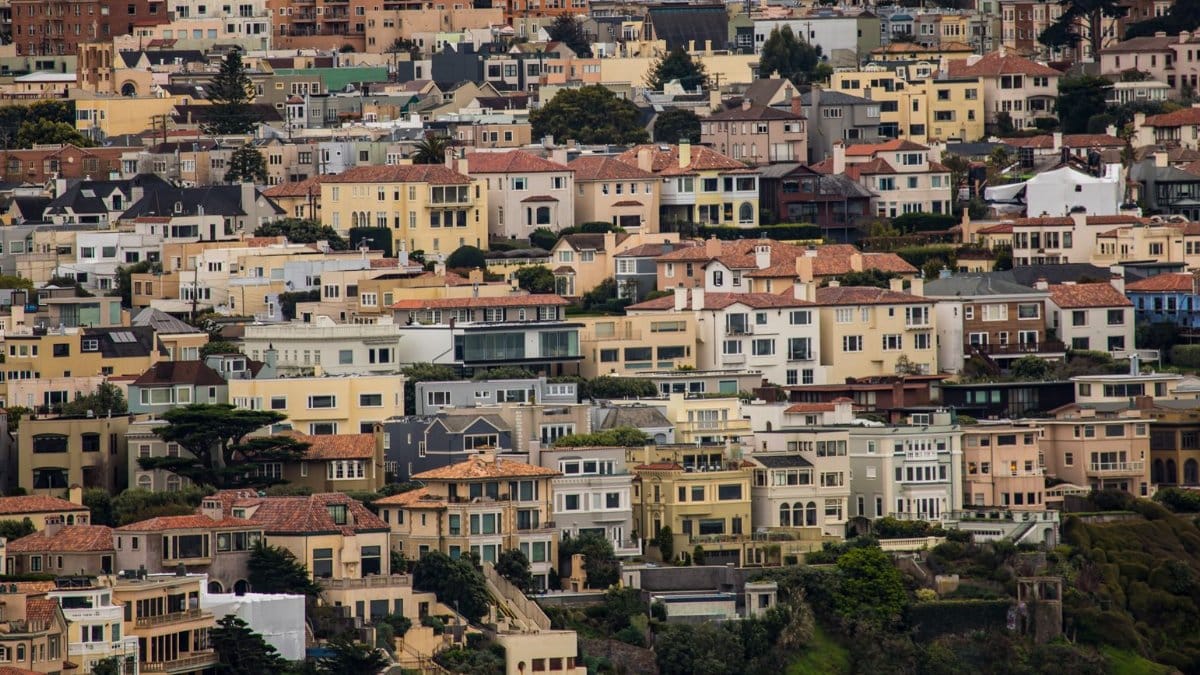
In recent years many cities have seen construction slow to a crawl amid rising costs and shifting demand but San Francisco appears to be testing whether that pattern can be broken. A major bank has stepped in with financing for a large project in the Dogpatch neighborhood suggesting that JPMorgan SF housing activity could mark an early signal of renewed momentum for apartment building in the city.
Background on the Dogpatch Project

The development at the former Power Station site calls for three hundred forty two apartments along with ground level retail space. Local officials have long viewed the area as a priority for new housing yet progress has been uneven due to economic pressures and regulatory hurdles. The latest funding round aims to move the project from planning into active construction phases.
Role of Major Banks in Urban Development

Financial institutions often serve as gatekeepers for large scale real estate ventures by providing the capital that smaller lenders hesitate to offer. In this case the commitment reflects internal assessments that certain San Francisco submarkets may offer acceptable risk profiles despite broader uncertainty in office and retail sectors.
Current State of Apartment Construction
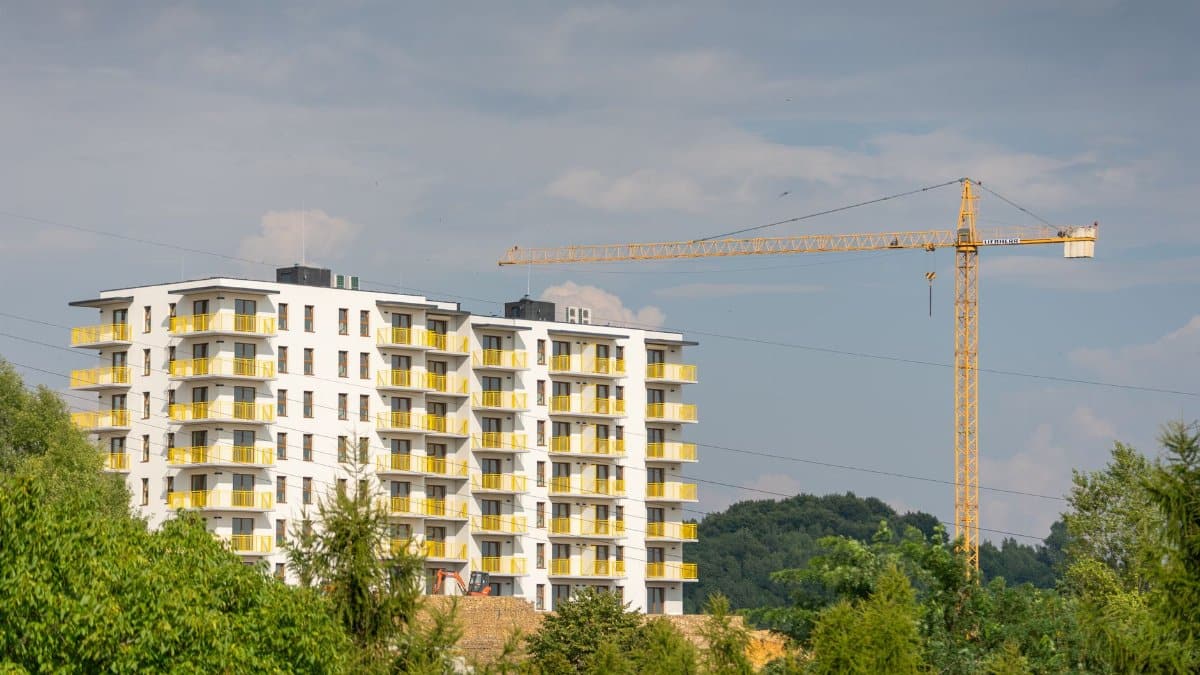
Permit data and industry reports indicate that new multifamily starts in San Francisco remain well below peaks seen before the pandemic. Several planned towers have been delayed or scaled back as developers recalibrate unit mixes and amenity levels to match what renters will pay in the current environment.
Local Policy Influences on Housing Supply
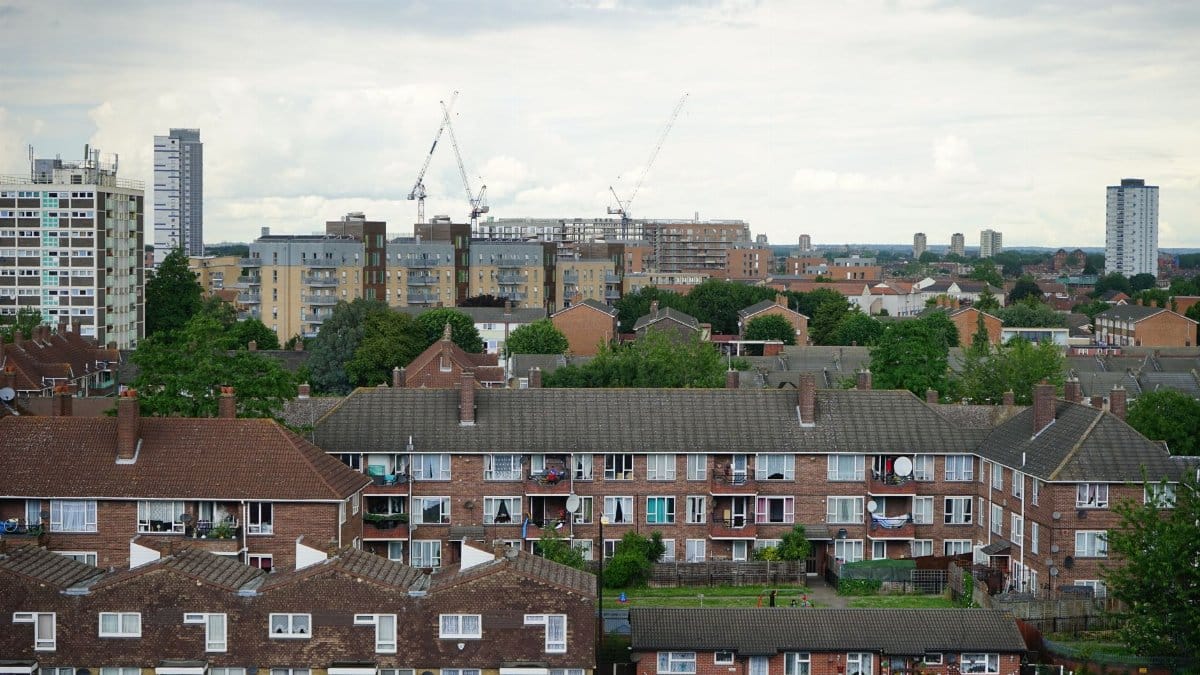
City rules on height limits density bonuses and inclusionary requirements continue to shape what gets built and where. Recent adjustments to some of these policies have been credited with unlocking a handful of stalled sites though advocates on both sides of the debate argue that further changes are needed to accelerate supply.
Economic Factors Affecting Investment Decisions

Interest rates construction material prices and labor availability all factor into whether projects pencil out. Analysts note that banks are scrutinizing cash flow projections more closely than in prior cycles leading to selective rather than across the board lending.
Community Reactions to New Development
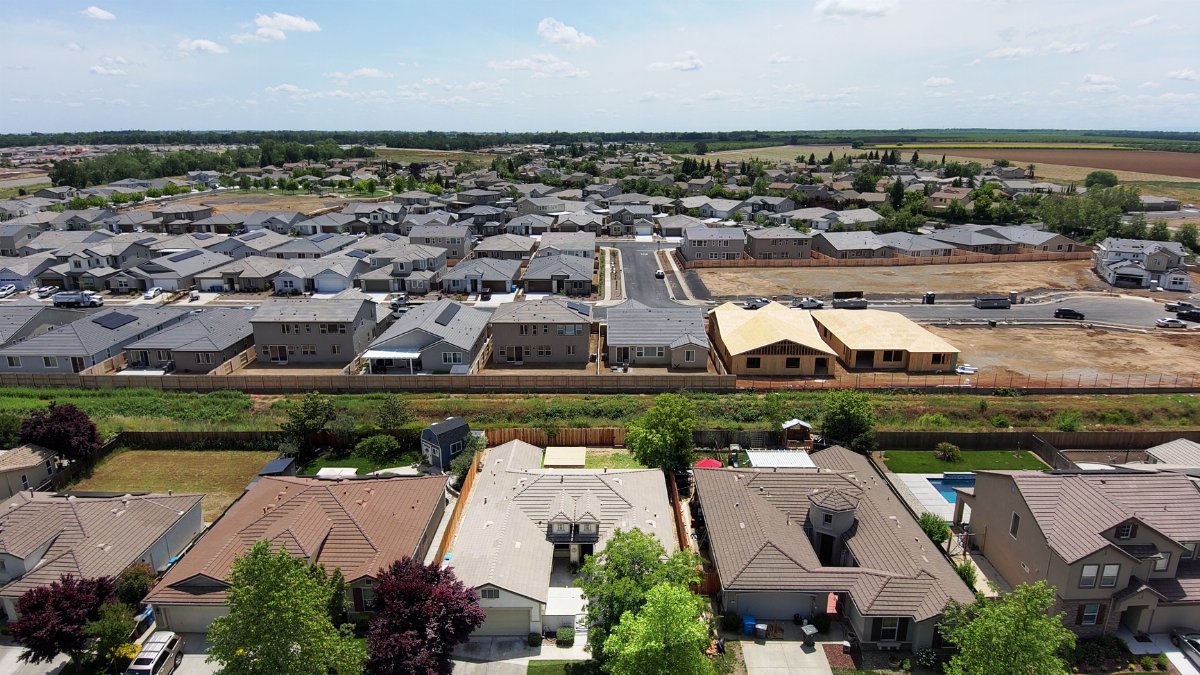
Residents near the Dogpatch site have expressed mixed views with some welcoming the prospect of additional housing stock and others raising concerns about traffic parking and strain on existing services. Public meetings have provided forums for these discussions though final outcomes often hinge on negotiated community benefits agreements.
Broader Implications for San Francisco Real Estate

If this project advances without major setbacks it could encourage other lenders to revisit proposals that have sat idle. Observers caution however that one transaction does not reverse entrenched trends and sustained activity will require continued alignment among financiers developers and regulators.
Future Outlook for Similar Ventures

Industry participants are watching absorption rates and rent trends closely to gauge whether demand supports additional units. Early leasing data from recently completed buildings offers some encouragement yet the pace of recovery remains gradual and uneven across neighborhoods.