

In quiet storefronts across Illinois, small business owners tally their daily receipts only to see a sizable share slip away through payment processing charges. These costs have mounted steadily, prompting state lawmakers to step in with a measure designed to protect local merchants from what they view as excessive deductions. The Illinois swipe fee ban has emerged as a flashpoint, pitting state authority against powerful financial institutions and now drawing sharp intervention from federal agencies determined to prevent its enforcement.
The Growing Discontent Among Local Businesses

Merchants in Chicago, Peoria, and downstate communities have voiced increasing frustration with the fees attached to credit and debit card transactions. For many family run operations, these charges represent one of the largest operating expenses after labor and rent. A typical grocery store or cafe might surrender two to three percent of every sale, sums that accumulate rapidly over the course of a year.
Owners describe the system as fundamentally unbalanced. While customers enjoy the convenience and rewards of plastic payments, the costs land squarely on the seller. This imbalance gained new urgency during the pandemic when cash transactions declined and reliance on digital payments surged. Business groups lobbied intensely for relief, arguing that unchecked fees threaten the viability of main street commerce.
Understanding the Mechanics of Swipe Fees

Interchange fees flow from merchants to card issuing banks, compensating them for transaction costs, fraud protection, and the expense of maintaining payment networks. Major card companies like Visa and Mastercard set these rates, which can vary based on card type, transaction size, and merchant category. Premium rewards cards often command higher fees, creating a cycle in which affluent consumers enjoy benefits funded partly by higher costs passed along to all shoppers.
Critics contend the system lacks transparency and competitive pressure. Because merchants generally cannot surcharge specific cards without risking customer backlash, they absorb the expense and often raise prices across the board. Supporters of regulation see caps as a way to restore fairness and force banks to absorb more of the infrastructure costs they incur.
The Legislative Journey in Springfield
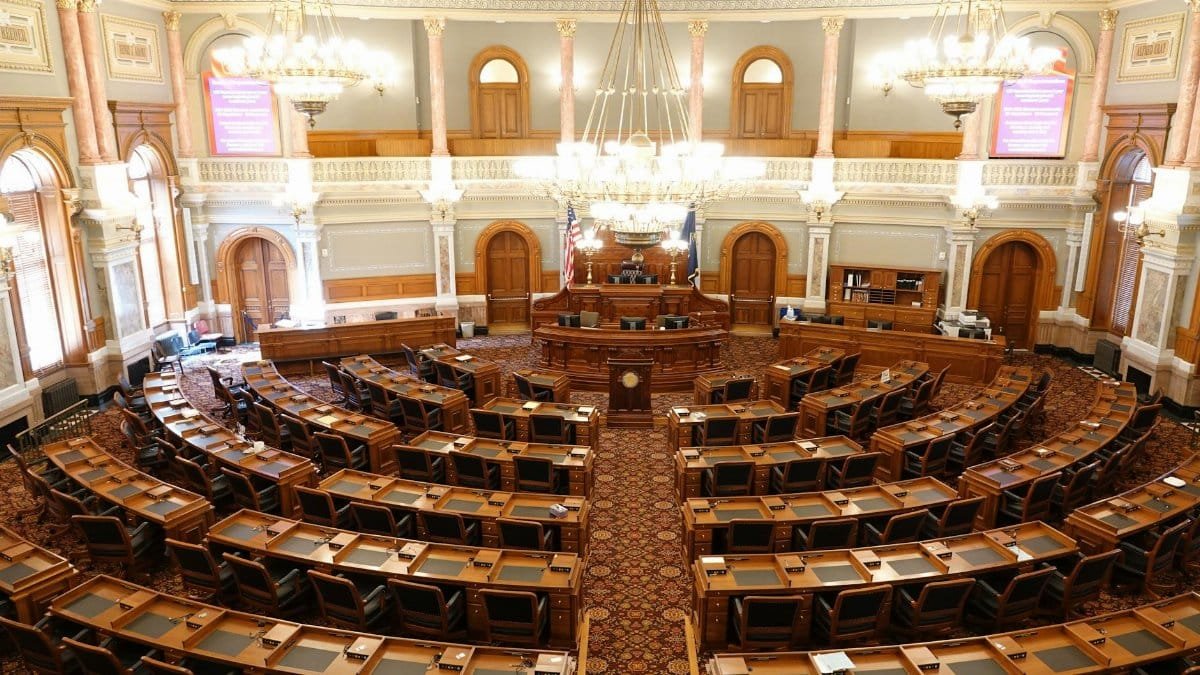
Illinois lawmakers crafted the measure after extensive hearings that featured testimony from retailers, consumer advocates, and banking representatives. The resulting legislation sought to impose strict limits on interchange fees, aligning Illinois with a handful of other states and nations that have attempted similar reforms. Proponents framed the bill as consumer protection, suggesting that lower merchant costs would eventually translate into more stable prices and stronger local economies.
When the law passed, it represented a rare victory for small business interests against the considerable lobbying power of the financial sector. Yet its implementation immediately faced legal challenges, setting the stage for the current federal involvement. Court filings revealed deep divisions about whether states possess authority to regulate fees on national payment networks.
Banks and Card Networks Mount a Formidable Defense

Financial institutions responded with swift litigation, asserting that the Illinois approach would disrupt nationwide payment systems and violate federal commerce principles. They warn that reduced revenue from interchange fees could lead to higher annual charges on credit cards, diminished rewards programs, and less incentive for innovation in payment security.
Industry representatives emphasize that current fees support robust fraud detection systems and enable the convenience consumers demand. Without adequate compensation, they argue, banks might restrict access to certain card products or pass costs directly to account holders through different means. This perspective found receptive ears within federal agencies tasked with overseeing banking stability.
The Federal Governments Aggressive Legal Strategy
In a notable escalation, federal authorities have moved to permanently block enforcement of the state statute. This intervention signals Washingtons view that fragmented state rules could undermine the efficiency and uniformity of the national payments infrastructure. Legal observers note the unusual vigor with which agencies have joined the banks side in this dispute.
The governments position hinges on arguments that payment networks operate as interstate commerce, placing them largely beyond individual state control. Court documents reference potential economic harm extending well beyond Illinois borders, including effects on military personnel stationed in the state and federal benefit recipients who rely on card payments. This broad framing aims to establish precedent that could discourage similar efforts in other legislatures.
Potential Effects on Consumer Credit Card Rewards

One of the most emotionally charged aspects involves the future of credit card rewards programs. Many middle class families depend on cash back, travel points, and other perks to stretch household budgets. Banks claim that sharply lower interchange fees would necessitate scaling back these benefits, effectively imposing a hidden tax on consumers who pay in full each month.
Yet research from various policy institutes suggests the relationship between fees and rewards is more complex. A study published by the Brookings Institution indicates that merchants already embed processing costs in their prices, meaning all consumers subsidize rewards whether they use cards or not. The link is available here. This dynamic raises questions about equity between those who carry balances and those who do not.
Perspectives from Small Business Owners Across the State

Interviews with Illinois entrepreneurs reveal a range of experiences. Sarah Chen, who operates a hardware store in Rockford, calculates that payment fees cost her business nearly forty thousand dollars annually. She supports the Illinois swipe fee ban, viewing it as essential to preserving slim profit margins in an era of rising supply costs.
Others express caution. Some restaurant owners worry that upsetting payment relationships could complicate operations or alienate customers accustomed to seamless transactions. This diversity of opinion within the business community itself underscores the difficulty of crafting policy that satisfies all stakeholders in a modern economy.
Questions of Economic Fairness and Community Impact

Beyond balance sheets, the controversy touches deeper values about fairness in American commerce. Small businesses often serve as gathering places and economic anchors in their neighborhoods. When excessive fees erode their sustainability, entire communities feel the effects through reduced services, fewer local jobs, and diminished tax revenue.
Some faith based organizations have entered the conversation, suggesting that economic structures should reflect principles of justice and concern for the vulnerable. They draw parallels to longstanding traditions that emphasize honest weights and measures in the marketplace. While not taking formal positions on the specific legislation, these voices highlight how financial regulations carry moral weight that extends beyond pure economics. Their perspective adds another dimension to what might otherwise appear as a dry regulatory dispute.
Broader Implications for Other States Watching Closely

Legislators in California, New York, and several midwestern states have monitored developments in Illinois with keen interest. A successful defense of the fee caps could embolden similar proposals elsewhere. Conversely, a decisive federal victory might discourage states from attempting to address what many perceive as an imbalance in the payments ecosystem.
International examples provide additional context. Countries in Europe and Australia have imposed interchange fee caps with mixed results. Merchants generally report relief, while some consumers have seen adjustments in banking services. These experiences suggest that outcomes depend heavily on implementation details and accompanying regulatory measures.
What Happens Next in This High Stakes Battle

The legal proceedings are expected to continue for months, possibly reaching federal appeals courts or beyond. Both sides have assembled formidable legal teams, indicating the case carries significance that transcends any single states policy. For Illinois merchants, the delay creates continued uncertainty as they navigate rising operational pressures.
Meanwhile, technological changes in payments, including the growth of digital wallets and buy now pay later services, may eventually reshape the entire debate. New entrants and innovations could introduce competitive pressures that achieve some of the same goals as regulation without direct government intervention.
Ultimately, the Illinois swipe fee ban has illuminated tensions that have been building for years between different participants in the American economy. How these conflicts resolve will influence not only how people pay for goods but also the delicate balance between innovation, consumer protection, and the health of local business communities. The federal governments forceful entry into the fray suggests that meaningful change, if it comes at all, will require coordination across multiple levels of governance rather than isolated state action.
The Illinois swipe fee ban, regardless of its ultimate fate, has succeeded in focusing national attention on questions that matter to millions of families and shopkeepers. As the case proceeds, observers from many backgrounds will watch to see whether regulatory efforts can meaningfully address longstanding grievances without creating new problems elsewhere in the financial system. The outcome may shape the economics of daily transactions for years to come.