
In the heat of a competitive contest for the Republican nomination, candidates have turned their focus toward one another with pointed criticism that highlights divisions within the party. This approach has placed added scrutiny on a prominent contender during the John James Michigan primary, where leading poll numbers have not shielded him from challenges by rivals seeking to gain ground before voters decide. Observers note that the race carries implications for the broader direction of state politics, as participants debate economic priorities, public safety measures, and the role of federal influence in local affairs. The atmosphere reflects a shift from earlier unity behind a shared endorsement to a more fragmented exchange of views on how best to address resident concerns.
Early Poll Advantages Shape the Race

Surveys conducted in recent weeks have shown consistent support for the frontrunner among likely Republican participants. These results suggest that name recognition and prior electoral experience contribute to his position. Yet analysts point out that such leads can narrow quickly when opponents intensify their messaging on specific issues like taxation and infrastructure funding.
Endorsement Provides Momentum but Invites Scrutiny

Support from a former president has bolstered visibility for the candidate in question. This backing draws attention from national media outlets and energizes a segment of the base. At the same time, it prompts questions from within the party about alignment with local voter preferences that may differ from national trends.
Rivals Launch Targeted Criticisms
Opponents have focused on past statements and voting records to question consistency on key topics. These efforts aim to portray the leader as out of step with certain conservative principles. Campaign events have featured direct comparisons that emphasize alternative approaches to job creation and border security.
Policy Positions Draw Contrasting Views

Discussions around education funding and energy development reveal differences among the participants. One side stresses traditional industry support while another advocates expanded investment in emerging sectors. Such debates influence how residents perceive each contender suitability for addressing long term economic shifts.
Voter Sentiment Reflects Broader Concerns

Interviews with participants in suburban and rural areas indicate interest in practical outcomes over partisan rhetoric. Many express a desire for candidates who demonstrate clear plans on housing costs and healthcare access. This focus appears to guide decision making as the contest advances.
Media Coverage Amplifies Key Moments

Local outlets have reported extensively on debate exchanges and advertisement content. This attention helps shape public awareness of the various platforms. Coverage also examines how external funding from interest groups may affect the tone and reach of each campaign.
Historical Context Informs Current Dynamics

Past primary contests in the state have shown patterns of late shifts driven by turnout efforts. Lessons from those cycles inform strategies now underway. Participants draw on prior experiences to refine their outreach in key counties.
Potential General Election Implications
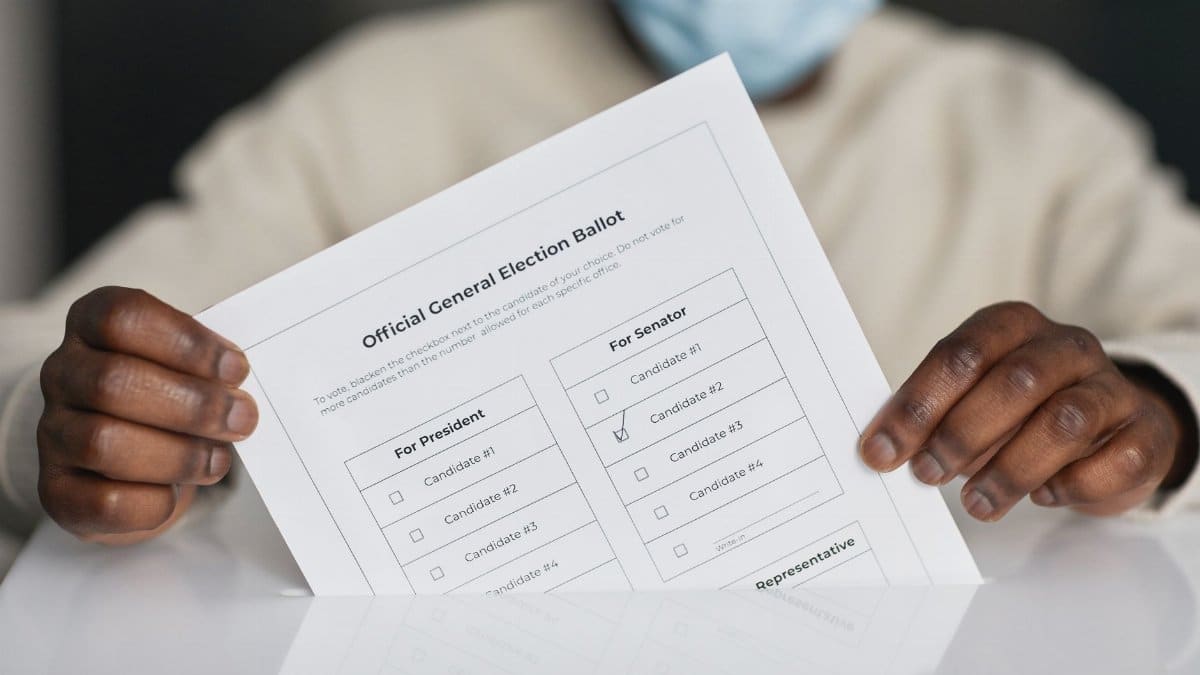
Observers consider how the outcome might influence the fall matchup against Democratic candidates. A unified Republican field could strengthen prospects, while lingering divisions might create openings for opponents. Strategic planning extends beyond the immediate nomination phase.
Community Events Highlight Grassroots Efforts

Campaign stops at local gatherings allow direct engagement with residents on everyday matters. These interactions provide opportunities to address specific regional challenges such as manufacturing transitions and agricultural support. Attendance levels offer informal indicators of enthusiasm.